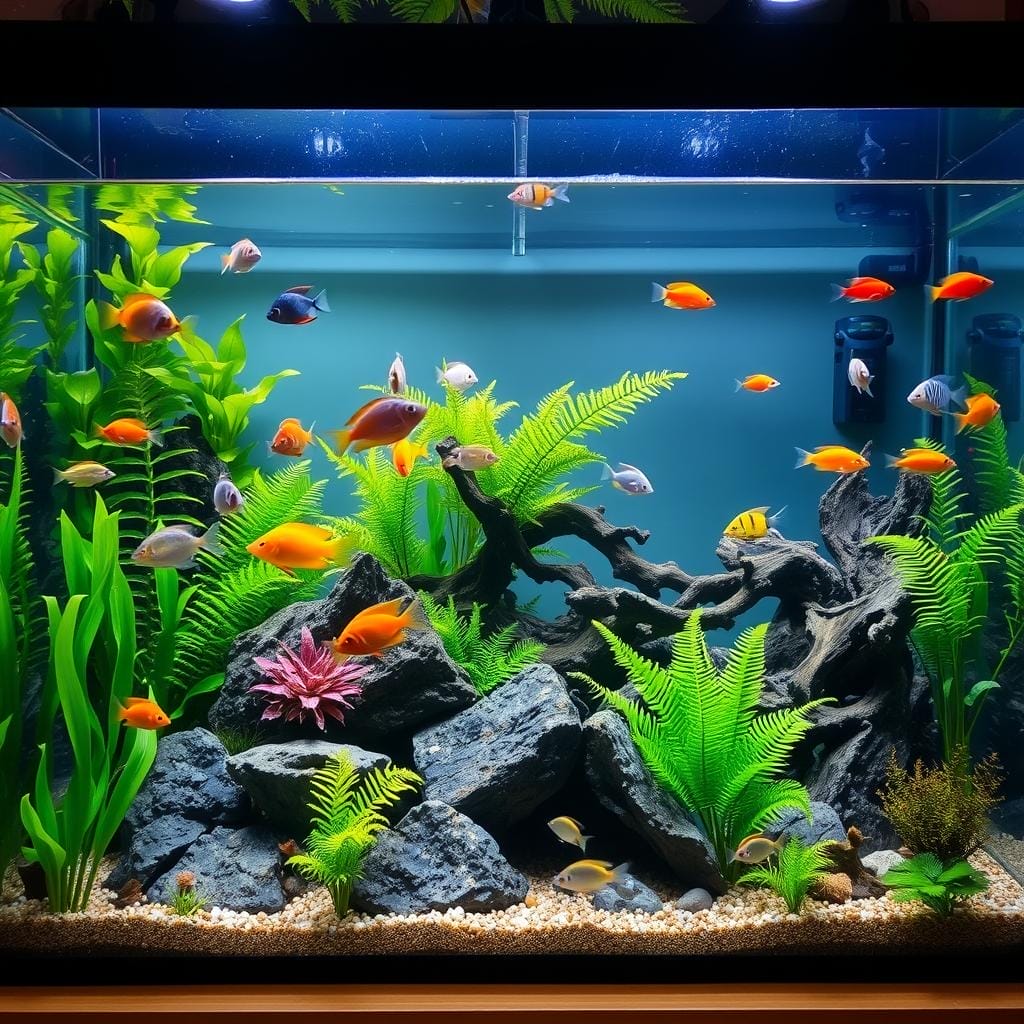

10 Gallon Tank Setup: Expert Tips for a Thriving Aquarium
 Millie Douglas
Updated on: July 16, 2025 .
10 min read
Millie Douglas
Updated on: July 16, 2025 .
10 min read
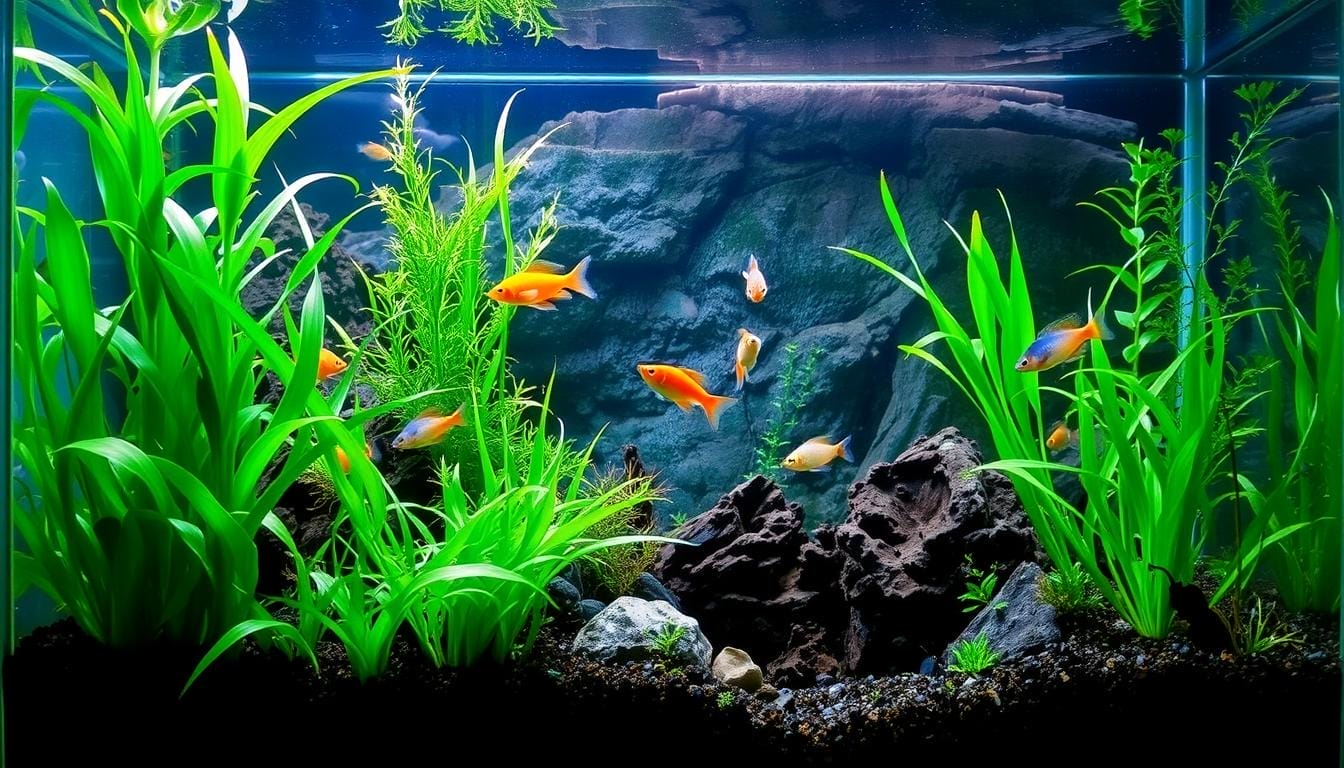
Did you know your new underwater world could weigh as much as an adult golden retriever? A fully equipped aquarium holds surprising heft – roughly 100 pounds when filled with water, gravel, and decorations. This eye-opening fact highlights why smart planning matters before you begin your aquatic adventure.
Building a thriving ecosystem teaches responsibility while bringing nature’s tranquility into your home. Fish deserve thoughtful care, and your dedication directly impacts their health. Weekly maintenance becomes a rewarding ritual when approached with patience and knowledge.
Starting small lets you master fundamentals without overwhelm. You’ll learn water chemistry basics, habitat design principles, and species compatibility – skills that apply to larger systems later. Proper placement on sturdy surfaces prevents accidents and ensures years of enjoyment.
Gather your supplies before diving in. Paper towels, water conditioners, and testing kits become trusted allies. Remember: every great aquarist began exactly where you stand now. With consistent effort and our guidance, you’ll transform glass walls into a vibrant underwater theater.
Understanding Aquarium Basics and Commitment
Maintaining an aquarium is like tending a garden—both require consistent nurturing. Your underwater pets rely on you for clean water, stable temperatures, and balanced nutrition. This relationship transforms glass walls into a living ecosystem where every choice matters.
Your Daily Role in Aquatic Care
Fish keeping demands a weekly rhythm of testing water quality and replacing 20-30% of the tank’s volume. You’ll spend about 15 minutes daily checking equipment and observing behavior. Paper towels become essential allies during these tasks—keep a stack nearby for quick cleanups.
Meeting Your Fish’s Fundamental Needs
These delicate pets need more than just flakes in their bowl. Oxygen levels, pH balance, and tank mates all influence their well-being. Start with hardy species to build confidence while learning water chemistry basics.
Consistency turns chores into rewarding rituals. Morning feedings and evening observations create bonds with your aquatic companions. Remember: thriving fish reflect the time and attention you invest behind the scenes.
Choosing the Ideal Location for Your Tank
Where you place your aquarium impacts both its beauty and your fish’s health. A strategic spot reduces maintenance stress while creating a calming focal point in your space. Let’s explore how to balance practicality with aesthetics for your underwater oasis.
Identifying Stable Surfaces and Space Requirements
Your aquarium’s foundation matters more than you might think. Choose furniture or a stand rated for 125+ pounds to handle water weight and equipment. Wobbly desks or uneven shelves risk leaks and stress your aquatic friends.
Leave 6-8 inches of clearance on all sides for cleaning access. Crowded corners make water changes frustrating. Position the tank where you’ll enjoy viewing it daily – near reading nooks or dining areas work beautifully.
Considering Electrical Outlets and Environmental Factors
Locate your setup within 3 feet of grounded outlets to safely power filters and heaters. Extension cords create tripping hazards and may overload circuits. Test equipment placement before filling the aquarium.
Keep the area away from radiators, AC vents, and sunny windows. Temperature swings harm fish and fuel algae growth. Bathrooms and kitchens offer convenient water access but avoid steam-prone zones.
Remember: Your chosen location becomes the heart of your aquatic ecosystem. Thoughtful placement today prevents headaches tomorrow while letting your fish thrive in stable conditions.
Selecting and Purchasing Essential Aquarium Equipment
Building your aquatic habitat begins with smart equipment choices that balance convenience and functionality. Starter packages simplify initial setup, but understanding each component’s role helps create lasting success for your underwater community.
Tank, Lid, and Aquarium Kit Options
Quality containers form the foundation of your ecosystem. Scratch-resistant glass maintains clarity over time, while lightweight acrylic offers better insulation. Many beginners find value in all-in-one kits containing basic filtration and lighting – just remember you’ll still need additional items like water conditioners.

Filters, Heaters, and Necessary Accessories
Your filter acts as the life support system – choose hang-on-back models with dual filtration media for easy maintenance. Pair this with a reliable heater featuring automatic temperature control to protect delicate species. Don’t overlook supporting gear:
- Air pumps create surface agitation for oxygen exchange
- Dedicated cleaning tools prevent chemical contamination
- Surge-protected power strips manage multiple devices safely
Invest in equipment designed specifically for aquatic environments. While initial costs might seem high, quality components save money long-term by preventing equipment failures and health issues.
Step-by-Step Guide: Setting Up Your Aquarium
Transforming an empty glass box into a thriving ecosystem requires careful layering and precision. Let’s walk through the process that turns basic materials into a healthy home for your aquatic friends.
Preparing the Stand and Testing for Leaks
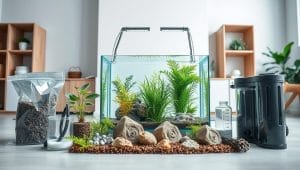
Begin by positioning your stand in its permanent location. Use a level to confirm stability—wobbly foundations risk accidents. Before placing your empty container on the stand, perform a leak test on a countertop. Add an inch of water, wait 15 minutes, and check seams for moisture.
Arranging Gravel, Plants, and Ornaments
Rinse your chosen gravel in a colander until runoff becomes clear. Spread it 2-3 inches deep, sloping gently toward the back wall. This creates depth for plants while allowing waste collection. Scrub decorations with a soft brush using only water—chemical cleaners leave dangerous residues.
Fill slowly using a plate to disperse water flow. Stop when liquid sits one inch below the rim. Patience here prevents cloudy water and preserves your carefully crafted landscape. Remember: rushing this step compromises everything that follows.
Mastering Water Chemistry for a Healthy Tank
Your fish’s health depends on invisible elements you control through smart water management. Balancing these unseen factors creates a safe habitat where aquatic life flourishes. Think of yourself as a chemist mixing life-supporting solutions—every drop matters.
Treating Tap Water and Using Conditioners
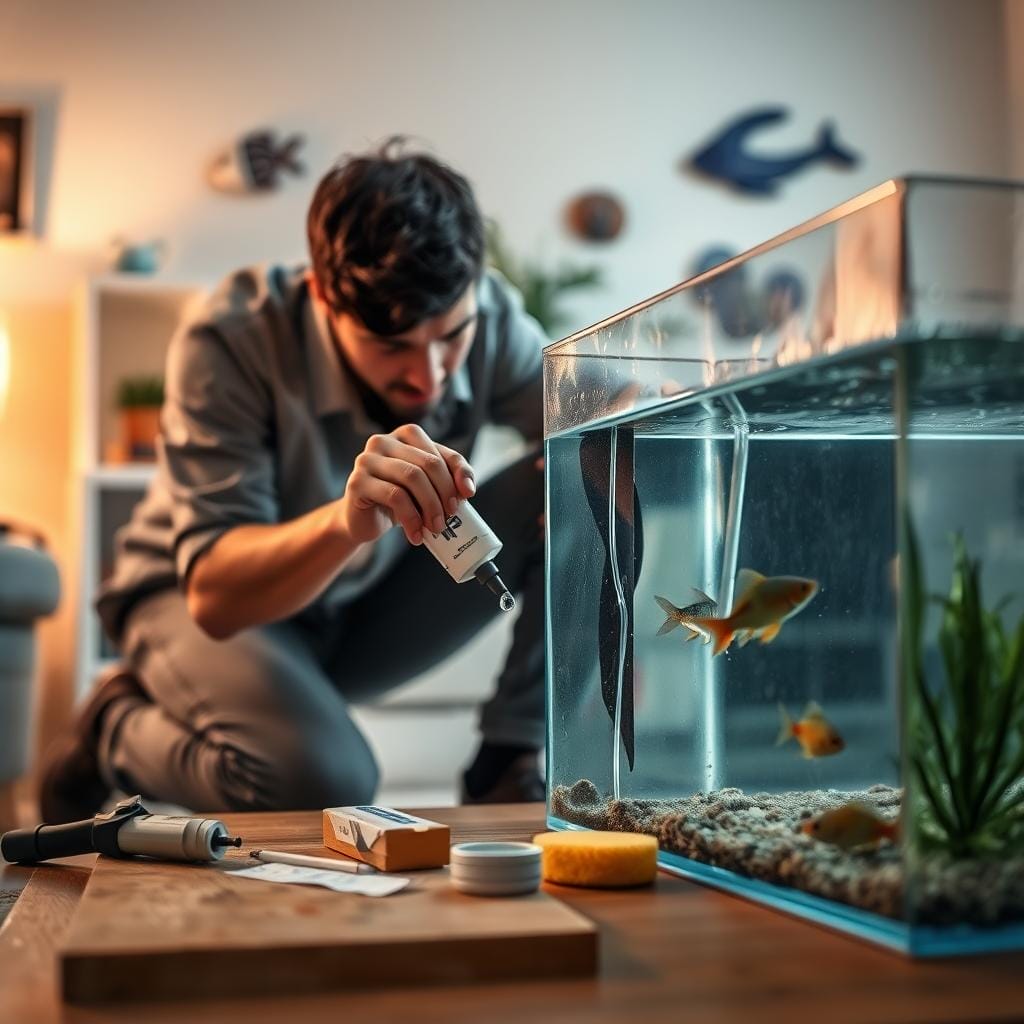
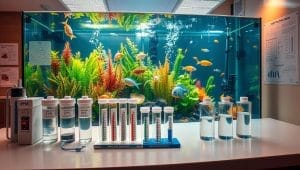
Municipal water contains chlorine and chloramines that burn fish gills. Dechlorinator neutralizes these chemicals instantly—shake the bottle well before adding drops. Pour stress zyme next to boost beneficial bacteria colonies that digest toxic waste.
Wait 24 hours after treatment before testing. This rest period lets conditioners stabilize pH and lets oxygen levels normalize. Always follow product labels—overdosing causes more harm than tap water itself.
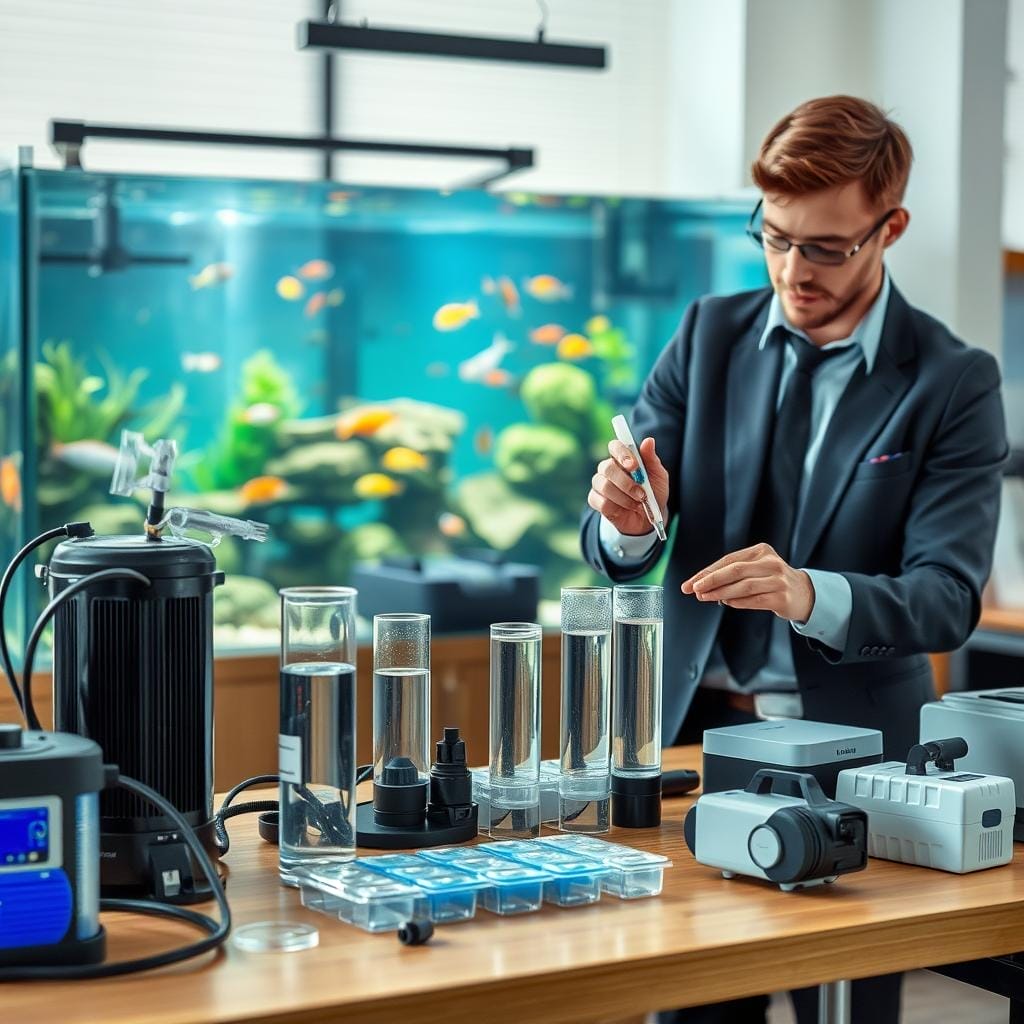
Monitoring pH, Ammonia, Nitrite, and Nitrate Levels
Test weekly with reliable kits. Healthy ranges look like this:
- pH: 6.5–7.5 (slightly acidic to neutral)
- Ammonia/Nitrite: 0 ppm (deadly above 0.25)
- Nitrate: Below 20 ppm
Spikes in ammonia signal an incomplete nitrogen cycle. Add bacteria supplements and reduce feeding until levels drop. For pH shifts, adjust gradually—sudden changes stress aquatic life.
You’ve got this! Regular testing becomes second nature, like checking your phone. Consistent care prevents emergencies and keeps fins happily fluttering.
Expert Essentials for a 10 gallon tank setup
Your aquatic ecosystem’s success depends on two silent workhorses working in harmony. Proper equipment installation creates invisible safety nets that protect your underwater residents day and night. Let’s ensure your life-support systems operate at peak performance.
Powering Up Your Water Guardians
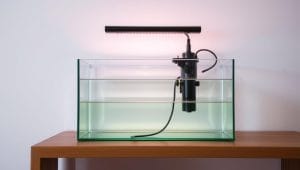
Start by unpacking your filter and studying the manufacturer’s instructions. Position it horizontally near the water surface for optimal flow. Prime the system by pouring liquid directly into the intake tube until water spills back into the container—this prevents motor burnout.
Your heater belongs in a corner with steady current flow. Submerge it completely before plugging in. Begin at the lowest temperature setting, then nudge the dial up 2°F every hour until reaching 76°F. This gradual change protects beneficial bacteria colonies.
Creating Chemical Balance Safely
Add water conditioner first—it neutralizes harmful substances instantly. Wait 15 minutes before introducing bacteria starters. Always measure treatments carefully using the included dropper. Overdosing stresses aquatic life more than untreated water.
Remember these maintenance essentials:
- Rinse sponge inserts in tank water during cleanings
- Check filtration flow weekly for obstructions
- Test water parameters 24 hours after setup
You’ve now created a stable foundation where life can flourish. These careful preparations show your commitment to responsible stewardship—your future fish will thrive because of today’s attention to detail.
Introducing Fish and Crafting a Natural Environment
Creating a balanced underwater world starts with thoughtful fish selection and gentle transitions. Your local fish store becomes your greatest ally here—specialty shops often provide healthier specimens and expert advice tailored to your aquatic space.
Also Read: Tank Leaks Repair: Simple Steps to Fix Leaks
Proper Acclimation Techniques
Float sealed water bags in your aquarium for 15 minutes to equalize temperatures. Open carefully, then add half a cup of tank water to the bag every five minutes. After three cycles, gently net your fish into their new home—never pour store water into your ecosystem.
Selecting Fish Species for a Thriving Habitat
Begin with hardy schoolers like harlequin rasboras or neon tetras. These active swimmers adapt well to smaller spaces when kept in groups of three or more. Pair them with bottom-dwellers like pygmy corydoras to utilize different habitat zones.
Visit stores during quieter hours for personalized recommendations. Staff can suggest species matching your water parameters and maintenance routine. Observe fish behavior before purchasing—alert movements and intact fins signal healthy candidates.
Your patience during this phase pays dividends. Slowly introducing compatible species creates harmonious communities that mirror their natural habitat. Remember: each addition affects water chemistry, so wait two weeks between groups for stable conditions.
FAQ
How often should I test water parameters in a new aquarium?
Test weekly during the first month using a liquid test kit to monitor ammonia, nitrite, and nitrate levels. After cycling, check every 2-4 weeks to ensure stability.
Can I skip using a heater for tropical fish?
Most tropical species like tetras or guppies require consistent temperatures (72-78°F). A submersible heater with a thermostat ensures your aquarium stays within their ideal range.
How long should I wait before adding fish after setup?
Complete the nitrogen cycle first—this typically takes 4-6 weeks. Use a bacterial starter like Seachem Stability to speed up beneficial bacteria growth and test until ammonia and nitrite reach 0 ppm.
What’s the best way to clean aquarium gravel?
Rinse substrate thoroughly in a colander with dechlorinated water before adding it. For maintenance, use a gravel vacuum during partial water changes to remove debris without disturbing the bacterial colonies.
Do live plants help with water quality?
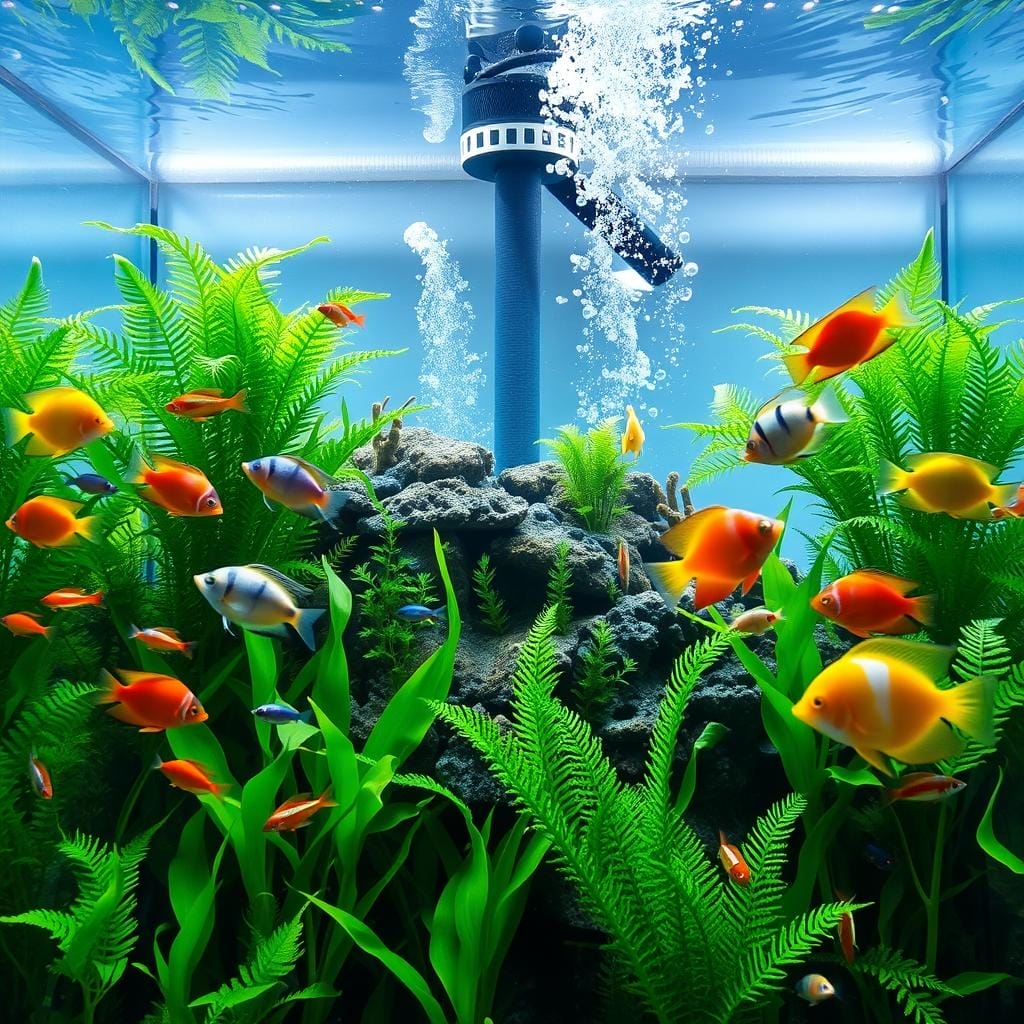
Yes! Plants like java fern or anubias absorb nitrates and provide oxygen. Pair them with LED grow lights (6-8 hours daily) and root tabs for optimal growth.
Why is my filter flow too strong for small fish?
Attach a sponge pre-filter or adjust the flow rate if your filter allows. Species like bettas prefer gentle currents, while danios enjoy moderate movement.
How do I safely acclimate new fish?
Float the sealed bag in the aquarium for 15 minutes to equalize temperatures. Gradually mix small amounts of tank water into the bag over 30-45 minutes before releasing them with a net—never pour bag water into your tank.
Can I mix different fish species in a 10-gallon setup?
Focus on small, peaceful fish like neon tetras, cherry shrimp, or a single betta. Avoid overcrowding—stick to 6-8 small fish total, considering their adult size and activity levels.
What causes cloudy water in new tanks?
Bacterial blooms are common during cycling. Reduce feeding, perform 10-15% water changes, and avoid replacing filter media. It usually clears within a week as bacteria stabilize.
Are air pumps necessary for all setups?
Not always. If your filter creates surface agitation for oxygen exchange, an air stone isn’t needed. However, species like fancy goldfish benefit from extra oxygenation.
10 gallon tank setupAquarium maintenanceAquatic plant careFish tank filtrationFreshwater tank tipsSmall aquarium setup
Hi, I'm Millie a passionate fish enthusiast and blogger. I loves learning about all kinds of aquatic creatures, from tropical fish to stingrays.