
Discover Proven Algae Control Methods for Aquariums
 Millie Douglas
Updated on: December 1, 2025 .
7 min read
Millie Douglas
Updated on: December 1, 2025 .
7 min read
Have you ever wondered why your beautifully designed aquarium, meant to be a serene underwater world, sometimes turns into a green, murky mess instead?
It’s a common frustration, but here’s a comforting thought: those green growths are a natural part of any aquatic environment. Your goal isn’t to wage a war for total elimination, but to find a happy, healthy balance.
This guide is here to support you. We’ll walk through simple, effective management strategies that bring back the crystal-clear water quality you love. You’ll learn how to create an environment where your fish thrive and your plants flourish beautifully.
From daily routines to advanced solutions, these proven methods used by enthusiasts across the US will give you the confidence to tackle any issue. You can achieve a stunning tank without complex procedures or breaking the bank.
Understanding Algae and Its Impact on Aquatic Ecosystems
Understanding the delicate balance in your aquarium begins with recognizing the role of various organisms. Many green growths actually contribute positively to your tank’s health when properly managed.
Differences Between Beneficial and Harmful Algae
You’ll find that most algae species are actually helpful. Green varieties and diatoms serve as essential food sources for tiny organisms that support your entire ecosystem. These beneficial types form the foundation of a healthy food chain.
However, some species like blue-green algae can cause problems. They don’t provide nutritional value and may release substances that affect your aquatic environment. Recognizing these differences helps you maintain proper balance.
Influence on Water Quality, Oxygen, and Fish Health
When algae populations grow too dense, they consume large amounts of oxygen during nighttime hours. This can create challenging conditions for your aquatic pets. Monitoring oxygen levels becomes crucial for maintaining good aquarium fish health.
Watch for signs like discolored water or fish gasping near the surface. These indicate your ecosystem needs attention. Proper management ensures your fish thrive in a balanced environment where all elements work together harmoniously.
Assessing Your Aquarium’s Nutrient and Water Conditions
The key to preventing unwanted growth in your aquarium lies in mastering the art of monitoring water parameters and environmental factors. Think of yourself as a detective uncovering clues about your tank’s health.

Identifying Signs of Excess Nutrients and Algal Blooms
Your aquarium communicates its needs through visible signals. When you notice rapid green films appearing on glass surfaces shortly after cleaning, this indicates elevated nutrient levels.
Cloudy or discolored water that doesn’t clear with filtration suggests phosphorus and nitrogen compounds have accumulated. These conditions create the perfect environment for explosive growth.
Surface scum and slimy coatings on decorations are clear warnings. They show that your water quality needs immediate attention to restore balance.
Evaluating Temperature, Light, and Circulation
Warmer water temperatures above 75°F dramatically accelerate growth rates. Even small increases can trigger significant changes in your aquarium’s ecosystem.
Evaluate your lighting schedule honestly. More than 8-10 hours daily, combined with natural sunlight, creates ideal conditions for unwanted proliferation.
Check for stagnant areas where debris collects. Proper water movement prevents nutrient concentration and maintains healthy oxygen levels throughout your tank.
Testing gives you concrete data. Measure nitrate and phosphate levels regularly to catch imbalances before they become visible problems.
Effective Algae Control Methods for Aquariums
Now that you’ve identified the causes, it’s time for practical solutions. You have several approaches to choose from, each with unique benefits for your aquatic environment.
Physical removal gives you immediate visible results. Gently scrape surfaces with an appropriate tool and net out floating mats before they spread. This technique actually removes nutrients from your system, preventing future issues.

Biological approaches work more gradually but create lasting balance. Introduce beneficial bacteria that consume excess nutrients, essentially starving unwanted growth. Adding live plants enhances this effect dramatically.
For the best outcome, combine these algae control techniques. Start with physical cleaning to reduce existing populations. Then establish biological support systems for ongoing management.
Consistency matters most. Regular maintenance prevents problems from developing into major challenges. Your aquarium will thank you with clear water and healthy inhabitants.
Exploring Advanced Treatments and Natural Alternatives
When basic maintenance isn’t enough, you might consider stepping up to more advanced solutions. These approaches offer powerful tools for managing persistent issues in your aquatic environment.
Ultrasonic, Chemical, and Aeration Techniques
Ultrasonic devices use high-frequency sound waves to disrupt problematic growth. This technology targets specific cells without chemicals, making it safe for fish and plants.
Chemical treatments using copper-based compounds can provide rapid results. Copper sulfate is an economical option, but requires careful dosing based on your water conditions.
Aeration systems increase oxygen levels throughout your water column. This approach helps beneficial bacteria thrive while preventing stagnant conditions where blooms develop.
Biological Controls and Sustainable Practices
Natural alternatives like barley straw offer chemical-free options for long-term management. When submerged, it releases compounds that inhibit growth without harming your ecosystem.
Biological additives containing beneficial bacteria consume excess nutrients that fuel problematic growth. These products work gradually but create sustainable balance in your aquarium.
For comprehensive natural ways to clear your pond, consider combining these approaches. Each method contributes to a healthier environment where your aquatic pets can thrive, much like proper aquarium fish breeding techniques create ideal conditions for reproduction.
Final Insights for Achieving a Thriving Aquarium
The true secret to a beautiful aquarium lies in prevention rather than constant treatment. You now have the knowledge to create an environment where your fish flourish and unwanted growth stays manageable.
Focus on addressing root causes like excess nutrients and lighting imbalances. Consistent maintenance prevents problems before they develop. Your strategy should combine multiple approaches for the best results.
Remember that some green growth is natural in healthy aquatic systems. Your goal is balance, not complete elimination. Trust the process and stay patient.
By applying these principles consistently, you’ll maintain excellent water quality and enjoy a stunning aquarium that brings you joy every day.
FAQ
What are the main causes of excessive growth in my tank?
The primary drivers are often an imbalance of light and nutrients like phosphorus. Too much sunlight or leaving your aquarium lights on for extended periods can fuel this issue. Overfeeding your fish also contributes, as uneaten food breaks down into excess nutrients.
Are there any types that are actually good for my aquatic environment?
Yes, some species play a beneficial role. Certain varieties can be a natural food source for fish and help consume excess compounds from the water. The key is management, not complete elimination, to maintain a healthy ecosystem for your plants and aquatic life.
How can I reduce nutrients without harming my fish?
You can safely lower nutrient levels by performing regular, partial water changes and avoiding overfeeding. Introducing live aquatic plants is highly effective, as they compete for the same food source. Using a high-quality filter and ensuring proper circulation also helps maintain excellent water quality.
When should I consider using a treatment like copper sulfate?
Chemical treatments should be a last resort for severe outbreaks that other methods haven’t resolved. It’s crucial to use products like copper sulfate with extreme care, strictly following dosage instructions, as they can be harmful to sensitive fish, invertebrates, and beneficial bacteria in your filtration system.
What role does aeration play in preventing problems?
Good aeration and water movement are vital. They help maintain stable oxygen levels, which supports the health of your fish and the beneficial bacteria that keep your tank clean. Improved circulation also prevents stagnant areas where mats can begin to form on surfaces.
Can adding certain fish or bacteria help manage growth?
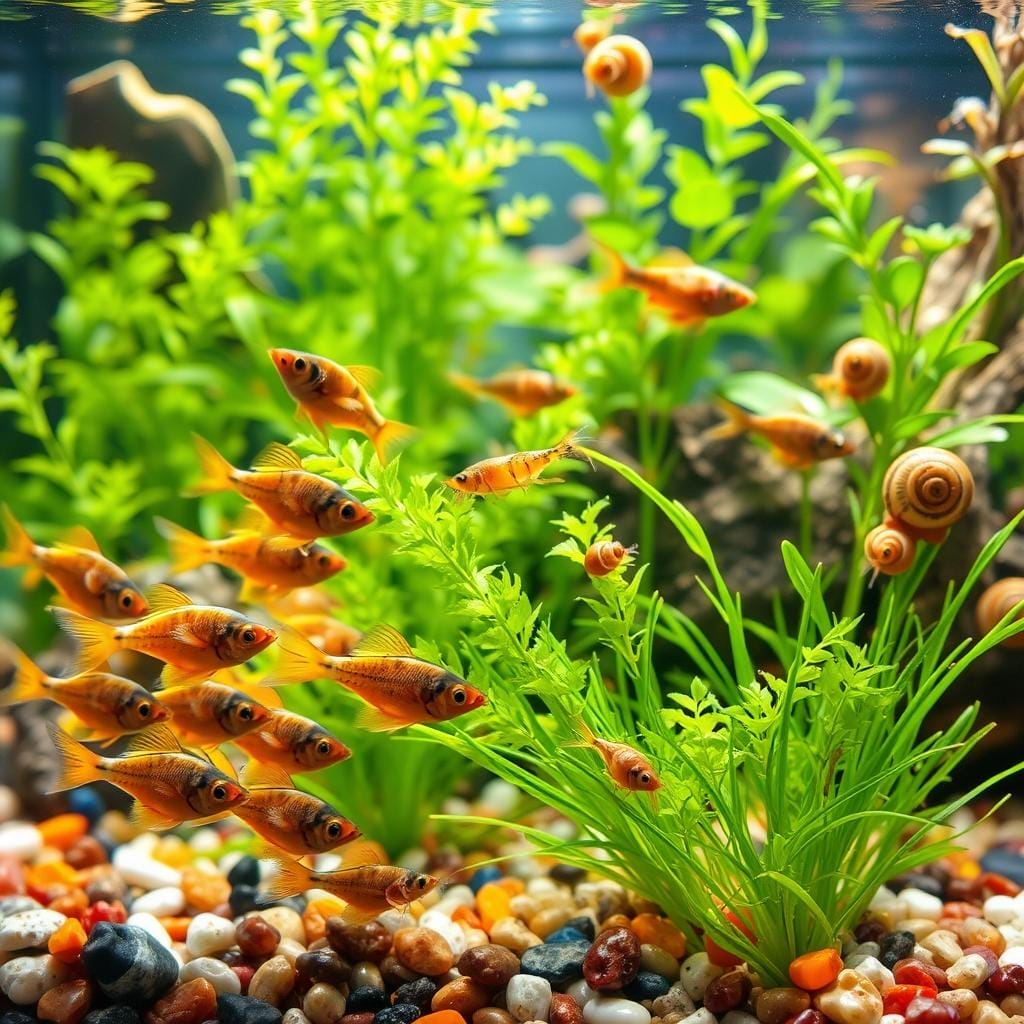
Absolutely! Biological controls are a fantastic, natural approach. Fish like Otocinclus catfish or certain snail species will graze on surfaces. You can also introduce specific bacterial blends designed to outcompete problematic cells for nutrients, supporting a balanced ecosystem.
Algae cleaning methodsAlgae control techniquesAlgae prevention for fish tanksAquarium algae managementNatural algae control
Hi, I'm Millie a passionate fish enthusiast and blogger. I loves learning about all kinds of aquatic creatures, from tropical fish to stingrays.