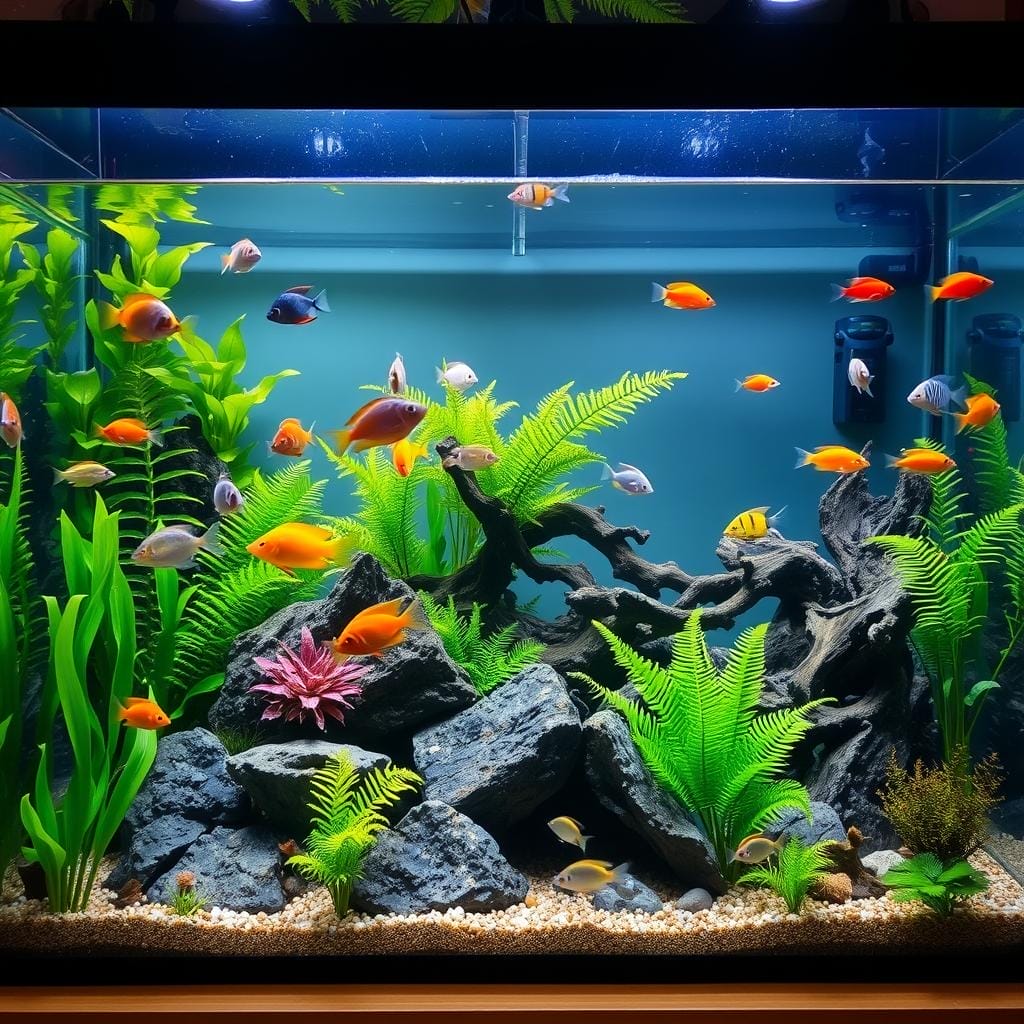

Reduce Ammonia in Fish Tank: Simple Steps for You
 Millie Douglas
Updated on: July 16, 2025 .
10 min read
Millie Douglas
Updated on: July 16, 2025 .
10 min read
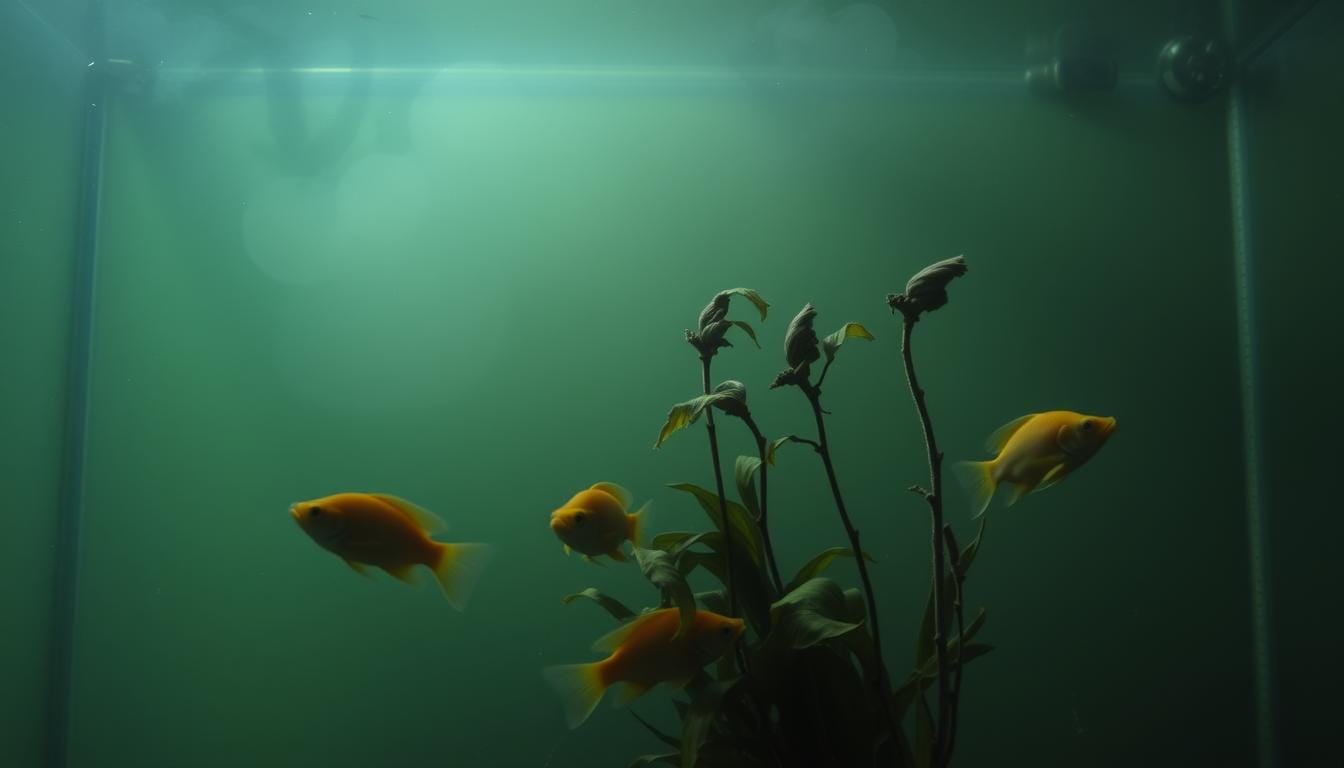
Did you know 90% of aquarium emergencies stem from an invisible threat you can’t see? This silent danger lurks in every tank, threatening your aquatic pets’ health—and most owners don’t recognize it until it’s too late.
Your underwater ecosystem relies on delicate balance. Waste from swimmers, leftover food, and decaying plants release harmful substances into the water. Left unchecked, these toxins attack gills, weaken immune systems, and create life-threatening conditions within days.
But here’s the good news: maintaining a safe environment isn’t complicated. With basic knowledge and consistent care, you’ll protect your finned friends while enjoying a thriving habitat. Whether you’re setting up your first freshwater fish tank or refining your routine, understanding this challenge is key to long-term success.
We’ll guide you through identifying risks, monitoring water quality, and implementing easy fixes. You’ll learn how regular testing, smart feeding habits, and natural solutions work together to prevent crises before they start.
The Role of Ammonia in Your Aquarium
Imagine your aquatic friends living in a self-cleaning home. That’s exactly what happens when nature’s invisible workforce – beneficial bacteria – transforms harmful substances through the nitrogen cycle. This process turns danger into safety right inside your glass ecosystem.
Every breath your swimmers take releases a natural byproduct. Organic matter like uneaten food or plant debris adds more. In wild environments, vast water volumes dilute these elements. But enclosed spaces need help – that’s where microbial allies step in.
Here’s how your water stays safe:
- Specialized microorganisms convert toxic compounds to less dangerous forms
- Two bacterial teams work sequentially – first creating nitrite, then nitrate
- Plants absorb final products as nutrients when properly maintained
New caretakers often wonder why established systems outperform new setups. The answer lies in biological filtration. Colonies need weeks to develop on surfaces like filter media and substrate. Once thriving, they handle daily waste processing automatically.
Testing water parameters becomes your best friend during this phase. Levels above 0 ppm signal an incomplete cycle or overloaded system. Regular monitoring helps catch imbalances before they affect your aquatic family.
How to Monitor Ammonia in Fish Tank
Your aquatic companions depend on your watchful eye to thrive. Since harmful substances remain undetectable without tools, regular checks become your superpower. Let’s explore two vital strategies for safeguarding your underwater world.
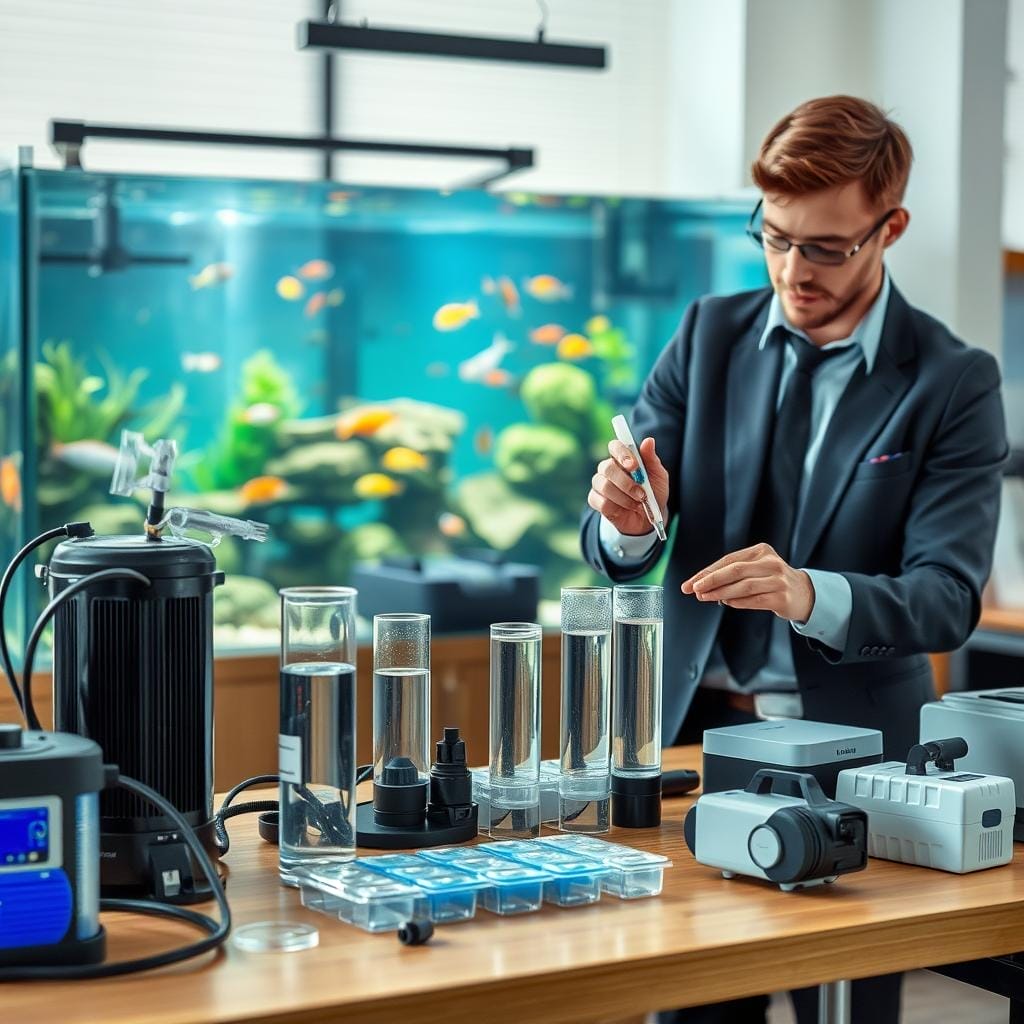
Mastering Water Testing Tools
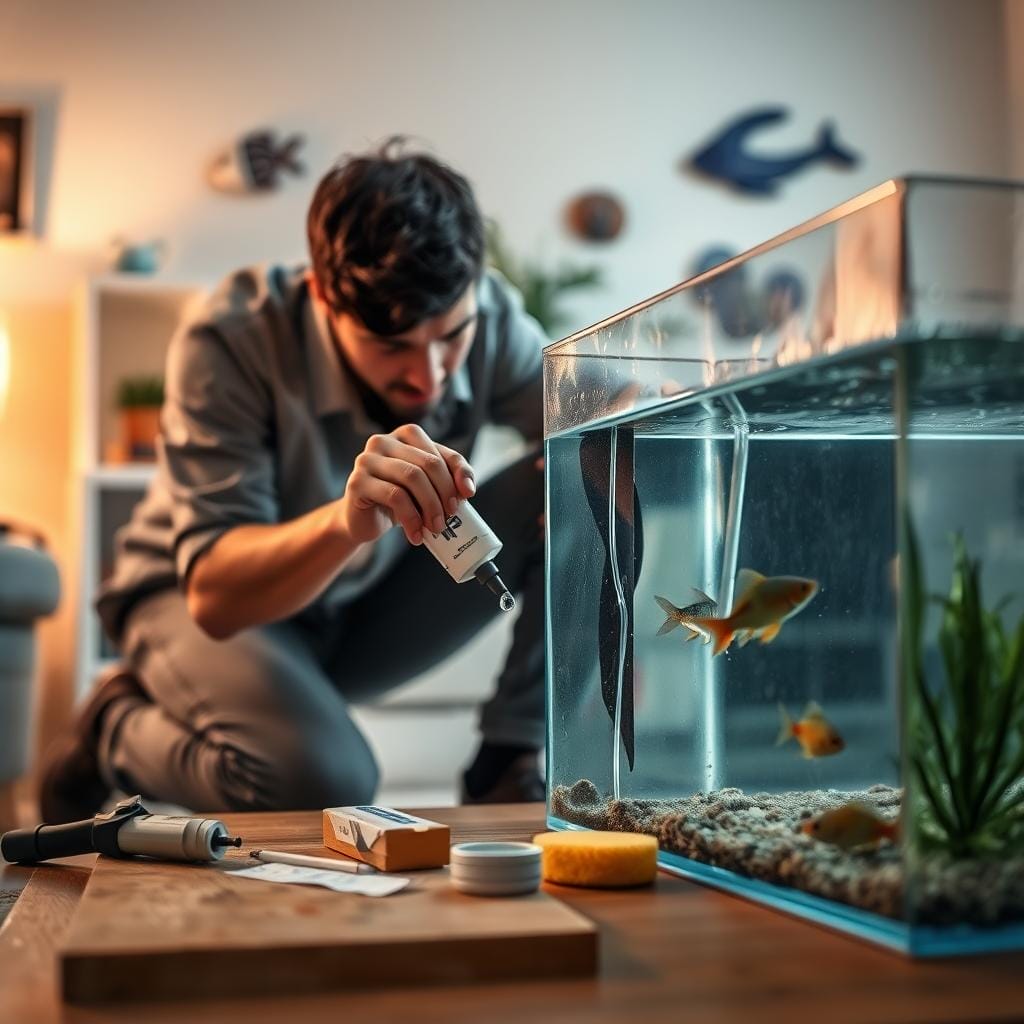
Quick-result strips and precise liquid kits reveal hidden dangers. Dip a strip for two-minute results, or mix reagents for lab-grade accuracy. Always follow package instructions and track results in a logbook.
Establish a routine: check weekly during stable periods. Increase to daily tests if swimmers show distress. Remember – consistency beats guesswork every time.
Decoding Pet Behavior Clues
Observe your finned friends daily. Early warnings include:
- Unusual stillness near the surface
- Ignoring meal times
- Faded colors or milky skin coatings
Bigger aquatic pets often distress first – their size makes them more vulnerable. When multiple symptoms appear, test immediately and prepare corrective actions from our next section.
Immediate Actions to Lower Harmful Ammonia Levels
Time becomes your greatest ally when facing water quality emergencies. Swift intervention stops minor issues from becoming disasters. Follow these proven methods to stabilize your aquatic environment quickly.
Cease Overfeeding and Adjust Feeding Practices
Stop all meals immediately when test strips reveal trouble. Swimmers can survive days without eating, but continued feeding worsens contamination. Here’s why this works:
- Reduces waste production from active digestion
- Prevents decaying meals from releasing toxins
- Gives your filtration system time to recover
Resume feeding with half portions after levels normalize. Use sinking pellets or feed slowly to ensure complete consumption.
Executing Quick Partial Water Changes
Replace 25-50% of the water using temperature-matched, treated liquid. This dilutes dangerous concentrations instantly. Always:
- Test source water for chlorine/chloramines
- Use gravel vacuums to remove debris
- Add bacterial supplements post-change
Products like Aqueon AquaPacs Ammonia Reducer boost effectiveness when used with this method. Monitor parameters every 12 hours until stabilized.
Building a Sustainable Nitrogen Cycle
Creating a self-sustaining aquatic environment starts with invisible heroes working behind the scenes. Your aquarium’s biological filtration relies on specialized microorganisms that transform waste into safer substances. Let’s explore how to harness their power for a thriving ecosystem.
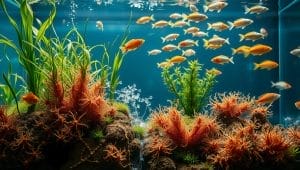
Understanding Nitrifying Bacteria Functions
Two types of beneficial bacteria team up to protect your aquatic life. The first group converts toxic compounds into nitrite. The second team then processes nitrite into nitrate – a less harmful substance plants can absorb.
These microorganisms thrive on surfaces like filter media and gravel. Their growth depends on consistent water flow and oxygen levels. Never turn off your aquarium filter, as this starves colonies and disrupts their vital work.
Establishing a Robust Biofilter
Start your biological filtration system right with these steps:
- Choose a filter sized for your tank’s volume
- Add bacterial starter supplements during setup
- Run the system continuously for 4-6 weeks
Many aquarists use fishless cycling to prepare new environments safely. This method involves adding controlled amounts of ammonia solution while testing water parameters. You’ll know your system is ready when tests show zero ammonia and nitrite with rising nitrate levels.
Remember: Patience pays off. A fully established biofilter handles daily waste automatically, letting you enjoy crystal-clear water without constant intervention.
Natural Methods to Curb Ammonia Buildup
Nature provides powerful allies for maintaining balance in your aquatic habitat. Let’s explore two approaches that work with your ecosystem rather than against it.
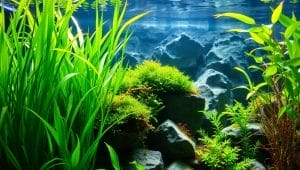
Green Guardians in Your Water World
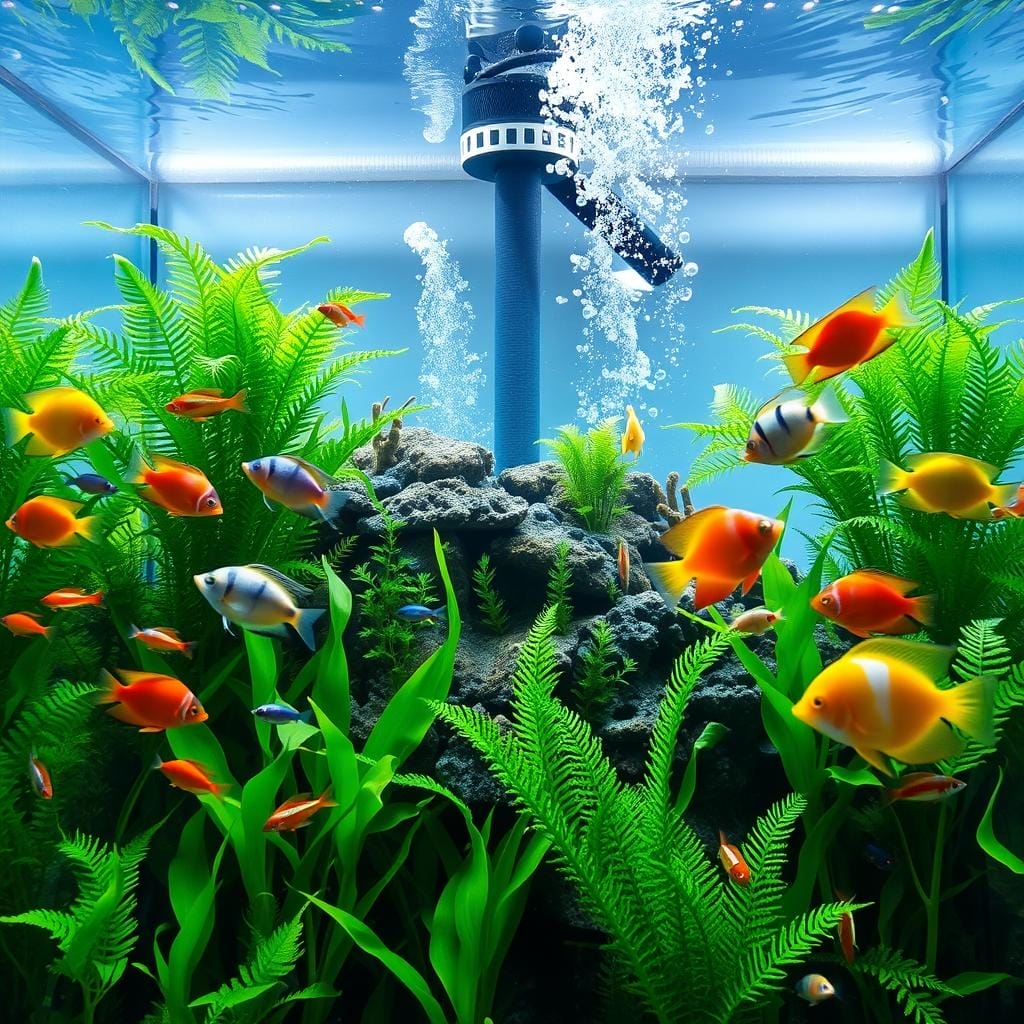
Live vegetation acts like a natural purification system. These leafy helpers absorb harmful compounds through their roots and leaves, transforming them into growth fuel. Benefits include:
- Continuous removal of toxic substances from water
- Increased oxygen production during daylight hours
- Shelter for shy swimmers while enhancing visual appeal
Choose species matching your setup’s conditions. Java fern thrives in cooler environments, while Amazon sword plants need warmer tropical waters. Proper lighting duration (6-8 hours daily) ensures photosynthetic efficiency.
Smart Population Management
Overcrowding strains any aquatic environment. Follow the “one inch of adult fish per gallon” rule as a starting guide. For example:
- 10-gallon environment = 10 inches of small species
- Allow extra space for active swimmers like zebra danios
- Consider adult sizes when adding juveniles
Reducing population density gives your biological filtration room to process waste effectively. Observe your aquatic community – if residents compete for space or resources, it’s time to reconsider your stocking strategy.
Spotting New Tank Syndrome and Related Issues
Your sparkling aquatic setup could harbor invisible threats during its critical first weeks. New tank syndrome strikes when beneficial bacteria haven’t fully colonized your system, leaving swimmers vulnerable to toxic buildup. Recognizing early warnings saves lives and prevents heartache.
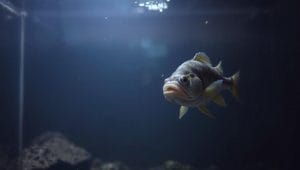
- Lethargic behavior near the water’s surface
- Refusal to eat during feeding times
- Cloudy liquid with an unpleasant odor
Larger aquatic pets often show distress first – their size means they process more water through their gills. Test parameters immediately if multiple symptoms appear. You’ll typically find high readings of harmful substances alongside low nitrite levels and absent nitrate in unstable systems.
Established habitats aren’t immune. Sudden pH swings can wipe out bacterial colonies, recreating dangerous conditions. Always acclimate new additions slowly and monitor chemical balances after any major change. For detailed guidance, consult this comprehensive resource on new tank syndrome.
Prevention starts with patience. Allow 4-6 weeks for biological filtration to mature before adding sensitive species. Regular testing during this phase helps you catch imbalances before they escalate. Remember – a thriving aquatic world grows stronger with each careful step you take.
Maintaining Filter Health and Water Quality
Did you know your filter’s cleanliness can make or break your aquatic environment? This unsung hero works silently to protect your ecosystem, but needs smart care to stay effective. Let’s explore how to keep it functioning optimally without disrupting nature’s cleanup crew.
Mastering Filter Maintenance
Clean your filter media monthly using tank water – never tap. Chlorine kills essential microorganisms. Follow this simple process:
Also Read: Tank Leaks Repair: Simple Steps to Fix Leaks
- Swish media gently in removed aquarium liquid
- Remove visible debris without scrubbing
- Reinstall immediately to preserve colonies
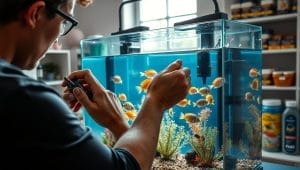
Check flow rate weekly. Reduced output signals clogging. Upgrade your system if it struggles to handle waste – undersized filters can’t process toxins effectively.
Boosting Bacterial Support
After cleaning or adding new swimmers, reinforce your biofilter with these steps:
- Add liquid bacterial supplements during water changes
- Use porous ceramic media for maximum surface area
- Maintain 72-78°F water to optimize microbial activity
Warmer environments increase toxin danger. Keep pH stable between 6.5-7.5 using natural buffers like driftwood. Test parameters after any adjustment – sudden changes stress both beneficial bacteria and aquatic life.
Remember: A thriving filter balances mechanical cleaning with biological preservation. Your consistent care creates crystal-clear water quality that keeps residents healthy and happy.
Final Steps for a Healthy, Thriving Aquarium
Your dedication to aquatic care transforms challenges into rewarding milestones. By combining weekly water testing with keen observation, you’ll spot subtle shifts before they escalate. Keep your test kit handy – it’s the compass guiding your maintenance decisions.
Establish a rhythm of partial water changes matched to your system’s needs. Smaller, frequent refreshes often work better than occasional large replacements. Pair this with measured feeding – those eager eyes don’t need extra portions!
When persistent quality issues arise despite your efforts, reach out. Local aquarium clubs and specialty stores offer wisdom gained from years of experience. Many host free water testing days – a perfect chance to verify your results.
Remember, mastery grows through consistency. Each check-up strengthens your aquarium’s ecosystem, letting you focus on creative upgrades. Soon, you’ll be sharing your own success strategies with newcomers to this vibrant hobby.
FAQ
How often should I test my aquarium water for harmful compounds?
Check weekly using a reliable test kit like API Freshwater Master Kit. During cycling or after adding new fish, test every 2-3 days. Consistent monitoring helps catch imbalances before they stress your aquatic friends.
What visible clues indicate my fish might be suffering from ammonia exposure?
Watch for gasping at the surface, reddened gills, or lethargy. Fish may also lose appetite or develop frayed fins. These signs mean it’s time to act fast—perform a partial water change and retest your parameters.
Can live plants really help manage toxic buildup in my setup?
Absolutely! Species like java fern or anubias absorb nitrogen compounds through their roots and leaves. They also oxygenate water, creating a healthier environment while reducing reliance on chemical solutions.
Why does overfeeding worsen water quality issues?
Uneaten food decays rapidly, releasing excess waste. Feed small portions your fish finish in 2 minutes. Consider fasting days for species like goldfish—this prevents organic debris from overwhelming your biofilter.
How do I safely clean my filter without crashing the nitrogen cycle?
Rinse media in tank water you’ve removed during changes—never tap water. Replace sponges or cartridges in stages, not all at once. Products like Seachem Stability can replenish beneficial bacteria after maintenance.
What’s the fastest way to neutralize a sudden ammonia spike?
Combine a 50% water change with a conditioner like Prime, which temporarily detoxifies compounds. Add extra aeration since oxygen levels drop during crises. Test repeatedly over 48 hours to ensure stability returns.
How long does establishing a stable nitrogen cycle typically take?
New tanks usually cycle in 4-6 weeks. Speed it up by seeding with used filter media or bacterial starters. Patience pays off—rushing this process risks “new tank syndrome,” a leading cause of fish loss.
Can overcrowding affect my system’s ability to handle waste?
Yes. More fish mean more waste. Follow the “one inch per gallon” guideline loosely, considering species activity and growth. Overstocking forces filters to work harder, increasing toxin risks.
Ammonia levels in aquariumAmmonia poisoning in fishAquatic pet careFish tank maintenanceFish tank water qualityNitrogen cycle in fish tank
Hi, I'm Millie a passionate fish enthusiast and blogger. I loves learning about all kinds of aquatic creatures, from tropical fish to stingrays.