
Discover the Best Cleanup Crew Fish for Your Aquarium
 Millie Douglas
Updated on: December 1, 2025 .
9 min read
Millie Douglas
Updated on: December 1, 2025 .
9 min read
What if you could spend less time scrubbing algae and more time enjoying the beautiful underwater world you’ve created? This comprehensive guide shows you how to make that dream a reality.
We’ll introduce you to nature’s own maintenance team – special aquatic helpers that work tirelessly behind the scenes. These dedicated inhabitants consume leftover food and decaying matter that can harm water quality.
While no magical creature eliminates tank chores completely, the right combination can significantly reduce your workload. You’ll gain more freedom to simply watch your beautiful freshwater environment thrive.
Many people find their maintenance members become favorite pets with unique personalities. They add fascinating behaviors and natural movement to your ecosystem.
Selecting your team doesn’t need to feel overwhelming. This guide provides clear, actionable information to help you make confident choices for your specific setup.
We’ll walk you through everything in simple steps perfect for both beginners and experienced hobbyists. Get ready to create a healthier, more dynamic aquatic home!
Understanding the Role of a Cleanup Crew in Aquariums
Imagine your aquarium as a miniature ecosystem where nature handles much of the daily tidying. These special tank members consume organic waste that accumulates naturally. They target uneaten food, decaying plant matter, and various algae types.
The Purpose of an Aquatic Cleanup Crew
Your aquatic helpers act as nature’s recycling system. They break down waste materials into smaller particles. This natural process helps your filtration system work more effectively.
Different members specialize in specific cleaning tasks. Some focus on glass surfaces while others work on substrate or decorations. This specialization creates a balanced approach to tank maintenance.
How a Balanced Crew Maintains Water Quality and Aesthetics
A diverse team prevents nutrient buildup that can harm water quality. They help avoid dangerous ammonia and nitrate spikes. This creates a healthier environment for all your aquarium inhabitants.
You’ll notice aesthetic benefits immediately. Surfaces stay clearer and substrates remain cleaner between your regular maintenance sessions. Your tank maintains its beautiful appearance with less effort from you.
Remember these animals work alongside your care routine rather than replacing it. You’ll still need water changes and filter cleaning. But your workload becomes significantly lighter with proper crew selection.
How to Choose the Perfect cleanup crew fish for Your Aquarium
The journey to selecting your ideal underwater helpers starts with understanding your aquarium’s unique needs. This thoughtful approach ensures you build a team that thrives while keeping your aquatic home beautifully maintained.
Key Considerations When Selecting Cleanup Crew Fish
Begin your selection process by identifying what needs attention in your tank. Do you struggle with algae on glass surfaces? Or perhaps leftover food settles in the substrate?
Different species specialize in various cleaning tasks. Some excel at glass cleaning while others focus on substrate maintenance. Matching their skills to your specific needs creates an efficient team.
Consider compatibility with your current inhabitants. Peaceful coexistence ensures a harmonious environment for all your aquatic pets.
Tank Size, Bioload, and Habitat Requirements
Your aquarium’s dimensions play a crucial role in species selection. Larger members need spacious tanks to prevent territorial behavior. Smaller options work beautifully in compact setups.
Evaluate your current bioload—how much waste your existing pets produce. This determines how many maintenance members your system can support.
Habitat preferences matter greatly. Some species require specific substrates like sand, while others need particular hiding spots. Ensuring proper habitat matching leads to successful long-term care.
Start with a small number initially. Observe how they adapt before adding more members. This gradual approach helps you build the perfect team over time.
Popular Species and Their Unique Cleaning Abilities
Nature provides an incredible array of specialized aquarium inhabitants that excel at different cleaning tasks throughout your tank. Each species brings distinct talents that contribute to a balanced ecosystem.
Algae Eaters and Scavengers
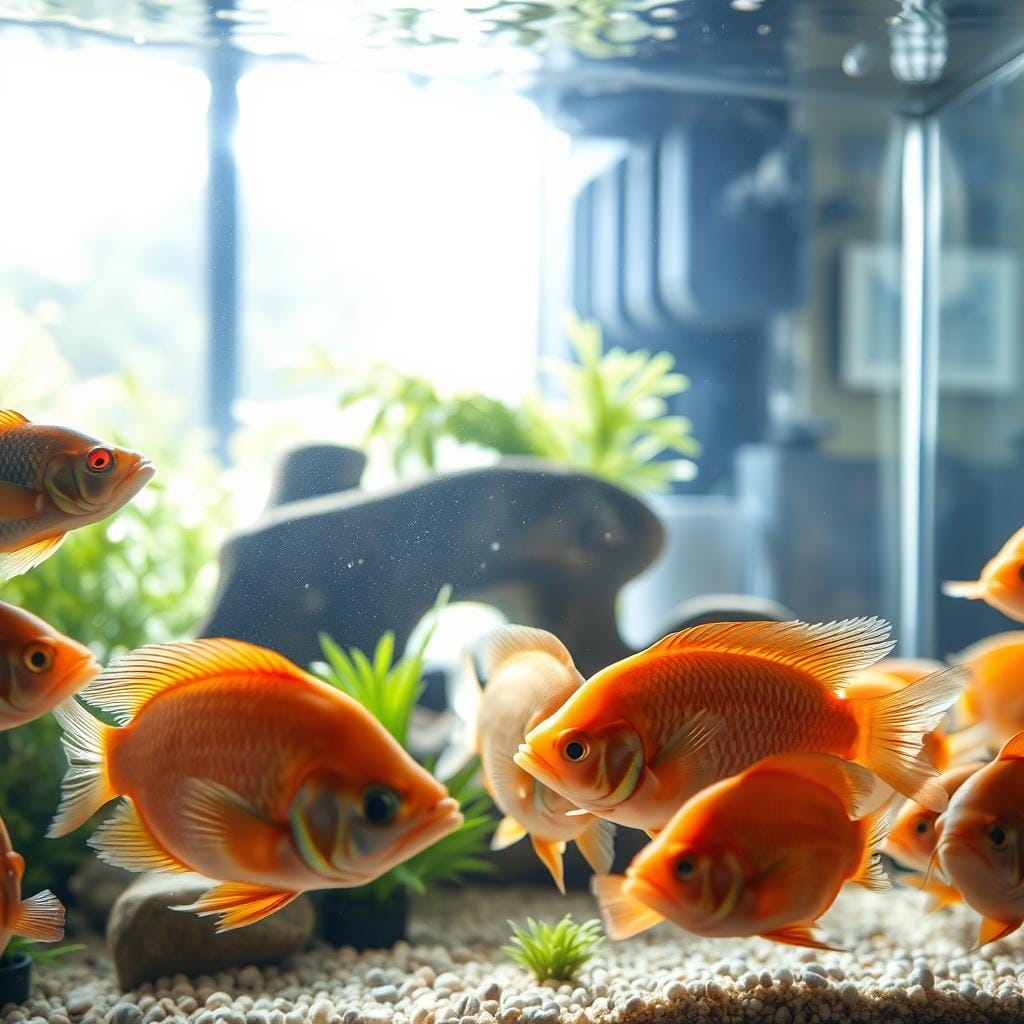
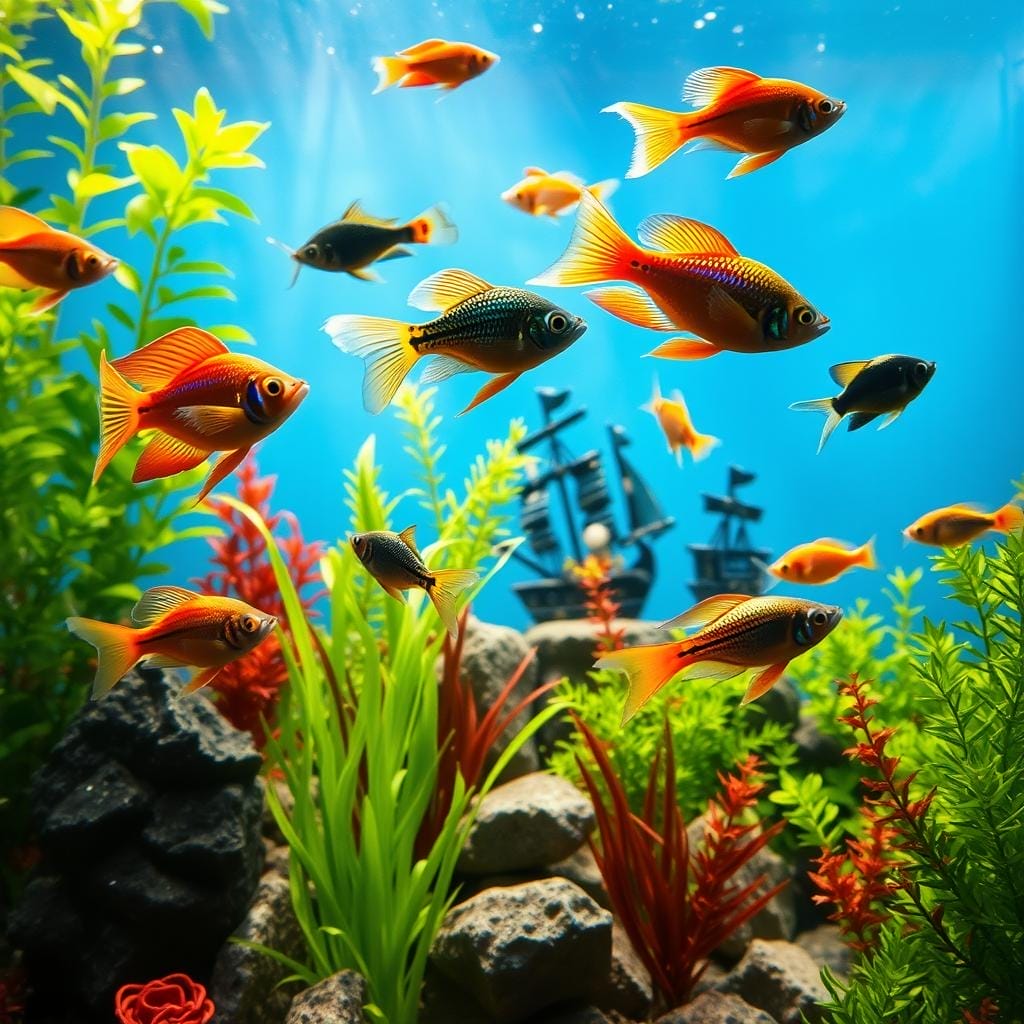
Flagfish stand out as specialized algae eaters with uniquely shaped mouths designed for removing stubborn growth from surfaces. Their enthusiastic approach makes them effective workers.
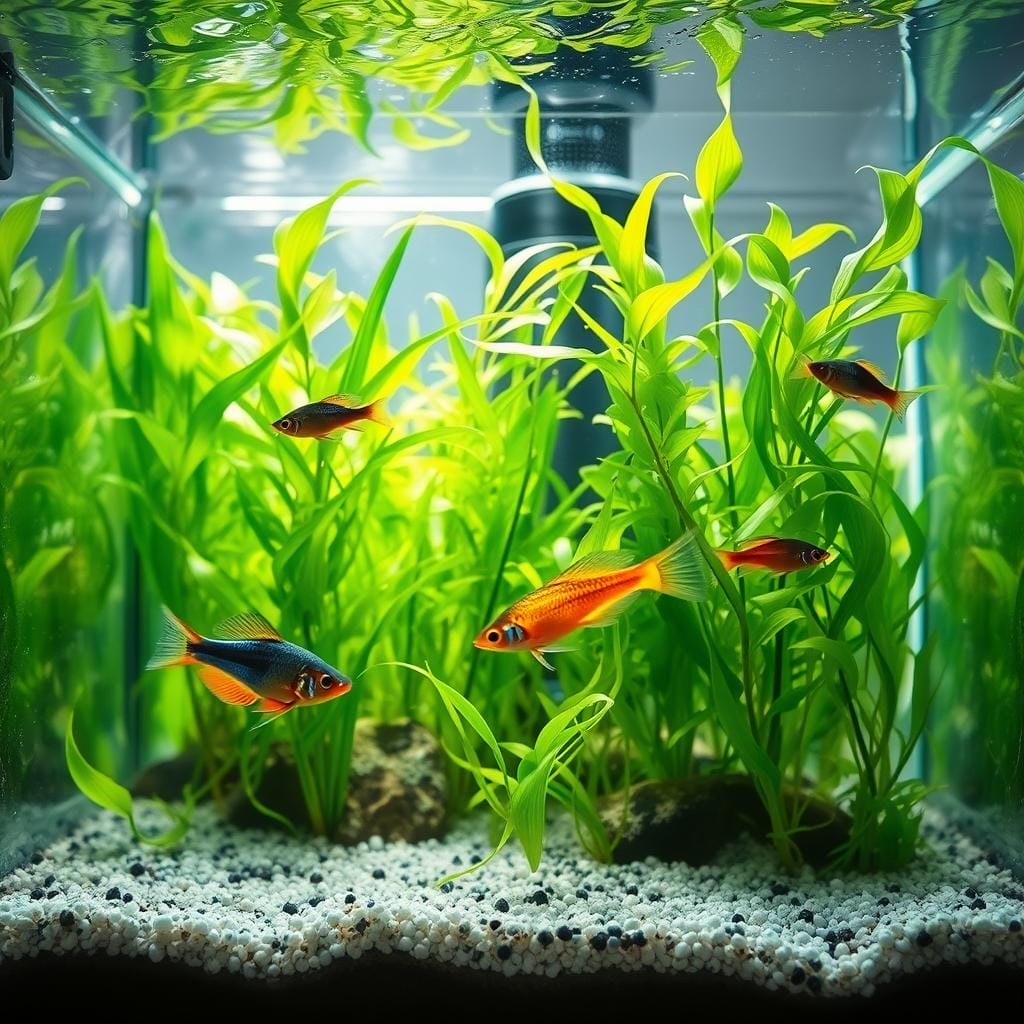
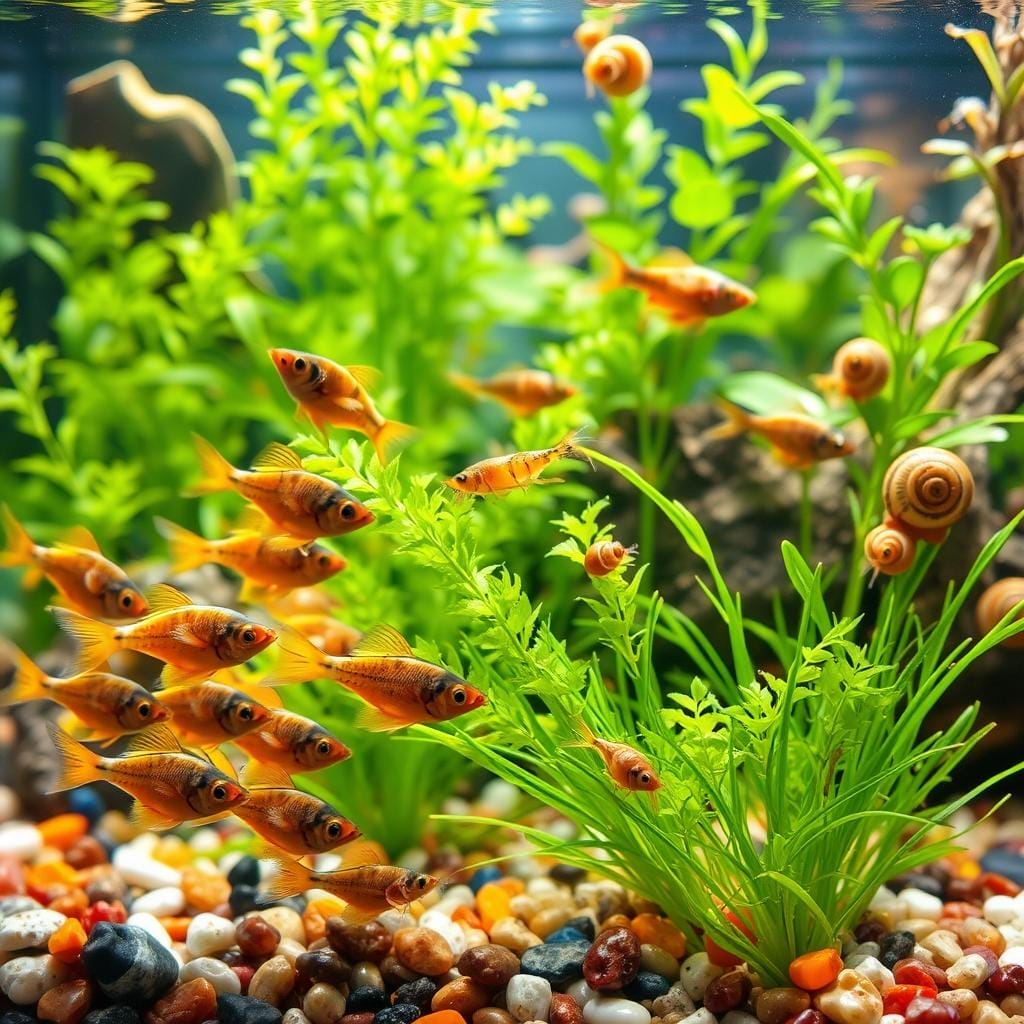
Platies surprise many owners with their constant foraging appetite. These colorful fish diligently pick at substrate and decorations, searching for food particles and various algae types.
Corydoras catfish work like tiny vacuum cleaners across your tank bottom. Their peaceful nature and thorough substrate searching make them beloved scavengers.
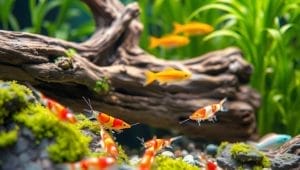
Complementary Invertebrates
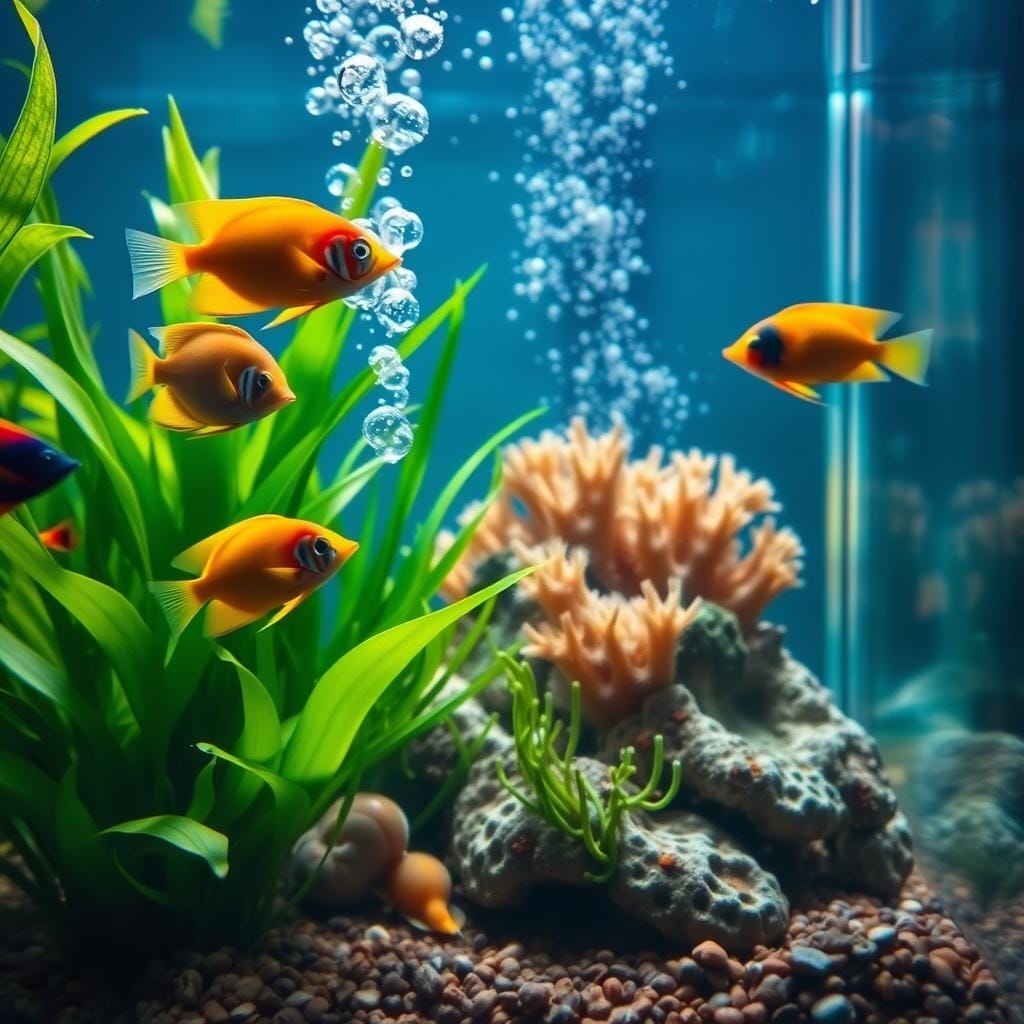
Nerite snails rank among the most reliable invertebrates for surface cleaning. These small workers consume algae film without reproducing in freshwater environments.
Various snails species offer comprehensive waste breakdown services. They process organic matter continuously, helping maintain water quality.
For specialized crevice cleaning, shrimp species like amanos reach into spaces other cleaners cannot access. Their tiny legs allow them to retrieve trapped food particles effectively.
Proper care ensures your snail species thrive while contributing to tank cleanliness. Each creature’s unique abilities combine to create a comprehensive maintenance team.
Integrating Cleanup Crew Fish with Other Aquarium Inhabitants
The true magic happens when your various aquatic residents work together in perfect balance. Creating this harmony requires careful planning and proper introduction timing.
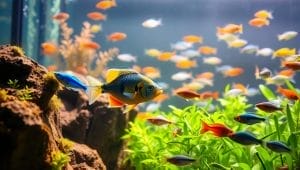
Begin with an established aquarium where beneficial bacteria are actively processing waste. This ensures your new additions have adequate natural food sources to thrive. Patience during this phase pays off with healthier, more active members.
Mixing Fish, Invertebrates, and Plant Life Together
Follow the proper order when adding inhabitants to your tank. Establish your main community first and allow time for the system to stabilize. Then gradually introduce your maintenance team when some algae growth appears.
Provide diverse habitat elements like live plants, rocks, and driftwood. These create essential hiding spots and grazing surfaces. Your maintenance members will appreciate these safe spaces.
Observe interactions carefully during integration. Ensure existing inhabitants aren’t harassing new additions. Peaceful species like corydoras and snails typically mix well with most community tanks.
Live plants and your maintenance team form a powerful partnership. Plants absorb nutrients from waste while your helpers keep leaves clean. This natural cycle creates a healthier environment for everyone.
Remember that proper care includes maintaining excellent water quality through regular testing. Provide appropriate nutrition for all inhabitants. The team at Real Aquatics emphasizes that each species has specific dietary needs worth considering.
Strategies for Maintaining Water Quality and a Healthy Tank Environment
Keeping your aquatic environment sparkling requires a smart maintenance plan that works with your natural helpers. Your dedicated members are fantastic assistants, but they thrive best with your consistent support.
A balanced approach ensures everyone stays healthy and your water parameters remain stable. Let’s explore how to create a sustainable routine.
Routine Maintenance and Feeding Schedules
Your hardworking team cannot live on scraps alone. They need targeted nutrition like sinking wafers and blanched vegetables to stay strong. This supplemental feeding is crucial for their health and effectiveness.
Establish a regular schedule for water changes and filter care. These tasks are essential for removing waste that even the best workers can’t process. Gentle substrate vacuuming during water changes is particularly important.
Watch your snails and shrimp closely. Healthy snails have smooth shells, and active, colorful shrimp indicate they are well-fed. This observation helps you know if they have enough natural food sources.
For more detailed guidance on establishing a successful routine, our guide on how to maintain your freshwater tank offers valuable insights.
Adjusting Crew Members as Your Aquarium Grows
As your aquarium matures, its needs will change. You might notice new algae types appearing on different surfaces. This is a normal sign of a developing ecosystem.
If your fish population grows, you may need more bottom-feeders to handle the increased waste. Start with small numbers when adding new members to ensure there is enough food for everyone.
Your live plants are powerful allies. Healthy plants compete with algae for nutrients, reducing the overall cleaning burden. A well-planted tank often needs fewer dedicated algae eaters.
Remember, it’s perfectly normal to adjust your team over time. This flexibility is key to creating a truly thriving underwater world that evolves beautifully with your care.
Final Reflections on Building a Thriving Underwater Community
You now have a wonderful foundation for creating a balanced, beautiful freshwater home. Your journey toward a naturally maintained aquarium is just beginning.
Remember, the most successful setups combine different species. Think of snails on the glass, shrimp in the plants, and bottom-dwellers in the substrate. Each plays a unique role.
Your selection is an ongoing process of learning. You are becoming the true expert on your own tank. Observing their behavior is part of the joy.
For advanced inspiration on balancing plants and inhabitants, see this detailed aquarium showcase.
Thank you for using this guide. With thoughtful care, your aquatic world will thrive, providing endless fascination. Enjoy every moment.
FAQ
What exactly is an aquarium cleanup crew?
An aquarium cleanup crew is a carefully selected group of animals that help maintain your tank. These species, like certain snails and shrimp, naturally consume leftover food, algae, and other debris. They work to keep the habitat clean, which supports better water quality for all your inhabitants.
Can I just rely on a cleanup crew instead of doing water changes?
No, a crew is a helpful addition but not a replacement for your maintenance. Regular water changes are essential for removing dissolved waste that animals can’t consume. Your crew handles solid waste and algae, while you manage the overall chemical balance of the water.
How do I choose the right members for my specific tank?
Start by considering your tank’s size, the types of algae present, and your current water parameters. For example, nerite snails are excellent algae eaters for many freshwater setups. It’s also vital to ensure their needs for habitat and food align with your aquarium’s conditions.
Will these animals bother my other fish or plants?
Most popular cleanup species are peaceful. Invertebrates like shrimp and snails typically ignore other tank mates and healthy plants. Always research behavior before adding new members to ensure they are compatible with your existing community.
Do I need to feed my cleanup crew, or do they live solely on waste?
You will likely need to supplement their diet. In a well-maintained tank, natural food sources can be limited. Offering specific foods, like algae wafers for bottom feeders, ensures all your animals receive proper nutrition and stay healthy.
Hi, I'm Millie a passionate fish enthusiast and blogger. I loves learning about all kinds of aquatic creatures, from tropical fish to stingrays.