
Clear Solutions for Cloudy Water in Your Aquarium
 Millie Douglas
Updated on: December 1, 2025 .
9 min read
Millie Douglas
Updated on: December 1, 2025 .
9 min read

Have you ever peered into your tank, expecting a crystal-clear view of your fish, only to find a hazy, murky scene that makes your heart sink? This is one of the most common problems aquarium owners face at home.
That murky appearance can feel overwhelming. You work hard to maintain your tank, so seeing poor water quality is frustrating. The good news is you are not alone, and this issue is almost always fixable.
Understanding the cause is your first step toward a clear tank. This guide walks you through everything in simple, easy-to-follow terms. We will provide practical solutions that tackle the root causes.
Your fish rely on you for a healthy environment. By learning to handle this situation, you become a more confident and capable keeper. Let’s get your aquarium back to its sparkling glory.
Understanding Cloudy Water in Your Aquarium
That milky haze in your tank isn’t just an eyesore—it’s your aquarium trying to tell you something important. Different types of cloudiness point to different underlying causes that need specific approaches.
Common Causes and Contributing Factors
Several factors can create that hazy look. Bacterial blooms often occur in new setups as beneficial microorganisms establish themselves. This natural process usually clears on its own.
Tiny air particles sometimes get trapped during water changes. These harmless bubbles create temporary milkiness that disappears quickly. Overfeeding introduces excess waste that feeds bacteria and clouds your environment.
Suspended sediment from new decorations or substrate can also cause persistent cloudiness. Chemical imbalances with minerals like calcium may contribute to longer-lasting issues.
Impact on Aquarium Health and Inhabitants
While some cloudiness is mostly cosmetic, prolonged haze often signals deeper problems. Your fish may show stress through reduced appetite or lethargic behavior.
Poor conditions can lower oxygen levels and allow harmful contaminants to accumulate. Understanding these impacts helps you respond appropriately to protect your aquatic friends.
Effective Cloudy Water Solutions
The journey to clear aquarium conditions starts with becoming a detective in your own aquatic environment. You don’t need special training—just careful observation and a methodical approach to identify what’s happening.
Identifying Issues: Air Bubbles, Sediments, and Chemicals
Begin with a simple waiting test. Fill a clear glass with tank liquid and let it sit for five minutes. If the haze rises and disappears, you’re dealing with harmless air bubbles that resolve naturally.
When cloudiness persists, look closely at what you see. Tiny floating particles suggest sediment issues. A white or green tint often indicates biological causes. Chemical imbalances typically appear after treatments or parameter changes.
Step-by-Step Guide to Troubleshooting Cloudiness
Start by asking what changed recently. New tank setups, added fish, or missed maintenance can trigger these situations. Your recent activities provide the biggest clues.
Address one potential cause at a time. Making multiple changes simultaneously can worsen the issue. Some situations, like new tank syndrome, simply require patience as your aquarium establishes natural balance.
Remember that proper identification saves you time and effort. You’ll address the actual problem rather than trying random fixes. Your careful detective work leads to the right solution for your specific circumstance.
Testing and Monitoring Your Aquarium’s Water Quality
Regular monitoring transforms aquarium care from guesswork into confident, informed decision-making. You gain concrete information about what’s happening in your tank, empowering you to take the right actions.
DIY Water Testing Techniques and Tools
Invest in a reliable test kit to monitor essential parameters. Liquid kits offer accuracy while strips provide convenience. Both help you track the nitrogen cycle trio: ammonia, nitrite, and nitrate.
Check pH level and hardness regularly. Imbalances in these areas can create serious health problems for your fish. Testing reveals invisible contaminants that affect overall water quality.
Establish a weekly testing routine. Increase frequency when addressing specific issues. Tracking changes over time helps you spot trends before they escalate.
Record your results in a simple notebook or app. This creates a water quality diary that reveals patterns. You might notice ammonia spikes after feeding a certain amount, guiding your adjustments.
Understanding results is crucial. Ammonia and nitrite should read zero in established tanks. Nitrates stay below 20-40 ppm. If levels rise, don’t panic—you now have information for the right treatment. For persistent issues, consider a quality water clarifier as part of your solution.
Regular testing prevents future contaminant buildup. It maintains consistent conditions that keep your aquarium clear and your fish thriving.
Optimizing Filtration and Water Treatment Systems
Your filtration system works tirelessly behind the scenes, serving as the unsung hero that maintains your aquarium’s pristine condition. When optimized correctly, this essential system provides comprehensive water treatment that keeps your environment healthy and visually appealing.
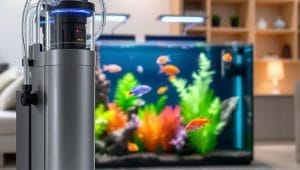
Selecting the Right Filtration Equipment
Choosing appropriate filtration equipment begins with understanding your tank’s specific needs. Look for a unit rated for slightly larger than your aquarium size—this extra capacity ensures your water clean efforts remain effective even as your fish population grows.
Your filter should operate continuously to maintain biological balance. Beneficial bacteria require constant oxygen flow, and any interruption can disrupt your water treatment process. Proper positioning creates gentle surface movement that circulates liquid throughout the entire tank.
Maintenance Practices for Clear, Safe Water
Regular maintenance prevents buildup and maintains clear water conditions. Rinse mechanical media weekly using removed tank liquid to preserve beneficial bacteria. Replace chemical filtration monthly for optimal treatment effectiveness.
Inspect your entire filtration system regularly for reduced flow or unusual sounds. Addressing minor issues promptly prevents major problems that could compromise your ability to maintain water clean standards. For persistent challenges, consider a specialized filtration solution alongside proper aquarium health practices.
Position output flow to create adequate surface agitation without disturbing your fish. This promotes gas exchange and prevents debris accumulation. Consistent care combined with proper equipment selection creates an environment where your filtration works efficiently to prevent buildup and maintain water clear conditions.
Prevention: Long-Term Strategies to Prevent Cloudy Water
Building consistent habits creates a protective shield around your aquatic environment. Prevention saves you time, money, and stress compared to fixing issues after they appear. Your tank stays beautiful when you establish routines that become second nature.
Regular Cleaning and Chemical Balance
Set a weekly schedule for partial changes and substrate vacuuming. This removes waste before it can cloud your environment. Consistent cleaning prevents the problems that lead to persistent haze.
Monitor your chemical levels carefully. Test for ammonia, nitrite, and nitrate weekly. Keep pH stable and use conditioners to remove chlorine from tap water. Gradual adjustments work better than sudden changes.
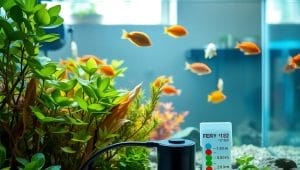
Watch your feeding amounts closely. Fish should consume everything within minutes. Overfeeding introduces excess nutrients that feed bacteria and compromise water safe conditions.
Notice early warning signs like slight haziness or reduced fish activity. Catching small issues early means simple adjustments. These prevention strategies keep your aquarium clear and your fish thriving for years.
Final Thoughts on Achieving a Crystal-Clear Aquarium
As you reach the end of this guide, you now have a comprehensive toolkit for maintaining aquarium clarity. You’ve learned that achieving clear water isn’t about one magic fix. It requires understanding the root cause and applying the right approach for your specific situation.
Remember that every aquarium has unique characteristics. Your combination of fish, plants, and filtration system means solutions may need some fine-tuning. Don’t get discouraged if the first attempt doesn’t solve the problem completely.
The most successful aquarium keepers develop patience and observational skills. They respond calmly when issues arise and learn from each experience. Your commitment to water quality and proper treatment makes you a better caretaker.
Keep this knowledge handy as you continue your aquatic journey. Celebrate each success along the way. For additional guidance on specific scenarios, explore this comprehensive aquarium troubleshooting resource.
Your efforts create a beautiful, healthy environment that brings joy to your home. The reward of a thriving aquarium makes every learning step worthwhile.
FAQ
Why is my aquarium water cloudy right after I set it up?
This is often called “new tank syndrome.” It’s usually a bacterial bloom as your filtration system begins to establish beneficial bacteria. This cloudiness is a normal part of the cycling process and should clear up on its own within a week. Be patient and avoid changing the water too frequently, as this can delay the cycle.
My water is green and cloudy. What does this mean?
Green cloudiness typically points to an algae bloom. This happens when there’s too much light or an excess of nutrients like phosphates and nitrates in your tank. To fix it, reduce the amount of time your aquarium lights are on, avoid overfeeding your fish, and consider using a phosphate remover in your filter.
How can I tell if the cloudiness is from air bubbles or something else?
Air bubble cloudiness looks milky white and will usually clear from the top down within a few hours. If the haze is caused by particles or a bacterial bloom, it will persist and often have a more yellowish or gray tint. A simple test is to fill a glass and let it sit; if it clears quickly, the issue is likely just tiny air bubbles from your filter or water source.
What is the fastest way to clear up a cloudy fish tank?
The quickest solution is often a combination of steps. First, check and clean your filter media in tank water (not tap water) to preserve beneficial bacteria. Then, perform a partial water change of about 25%. You can also add a water clarifier, which clumps tiny particles together so your filter can remove them more easily. Always address the root cause, like overfeeding, for a long-term fix.
Can cloudy water harm my fish or other aquarium inhabitants?
The cloudiness itself is usually not directly harmful. However, the underlying cause can be. A bacterial bloom can consume oxygen, potentially stressing your fish. Green water algae blooms can cause wide swings in pH and oxygen levels overnight. It’s best to treat the issue promptly to maintain a stable and healthy environment for your pets.
How often should I test my water quality to prevent problems?
For a new aquarium, test your water parameters (ammonia, nitrite, nitrate, pH) every other day during the first few weeks. Once your tank is established and stable, testing once a week is a good practice. Regular testing helps you catch imbalances early, before they lead to visible issues like cloudiness or affect the health of your fish.
algae bloom preventionaquarium water clarityaquarium water treatmentclear water techniquescloudy water solutionsfish tank maintenance tipswater quality in aquarium
Hi, I'm Millie a passionate fish enthusiast and blogger. I loves learning about all kinds of aquatic creatures, from tropical fish to stingrays.