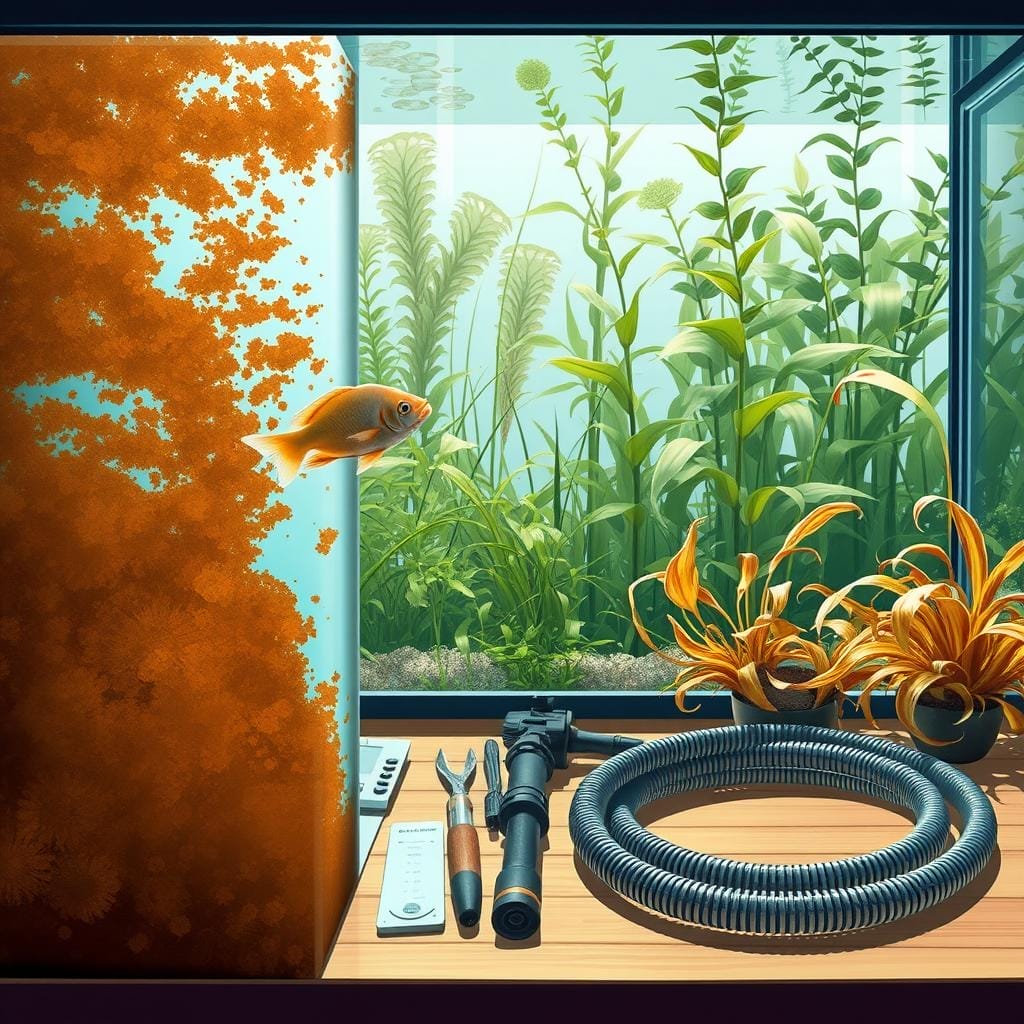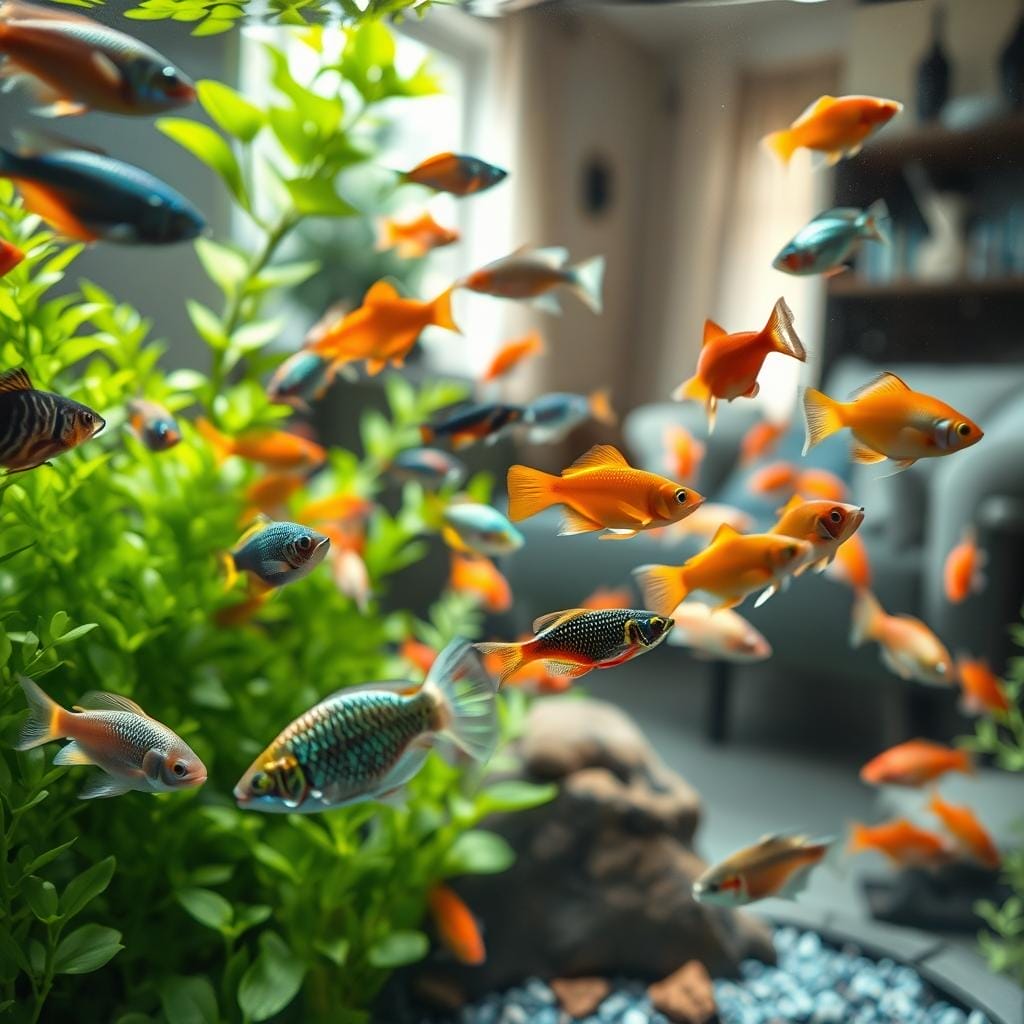

Cold Water Aquariums: Tips for a Healthy Ecosystem
 Millie Douglas
Updated on: July 16, 2025 .
10 min read
Millie Douglas
Updated on: July 16, 2025 .
10 min read

Did you know 40% of aquarium fish species thrive in unheated environments? While tropical tanks dominate pet stores, cooler aquatic habitats offer unique opportunities to create stunning underwater worlds. These setups let you work with nature rather than against it, revealing behaviors and interactions rarely seen in heated systems.
Goldfish might be the poster child for room-temperature tanks, but they’re just the beginning. Species like rainbow shiners and white cloud mountain minnows dazzle with vibrant colors while preferring temperatures between 50-65°F. You’ll save energy costs and simplify maintenance by eliminating heaters – a win for your wallet and schedule.
Cooler environments slow biological processes, creating stable conditions that reduce algae growth. This natural balance means fewer water changes and less equipment fuss. Your fish will display their most authentic behaviors in temperatures matching their native habitats.
We’ll show you how to build a thriving ecosystem where every element works together. From selecting compatible species to maintaining crystal-clear water, you’ll gain the knowledge to create a living masterpiece. Ready to explore this refreshing approach to fishkeeping?
Understanding the Fundamentals of Cold Water Aquariums
What keeps your tank’s ecosystem balanced without heaters? Two factors matter most: temperature range and pH levels. Most setups thrive between 50-65°F, but species like White Cloud Mountain Minnows surprise us – they flourish in waters as chilly as 40°F or as warm as 72°F. This flexibility lets you match conditions to your fish’s natural habitat.
Why Temperature Flexibility Matters
Your fish’s needs determine the ideal range. Goldfish enjoy 65°F, while zebra danios prefer 64-75°F. Test your tap water’s pH – many species thrive between 6.5-8.0. Stable conditions prevent stress, letting colors shine and energy levels stay high.
Biological Filtration in Cooler Environments
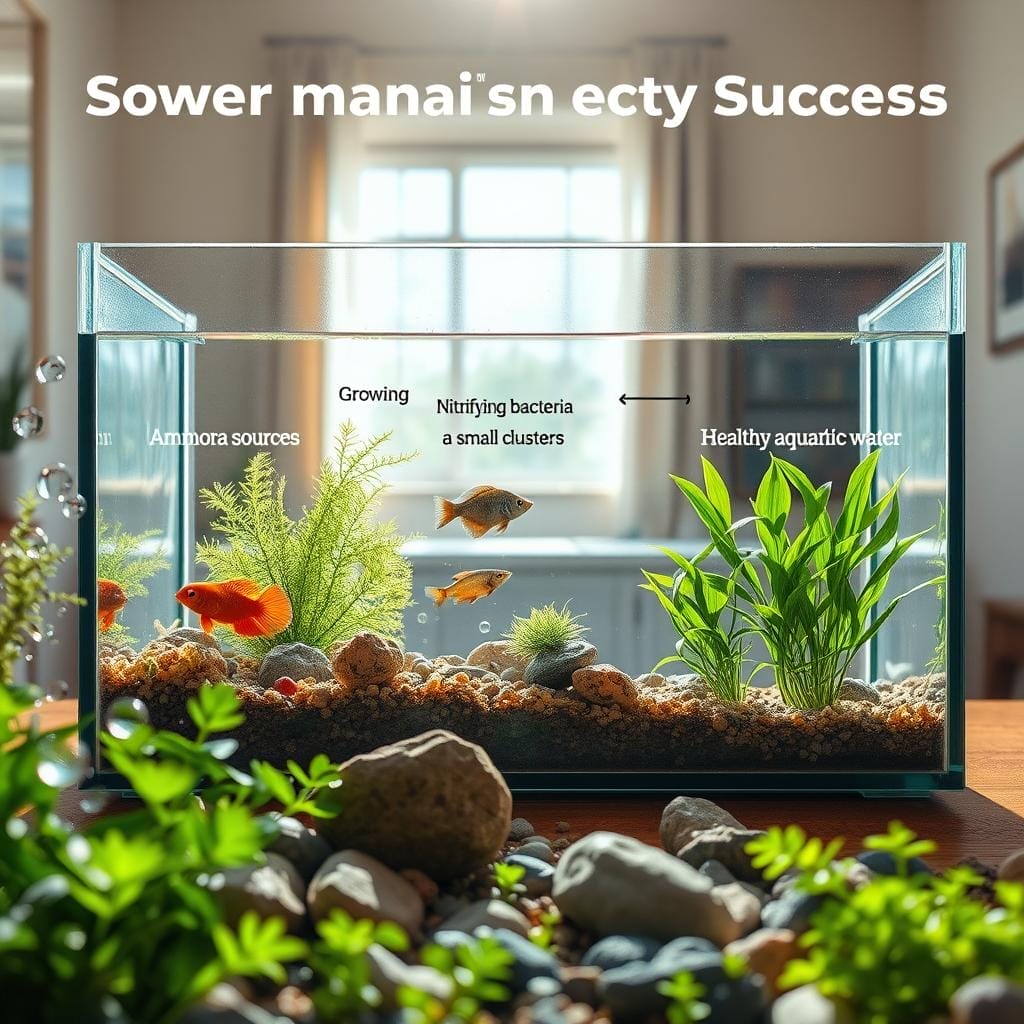
Cooler temperatures slow nature’s cleanup crew. Beneficial bacteria convert waste 50% slower at 60°F versus tropical tanks. This means:
- Ammonia builds up faster
- Nitrite spikes last longer
- Weekly water changes become essential
Boost filtration with sponge filters and activated carbon. Test water weekly during the first month. Your patience pays off as bacteria colonies adapt to the cooler pace.
Choosing the Best Coldwater Fish for Your Tank
Building a thriving aquatic environment starts with selecting species that match your setup’s conditions. You’ll want resilient swimmers that complement each other’s needs while adding visual excitement to your space. Let’s explore standout options that bring both beauty and adaptability to cooler habitats.
Popular Species: Goldfish Alternatives Shine
White cloud mountain minnows outshine goldfish in versatility, thriving in tanks as small as 10 gallons. These silver-blue darters with fiery tails handle temperature swings from 40°F to 72°F, making them ideal for seasonal setups. For nano environments, celestial pearl danios add striking contrast – imagine quarter-sized fish resembling brook trout with ruby-red fins.
Sunset variatus platys burst with orange and yellow hues while tolerating pH levels above 7.0. Rainbow shiners demand more patience but reward you with iridescent purple scales after 12 months of growth. Endler’s livebearers offer constant activity, their metallic bodies flashing through plants as they adapt to various water conditions.
Balancing Aggression and Compatibility
Size differences cause most conflicts. Keep slow growers like rainbow shiners (3.5 inches) separate from tiny danios. Shy species need hiding spots – add java moss or rock caves for celestial pearls. Group sunset platys with other peaceful livebearers for harmonious communities.
Test these combinations:
- White clouds + zebra danios: High-energy surface swimmers
- Endler’s + platys: Colorful mid-water explorers
- Celestial pearls + pygmy corydoras: Bottom-dwelling duos
Remember: Tropical fish like guppies survive in cooler tanks but show reduced breeding. Match species with similar temperature and pH preferences for best results.
Optimizing cold water aquariums: Setup and Equipment
Creating the perfect environment for your aquatic friends starts with smart equipment choices. The right tools maintain balance while letting natural behaviors shine through. Let’s explore how to match your setup to your swimmers’ needs.
Tank Selection, Filtration, and Lighting Essentials
Size matters when housing different species. Nano tanks (5-10 gallons) work beautifully for celestial pearl danios, while dojo loaches demand 29+ gallons to stretch their 12-inch bodies. Always check adult sizes – that cute 2-inch barb might triple in length!
Filtration becomes your best ally in cooler environments. Combine mechanical sponges with chemical media like activated carbon to handle waste efficiently. Since beneficial bacteria work slower here, aim for filters rated 1.5x your tank’s volume. A 20-gallon setup? Choose a 30-gallon capacity filter.
- Position powerheads to create gentle currents
- Use LED lights with adjustable color temperatures
- Add smooth river rocks for natural grazing surfaces
Lighting enhances both aesthetics and health. Install full-spectrum LEDs above planted areas to boost plant growth without overheating the space. Rosy barbs glow under warm-toned lights, while white clouds sparkle with cool blue accents.
Remember: Comet goldfish need 75+ gallons – better suited for ponds than living rooms. Pair equipment choices with your fish’s natural rhythms, and you’ll create a thriving underwater world that practically cares for itself.
Creating a Healthy Ecosystem Without a Heater
Imagine maintaining a vibrant aquatic world that aligns with your home’s natural rhythms. Many species flourish at room temperature, eliminating the need for artificial heating systems. This approach simplifies care while letting fish exhibit their most authentic behaviors in stable conditions.
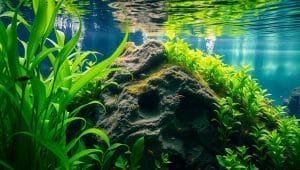
Natural Filtration Methods and Water Change Routines
Without heaters, biological filtration works differently. Beneficial bacteria colonies thrive in porous substrates and sponge filters, breaking down waste naturally. Pair this with weekly 25% water changes – your key strategy for maintaining pristine conditions. Test parameters regularly to catch ammonia spikes early.
Rainbow shiners exemplify this balance, thriving in 60-70°F ranges found in most homes. Japanese ricefish take adaptability further, surviving extreme temperatures from near-freezing to tropical levels. Your maintenance routine becomes predictable: consistent partial changes replace erratic heater adjustments.
Benefits of a Heater-Free Environment
Ditch the anxiety of malfunctioning equipment. Room temperature stability reduces stress for species like mosquitofish, which handle 33-104°F swings. You’ll save $50+ annually on electricity while creating a self-sustaining ecosystem that mirrors natural habitats.
Observe increased activity levels as fish follow seasonal patterns. Breeding behaviors often intensify without artificial temperature control. Your tank becomes a low-maintenance showcase of nature’s resilience, where every element supports long-term health.
Incorporating Aquascaping and Live Plant Strategies
Transform your tank into a living canvas using strategic plant placement. Aquatic greenery does more than beautify – it creates functional spaces where fish thrive. Let’s explore how to balance aesthetics with ecosystem support.
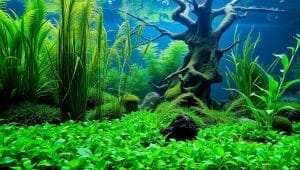
Enhancing Visual Appeal and Oxygenation
Celestial pearl danios steal the spotlight in planted setups. Their golden speckles and fiery fins pop against java fern backgrounds. Pair these tiny stars with moss-covered driftwood for natural contrast.
Choose hardy species like anubias or hornwort that flourish in cooler temperatures. These oxygen powerhouses work overtime:
- Convert CO₂ into breathable air during daylight
- Absorb excess nitrates from fish waste
- Provide shaded areas for shy swimmers
Endler’s livebearers multiply rapidly in dense plant cover. Create nursery zones using floating plants like duckweed. For algae control, add cherry shrimp – they’ll graze surfaces while adding movement to your cold-water aquarium fish community.
Design open swimming lanes between plant clusters. Schooling species like white cloud minnows need horizontal space to dart while feeling secure. Rotate trimmings weekly to maintain shape and encourage new growth. Your tank becomes a dynamic ecosystem where beauty meets purpose.
Managing Temperature and Filtration Dynamics
Your tank’s invisible workforce operates at nature’s pace. Beneficial bacteria become sluggish heroes in cooler environments, converting ammonia 50% slower than in heated systems. This creates unique maintenance challenges that demand smart solutions.
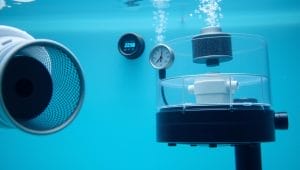
Understanding Temperature Effects on Nitrification
At 60°F, biological filtration crawls compared to tropical setups. Your filter media needs twice the surface area to house enough bacteria colonies. Test ammonia levels every 3 days during the first month – early detection prevents fish stress.
Tips for Efficient Mechanical and Chemical Filtration
Layer your defense system like a pro. Start with coarse sponge pads that trap debris, then add activated carbon to remove dissolved toxins. Finish with zeolite media to capture excess nutrients. Rotate filter components monthly for peak performance.
Powerful water circulation prevents dead zones where waste accumulates. Position spray bars horizontally to create gentle flow across all tank levels. Pair this strategy with weekly 20% water changes – your best insurance against invisible threats.
Watch for these warning signs:
- Cloudy water despite regular maintenance
- Fish gasping at the surface
- Sudden algae blooms
When issues arise, boost mechanical filtration first. Add a secondary sponge filter or increase water change frequency. Your adaptable approach keeps the ecosystem thriving through seasonal temperature shifts.
Exploring Unique Fish Species for Coldwater Tanks
Dive into the world of extraordinary swimmers that thrive in room-temperature environments. Two standout species offer contrasting personalities and care requirements, proving cooler habitats can host remarkable aquatic life.
Celestial Pearl Danio: Tiny Jewels With Big Personality
These quarter-sized marvels sparkle like constellations in planted setups. Males dazzle with ruby-red fins and metallic spots during their circular courtship dances. Keep groups of six or more to help these shy fish feel secure – you’ll witness more natural behaviors as they explore java moss-covered landscapes.
Dojo Loach: The Gentle Giant
Reaching up to 12 inches, these whiskered scavengers turn substrate maintenance into entertainment. Watch them burrow through sand or play “follow the leader” with tank mates. Their peaceful nature makes them ideal companions for coldwater fish species like goldfish, thriving in temperatures as low as 50°F.
Both species demonstrate how diverse cooler environments can be. The celestial pearl danio’s pH tolerance (6.8-8.0) allows flexibility, while dojo loaches’ temperature resilience simplifies seasonal care. Pair these unique creatures with proper filtration and watch your tank come alive with unexpected interactions.
FAQ
What temperature range works best for coldwater fish?
Most species thrive between 60–72°F (15–22°C). Goldfish and white cloud mountain minnows adapt well to room temperatures, while rainbow shiners prefer cooler ranges. Always research your fish’s needs before setting up.
Can goldfish live with other species in a tank?
Goldfish are social but grow large and produce significant waste. Pair them with similarly sized, peaceful tankmates like dojo loaches. Avoid small or delicate fish that might compete for food.
Do I need special equipment for a heater-free setup?
Focus on robust filtration and stable room temps. Hang-on-back filters work well, and LED lights support live plants. Test water parameters weekly to ensure ammonia and nitrite levels stay safe.
Are celestial pearl danios suitable for beginners?
Yes! These colorful, hardy fish tolerate a wide temperature range (64–74°F) and thrive in planted tanks. Their small size makes them ideal for nano setups, but keep them in groups of six or more.
How do live plants benefit unheated ecosystems?
Plants like java fern or anubias oxygenate water, absorb nitrates, and provide hiding spots. They also reduce algae growth by competing for nutrients, creating a balanced environment.
Can I use tap water for my tank?
Always treat tap water with a dechlorinator first. Chlorine harms fish gills and disrupts beneficial bacteria. Test pH and hardness to match your species’ preferences—most thrive in neutral to slightly alkaline conditions.
Why is biological filtration slower in cooler temps?
Nitrifying bacteria work less efficiently below 70°F. Use a filter rated for a larger tank size, and avoid overcleaning media to maintain colonies. Supplement with partial water changes if needed.
Are coldwater tanks cheaper to maintain than tropical setups?
Often yes—no heater reduces energy costs. However, goldfish and larger species require spacious tanks and strong filtration. Balance initial investments with long-term care needs.
What’s a common myth about coldwater ecosystems?
Many think these tanks are “set and forget.” In reality, regular maintenance—like gravel vacuuming and filter checks—is crucial. Stable conditions prevent stress and disease.
How often should I perform water changes?
Replace 15–25% weekly, depending on stocking levels. Use a siphon to remove debris, and match the new water’s temperature to avoid shocking your fish.
Aquarium EcosystemAquarium water temperatureCold water fishColdwater aquarium maintenanceColdwater aquarium setupFreshwater Fish Tank
Hi, I'm Millie a passionate fish enthusiast and blogger. I loves learning about all kinds of aquatic creatures, from tropical fish to stingrays.