
Cycling a Fish Tank: A Simple Step-by-Step Guide
 Millie Douglas
Updated on: July 16, 2025 .
8 min read
Millie Douglas
Updated on: July 16, 2025 .
8 min read
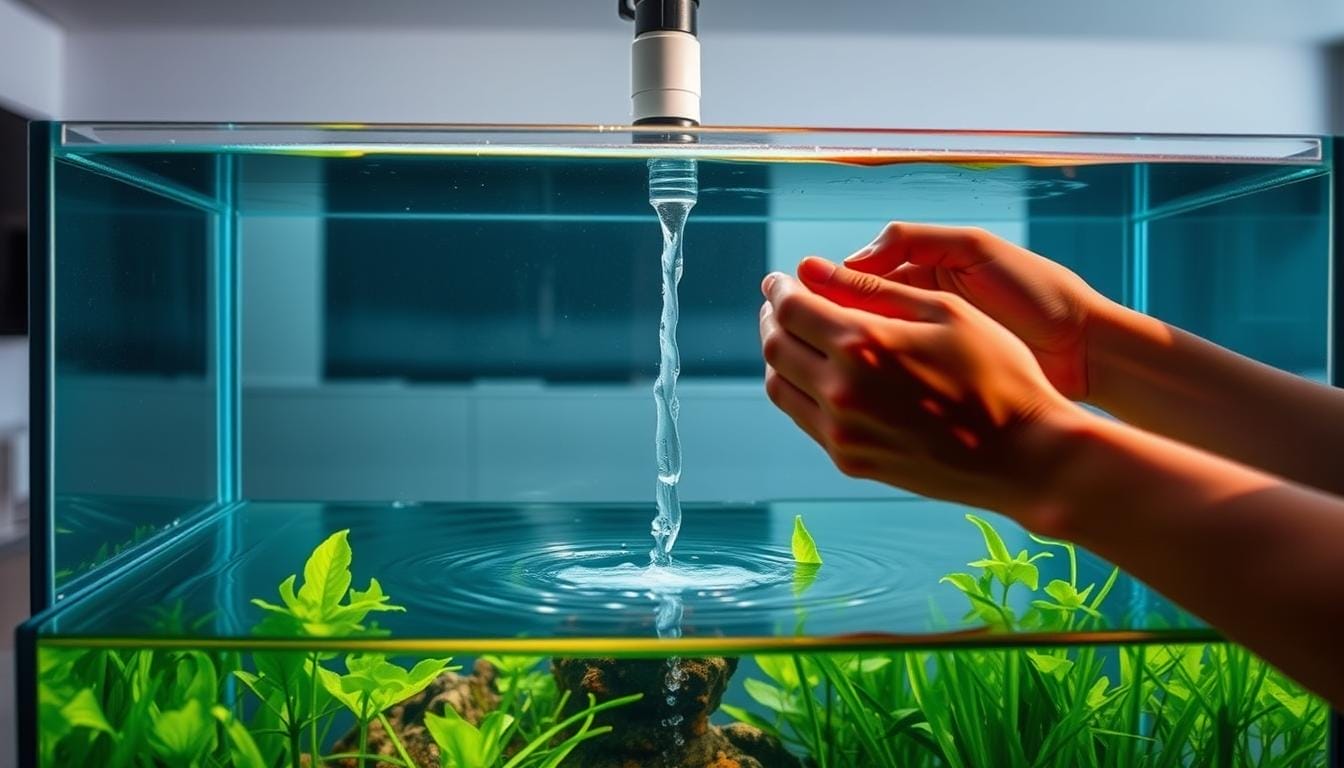
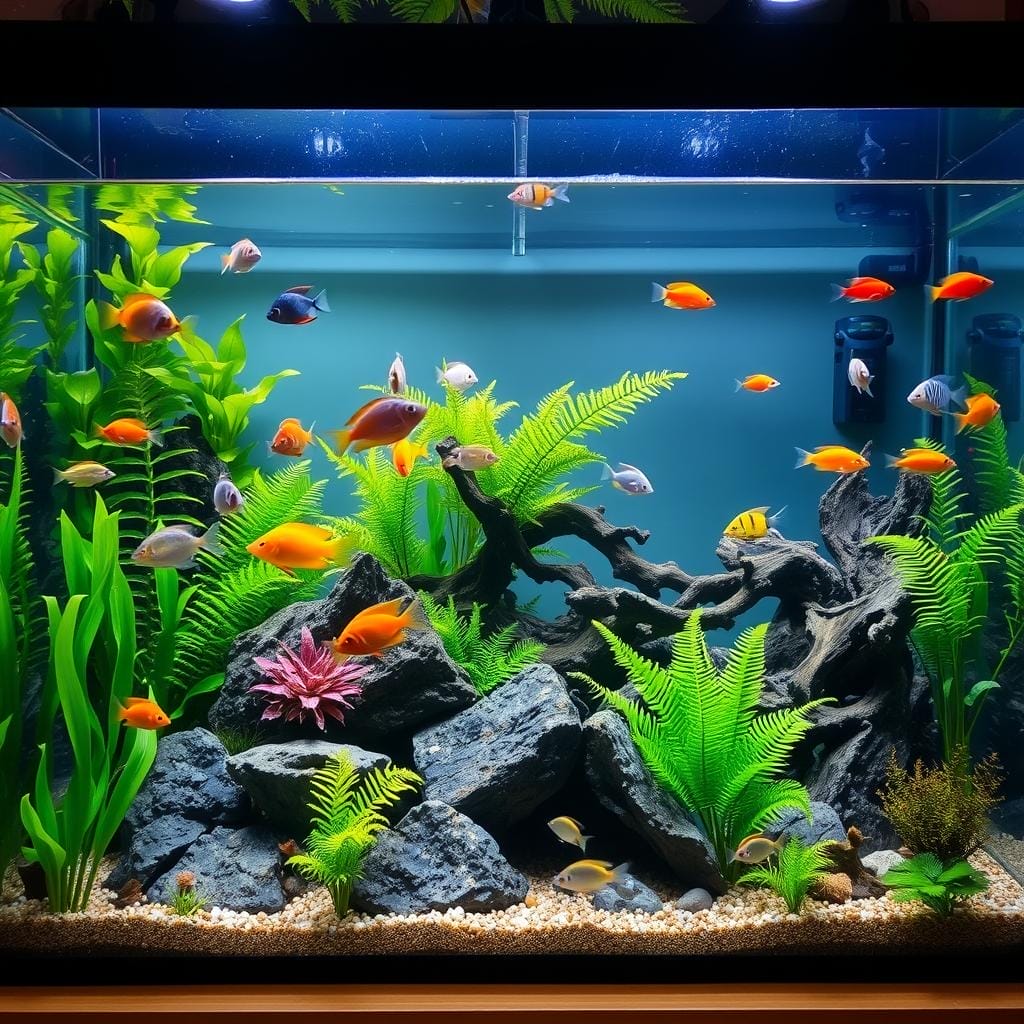
Did you know your aquarium creates an entire ecosystem before your first fish swims in? Over 60% of new aquatic enthusiasts rush this invisible transformation, unaware they’re building either a thriving paradise or a toxic trap.
This silent preparation phase – called cycling – grows microscopic heroes that protect your pets. These beneficial bacteria convert harmful substances into safer compounds, creating a stable environment through natural processes.
While the process takes 4-8 weeks, think of it as crafting a safety net for your future aquatic family. Rushing this stage often leads to heartbreak, while patience rewards you with vibrant, healthy companions.
We’ll simplify this essential journey into clear, manageable steps. You’ll learn how to test water conditions, speed up bacterial growth, and recognize when your new tank becomes a safe haven. Our methods work for any size setup, from desktop bowls to 100-gallon showpieces.
By understanding these natural rhythms, you’re not just setting up glass and water – you’re engineering life itself. Let’s create a welcoming home where your fish don’t just survive, but truly flourish.
Understanding the Nitrogen Cycle and Its Role in Aquarium Health
Your aquarium’s survival depends on an invisible workforce transforming toxic threats into manageable compounds. This natural purification system – called the nitrogen cycle – operates like a biological recycling plant, turning dangerous substances into safer forms through microbial teamwork.
The Science Behind Ammonia, Nitrite, and Nitrate
Every meal and waste particle starts a chain reaction. Ammonia emerges first from decomposing food and organic matter – it’s so potent that 0.5 ppm can stress aquatic life. Within days, specialized Nitrosomonas bacteria convert this threat into nitrite, which remains harmful but less immediately deadly.
Next, Nitrobacter microbes take over, transforming nitrite into nitrate. While safer at low levels, nitrate still requires monitoring through regular testing. This three-stage conversion forms the backbone of aquatic safety.
How Beneficial Bacteria Establish a Safe Environment
Your filter media and substrate become microbial cities housing billions of these microscopic guardians. These beneficial bacteria populations double every 7-24 hours under ideal conditions, gradually building capacity to handle waste loads.
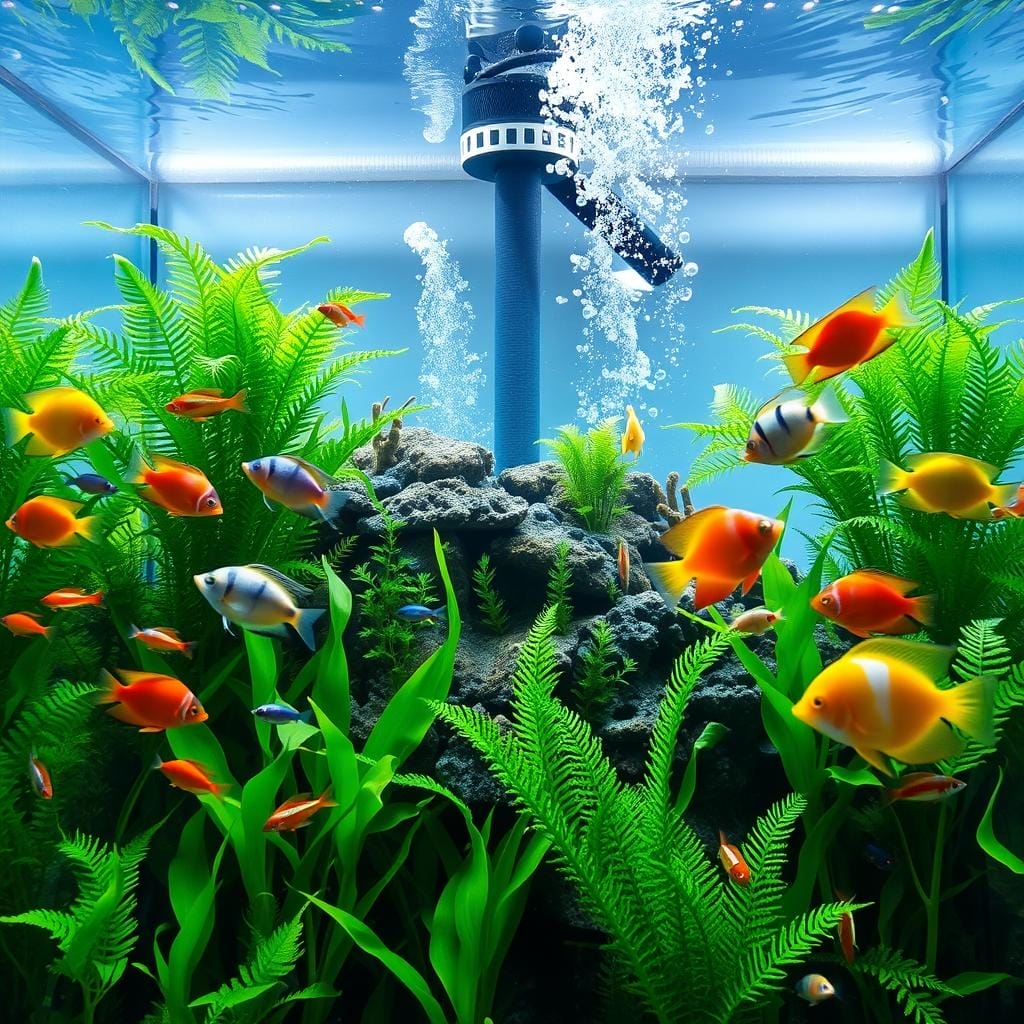
Live plants supercharge this process by absorbing ammonia and nitrates through their roots and leaves. A well-planted setup can reduce nitrate concentrations by up to 80%, creating clearer water and happier inhabitants.
For those starting their aquatic journey, our guide to cycling a new aquarium explains how to nurture these bacterial colonies effectively. Remember – patience during this phase prevents countless issues later.
Preparing Your Tank for the Cycling Process
Creating a stable aquatic environment begins with precise preparation. Imagine your setup as a living machine where every component works together to nurture microscopic life. Proper groundwork here determines how quickly beneficial bacteria establish their colonies.
Setting Up Essential Equipment and Components
Start by installing all mechanical systems. Your filter, heater, and air pumps should run continuously from day one. These devices create water movement and surface areas where bacteria thrive. Consider these non-negotiables:
- Position substrate evenly across the bottom
- Secure decorations before filling with water
- Use reverse osmosis systems for chemical-free water
Check connections twice – leaks during cycling can disrupt bacterial growth. Let equipment run for 24 hours before adding ammonia sources. This “dry run” confirms everything operates smoothly.
Testing Water Parameters and pH Levels
Your test kit becomes your eyes during this phase. Initial readings establish baseline conditions. Follow this sequence:
- Measure pH using liquid reagents (strips lack precision)
- Test tap water separately – chlorine kills bacteria
- Record ammonia/nitrite levels daily
Maintain pH between 7.0-7.8 using crushed coral or driftwood if needed. Dramatic swings stress microbial communities. Consistent monitoring helps spot issues before they escalate.
Remember: Patience now prevents panic later. Each properly installed component and accurate test result brings your aquatic habitat closer to welcoming life.
Cycling a Fish Tank: Methods and Processes
Three distinct paths lead to a balanced aquatic environment. Each approach balances speed, safety, and complexity differently – your choice shapes both your experience and your future pets’ well-being.
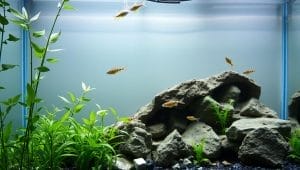
Overview of Fishless, Fish-In, and Planted Cycling Techniques
The fishless method wins praise from experts. You add ammonia manually using household items like pure ammonium chloride or decaying food. Daily testing tracks bacterial growth until nitrates appear – usually within 4-8 weeks. This approach protects delicate species from chemical spikes.
Some enthusiasts try stocking hardy species early. While zebra danios or guppies can survive initial ammonia surges, their gills often suffer permanent damage. This strategy requires twice-daily water checks and partial changes.
Live plants offer natural filtration through their root systems. Fast-growing species like hornwort absorb excess nutrients while oxygenating water. However, unpredictable growth rates mean ammonia levels might fluctuate unexpectedly.
Consider these factors when choosing:
- Your willingness to wait 6+ weeks
- Experience with water chemistry monitoring
- Access to bacterial starter cultures
New setups thrive when matching the method to your schedule and ethics. A patient approach builds resilient ecosystems where life flourishes without compromise.
Exploring Cycling Techniques: Fishless Cycling, Fish-In, and Planted Methods
Every successful aquatic habitat begins with selecting the right foundation strategy. Three proven approaches help establish your underwater world safely, each requiring different levels of involvement and offering unique benefits.
Stress-Free Startups for New Enthusiasts
The fishless method shines for those starting their first setup. You’ll simulate natural processes using household ammonia sources like decomposing food. This approach lets you:
- Monitor chemical changes without risking pet health
- Adjust ammonia levels precisely for bacterial growth
- Learn water chemistry fundamentals hands-on
Daily testing becomes your roadmap, showing when nitrifying bacteria colonies stabilize. Most systems become fish-ready within 6 weeks using this technique.
Alternative Approaches Requiring Extra Care
Stocking hardy fish early demands vigilance. Limit yourself to one small specimen per 10 gallons and feed minimally. Even robust species like zebra danios need:
- Twice-daily water parameter checks
- Immediate 25% water changes if ammonia spikes
- Specialized foods reducing waste production
Planted setups offer natural filtration through fast-growing species like hornwort. These green allies absorb toxins while creating visual appeal, though growth rates vary between plant types.
Boosting Your Biological Workforce
Jumpstart microbial colonies using these proven accelerators:
- Established filter media – transfer sponges or ceramic rings from healthy setups
- Bottled bacterial supplements – choose refrigerated brands with live cultures
- Substrate starters – powders seeding beneficial microbes into gravel/sand
Always keep borrowed media moist during transfers. Combine these boosters with consistent temperature (72-78°F) for fastest results. Your patience now builds lasting aquatic health.
Monitoring Your Aquarium: Ammonia, Nitrite, and Nitrate Levels
Mastering water chemistry transforms guesswork into confidence. Your daily observations become powerful tools for nurturing aquatic life. Let’s explore how consistent tracking builds lasting ecosystem stability.
Regular Testing With a Quality Aquarium Test Kit
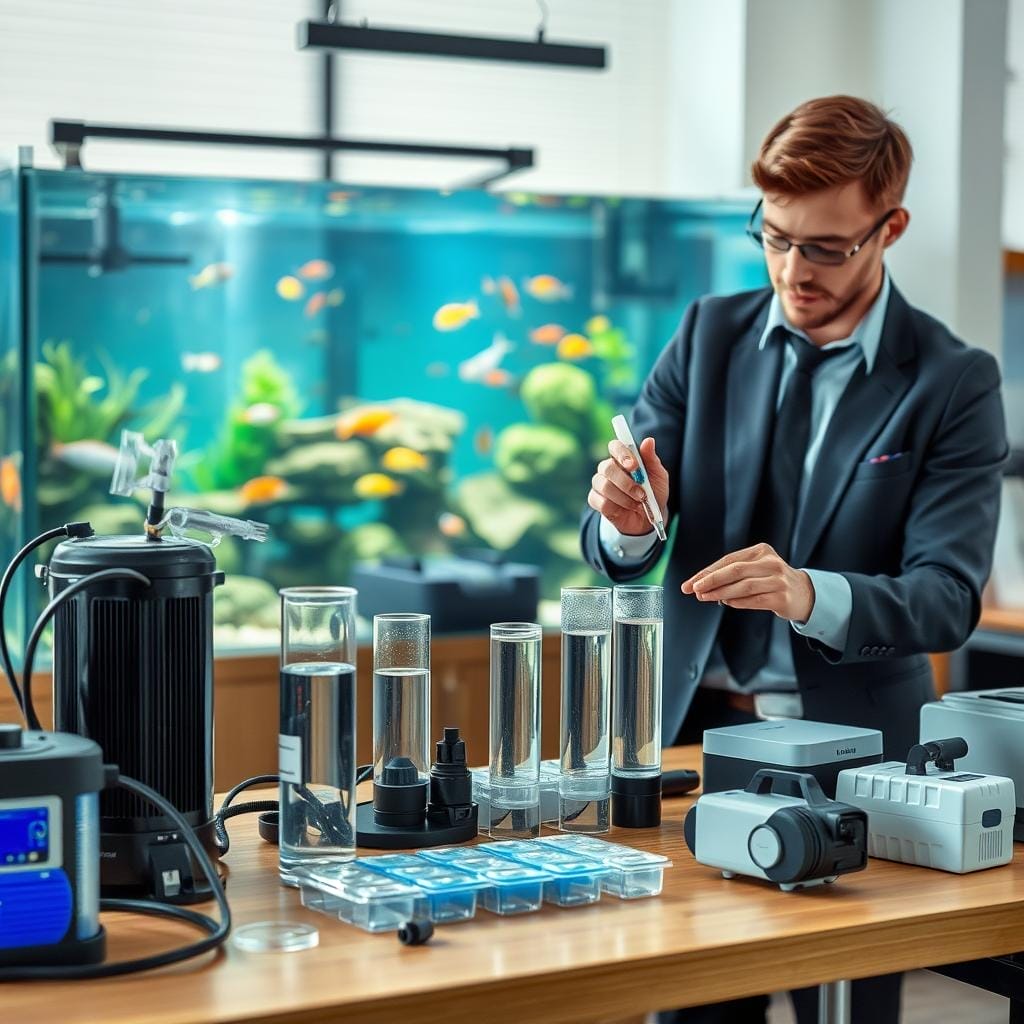
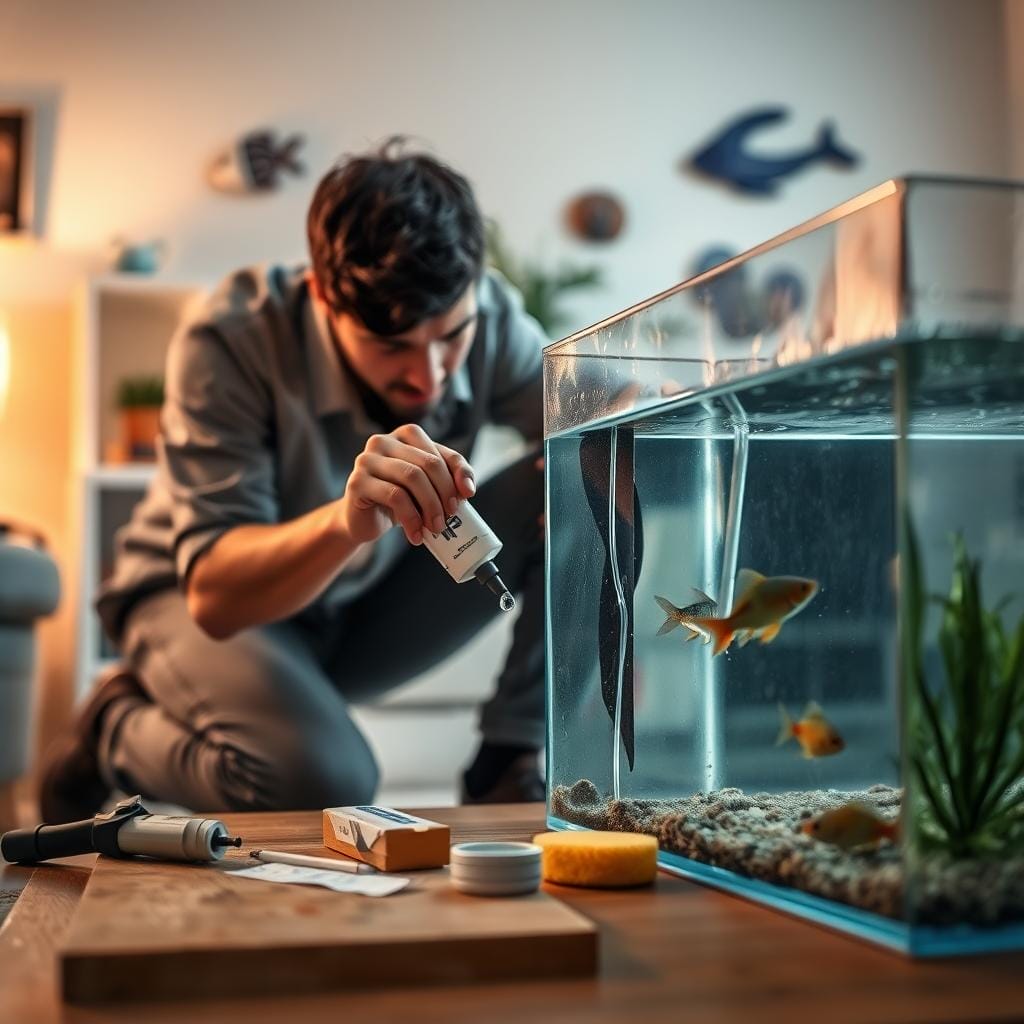
Treat your test kit like a vital sign monitor. Check ammonia and nitrite levels every 24-48 hours during setup phases. Liquid reagent kits offer precise measurements down to 0.25 ppm – crucial for spotting subtle changes.
Record results in a dedicated logbook. Patterns emerge showing your nitrogen cycle progress. Celebrate when ammonia drops below 1 ppm – your bacterial workforce is multiplying!
Guidelines for Maintaining Optimal Chemical Balance
Healthy parameters resemble this roadmap:
- Ammonia: 0 ppm after cycling (3-5 ppm during setup)
- Nitrite: Never above 0.5 ppm
- Nitrate: Keep under 40 ppm with partial water changes
When both ammonia and nitrite hit zero while nitrates rise, your ecosystem is ready. Perform a 50% water refresh before introducing inhabitants. This resets nitrate levels while preserving beneficial bacteria.
Remember – clear water doesn’t guarantee safety. Regular testing remains essential even after cycling completes. Your vigilance creates conditions where life thrives effortlessly.
FAQ
Why does my aquarium need to complete the nitrogen cycle?
The nitrogen cycle creates a balanced ecosystem by converting harmful ammonia from fish waste into safer compounds. Without it, toxic buildup can stress or harm aquatic life. Think of it as training your tank’s “immune system” to handle waste naturally.
Also Read: Tank Leaks Repair: Simple Steps to Fix Leaks
How often should I test water during the cycling process?
Test every 2-3 days using a liquid test kit like API Freshwater Master Kit. Track ammonia spikes first, then watch for rising nitrites, and finally confirm nitrates below 40 ppm. Consistent testing helps you adjust the process safely.
Can live plants speed up cycling?
Yes! Species like Java fern or Anubias absorb ammonia through their leaves, giving beneficial bacteria a head start. They also oxygenate water and reduce stress for future fish. Just ensure proper lighting and avoid plant fertilizers initially.
Is fish-in cycling ever safe?
While possible, it requires extreme diligence. Only use hardy species like zebra danios, test water twice daily, and perform 25% water changes at any ammonia/nitrite sign. Most experts recommend fishless methods with products like Seachem Stability for ethical results.
Why does my filter media matter for cycling?
Filters like sponge or ceramic rings house most nitrifying bacteria. Never replace all media at once—rinse it in tank water during changes. For faster cycles, borrow seeded media from an established tank or use bacterial starters.
How do I know when cycling is complete?
Your tank is ready when ammonia and nitrites hit 0 ppm, and nitrates rise to 5-20 ppm. This typically takes 4-6 weeks. Wait another week before adding fish to ensure stability. Patience here prevents “new tank syndrome” disasters later!
Can I use tap water directly for cycling?
Always treat tap water with a conditioner like Prime first. Chlorine kills beneficial bacteria, stalling your cycle. Test tap pH too—most freshwater fish thrive in 6.5-7.5. Adjust slowly if needed, as rapid pH swings disrupt bacterial growth.
Hi, I'm Millie a passionate fish enthusiast and blogger. I loves learning about all kinds of aquatic creatures, from tropical fish to stingrays.