
Preventing Aquarium Equipment Failures: Tips for You
 Millie Douglas
Updated on: December 1, 2025 .
8 min read
Millie Douglas
Updated on: December 1, 2025 .
8 min read
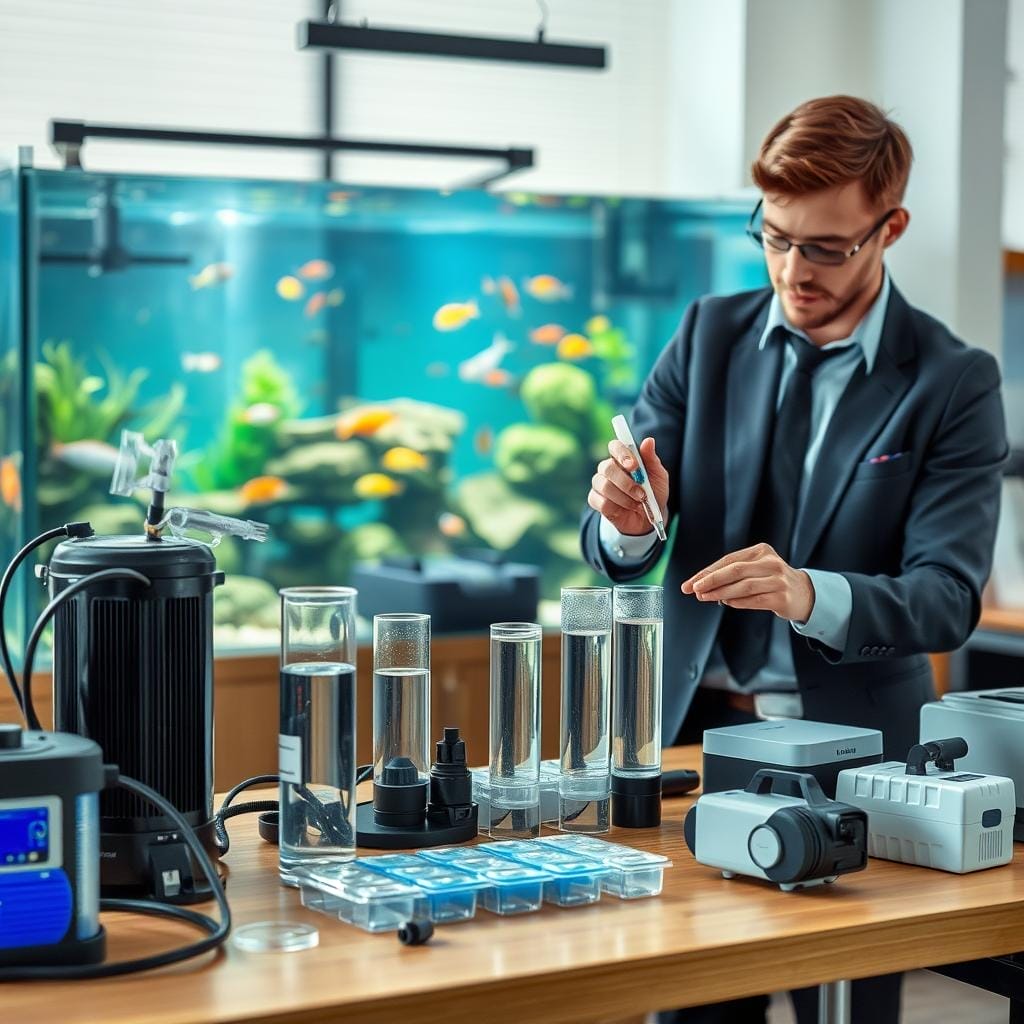
Have you ever considered that the health of your entire underwater world might depend on a simple, often-overlooked routine? Just like a complex machine, your aquarium’s life-support system needs consistent care to avoid unexpected breakdowns.
When life gets busy, it’s easy to push aside the small tasks. But skipping regular check-ups can lead to big problems. A minor failure in a filter or heater can quickly snowball, causing stressful downtime and risking the well-being of your fish. Proper aquarium fish health is directly tied to the reliability of your setup.
This guide is here to help. We’ll walk you through the common issues that hobbyists face. You’ll learn how to spot early warning signs before they become emergencies.
Our goal is to give you the confidence to maintain peak performance and ensure the safety of your aquatic friends. With a little knowledge and a simple maintenance plan, you can protect your investment and enjoy a thriving, beautiful aquarium for years to come.
Understanding Aquarium Equipment Challenges
A gradual decline in performance can be more common than a sudden stop when it comes to the vital parts of your aquarium. This loss of usefulness means a piece of machinery is still running but not doing its job well. For example, your filter might be humming along but no longer cleaning the water effectively.
Your tank’s components work non-stop in a tough environment. Constant moisture, mineral deposits, and electrical demands create harsh conditions. Over time, calcium buildup and algae can slow down normal operation.
This is why recognizing the difference between simple wear and serious issues is so important. It helps you act before small problems turn into bigger ones. Learning to spot these early signs is key to preventing common aquarium problems.
Since your aquarium’s gear doesn’t get a day off, consistent maintenance is not just helpful—it’s essential. This regular care ensures everything works as it should, keeping your aquatic friends safe and healthy around the clock.
Recognizing Common Causes of Equipment Failures
Many aquarium problems announce themselves well before they become critical, giving you time to respond. Learning to spot these early signals helps you avoid stressful emergencies and keeps your aquatic friends safe.
Mechanical and Electrical Triggers
Your aquarium’s machinery faces constant challenges from water, minerals, and continuous operation. Mechanical issues often start with unusual sounds like grinding or rattling from filters and pumps.
Electrical concerns might show as flickering lights or inconsistent power. These signs point to internal wear or connection problems that need attention.

Identifying Warning Signs in Performance
Watch for changes in how your components work. Reduced water flow from filters suggests clogs or internal damage. Temperature fluctuations indicate heater problems.
Even small water leaks around seals warn of deteriorating parts. Your system communicates through these performance changes, helping you catch issues early.
Paying attention to these signals lets you maintain consistent operation and prevent complete breakdowns. Regular observation is your best tool for keeping everything running smoothly.
Effective Preventive Maintenance for Aquarium Equipment
Creating a preventive maintenance schedule transforms aquarium care from reactive to proactive. This approach helps you catch small issues before they become big problems.
Your regular attention keeps everything running smoothly. It extends the lifespan of your components and protects your aquatic friends.
Routine Inspections and Cleaning Procedures
Start with weekly visual checks of all your components. Look for cracks, corrosion, or worn seals. Monthly cleaning removes algae and debris from critical areas.
Follow manufacturer guidelines for replacement schedules. Test operating parameters like water flow and temperature regularly. This preventive work ensures consistent performance.
Keep simple records of your maintenance tasks. Note when you clean, inspect, or replace parts. These notes help you track the condition of your system over time.
Regular maintenance protects your investment and your fish. It creates a stable environment where your aquatic life can thrive. Consistent care is the key to long-term success.
Troubleshooting and Repair Strategies
Knowing how to respond effectively when something goes wrong is just as important as regular maintenance for keeping your tank healthy. Your quick thinking can prevent minor issues from becoming major disruptions.
Diagnosing Electrical and Mechanical Issues
Start by observing your system’s behavior carefully. Unusual sounds or performance changes often point to specific problems. Listen for grinding noises or watch for inconsistent operation.
Check connections and look for visible damage. These observations help you identify whether you’re dealing with electrical or mechanical concerns. Proper diagnosis saves time and prevents further damage.
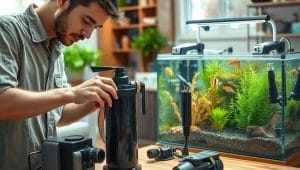
Steps to Address Malfunctions Safely
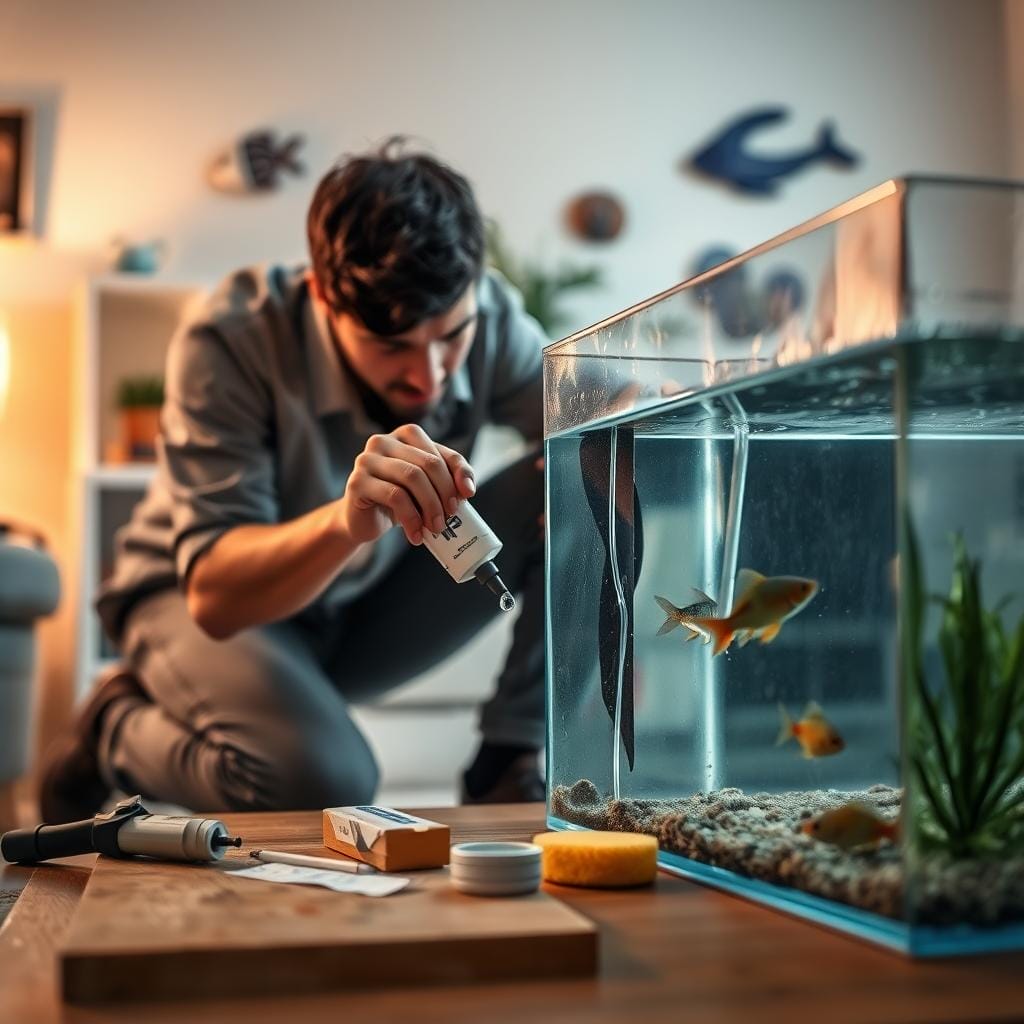
Your safety comes first when handling aquarium repairs. Always disconnect power before touching any components. Keep your workspace dry and organized.
Have backup heaters and filters ready to maintain tank stability. If repairs take time, consider moving fish to temporary housing. This protects their health during the process.
For complex electrical work, consult a professional. They have the expertise to handle challenging situations safely. Learning effective troubleshooting strategies helps you manage most common issues confidently.
Test repaired components before returning them to your aquarium. Monitor everything closely afterward to ensure stable operation. This careful approach extends your system’s lifespan.
Also Read: Tank Leaks Repair: Simple Steps to Fix Leaks
Optimizing Equipment Longevity and Performance
Think of your aquarium setup as a valuable asset that deserves thoughtful, long-range planning. Your components work hard every day to support aquatic life. Protecting this investment means going beyond basic cleaning.
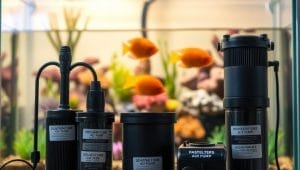
Quality inspections are your secret weapon for maximizing reliability. They involve systematically checking every part of your system. Look for wear patterns and potential improvement areas.
Safety Checks and Quality Inspections
Create a simple safety checklist for your aquarium area. Test electrical connections and GFCI outlets regularly. Keep all components properly positioned away from water splashes.
Regular performance testing establishes important baselines. Measure flow rates, temperature stability, and light output monthly. This helps you spot gradual declines before they affect your tank’s health.
For larger systems, documented inspection protocols are incredibly helpful. They track condition trends and help operators make informed decisions. This approach reduces long-term costs significantly.
Strategic upgrades to efficient components can improve your system’s performance. They often use less electricity and minimize downtime. Following manufacturer specifications extends each machine‘s lifespan considerably.
Your bottom line improves when everything runs smoothly. You avoid emergency replacements and protect your aquatic friends. Building relationships with quality service providers gives you expert support when needed.
This proactive approach to preventive maintenance ensures your aquarium remains a thriving environment for years. It’s the smart way to protect both your investment and your fish’s wellbeing.
Wrapping Up: Ensuring a Thriving Aquatic Environment
Your journey toward aquarium mastery has brought you to the most rewarding part—creating a stable environment where your aquatic friends can truly flourish. The consistent maintenance practices you’ve learned will become second nature, saving you time and reducing emergency costs in the long run.
Remember that your aquarium is a valuable asset worth protecting. By taking control of your machinery care and preventing contamination, you build reliability into your system. This proactive approach addresses the root cause of potential issues before they become a problem.
Safety remains your top priority when working with electrical components near water. For complex situations or when you need additional training, professional aquarium maintenance services can provide expert support.
Your dedication creates ideal conditions for your fish to thrive. Take pride in knowing that your careful attention prevents stress and ensures a beautiful, healthy aquatic world for years to come.
FAQ
How often should I perform maintenance on my aquarium gear?
We recommend a quick visual check of your setup daily. A more thorough cleaning of parts like filter media and pump impellers should happen every two to four weeks. This regular care helps prevent unexpected breakdowns and keeps your aquatic environment stable for your fish.
What are the most common warning signs that my equipment is failing?
Listen for unusual noises like grinding or humming from pumps and filters. Watch for changes in water flow or bubbles. A drop in your system’s performance is often the first clue. Catching these signs early lets you fix small problems before they cause bigger issues or damage.
What is the safest way to troubleshoot a piece of gear that has stopped working?
Always unplug the item from power first. Check for simple fixes like a clogged intake or a tripped GFCI outlet. Inspect cords for damage. If the problem isn’t obvious, consult your product manual or contact the manufacturer for support before attempting any repair to ensure your safety.
Can proper maintenance really extend the life of my aquarium tools?
A> Absolutely! Consistent, preventive care is the key to longevity. Removing buildup from wear and tear reduces strain on motors and moving parts. This simple habit can add years to your asset’s lifespan, protecting your investment and supporting a healthy habitat.
Why is safety so important when dealing with aquarium electrical devices?
Water and electricity are a dangerous mix. Regular safety checks for frayed wires and secure connections are non-negotiable. Using drip loops and GFCI outlets prevents shocks and protects both you and your pets. Your well-being is always the top priority.
Aquarium maintenanceaquatic equipment careequipment troubleshootingfilter maintenanceFish tank carepreventing equipment malfunctionsWater quality management
Hi, I'm Millie a passionate fish enthusiast and blogger. I loves learning about all kinds of aquatic creatures, from tropical fish to stingrays.