
Your Guide to a Filter Maintenance Schedule for Aquariums
 Millie Douglas
Updated on: July 16, 2025 .
8 min read
Millie Douglas
Updated on: July 16, 2025 .
8 min read
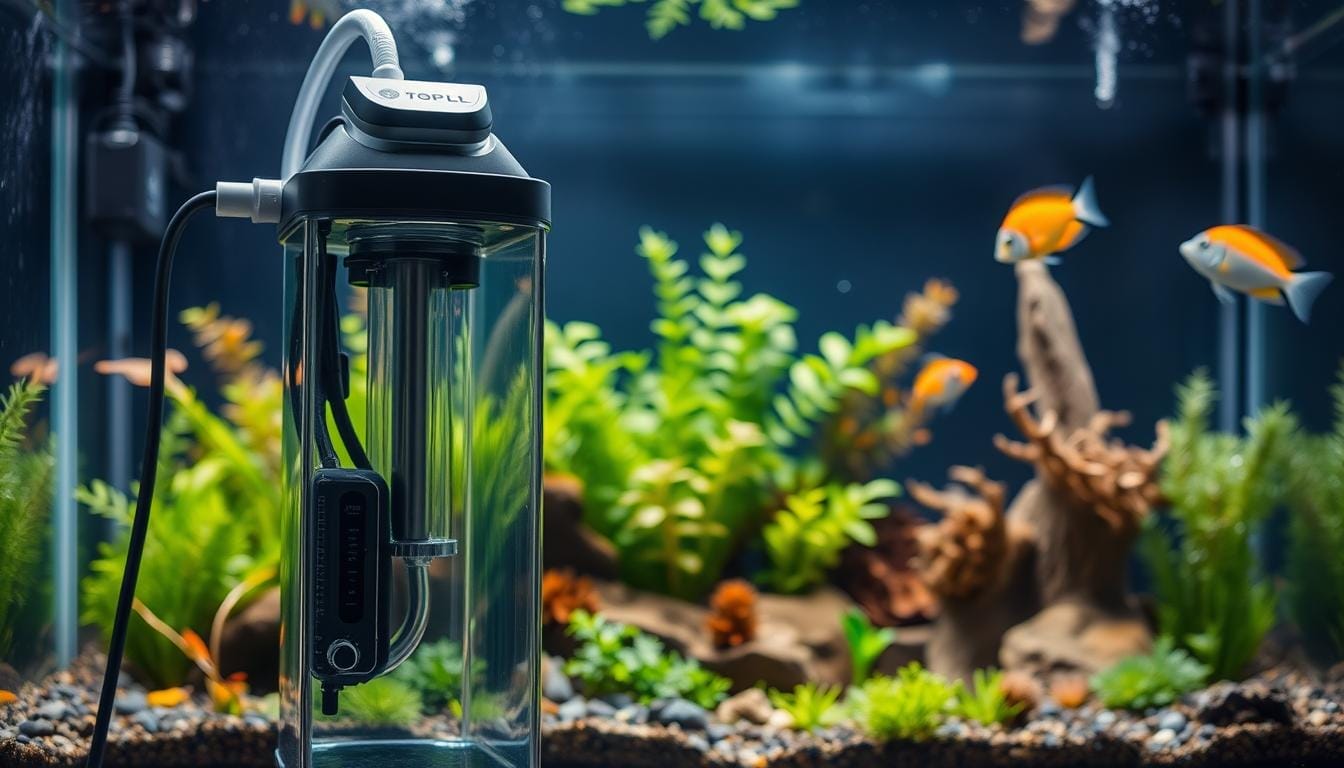
Did you know 80% of aquarium issues stem from overlooked care routines? Your tank’s ecosystem depends on consistent attention to thrive – not just survive. Without proper care, invisible threats like ammonia spikes or clogged components can silently harm your aquatic life.
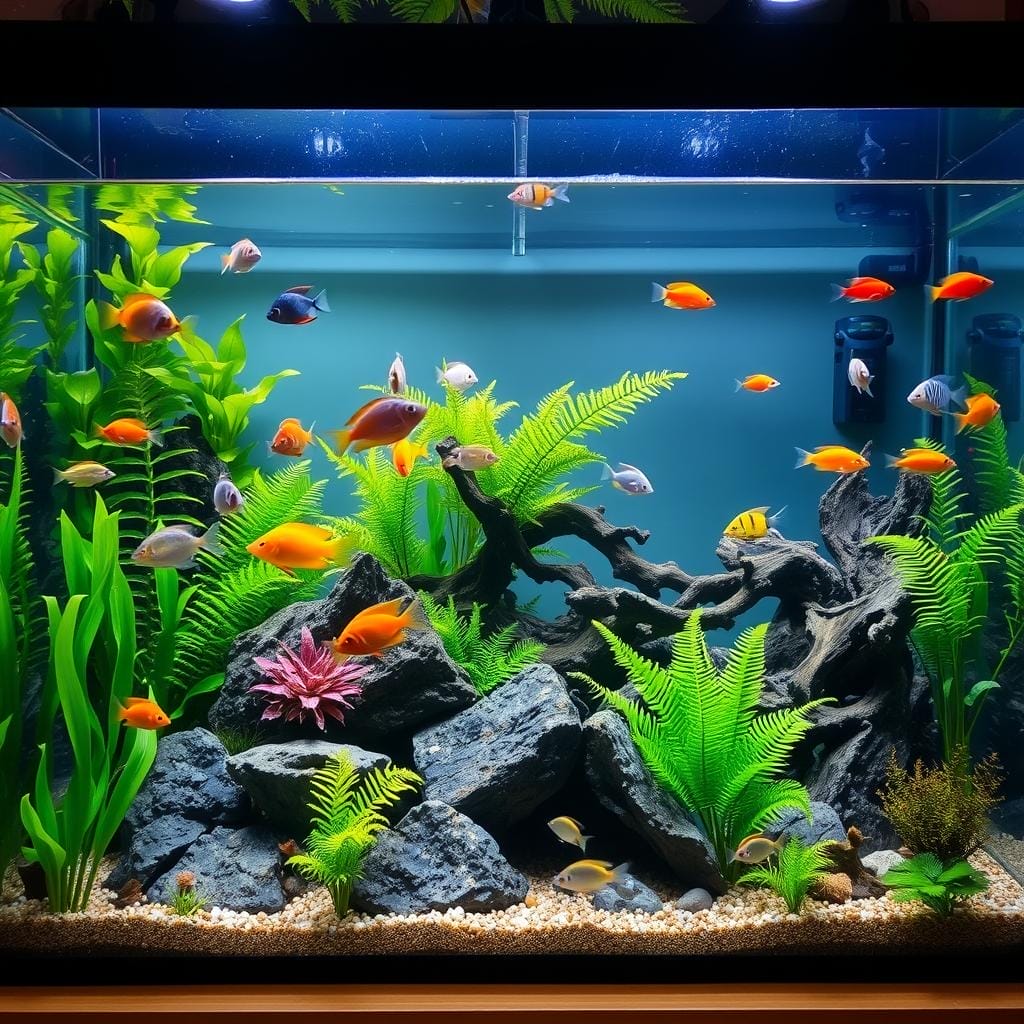
A structured approach keeps water crystal-clear and biologically balanced. Imagine your fish swimming energetically while plants sway gently – this harmony comes from understanding how equipment directly impacts their environment. When flow weakens or debris accumulates, your tank’s residents feel it first.
We’ll show you how to prevent emergencies before they start. By monitoring subtle changes in water quality, you’ll catch issues early. This proactive method saves time, money, and stress compared to frantic last-minute fixes.
Think of your aquarium as a living clock – every gear must work smoothly. With simple, timed actions, you’ll create stability that lets colorful species flourish. Ready to transform guesswork into confidence? Let’s build routines that keep your underwater paradise vibrant and worry-free.
Understanding the Importance of Regular Filter Maintenance
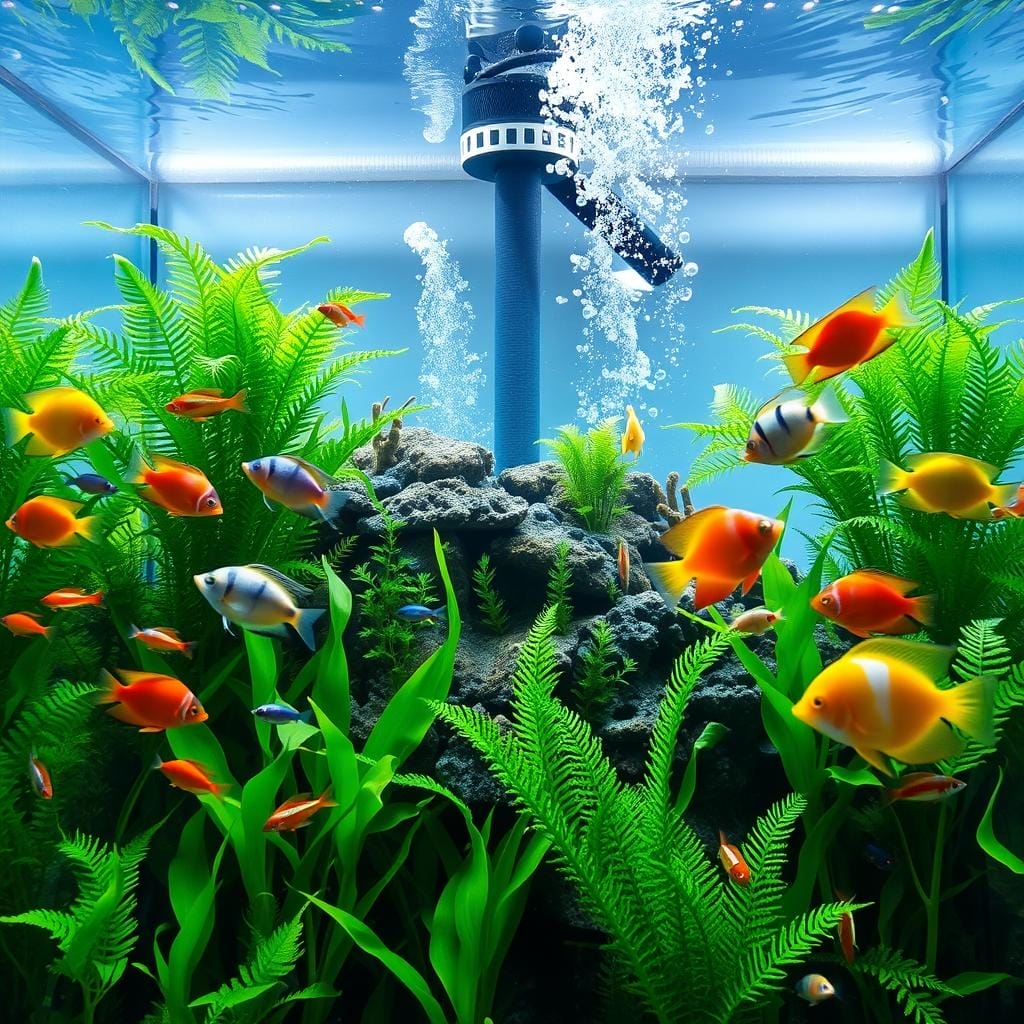
What keeps your aquarium safe happens in places you might never look – until now. Your tank’s invisible workforce operates 24/7, managing everything from fish waste to chemical imbalances. Let’s explore how these silent protectors function and why their care matters.
The Three Guardians of Your Underwater World
Biological systems break down toxic ammonia through colonies of beneficial bacteria. These microscopic helpers turn dangerous compounds into safer substances, acting like nature’s recycling plant. Without them, your fish would swim in poison within days.
Mechanical components catch visible gunk – think of them as your tank’s trash collectors. They trap floating bits before decay clouds the water or blocks oxygen flow. This first defense layer keeps larger debris from overwhelming other systems.
Chemical media tackles what eyes can’t see. Specialized materials absorb dissolved pollutants and odors, like a sponge for invisible threats. Together, these three layers create balanced water conditions where life thrives.
Why Consistency Wins
Sticking to care routines ensures every protection layer works at peak efficiency. You’ll notice:
- Brighter fish colors and active swimming patterns
- 50% fewer algae blooms due to better nutrient control
- Equipment lasting 2-3 years longer than neglected systems
Clogged components force pumps to work harder, raising energy bills and stress levels – both yours and your fish’s. A simple monthly check prevents 90% of common tank emergencies. Your aquatic friends deserve that extra attention!
Building Your Filter Maintenance Schedule
Your tank thrives on rhythms as natural as the tides. Let’s design a care plan that flows with your life while protecting your aquatic ecosystem. Think of it like brushing teeth – small consistent actions prevent big problems.

Three-Tiered Care for Lasting Results
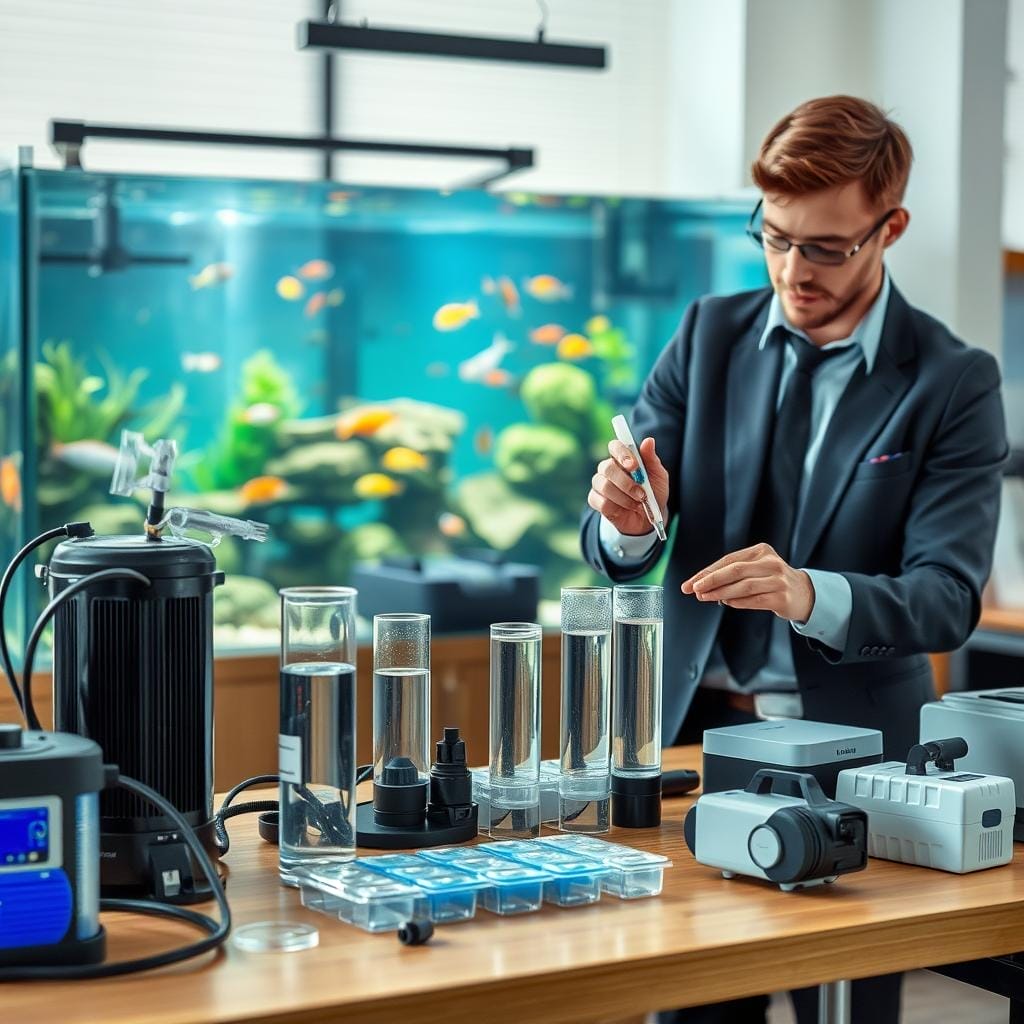
Start with quick daily glances at water movement and fish activity. Cloudy eyes or sluggish swimming? Those are early warnings. Weekly, test pH and nitrate levels – it takes 3 minutes with strips. Gently rinse sponges in tank water to preserve helpful bacteria.
Monthly, dive deeper:
- Inspect media for trapped particles
- Check impellers for smooth rotation
- Remove accumulated gunk in intake tubes
Refresh or Restore? Knowing the Difference
When cartridge floss turns gray and stiff, it’s cleaning time. But if water flows around rather than through the material, replacement saves energy costs. Biological media rarely needs changing – simply swish it in dechlorinated water to maintain efficiency.
Watch for these signs:
- Unusual noises from the pump
- Debris escaping into the tank
- Persistent foam on the surface
Your unique setup dictates timing. Heavy feeding or more fish? Check components twice as often. Peace comes from adapting as your underwater world evolves.
Navigating the Different Types of Aquarium Filters
What if your aquarium’s health depended on three silent heroes working behind the scenes? Each plays a distinct role in keeping water safe and clear. Let’s uncover how these systems team up to create harmony in your tank.
Mechanical, Biological, and Chemical Filters Explained
Mechanical systems act like nets, catching visible dirt and debris. They stop floating particles from breaking down and clouding your water. Think of them as your first defense against uneaten food or plant matter.
Biological filtration relies on living bacteria colonies. These tiny helpers transform toxic ammonia from fish waste into safer substances. It’s nature’s recycling program, working nonstop in your tank’s hidden corners.
Chemical media tackles what eyes can’t see. Activated carbon absorbs dissolved pollutants, while specialized resins target specific contaminants. This trio works best when layered – like a security system for water quality.
Addressing Common Contaminants and Debris
Different setups demand unique solutions. Canister units combine all three methods, ideal for large tanks with heavy waste. Hang-on-back options offer simplicity for beginners, while sponge systems provide gentle flow for delicate species.
Ceramic rings boost bacterial growth, and phosphate removers combat algae. For targeted issues, explore media like ion-exchange resins. Always match your choices to your tank’s specific needs – overcrowded setups need stronger particle removal, while planted tanks prioritize biological balance.
Discover more about optimizing your system in this comprehensive guide to aquarium filtration systems. Whether you’re battling dust-like particles or stubborn chemical imbalances, the right combination keeps your aquatic world thriving.
Implementing Best Practices for Effective Maintenance
Transforming your aquarium care from routine to remarkable starts with these essential practices. Proper care ensures your aquatic ecosystem remains vibrant while preventing unexpected issues. Let’s explore how to execute tasks safely and efficiently.

Step-by-Step Cleaning and Maintenance Procedures
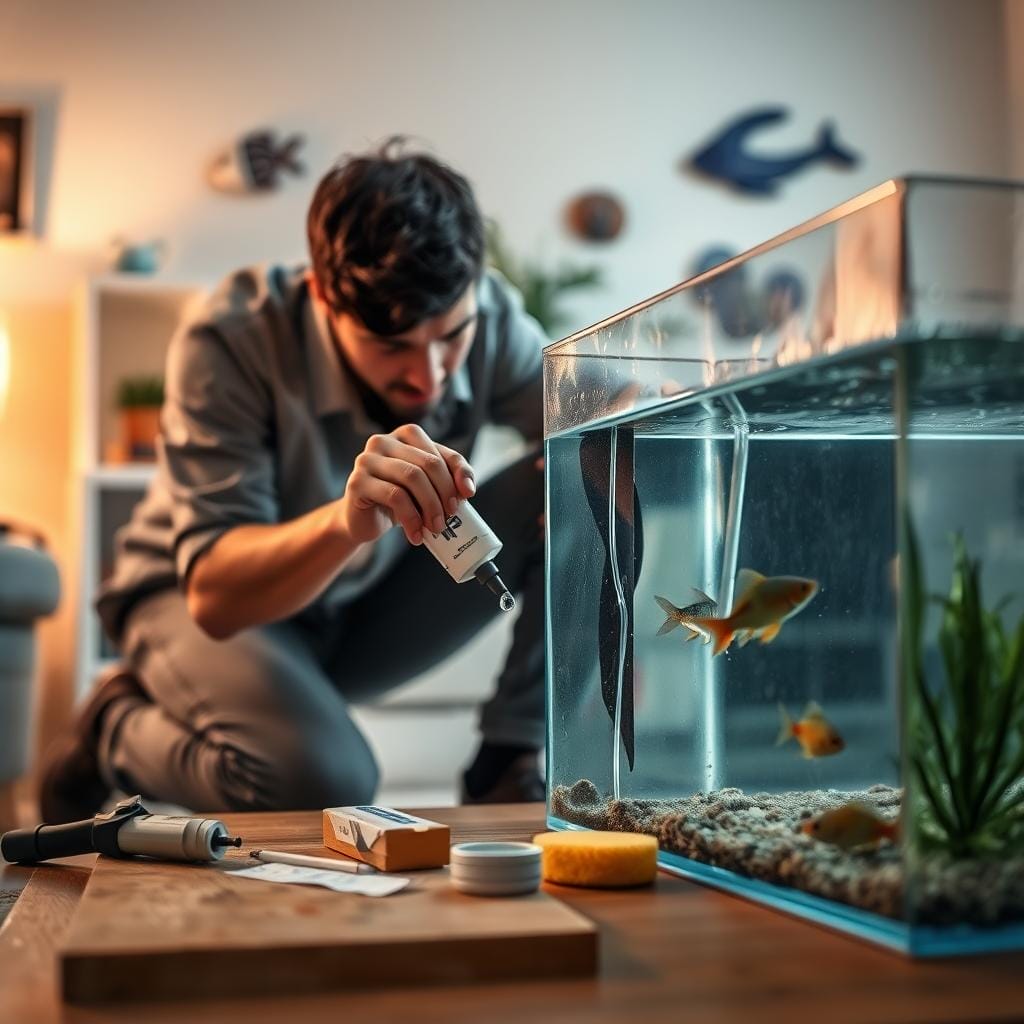
Always power down equipment before starting. Gently remove media trays, noting their positions for accurate reassembly. Rinse mechanical media in a bucket of tank water—never tap water—to preserve beneficial bacteria. For biological components, lightly swish them in dechlorinated water to dislodge debris without stripping essential microbes.
Tools and Safety Tips for Aquarium Care
Keep these supplies handy:
- Algae scrubbers with soft bristles
- Dedicated buckets marked for aquarium use only
- Water testing strips for immediate quality checks
Wear nitrile gloves when handling chemical media, and dispose of used materials properly. Dry all parts thoroughly before reinstalling to prevent mold growth.
Recognizing Signs That Need Attention
Watch for sluggish water movement or unusual pump noises—these often indicate blockages. Sudden cloudiness or floating particles suggest your system needs assessment. Test nitrate levels weekly; consistent spikes mean components might require replacement.
By mastering these methods, you’ll keep your aquatic environment running smoothly. Regular checks become quick habits that prevent major disruptions, letting you enjoy your underwater paradise worry-free.
Wrapping Up and Staying on Track with Your Filter Maintenance Schedule
Consistent care transforms your aquarium into a self-sustaining ecosystem where life flourishes effortlessly. By establishing smart habits, you’ll protect your aquatic friends while enjoying more time admiring their beauty.
Set digital reminders or mark calendars to track essential tasks. Sync checks with weekly water tests – two birds, one stone. During busy periods, simplify routines without compromising quality: focus on flow checks and surface skimming.
Watch your tank evolve as seasons change. Warmer months may demand more frequent media rinses, while vacations require temporary adjustments. Build an emergency kit with spare sponges and test strips for unexpected situations.
Celebrate milestones – thriving plants, vibrant fish colors, crystal-clear water. These victories prove your efforts work. When challenges arise, local aquarium shops offer expert guidance to refine your approach.
Your dedication creates a ripple effect: lower energy use, extended equipment life, and years of underwater wonder. Now breathe deep – you’ve mastered the art of nurturing aquatic harmony.
FAQ
How often should I clean my aquarium’s biological media?
Handle biological media gently—rinse it in tank water (never tap water) during monthly upkeep to preserve beneficial bacteria. Avoid scrubbing or replacing it unless it’s falling apart, as stability supports healthy water conditions.
Can I use tap water to rinse my filter components?
No—chlorine in tap water harms beneficial bacteria. Always use water from your aquarium or dechlorinated water when cleaning sponges, ceramic rings, or other media to protect your tank’s ecosystem.
What are the warning signs of a failing filter?
Reduced water flow, unusual noises, or murky water despite cleaning indicate issues. Check for clogs, worn impellers, or media breakdown. Address problems quickly to prevent stress for your aquatic pets.
Also Read: Tank Leaks Repair: Simple Steps to Fix Leaks
Do mechanical and chemical filters require different care routines?
Yes! Mechanical pads trap debris and need weekly rinsing, while chemical media like activated carbon loses effectiveness after 3–4 weeks and requires replacement. Follow manufacturer guidelines for optimal performance.
Should I vacuum substrate during filter maintenance?
Pair substrate vacuuming with your weekly filter rinse to remove excess waste before it clogs the system. This reduces strain on mechanical filtration and keeps water parameters stable.
How do I know if my replacement parts are compatible?
Match brand-specific cartridges or impellers to your model (e.g., Fluval, Aqueon). Check packaging for size specifications or consult your local fish store for help finding the right fit.
Aquarium filter maintenanceAquarium maintenance tipsAquatic pet careFilter cleaning routineFiltration system careFish tank equipmentFish tank filtrationPet fish healthSetting up a maintenance planWater quality management
Hi, I'm Millie a passionate fish enthusiast and blogger. I loves learning about all kinds of aquatic creatures, from tropical fish to stingrays.