
Is Your Fish Stressed? Watch for These Fish Stress Signs
 Millie Douglas
Updated on: December 1, 2025 .
10 min read
Millie Douglas
Updated on: December 1, 2025 .
10 min read
Have you ever looked into your tank and wondered if everything is truly okay? Your aquatic pets can’t tell you when they feel unwell. The first clues often appear in their behavior and environment, not as dramatic events.
When their home isn’t quite right, your finned friends can experience stress. This isn’t always obvious. It can be a quiet issue that weakens their defenses over time, making them more likely to get sick.
Learning to spot the subtle signs is your most powerful tool. This knowledge helps you act early, turning potential problems into simple fixes. You can create a thriving underwater world where your fish feel secure and healthy.
This guide will help you understand what to watch for. We’ll explore how small changes in your aquarium—like water quality—impact well-being. You’ll gain the confidence to notice the small details that make a huge difference.
Understanding Fish Stress and Its Impact
Every creature has natural ways of coping when their surroundings become less than ideal. Your aquatic pets are no different. They experience biological responses to challenges in their environment.
What is Fish Stress?
This reaction is your pet’s way of dealing with uncomfortable conditions. It affects their entire body system. Short-term responses can help them adapt.
However, ongoing pressure becomes problematic. Chronic situations weaken their natural defenses. This makes them more vulnerable to health issues.
How Stress Affects Your Fish’s Health
When your pets face constant challenges, their immune system suffers. They become susceptible to disease they would normally resist. Bacterial infections and parasites can take hold.
Understanding the causes of fish stress helps you prevent problems. Small issues can accumulate into serious health concerns. Your awareness creates a healthier home for your aquatic companions.
Recognizing Common Fish Stress Signs
Spotting potential issues early relies on understanding the two main categories of symptoms your pets can display. As noted by aquatic veterinarian Dr. Alex J. Hall, these cues can vary by species. Your careful observation is key to timely recognition.
- Physical cues are changes you see on the body. Look for alterations in scale condition, fin appearance, gill movement, or overall coloration.
- Behavioral cues involve how your aquatic friend acts. This includes shifts in swimming patterns, appetite, and social interactions with tank mates.
What is normal for one type of pet might be a red flag for another. Knowing their usual habits is crucial.
Combining your observations of both physical and behavioral changes gives you the clearest picture. Trust your instincts if something seems “off.” Early recognition of subtle cues can prevent minor discomfort from escalating into a serious health emergency.
You will gain confidence in distinguishing normal variations from genuine causes for concern. This skill turns you into a proactive caregiver for your underwater community.
Spotting Fish Stress Signs in Your Aquarium
The most telling information about your aquarium’s health often comes from watching how your inhabitants behave throughout the day. When you know what to look for, you can catch problems early.
Identifying Visual Cues
Pay close attention to physical changes in your aquatic pets. Color shifts are common indicators—some species may pale noticeably, while others darken. Rapid gill movement or gasping at the water’s surface signals immediate concern.
Watch for unusual positioning in the tank. Your pet might tilt sideways or struggle to maintain balance. These visual signs often appear before more serious health issues develop.
Observing Changes in Behavior
Behavioral shifts provide equally important clues. Notice if your normally social companion starts hiding constantly or avoids favorite areas. Swimming patterns often change—look for darting movements or rubbing against objects.
Feeding habits offer valuable insight. Reduced appetite or aggressive behavior during meals can indicate discomfort. Your daily observations help establish normal patterns, making abnormalities easier to spot.
Trust your instincts when something seems different. Consistent monitoring turns you into an expert on your unique aquatic community.
Causes of Stress in Fish and Their Aquarium Environment
Your aquarium’s success depends on recognizing the hidden factors that impact your pets’ well-being. Several common conditions can create ongoing pressure without obvious warning signs.
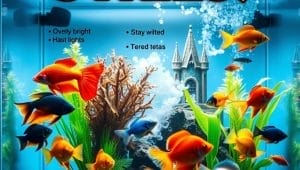
Understanding these triggers helps you create a more stable home. You can address problems before they affect your aquatic community’s health.
Poor Water Quality and Tank Conditions
Water quality issues top the list of concerns. High ammonia or nitrite levels create toxic conditions for your inhabitants.
Even with clean water, incorrect temperature or pH can cause discomfort. Your tank parameters must match your specific species’ needs.
Low oxygen levels force pets to gasp at the surface. Proper filtration and surface agitation maintain healthy oxygen levels.
Inadequate Diet, Handling, and Overcrowding
Overcrowding creates multiple challenges simultaneously. Too many inhabitants lead to territorial disputes and competition.
An unbalanced diet causes nutritional deficiencies that weaken defenses. Proper feeding supports overall health and resilience.
Excessive handling should be avoided except when necessary. Sudden environmental changes can shock your system.
Addressing water quality should be your first priority. This foundation supports all other improvements in your aquatic home.
How To Treat Stressed Fish in Your Tank
Effective treatment begins with a calm, methodical approach to identifying the problem. Your first task is careful observation. Look for changes in appetite, swimming patterns, or physical appearance.
Check that all equipment, especially your filter, is running correctly. If nothing seems obviously wrong, it’s time to test your water. A simple test kit can reveal hidden issues with ammonia or nitrate levels.
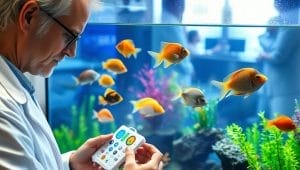
Immediate Steps to Reduce Stress
If tests show high toxin levels, perform a partial water change. Clean your substrate or filter, but never both at once. This protects the beneficial bacteria your tank needs.
Pets gasping at the surface often need more oxygen. Ensure your filter output agitates the water surface. Adding an air stone can provide a quick boost.
When you suspect disease or infection, move the affected individual to a quarantine tank. This prevents spreading illness. For complex health issues, consulting a veterinarian about aquarium fish is wise.
Long-term Habitat Improvements
Recovery happens best in a peaceful setting. Dim the lights and limit disturbances around the tank. Offer high-quality, easily digestible food to support their immune system.
Your pet can rebound remarkably fast once the root cause is fixed. Acute issues from low oxygen may resolve in hours. Chronic problems might need more time, especially if a secondary infection developed.
Your consistent care creates the foundation for healing. With clean water and a stable environment, most aquatic companions make a full recovery.
Preventing Fish Stress for a Healthier Aquarium
The most rewarding part of aquarium keeping is building an environment where your pets naturally thrive. Prevention is always simpler than treatment. By establishing consistent routines, you create a stable home that supports well-being.

Routine Maintenance and Water Testing
Your weekly care routine is your first line of defense. Testing water parameters regularly helps you catch changes before they become problems. This simple habit maintains excellent water quality.
Invest in a reliable filter rated for a larger tank than you have. This provides extra cleaning power. It handles waste more effectively, keeping conditions stable.
Follow the two-minute rule during feeding. Offer only what your aquatic friends consume quickly. Uneaten food breaks down and harms water chemistry.
Watch for territorial aggression among species. Rearranging decorations can reduce conflict. Sometimes separating individuals is necessary for peace.
Avoid chemical quick-fixes for tank issues. These products can cause unpredictable sudden changes. Natural methods are safer and more reliable.
Your consistent care builds trust and security. Stable aquarium conditions prevent most health concerns before they begin.
Additional Considerations for Different Fish Species
Creating the perfect home means understanding that not all aquatic companions have the same needs. What works beautifully for one species might cause discomfort for another. Your careful research before adding new inhabitants pays off in healthier, happier pets.
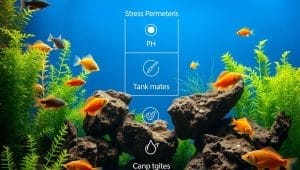
Each type of aquatic life comes with unique preferences for their environment. These differences affect everything from swimming space to social interactions. Recognizing these variations helps you build a more harmonious community.
Species-Specific Requirements and Compatibility
Nocturnal creatures like plecos need dark hiding spots during daylight hours. Active swimmers such as danios require open space to move freely. Knowing your pets’ natural behaviors guides your tank setup decisions.
Some species have particularly sensitive requirements. Amazonian varieties often need pristine water conditions to thrive. Others, like mollies bred in brackish water, may struggle in standard freshwater aquariums.
Tank mate compatibility is crucial for community peace. Shy angelfish can feel overwhelmed by hyperactive companions. Coldwater and tropical species have incompatible temperature needs and should never share the same home.
Bottom-dwellers like corydoras catfish need soft substrate to protect their delicate barbels. Your choice of gravel or sand matters for their comfort and safety. Understanding species-specific indicators helps you spot when adjustments are needed.
Dietary needs vary significantly between herbivores, carnivores, and omnivores. Providing the right food type supports their nutritional health. Varied feeding within their dietary category ensures they receive all essential nutrients.
Your research before purchasing new aquatic friends prevents many common challenges. Matching species to your existing aquarium conditions creates a stable, stress-free environment for everyone.
Final Thoughts on Creating a Stress-Free Aquarium
Your growing ability to read your aquarium’s subtle language is your greatest asset. Early detection of discomfort gives you the power to prevent minor issues from becoming emergencies.
Creating a peaceful environment isn’t about perfection. It’s about consistent observation and responsive care. The way you maintain your aquarium directly impacts your pets’ health.
Trust what you’ve learned about spotting behavior changes and unusual swimming patterns. Addressing root causes like water quality is as vital as treating visible symptoms.
Every positive change you make builds a healthier home. Your commitment to preventing discomfort ensures your aquatic companions thrive.
With regular testing and attentive care, you can confidently maintain a vibrant underwater world. This journey of learning and adapting brings lasting rewards.
FAQ
What are the most common physical signs of a stressed fish?
You might notice faded colors, clamped fins held close to the body, or rapid gill movement. White spots can indicate a secondary infection like Ich, which often takes hold when an animal’s immune system is weakened by poor water quality or other environmental pressures.
How does poor water quality cause stress?
High levels of ammonia or nitrate are toxic and force your aquatic pets to work much harder just to breathe. This constant physical strain weakens their health over time, making them vulnerable to disease. A reliable filter and regular testing are your best defenses.
Can sudden changes in my aquarium lead to problems?
Absolutely. Quick shifts in temperature, pH, or other water parameters are a major shock. Always acclimate new arrivals slowly and perform partial water changes with temperature-matched water to keep conditions stable and safe for all inhabitants.
Why is my fish hiding or swimming erratically?
Hiding often means your pet feels threatened, possibly by aggressive tank mates or bright lighting. Erratic swimming, like darting or rubbing against objects, can signal discomfort from low oxygen levels or parasites. Observing this behavior is a key cue to check your tank’s environment.
What immediate steps can I take to help a stressed fish?
First, test your water to rule out ammonia or nitrate issues. Ensure your filter is running properly and consider dimming the lights to create a calmer atmosphere. Providing more hiding spots with plants or decorations can offer immediate security while you address the root cause.
How does diet impact my fish’s stress levels?
An inadequate or inconsistent diet can lead to malnutrition, reducing their ability to cope with other challenges. Offer a high-quality, species-appropriate food and avoid overfeeding, which can itself degrade water conditions and create a cycle of health issues.
Hi, I'm Millie a passionate fish enthusiast and blogger. I loves learning about all kinds of aquatic creatures, from tropical fish to stingrays.