
Mechanical Filtration: The Key to a Healthy Aquarium
 Millie Douglas
Updated on: July 16, 2025 .
8 min read
Millie Douglas
Updated on: July 16, 2025 .
8 min read
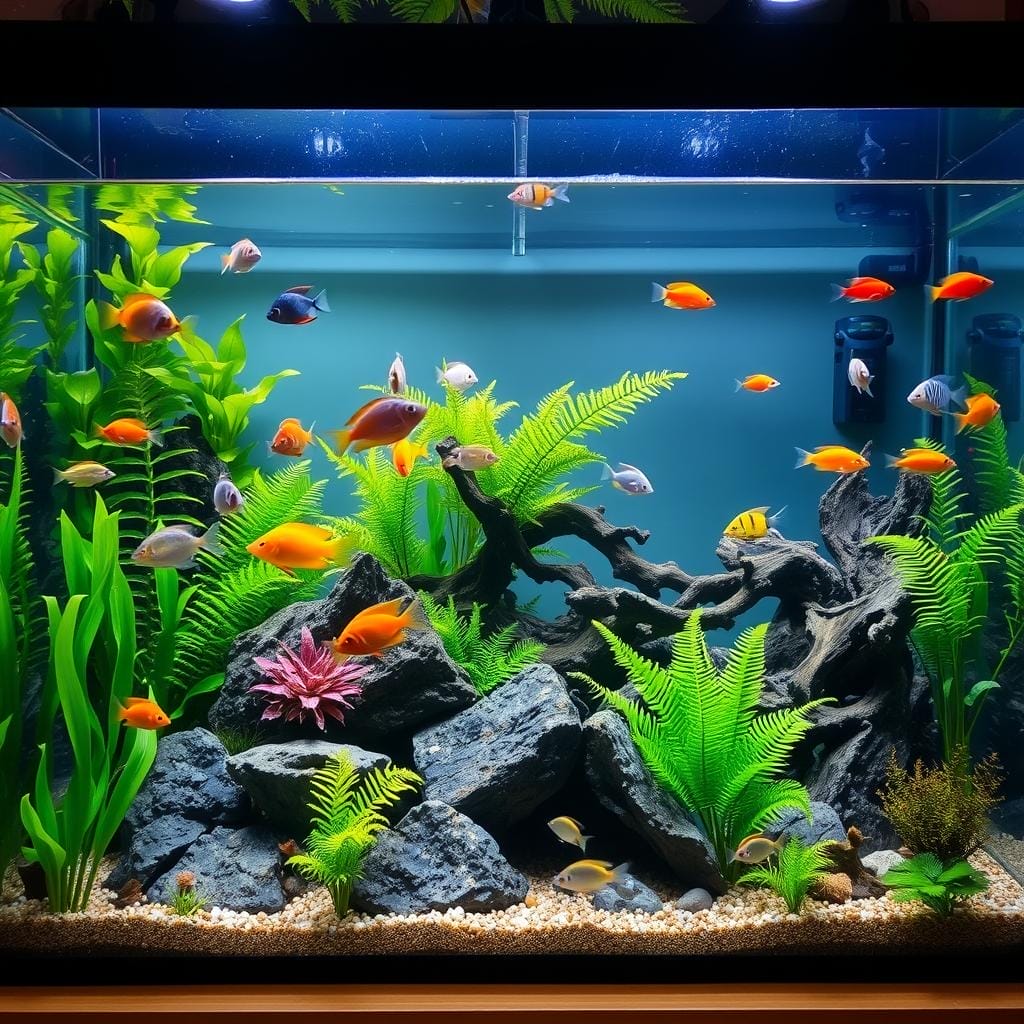
Did you know 85% of aquarium owners notice visible debris within a week of skipping filter maintenance? That cloudy water isn’t just unsightly—it’s a red flag for your fish’s health. This guide reveals how simple tools keep your underwater world thriving by trapping unwanted particles before they cause trouble.
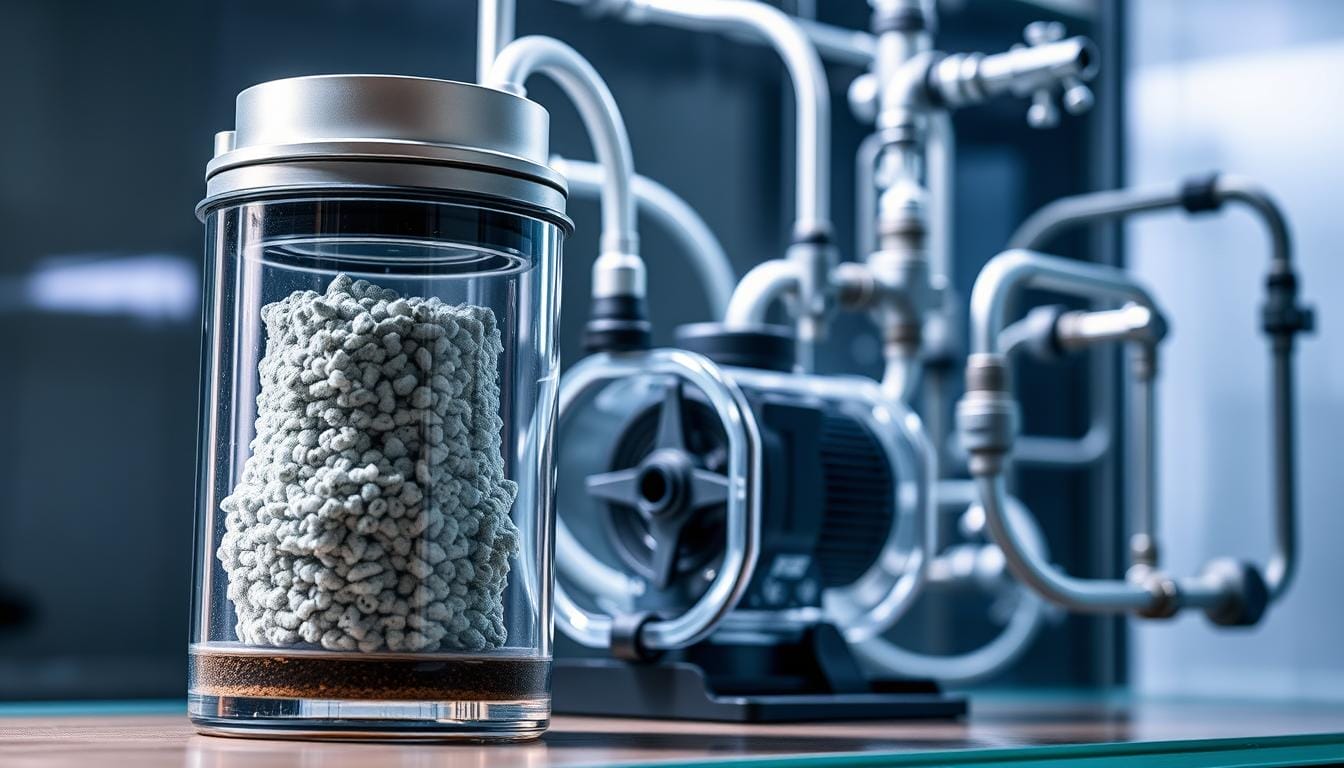
Think of your aquarium’s filter as a silent guardian. It works tirelessly to catch floating specks like fish waste, leftover food, and plant fragments. These systems act like a net, capturing particles that make water murky while letting clean liquid flow through. But here’s the catch: they’re just one piece of the puzzle.
You’ll soon discover how these filters team up with biological processes to create crystal-clear conditions. The right setup prevents harmful buildups and reduces stress on your aquatic friends. Pro tip: Pairing your filter with regular water changes creates an unbeatable combo for maintaining ideal living conditions.
Ready to transform your tank? We’ll break down everything from choosing the right equipment to spotting signs of peak performance. By the end, you’ll confidently manage your aquarium’s ecosystem—giving your fish the pristine environment they need to flourish.
Understanding the Fundamentals of Aquarium Filtration
Behind every thriving aquarium is a silent hero working to keep your tank pristine. This system tackles visible debris through two key stages, creating a layered defense against murky water. Let’s explore how these processes collaborate to protect your aquatic ecosystem.
How It Works
Your filter acts like a multi-layered security team. The first stage catches large offenders—think fish waste or uneaten flakes—on its outer surface. Picture a net snagging leaves before they sink. What slips through meets a maze of progressively tighter spaces inside the medium, trapping finer particles like dust or pollen.
The real magic happens at the microscopic level. Tiny contaminants get pulled toward the filter material through natural electrical attraction. This three-step approach ensures:
- Visible debris stays contained
- Microscopic particles get captured
- Water movement remains consistent
Benefits for Maintaining Clear Water
When these stages work in harmony, you’ll notice faster results during water treatment. Your filter becomes a powerhouse that:
- Reduces cloudiness within hours
- Prevents clogging in biological filtration areas
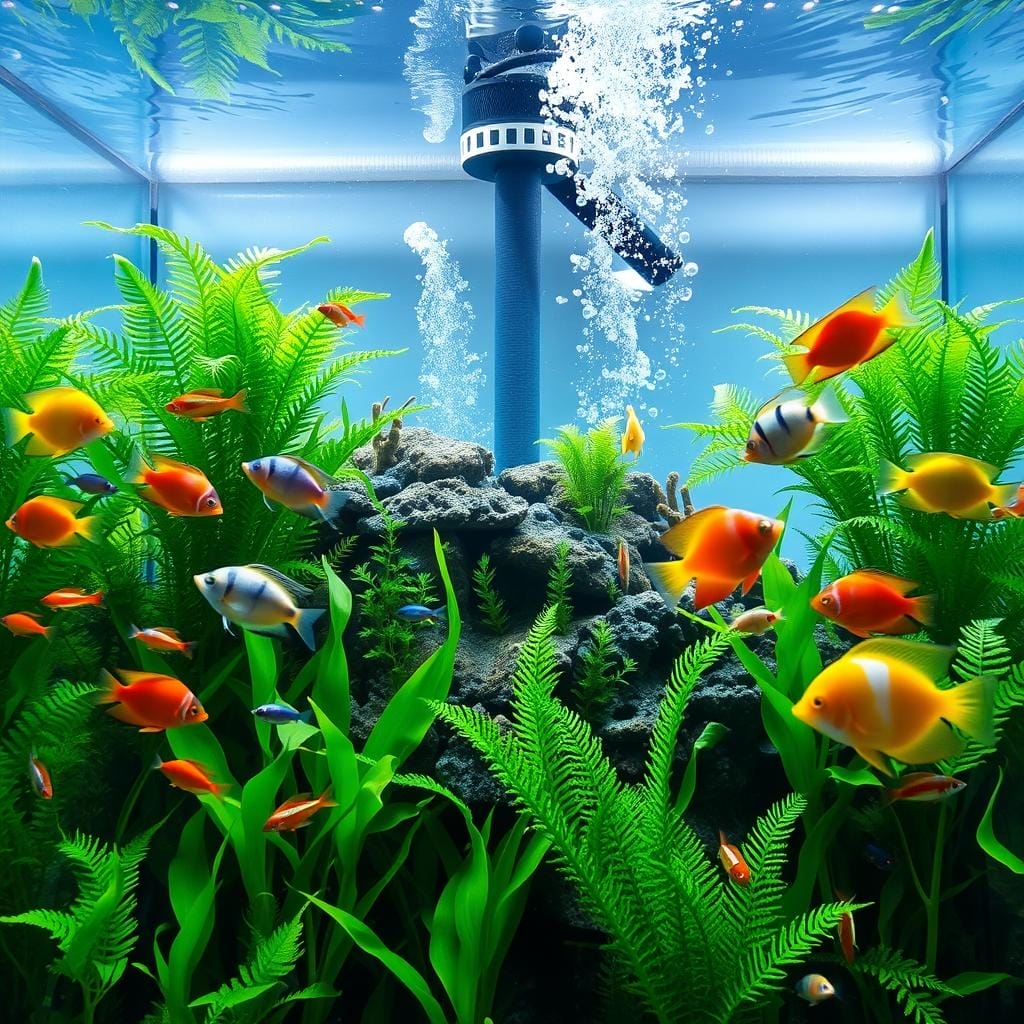
- Maintains optimal flow for oxygen distribution
Pro tip: Check your filter’s surface weekly for debris buildup. A quick rinse preserves its efficiency without disrupting beneficial bacteria colonies deeper in the system.
Mechanical Filtration Methods: Exploring Filter Technologies
Your aquarium’s clarity depends on matching filter types to your specific needs. Three main technologies tackle floating debris with different strategies. Let’s break down how each option handles particles while keeping water movement efficient.

Cartridge, Single, and Multimedia Filters
Cartridge options work like coffee filters—they catch debris as water pushes through. Depth-style versions trap particles in layered material, while pleated designs offer more surface area. These excel in small setups where easy swaps matter.
Single-media systems use sand or anthracite in deep beds. They’re workhorses for consistent water treatment, handling moderate loads without fuss. For heavy-duty jobs, multimedia layers stack coarse-to-fine materials. This setup grabs various particle sizes throughout the entire bed depth.
Surface Versus Depth Filtration Processes
Surface filters act like nets, snagging solids on their outer layer. They need frequent cleaning but handle large debris well. Depth filters use thick media beds where particles get trapped gradually. These maintain better flow rates between maintenance sessions.
Smart choice: Pair depth-type media with pleated cartridges if you have fine sediment. This combo tackles both visible flakes and micron-sized clay particles. Always match your filter’s micron rating to your tank’s common debris size for peak performance.
Optimizing Filter Setup and Maintenance
Your aquarium’s clarity starts with smart setup habits. Positioning your filter correctly ensures it catches debris without creating stressful currents. Aim for balanced flow—strong enough to push particles toward the media but gentle enough to avoid tossing fish around like socks in a dryer.
Installation and Water Flow Considerations
Most home systems operate at 30 psi water pressure. Match your filter’s size to your tank’s gallons—oversized models can suck in small fish, while undersized ones struggle with suspended solids. Place intake tubes near problem areas like feeding zones to catch floating flakes faster.
Check flow rates weekly. New cartridges move water quickly, but trapped sediment slows them over time. If your filter’s output feels weaker than a tired showerhead, it’s cleaning time. Pair coarse media with fine layers to handle various particle sizes without clogging.
Routine Cleaning and Preventative Maintenance Tips
Backwash media filters every 2-3 weeks. Reverse the flow for 30 seconds to flush out trapped clay and organic matter. For cartridge systems, rinse reusable pads in tank water—tap water kills beneficial bacteria. Replace activated carbon monthly to keep odors at bay.
Spot these warning signs early:
- Water pooling around the filter housing
- Unusual gurgling sounds
- Visible algae on the media surface
Pro tip: Mark maintenance dates on your calendar. Consistent care prevents 80% of common water quality issues before they cloud your tank.
Troubleshooting Common Filtration Issues in Aquariums
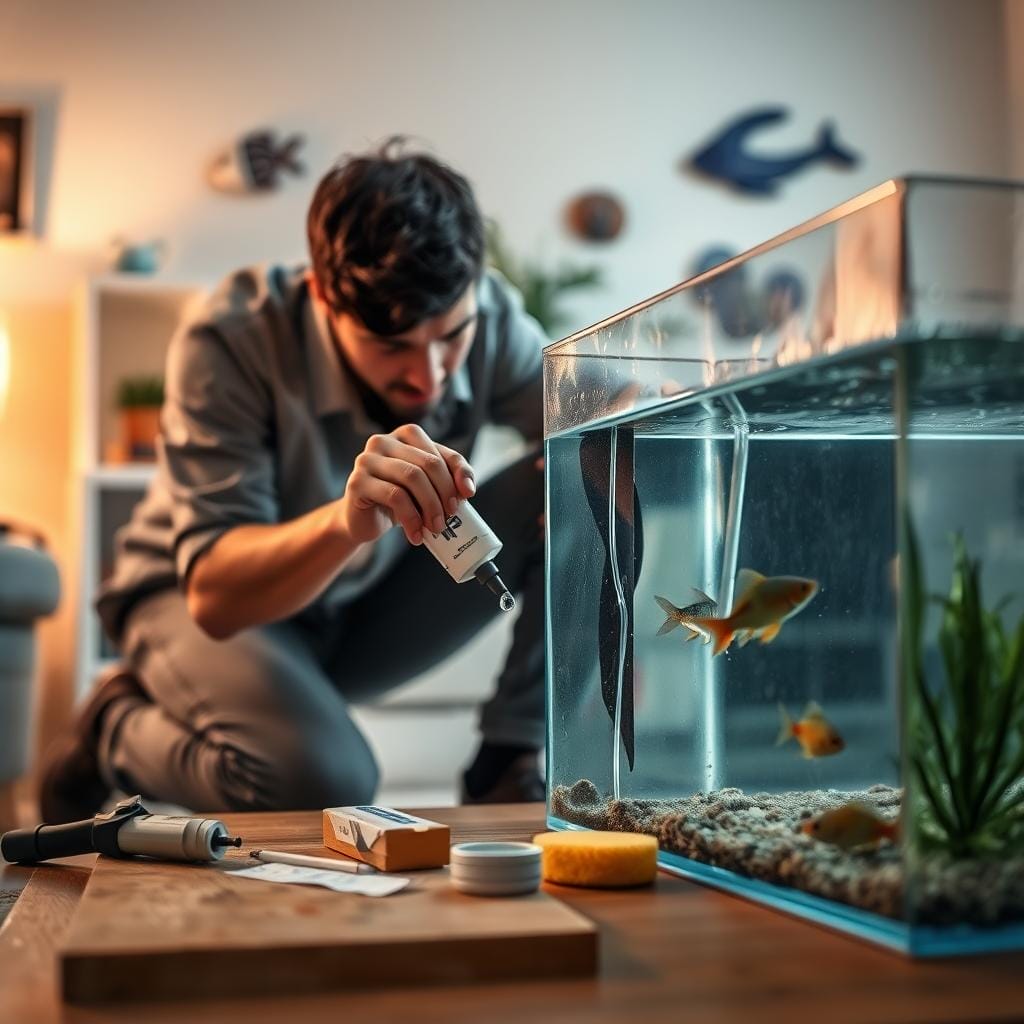
Even the best aquarium systems hit snags—here’s how to spot trouble before your fish do. When your filter struggles, it shows through subtle changes in water behavior and clarity. Let’s uncover what these signals mean and how to fix them quickly.
Identifying Performance Declines
Watch for these red flags:
- Sluggish water movement at the filter’s output
- Cloudiness returning within hours after cleaning
- Unusual noises like gurgling or sputtering
These often mean trapped particles are blocking flow. Test your filter’s pressure weekly—a sudden drop suggests channeling, where water forces paths through clogged media, releasing trapped contaminants.
Solutions for Clogging and Reduced Flow
For minor sediment buildup:
- Rinse reusable media in tank water (never tap)
- Swap activated carbon every 4-6 weeks
- Backwash sand filters for 90 seconds weekly
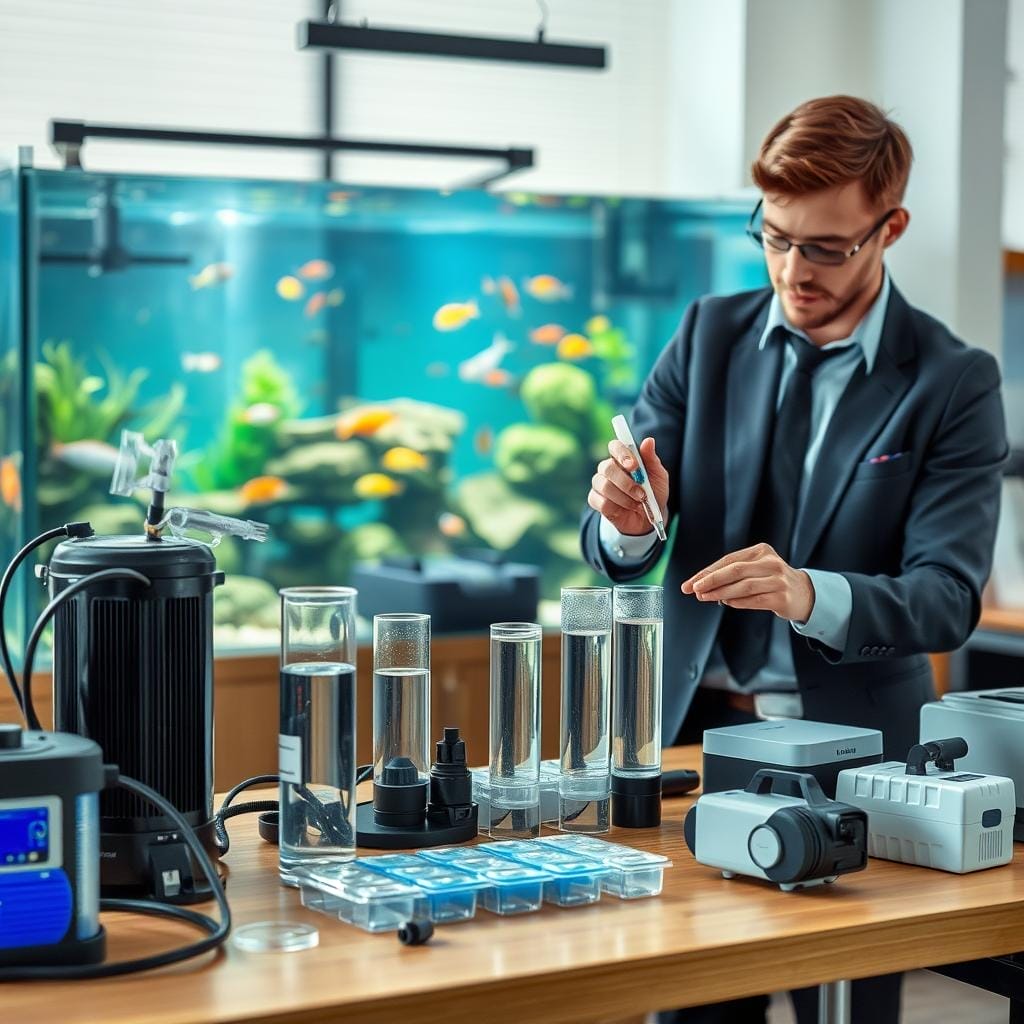
If flow remains weak, check your pump’s capacity matches the filter size. Multimedia systems need strong backwash currents—use a bucket test to verify water displacement. When replacing media, choose types rated for your common debris size, whether fine clay or larger plant matter.
Remember: Filters rated for your tank’s gallons might still struggle with heavy waste producers. Upgrade to layered media if you spot suspended solids escaping into clear zones. Your fish will thank you with vibrant colors and active behavior!
Wrapping Up: Key Takeaways for a Healthier Aquarium
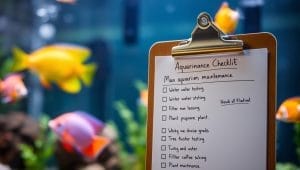
Your aquarium’s vitality depends on smart choices and consistent care. Third-party certified filters from NSF or WQA ensure reliable particle removal, preventing sudden debris releases. Test water quality annually and track results in a maintenance log – this simple habit helps spot trends before issues arise.
Choose filter media types based on your tank’s specific needs. Sand traps coarse sediment, while activated carbon handles finer particles. Match media size to common debris for optimal flow and clarity. Remember: certified systems maintain performance when properly maintained.
You now possess the knowledge to:
- Select equipment that tackles suspended solids effectively
- Maintain steady water movement through routine care
- Address clogs before they impact your aquatic ecosystem
Pro tip: Pair your filter with monthly component checks. Replace worn parts using manufacturer guidelines to preserve water treatment efficiency. Your dedication creates a thriving environment where fish display vibrant colors and active behaviors.
Keep learning as you grow your aquarium skills. Each clear tank reflects your commitment to understanding these essential systems – and your fish will reward you with years of underwater wonder.
FAQ
How often should I clean my aquarium filter?
Clean reusable filter media every 2–4 weeks, depending on tank bioload. Rinse gently in removed tank water to preserve beneficial bacteria. Replace cartridge filters when water flow slows noticeably.
What’s the difference between surface and depth filters?
Surface traps debris on the outer layer (like filter pads), while depth filters (such as sponge media) catch smaller particles throughout their structure. Many systems use both for optimal clarity.
Can a filter remove harmful bacteria from my tank?
While physical barriers catch debris and some microbes, pairing mechanical media with chemical options like activated carbon or UV sterilizers provides broader protection against pathogens.
Why does my filter get clogged so quickly?
Frequent clogs often signal overfeeding, excess waste, or media too fine for your setup. Try pre-filter sponges on intakes or upgrading to a multi-stage system with graduated pore sizes.
Do I need special filters for saltwater tanks?
Saltwater systems benefit from protein skimmers and refugiums alongside mechanical options. Look for corrosion-resistant materials like silicone-bonded pads in marine environments.
Also Read: Tank Leaks Repair: Simple Steps to Fix Leaks
How do I maintain steady water flow in my filter?
Check impellers monthly for debris, avoid overpacking media compartments, and ensure tubing stays kink-free. For hang-on-back models, keep the water level near the overflow lip.
Will a stronger filter stress my fish?
High-flow systems can overwhelm some species. Use spray bars, adjust flow valves, or add baffles to create calm zones. Always match filter capacity to your tank’s gallon size and inhabitants.
Aquarium equipmentAquarium maintenanceAquatic HealthClean water solutionsFiltration systemsTank cleaning tipsWater quality control
Hi, I'm Millie a passionate fish enthusiast and blogger. I loves learning about all kinds of aquatic creatures, from tropical fish to stingrays.