
Nitrite and Nitrate Levels: A Guide for Aquarium Owners
 Millie Douglas
Updated on: July 16, 2025 .
8 min read
Millie Douglas
Updated on: July 16, 2025 .
8 min read
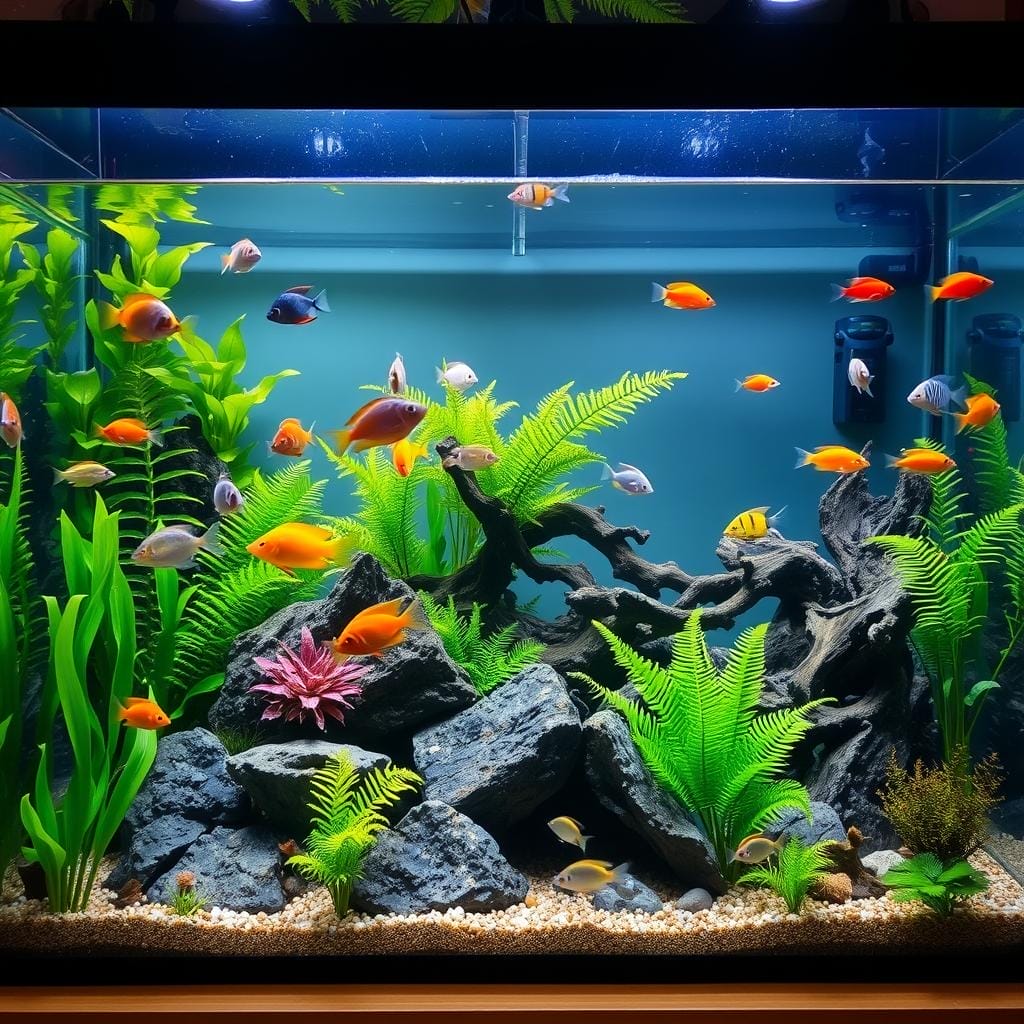
Your aquarium’s delicate balance depends on two invisible compounds more than you might realize. Understanding their behavior could mean the difference between thriving aquatic life and preventable disasters.
These naturally occurring substances – one with three oxygen atoms, the other with two – play vastly different roles in your tank. While one helps plants grow, the other can become toxic within hours. The secret lies in knowing how they transform through the nitrogen cycle.
Regular monitoring isn’t just about test kits and numbers. It’s about creating a safe haven where fish flourish and plants thrive. This guide simplifies the science behind water chemistry, giving you practical tools to:
• Recognize early warning signs of imbalance
• Choose reliable testing methods
• Take swift action when values shift
You’ll discover how to maintain crystal-clear water that supports vibrant ecosystems. Let’s transform your aquarium care routine from guesswork to confidence.
Understanding Nitrites and Nitrates in Aquariums
Your aquarium’s health hinges on understanding two key chemical players. While they sound similar, their roles in your tank’s ecosystem couldn’t be more distinct. Let’s break down what makes them different and where they come from.
Chemical Properties and Differences
Nitrates (NO₃⁻) and nitrites (NO₂⁻) both contain nitrogen and oxygen atoms. The difference lies in their molecular structure – nitrates have three oxygen atoms, while nitrites have two. This small change creates big effects:
- Nitrates remain stable longer, accumulating gradually
- Nitrites act as transitional compounds during bacterial processing
- Both substances transform through natural biological reactions
Natural Sources in Aquarium Environments
These compounds emerge from everyday aquarium processes. Fish waste and uneaten food start the cycle, while beneficial bacteria convert them through three stages:
- Ammonia breaks down into nitrites
- Nitrites transform into nitrates
- Plants absorb nitrates as nutrients
External factors like tap water additives or overfeeding can spike concentrations. Regular testing helps you spot these changes before they affect your aquatic friends.
Managing nitrite and nitrate levels
Consistent tracking forms the foundation of aquarium success. Your aquatic companions rely on you to maintain their environment within specific parameters – let’s explore how to achieve this with precision.

Ideal Parameters and Measurement Techniques
Freshwater tanks thrive when these compounds stay within strict boundaries. Aim for:
- 0 ppm for the transitional compound (detectable amounts signal potential danger)
- Below 40 ppm for the plant nutrient (higher concentrations stress aquatic life)
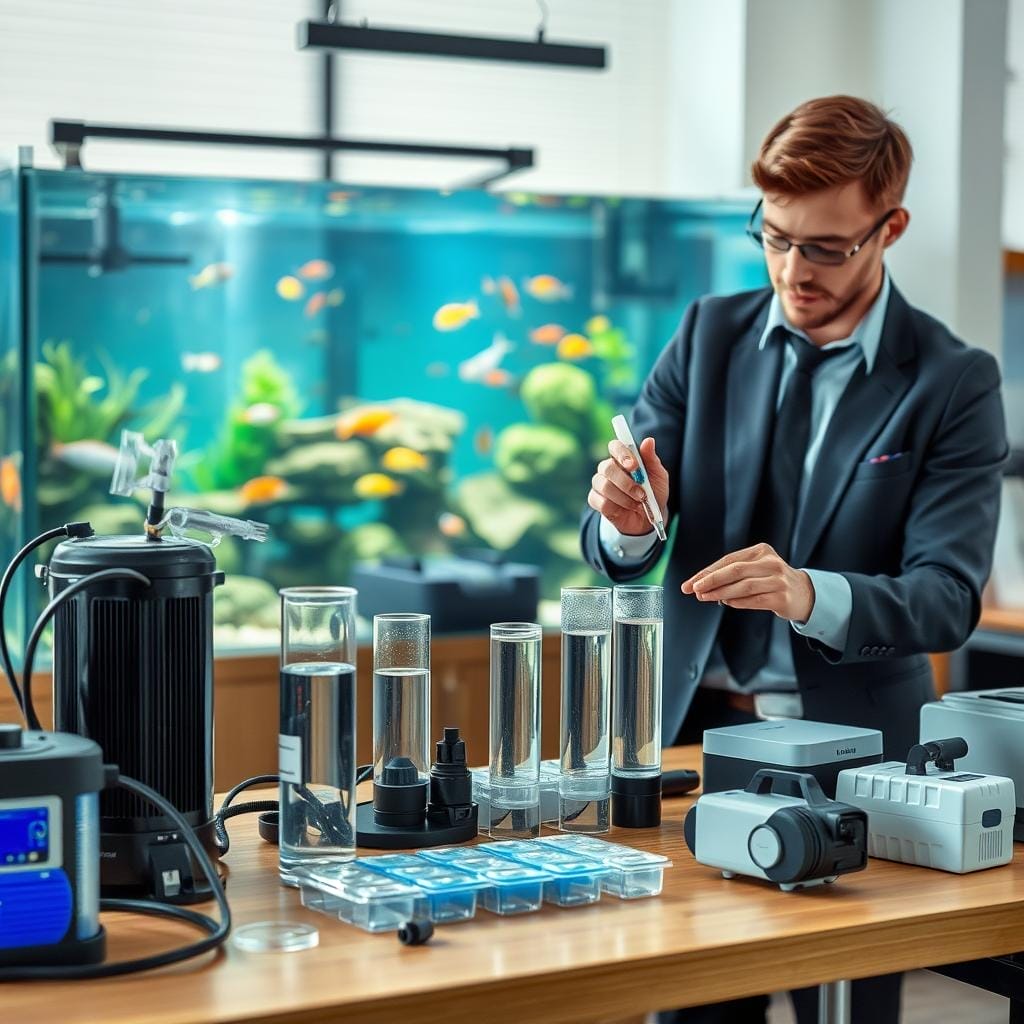
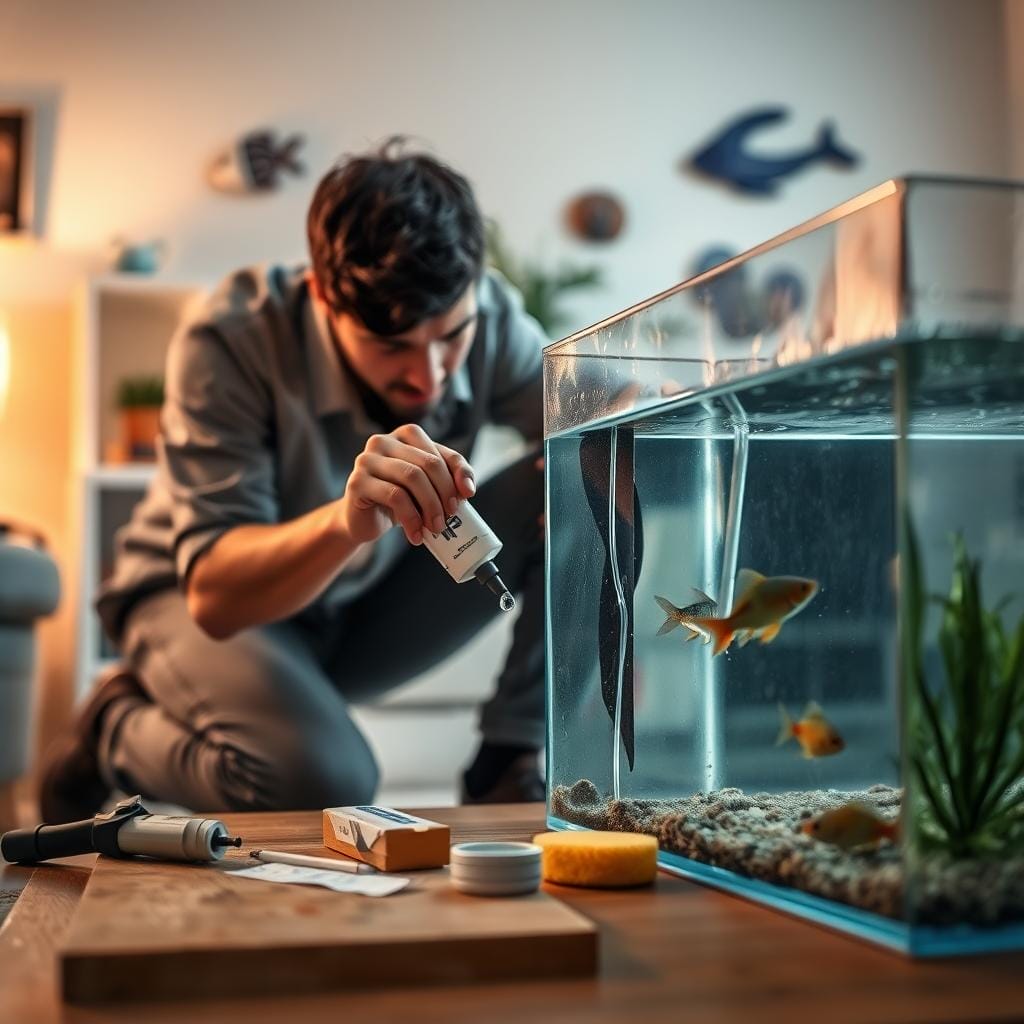
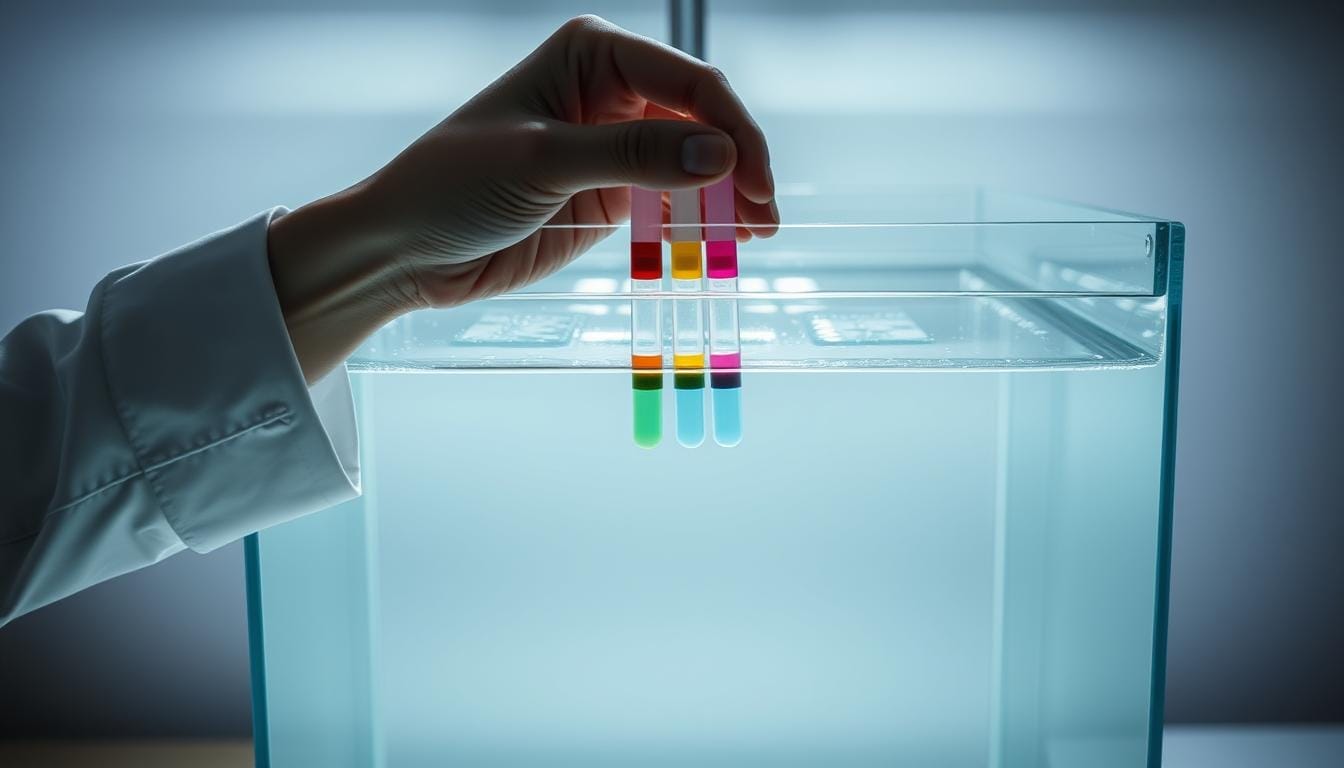
Liquid test kits provide laboratory-grade accuracy through color comparisons. Test strips offer quick checks but may lack precision for critical decisions.
Decoding Your Test Outcomes
Results tell a story about your tank’s biological processes. Follow this action guide:
- Green indicators mean safe conditions
- Yellow/orange hues suggest weekly retesting
- Red readings demand immediate intervention
New setups require daily checks during the initial 4-6 weeks. Established systems benefit from weekly assessments, especially after feeding adjustments or filter changes.
Pro tip: Always test mid-depth water away from decorations for representative samples. Document findings to spot trends before they become emergencies.
Sources and Risks: From Natural Processes to Contamination
Your fish’s environment faces invisible threats from multiple directions. While some compounds develop naturally, others sneak in through unexpected pathways. Knowing where these substances originate helps you create effective defenses.
Natural Occurrence vs. External Inputs
Fish waste and decomposing food naturally release these substances through biological breakdown. Beneficial bacteria convert them in established tanks, but new setups lack this protection. Overstocked aquariums often struggle with rapid accumulation.
External contamination introduces hidden dangers. Tap water frequently contains dissolved compounds from agricultural runoff or plumbing systems. Unwashed gravel, live plants, or decorations can carry residual fertilizers or organic matter. Even airborne particles might contribute over time.
Watch for these symptoms in aquatic life:
- Gasping near surface areas
- Unusual redness in gills or fins
- Reduced appetite or sluggish movements
Long-term exposure weakens fish immunity, making infections more likely. Sensitive species like discus or shrimp show distress faster than hardier varieties. Test new water sources before adding them, and quarantine decorations for 48 hours. A simple rinse under running water removes many surface contaminants.
Regular partial water changes remain your best defense. Pair them with live plants that absorb excess nutrients naturally. Stay vigilant – early detection prevents most serious health risks.
Techniques for Reducing Nitrites and Nitrates in Your Tank
Your aquatic friends depend on smart solutions to maintain their pristine home. Combining proven methods with modern innovations creates a balanced environment where life thrives effortlessly.
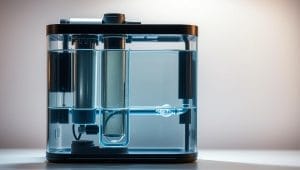
Biological Filtration and Water Changes
Mastering regular partial water changes forms your first defense. Replace 15-25% weekly, adjusting based on tank size and fish population. This simple practice dilutes accumulated compounds while refreshing essential minerals.
Boost your filter’s performance with these strategies:
- Colonize beneficial bacteria in porous ceramic media
- Rinse mechanical filter parts in tank water monthly
- Add fast-growing plants like hornwort or water sprite
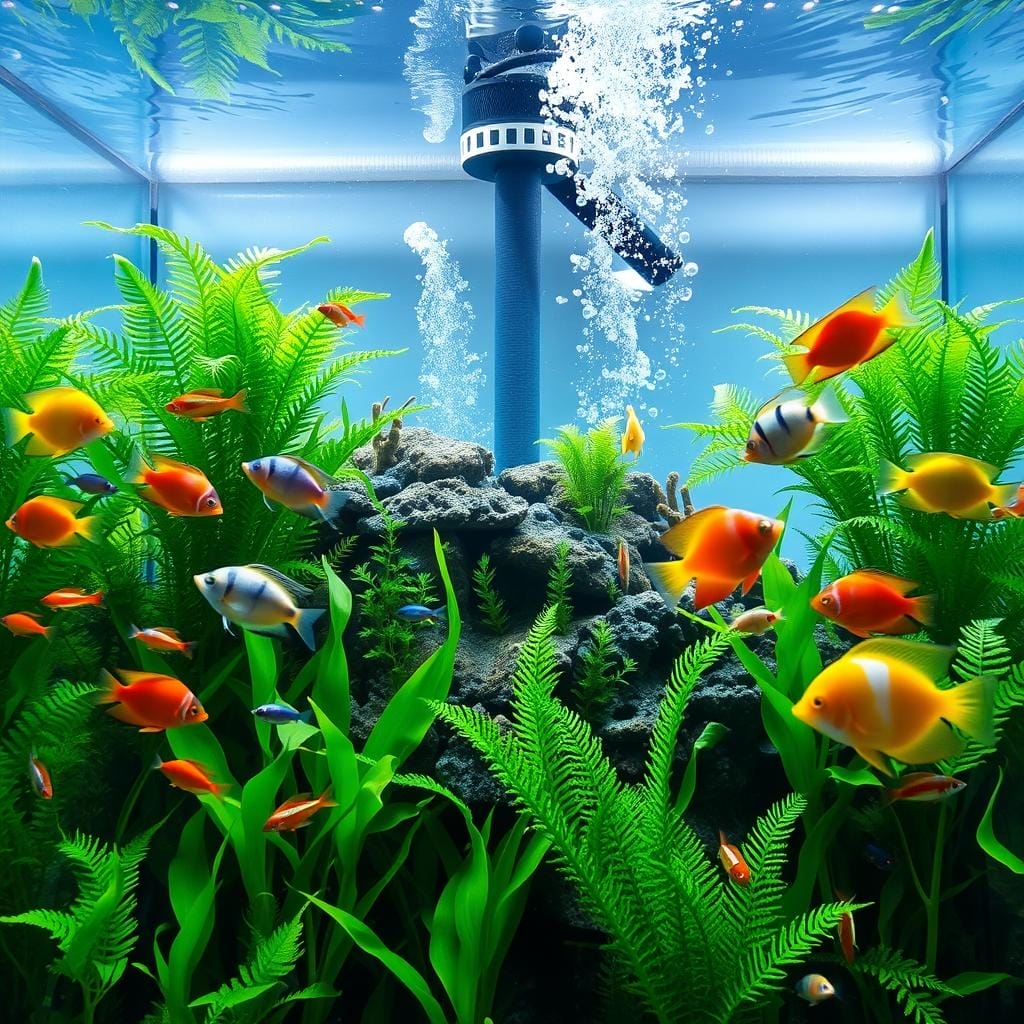
Live plants act as natural purifiers, absorbing excess nutrients through their roots and leaves. Pair them with proper lighting for maximum growth and filtration benefits.
Utilizing Specialized Media and Additives
Modern filtration systems offer targeted solutions for stubborn issues. Try these effective options:
- Nitrate-absorbing resin cartridges
- Bio-pellets that enhance bacterial activity
- Protein skimmers for surface waste removal
Maintain your equipment with quarterly deep cleans, replacing media as manufacturers recommend. For sudden spikes, bacterial supplements jumpstart natural processing without harming tank residents.
Pro tip: Test water quality before and after implementing new methods. Track improvements to refine your approach over time. With consistent care, you’ll create a self-sustaining ecosystem that minimizes manual interventions.
Additional Insights for Aquarium Health and Safety
The silent guardians of your aquarium’s ecosystem reveal themselves through your fish’s behavior and vitality. What appears as routine tank maintenance directly impacts biological processes you can’t see – until symptoms emerge.
When Chemistry Threatens Life
Fish rely on efficient oxygen transport through their bloodstream. Toxic compounds can hijack this process, turning life-sustaining systems against your aquatic pets. You’ll want to watch for these critical indicators:
- Gills turning chocolate-brown – a visual alarm for impaired oxygen absorption
- Fish hovering near filter outputs or gasping at the surface
- Unusual lethargy despite stable water temperature
These signs often point to methemoglobinemia, where harmful substances block blood cells from delivering oxygen to vital organs. Young or stressed fish face higher risks, as their body systems work harder to compensate.
Maintaining pristine conditions involves more than periodic testing. Temperature swings and pH shifts can intensify chemical reactions, making existing issues more dangerous. Simple daily checks help you catch subtle changes before they escalate.
Your tank’s health depends on balanced interactions between all parameters. While nitrate control strategies matter, remember that dissolved oxygen and mineral content also play crucial roles. Observe feeding patterns – sudden appetite loss often precedes visible symptoms.
Proactive care creates resilience. Regular water changes support natural filtration while reducing stress on your fish’s immune systems. When every element works in harmony, your aquarium becomes a self-regulating sanctuary where life thrives effortlessly.
Final Considerations for a Thriving Aquarium Environment
The water flowing into your aquarium tells a story long before it reaches your fish. Public water supplies and private wells often carry hidden histories of agricultural runoff or septic system impacts. You hold the power to rewrite this narrative through smart source management.
World Health Organization standards exist for good reason – human-safe drinking water doesn’t always mean aquarium-safe. Test new water against their 10 mg/L nitrate-N guideline, remembering that fish face constant exposure unlike our intermittent intake.
Also Read: Tank Leaks Repair: Simple Steps to Fix Leaks
Farm fertilizers and urban runoff affect groundwater quality more than most realize. A simple pre-filter for tap water removes these invisible threats. Consider reverse osmosis systems if your region faces surface water contamination challenges.
Here’s the empowering truth: Your vigilance creates safer habitats than nature often provides. Regular testing beats guessing, and targeted filtration outperforms random water changes. Pair these practices with live plants that naturally process excess nutrients.
Remember, every drop matters. From source to tank, you’re crafting a liquid sanctuary where life flourishes. Stay curious, test often, and let science guide your care – your aquatic companions will thrive in response.
FAQ
How do nitrites and nitrates affect my fish?
Elevated amounts can stress aquatic life, reducing oxygen transport in their bloodstream. Long-term exposure weakens immune systems and increases disease susceptibility. Regular testing helps catch imbalances early.
What’s the fastest way to lower dangerous concentrations?
Partial water changes (25-50%) immediately dilute toxins. Pair this with biological filtration upgrades like Seachem Matrix or Fluval Cycle to boost beneficial bacteria that break down harmful compounds.
Can live plants help maintain safer conditions?
Yes! Species like hornwort or java fern absorb excess nutrients through their roots and leaves. They act as natural filters while improving tank aesthetics—a win-win for ecosystem balance.
Are tap water sources ever responsible for high readings?
Occasionally. Municipal supplies sometimes contain trace amounts from agricultural runoff. Use a quality conditioner like API Tap Water Neutralizer before adding new water to your aquarium.
How does overfeeding contribute to these issues?
Uneaten food decays, releasing organic waste that fuels nitrogen cycles. Feed smaller portions your fish finish within 2 minutes, and vacuum substrate weekly to prevent buildup.
Do saltwater tanks face the same risks as freshwater systems?
While the nitrogen cycle operates similarly, marine environments often require stricter control. Protein skimmers and refugiums with macroalgae like Chaetomorpha are particularly effective for reef tanks.
Ammonia conversionAquarium testingAquarium water qualityAquatic HealthFish tank maintenanceNitrateNitriteNitrogen cycleUnderstanding water parametersWater quality management
Hi, I'm Millie a passionate fish enthusiast and blogger. I loves learning about all kinds of aquatic creatures, from tropical fish to stingrays.