
Tank Leaks Repair: Simple Steps to Fix Leaks
 Millie Douglas
Updated on: December 1, 2025 .
10 min read
Millie Douglas
Updated on: December 1, 2025 .
10 min read
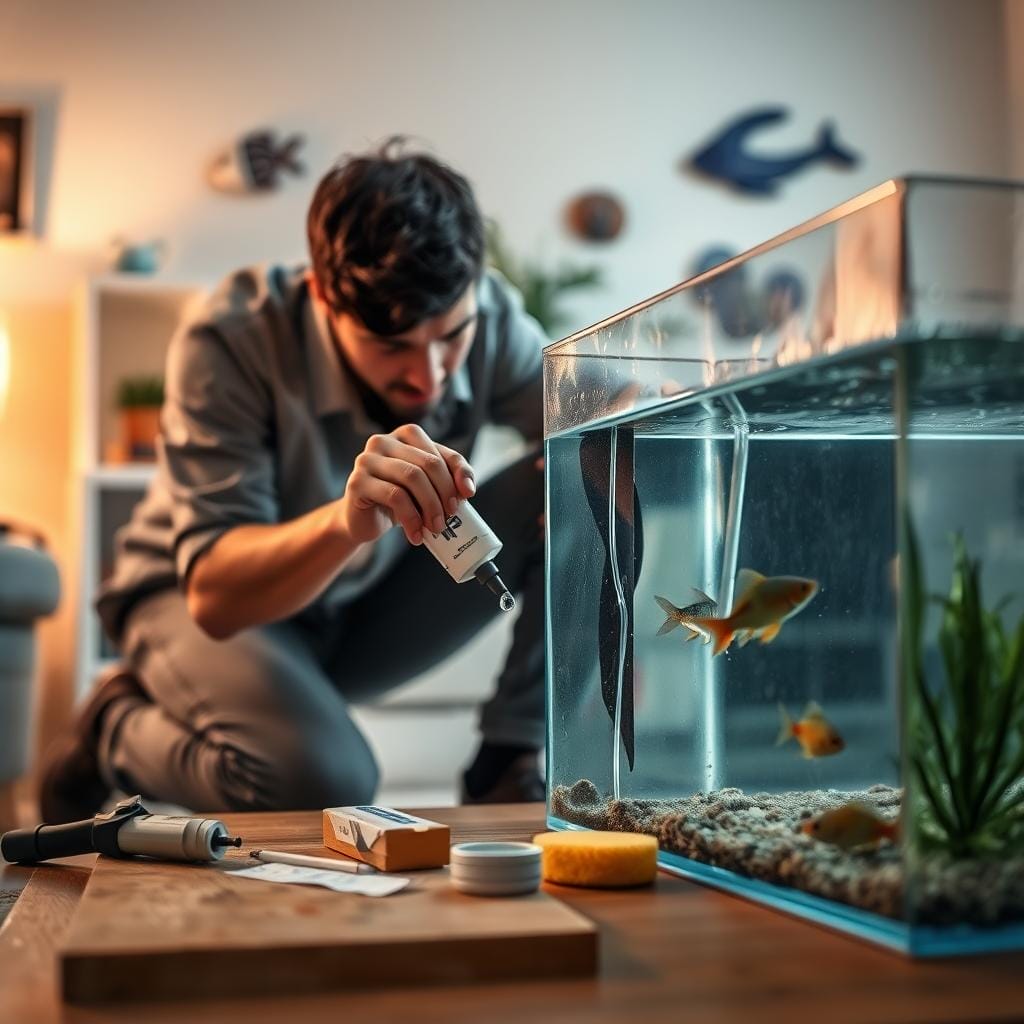
That sudden drip or damp spot can send a wave of panic through any fish keeper. You might worry about complex procedures, expensive tools, or even harming your aquatic pets.
But what if we told you that addressing this issue is often simpler than you think? Many traditional fixes can create more problems, like introducing harmful chemicals or requiring stressful, invasive work.
This guide is here to change that. We will walk you through a clear, safe path to restore your aquarium’s integrity. You’ll gain the confidence to handle everything from a tiny seepage to a more significant breach.
Understanding the right approach protects your finned friends, your home, and your peace of mind. Let’s begin this journey toward a secure and healthy underwater world.
Understanding Tank Leaks and Their Impact
Finding water where it doesn’t belong around your fish habitat naturally raises alarms. Understanding what causes these problems helps you address them effectively before they escalate. Early detection makes all the difference in maintaining your aquatic environment’s health.
Common Causes and Signs of Leaks
Several factors can lead to containment issues in your setup. Corrosion from water chemistry, physical impacts, or seam deterioration are typical culprits. Rust buildup in moisture-prone areas also contributes to these challenges.
Watch for warning signs like unexplained water level drops or damp spots near the base. Visible rust or wetness where your container contacts supports indicates potential trouble. These symptoms often appear at welded joints or where debris accumulates.
Safety Risks and Environmental Concerns
Beyond water waste, leaking containers pose serious safety considerations. Stagnant water can harbor harmful bacteria, while chemical containers risk contamination. Structural weaknesses may worsen rapidly if ignored.
Environmental impacts extend to soil and groundwater contamination. Addressing corrosion early prevents minor surface issues from becoming major defects. This proactive approach protects both your aquatic friends and surrounding ecosystems.
Preparation: Tools, Materials, and Safety Measures
Proper preparation with quality tools and materials sets the foundation for a successful containment restoration. Taking time to gather everything you need beforehand prevents frustrating interruptions during your project.
Essential Equipment and Repair Products
Your toolkit should include surface preparation items like grinders, sandpaper, and degreasers. These help create the clean surface needed for proper adhesion.
For the actual restoration, choose products based on your container’s material. Stainless steel surfaces work well with resin compounds and ketone solutions. Aircraft-grade sealants offer excellent flexibility for various applications.
Industrial cold-bonding systems like Belzona provide permanent solutions. Having the right material makes all the difference in your final results.
Proper Safety Gear and Precautions
Safety equipment is non-negotiable for your protection. Gloves shield your hands from chemicals and sharp edges. Face masks protect your eyes from splashes.
Use respirators when working with spray applications or in enclosed spaces. Ensure good ventilation in your work area and keep all tools within easy reach.
This careful preparation means you’ll work more safely and achieve better outcomes. Your attention to detail now pays off with a job well done.
Step-by-Step Guide to Emergency Repairs
Facing an unexpected water escape situation requires quick thinking and systematic steps to protect your underwater environment. This clear process helps you address the issue effectively while keeping your aquatic friends safe.
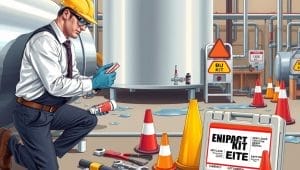
Surface Preparation and Cleaning Techniques
Your first step involves thorough surface preparation. Begin by completely draining your container and allowing it to dry completely. This creates the clean foundation needed for successful bonding.
Next, disconnect any fittings and identify all problem areas. Use a degreaser to remove contaminants from the surface. Proper cleaning ensures your materials adhere correctly.
Remove any rust using appropriate tools until you reach bare metal. Sand the area to create a rough surface for better adhesion. This preparation step is crucial for lasting results.
Initial Application of Repair Materials
Apply your chosen compound methodically to each identified area. Work the material firmly into openings, ensuring complete coverage without air pockets.
Allow adequate curing time according to manufacturer instructions. Rushing this step compromises the strength of your solution. Patience here ensures long-term success.
Remember that thorough preparation matters more than speed. Taking extra time with each step means your fix will perform better and last longer.
Tank Leaks Repair with Belzona Solutions
Belzona products provide you with advanced solutions that work under challenging conditions you might face. These professional-grade materials offer remarkable flexibility for addressing water containment issues.
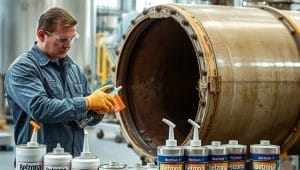
Overview of Belzona 9611 (ES Metal) and 1161 (Super UW-Metal)
Belzona 9611 gives you a rapid-curing putty for emergency situations. You can apply this material even while moisture is actively seeping through openings. The product cures quickly to create an immediate seal.
For permanent restoration, Belzona 1161 offers exceptional bonding capabilities. This specialized paste works on wet and oily surfaces without extensive preparation. You’ll appreciate how it displaces fluid during application.
Video Demonstration: Live Leak Repair
Watching professionals apply these materials builds your confidence tremendously. The video shows proper kneading techniques and application pressure. You’ll see how the uniform grey color indicates readiness.
Visual guidance helps you understand the metal plate bonding process clearly. The demonstration eliminates guesswork from your project. You can replicate these techniques with assurance.
This cold-bonding approach keeps your aquatic environment safe during restoration. You avoid risks associated with heat-based methods. The system maintains operational continuity beautifully.
Advanced Techniques: Welding, Brazing, and Cold-Bonding
Modern restoration methods offer you safer alternatives to traditional hot-work approaches. When your aquatic system needs attention, you have three main options to consider. Each technique has distinct advantages and considerations for your specific situation.

Comparing Repair Methods and Their Trade-Offs
Traditional welding has been one method for metal container restoration for decades. However, this approach requires significant safety precautions. The heat involved creates real risks, especially with containers that held flammable materials.
Brazing presents similar challenges to welding, using heat that can cause bi-metallic corrosion. This often leads to new problems developing over time. Both methods require complete shutdown of your system during the work.
Cold-bonding techniques eliminate these safety concerns entirely. You won’t deal with sparks, flames, or heat that could damage components. This method allows you to address issues while your system remains operational.
When comparing these approaches, cold-bonding emerges as the most practical choice for most situations. It’s safer, faster, and doesn’t require specialized certification. The results provide permanent solutions that rival traditional metal joining methods.
Repairing Stainless Steel Tanks and Addressing Corrosion
Your stainless steel water tank is built for durability, but even the strongest materials need proper care to maintain their integrity over the years. While highly resistant to rust, these containers can still develop issues that require your attention.
Understanding the right approach ensures your system remains secure and functional. The proper techniques protect your investment and prevent small problems from becoming major concerns.
Maintenance Tips for Stainless Steel and Metal Tanks
When addressing openings in your steel container, specific products work best. A resin compound mixed with ketone solution creates a flexible, waterproof seal designed for this material.
The application process involves spraying the mixture directly onto the interior surface around each opening. This ensures complete coverage that seals even tiny pinholes effectively.

You’ll need to allow sufficient drying time—typically 72 hours—after applying the solution. This waiting period lets the ketone evaporate completely, leaving behind only the safe, cured resin.
Preventative Strategies Against Future Leaks
Regular inspection is your best defense against future issues. Check seams, welds, and areas where moisture tends to accumulate. Early detection saves you time and money.
For long-term protection, apply etch primer to bare metal areas. This improves paint adhesion and creates a chemical barrier against rust. Consider additional protective layers like polyurethane film for vulnerable spots.
Replace worn vibration pads with water-resistant foam materials. Keep the exterior clean and dry to prevent corrosion from starting. These simple steps significantly extend your container’s lifespan.
For detailed guidance on addressing specific issues, our comprehensive stainless steel tank repair guide provides step-by-step instructions.
Optimizing Tank Repairs During Online Operations
Modern repair techniques let you maintain operations while fixing problems as they occur. This approach saves you valuable time and prevents stressful shutdowns that could harm your aquatic environment.
You’ll appreciate how these methods keep your system running smoothly. They minimize disruption to your fish and plants while addressing the issue effectively.
Minimizing Downtime with Quick Fix Solutions
Quick solutions give you immediate relief when dealing with water containment issues. Products like rapid-curing putties stop active problems in minutes.
This buys you precious time to plan more permanent work during scheduled maintenance. You won’t face the pressure of rushing complex repairs.

Effective Strategies for Onsite Live Leak Repairs
Having the right materials ready makes all the difference. Keep an emergency kit on hand so you can respond immediately when issues develop.
The two-stage approach works beautifully for most situations. First, use a fast-curing product to stop the active leak. Then apply a permanent solution once things stabilize.
For detailed guidance, our live leak repair resource shows you exactly how professionals handle these challenges. You’ll gain confidence seeing the techniques in action.
This proactive strategy ensures your aquatic environment stays healthy and secure. You’ll handle problems with ease while keeping everything running smoothly.
Final Thoughts on Tank Leaks Repair and Long-Term Tank Health
Your journey toward secure and healthy aquatic environments doesn’t end with a single fix. The step-by-step process you’ve mastered empowers you to handle any water containment issues confidently. Remember that quality materials and proper preparation create lasting solutions.
Long-term success comes from regular inspections and preventative care. Check seams and contact points frequently to catch problems early. Keeping your system clean and monitoring high-risk areas extends its lifespan significantly.
For comprehensive preventative strategies, explore our detailed guides. Cold-bonding techniques offer safe, effective alternatives to traditional methods. These approaches protect both your investment and your aquarium fish health.
You now have the tools and knowledge to maintain a thriving underwater world. Trust your skills, stay proactive, and enjoy the peace of mind that comes with proper aquatic system care.
FAQ
What is the best way to fix a small hole in my metal water tank without draining it?
For a quick, effective solution on a live system, a cold-bonding product like Belzona Super UW-Metal is ideal. It cures underwater, bonds strongly to steel, and can be applied to a clean, prepared area to seal the hole immediately, minimizing downtime.
Can I use a standard epoxy to stop a leak in my stainless steel container?
A> While some epoxies might offer a temporary fix, it’s crucial to use a material specifically designed for metal and water contact. Products like Belzona ES Metal are engineered for this purpose, offering superior adhesion and resistance to corrosion, ensuring a durable, long-term solution.
How do I properly prepare the surface around a leak before applying a repair material?
Surface preparation is the most critical step for a successful fix. You must thoroughly clean the area, removing all corrosion, debris, and any coatings. A clean, dry, and slightly roughened metal surface ensures the best possible bond for the repair product to adhere to securely.
Is welding a better option than using a cold-applied compound for a major leak?
Welding can be a permanent solution but often requires draining the container, specialized tools, and a skilled professional. For many situations, especially when you need to avoid operational shutdown, advanced cold-bonding methods provide a reliable, strong, and much faster alternative.
What are some key preventative measures to avoid future leaks in my water storage unit?
Regular maintenance is your best defense. Conduct routine inspections for early signs of corrosion or stress. Keeping the interior clean and addressing minor issues promptly with the right materials can prevent small problems from turning into major leaks, protecting your asset’s long-term health.
DIY Tank Leak FixFixing Tank LeakageLeaking Tank RepairRepairing Tank LeaksTank Leak DetectionTank Maintenance TipsWater Tank Leak Solutions
Hi, I'm Millie a passionate fish enthusiast and blogger. I loves learning about all kinds of aquatic creatures, from tropical fish to stingrays.