
Your Guide to Using Water Testing Kits for Aquarium Success
 Millie Douglas
Updated on: July 16, 2025 .
8 min read
Millie Douglas
Updated on: July 16, 2025 .
8 min read
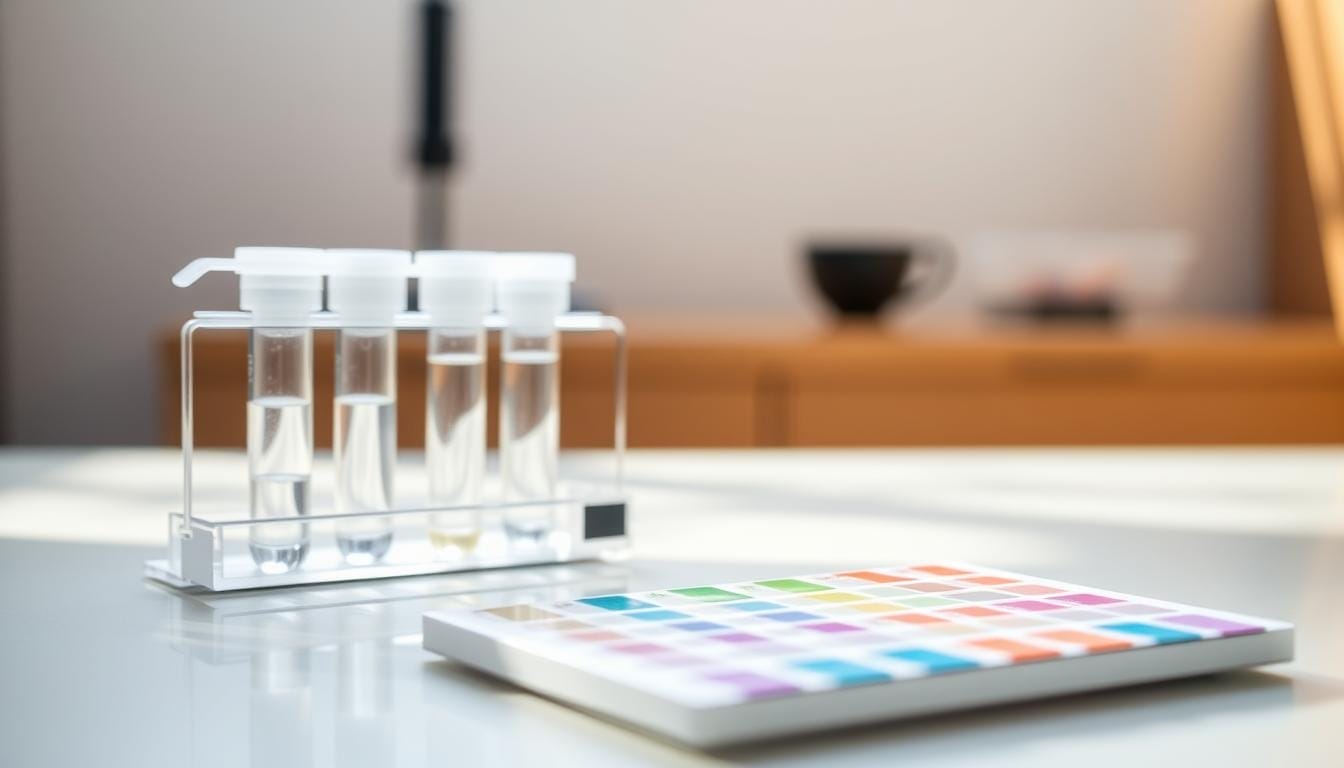
Did you know nearly 90% of aquarium fish health issues trace back to unstable tank conditions? Your aquatic friends rely entirely on the environment you create. That’s where regular monitoring becomes your secret weapon for a thriving underwater world.
Think of these tools as your aquarium’s health checkup system. They reveal invisible threats like pH swings or ammonia spikes before they harm delicate species. Whether you’re nurturing a peaceful freshwater community or a vibrant coral reef setup, understanding your tank’s chemistry is non-negotiable.
This guide simplifies the process, showing you how to choose reliable equipment and interpret results like a pro. You’ll learn to spot warning signs early and take swift action. Imagine watching your fish display brighter colors and more active behaviors—proof you’ve nailed their habitat needs.
Consistent care doesn’t just prevent disasters. It saves you money on emergency treatments and replacements. We’ll walk through each step, from setting up a testing routine to balancing parameters with confidence. Ready to transform guesswork into precision?
Understanding Aquarium Water Quality
Your fish’s vibrant colors and active behaviors tell a story about their environment. What you can’t see might surprise you—hidden chemical imbalances affect their world more than visible changes.
Life in Liquid Balance
Every breath your fish takes depends on precise chemical ratios. The right pH level lets their gills absorb oxygen efficiently. Ammonia spikes from waste can burn delicate tissues within hours.
Four essentials demand your attention:
- pH stability keeps metabolic processes running smoothly
- Nitrogen compounds must stay near zero to prevent poisoning
- Mineral content supports shell growth and scale health
- Dissolved oxygen levels dictate energy and vitality
Silent Threats in Clear Liquid
Over half of aquarium issues stem from invisible contaminants. Tap liquid often contains chlorine that destroys protective slime coats. Heavy metals from pipes accumulate slowly, causing nerve damage over time.
Watch for these common intruders:
- Harmful bacteria from decaying food or overcrowding
- Nitrates creeping up between partial changes
- Phosphate surges feeding unwanted algae blooms
Regular checks help you catch imbalances before symptoms appear. You’ll spot trends through consistent tracking—like rising hardness from evaporating liquid. Your vigilance creates the stable home aquatic life deserves.
Selecting the Right Water Testing Kits for Your Aquarium
Your aquarium’s health hinges on precise data—choosing the best tools makes all the difference. With options ranging from instant strips to professional-grade analyzers, finding your perfect match requires understanding what each method offers.

Key Features to Look For
Start by matching the test kit type to your needs. Basic strip tests work for quick checks, while liquid reagent kits deliver lab-like precision for critical parameters. Digital meters shine for tracking pH or conductivity but demand regular calibration.
Always make sure your chosen option covers these essentials:
- Freshwater/saltwater-specific measurements
- Clear color charts for easy interpretation
- Expiration dates on chemical reagents
Cost and Quality Considerations
Budget-friendly strips cost less upfront but may lack accuracy for troubleshooting. Comprehensive liquid kits provide better value long-term, testing 5-7 parameters at once. For complex issues, consider professional laboratory services—they’re pricier but identify contaminants most home tests miss.
Three factors balance cost and reliability:
- Manufacturer reputation (look for laboratory accreditation mentions)
- Replacement reagent availability
- Included instructions for corrective actions
Remember: Consistent results matter more than a low price tag. Your fish’s wellbeing depends on data you can trust.
Step-by-Step Guide to Using Water Testing Kits
Accurate results start long before you open your test kit. Proper technique transforms random checks into reliable data that protects your aquatic ecosystem.
Preparing Your Test Area and Equipment
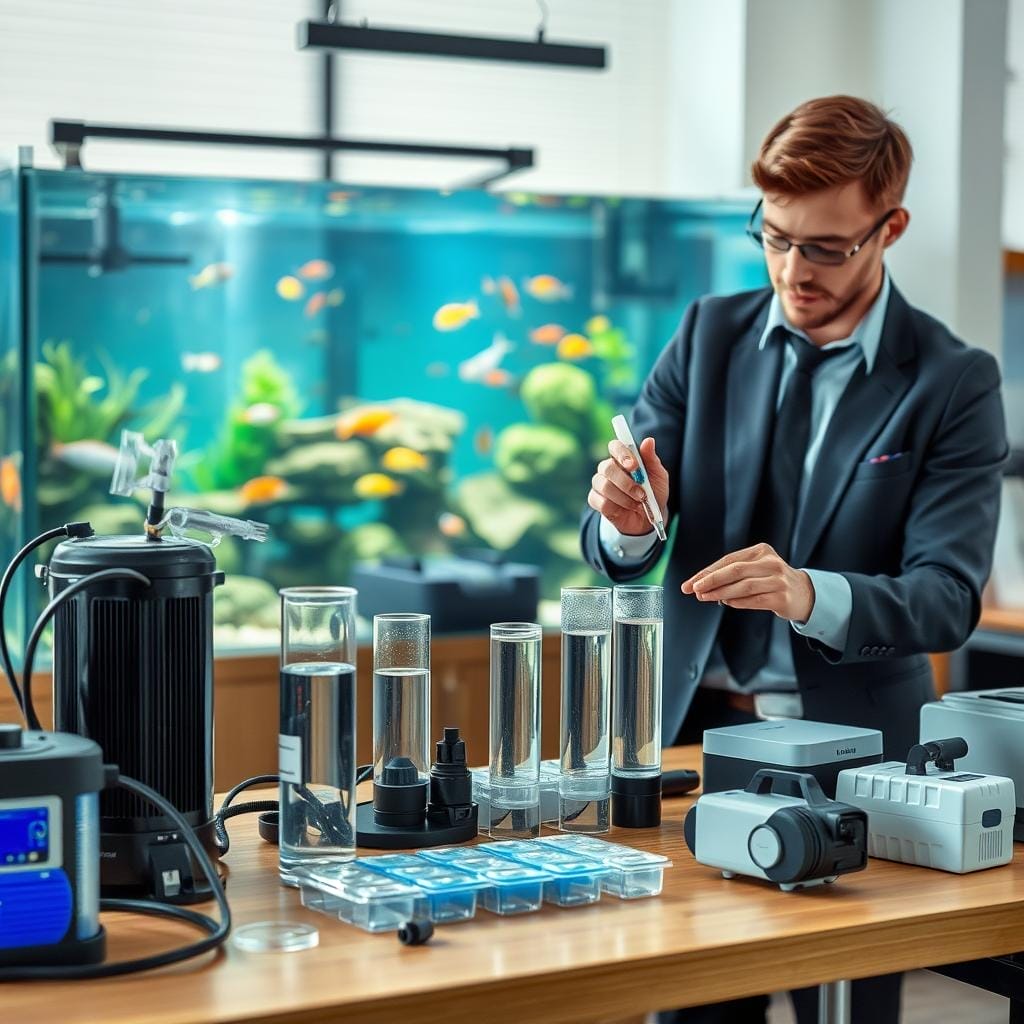
Clear a flat surface with bright, natural light. Wipe down tubes and syringes with lint-free cloths to prevent residue interference. Check expiration dates on chemical reagents—old solutions skew readings.
Collecting and Submitting Samples
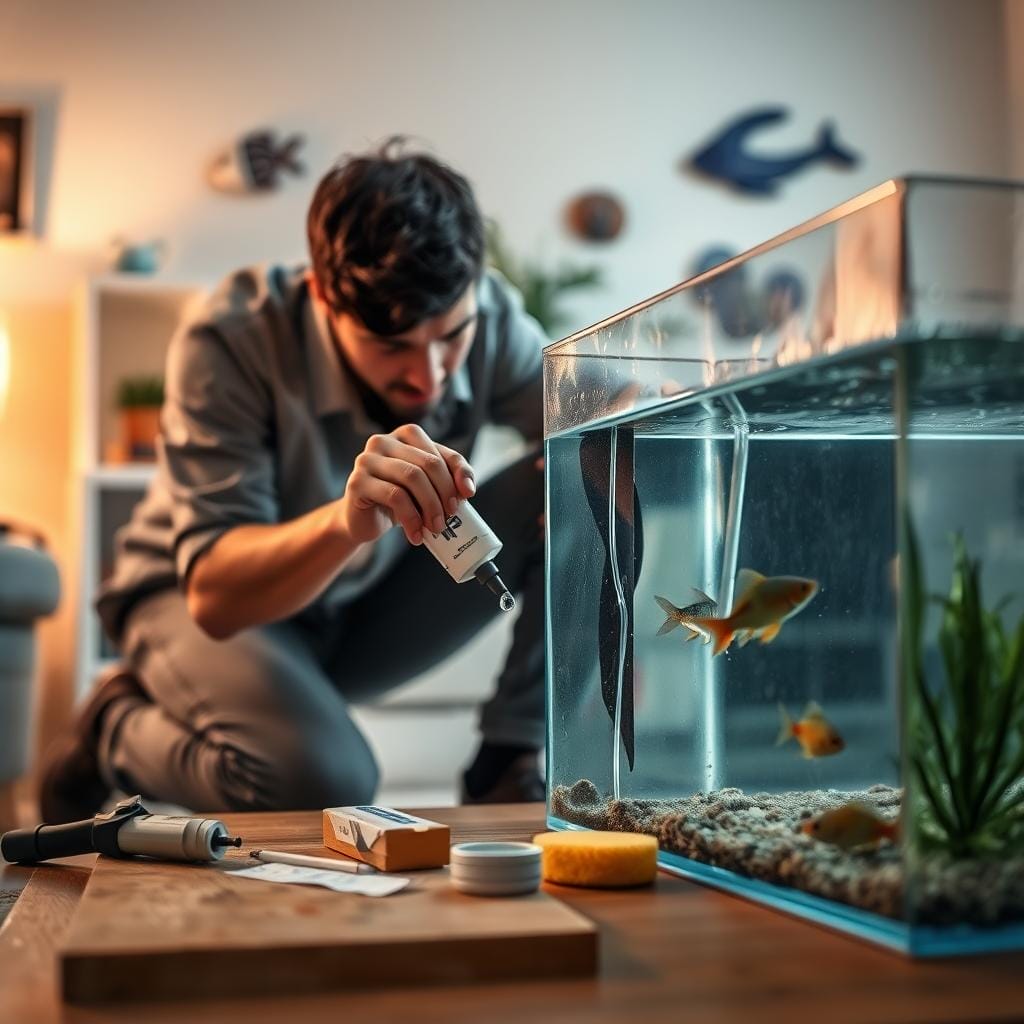
Grab liquid from three zones: surface, mid-tank, and substrate level. Use separate syringes for each area. Your first draw matters most—capture it before feeding fish or cleaning filters.
For lab analysis, seal sterile containers immediately after collection. Ship within 24 hours to meet the 30-hour bacteria testing window. Label each container with collection time and location using waterproof markers.
Reviewing Expected Timelines
Home kits deliver instant test results through color charts. Compare swatches under daylight within the specified 2-5 minute window. Professional labs need 14 days for comprehensive reports—mark your calendar to review findings promptly.
Track trends in a dedicated notebook. Note any equipment changes or treatments applied between checks. This history helps spot patterns, like nitrate creep after overfeeding.
Interpreting and Acting on Your Test Results
Decoding your aquarium’s chemical signals transforms numbers into actionable insights. Wait for all results to arrive before making changes—partial data might mislead you. Think of each parameter as a puzzle piece: only when assembled do they reveal the full picture.

Smart Response Strategies
Start by comparing findings to your fish species’ ideal ranges. Neon tetras thrive in softer conditions than African cichlids, for example. If multiple values look concerning, tackle them in this order:
- Life-threatening spikes (ammonia/nitrites) first
- Bacterial contamination requiring isolation or treatment
- Mineral imbalances affecting long-term health
Naturally occurring elements in your source liquid might need continuous management. If pipes introduce copper or lead, install permanent filtration. Document every adjustment and its effects—this log becomes your troubleshooting playbook.
When harmful bacteria appear, act fast but methodically. Quarantine sick fish, sterilize equipment, and reintroduce beneficial microbes. Remember: Most issues resolve with consistent care. Your calm response today builds a resilient ecosystem tomorrow.
Integrating Regular Testing into Your Aquarium Maintenance
Consistency transforms occasional checks into a powerful prevention strategy. Like brushing your teeth daily, routine monitoring builds habits that keep aquatic ecosystems thriving. Let’s design a rhythm that fits your schedule while safeguarding delicate life.

Scheduling Routine Checks
Think of your calendar as a health tracker for your tank. New setups demand weekly attention—test ammonia and nitrite levels every 7 days using reliable testing equipment. Established systems benefit from this pattern:
- Monthly: Full parameter scan (pH, hardness, nitrates)
- Quarterly: Bacterial screening and dissolved oxygen checks
- Annually: Compare source liquid and tank chemistry
Boost frequency when introducing new fish or after medication cycles. Document dates in a dedicated journal—you’ll spot trends faster.
Translating Data into Defense
Your records reveal stories numbers alone can’t tell. Notice pH drifting upward every summer? Municipal treatment shifts might explain it. Try these proactive steps:
- Match test results to specific fish behaviors
- Cross-reference with local drinking water reports
- Use multi-parameter analysis during seasonal changes
Caught a nitrate creep before algae exploded? That’s victory. Each adjusted parameter strengthens your tank’s resilience, letting you relax between scheduled checks.
Finalizing Your Aquarium Water Care Routine
Crafting a reliable care routine connects your tank’s needs with broader environmental safeguards. Sync your schedule with local public water system reports—many municipalities update treatment methods seasonally. These shifts affect your liquid source’s mineral balance, requiring adjustments during partial changes.
Bookmark your state drinking water program’s website for annual reports tracking coli bacteria and total coliform levels. If using private wells, partner with labs offering professional analysis, since these sources lack government oversight. Keep your inspector’s email handy for sudden parameter changes.
Build relationships with certified labs for complex issues like naturally occurring heavy metals. Share first-draw samples when contaminants might concentrate overnight. Your network matters—connect with local fish clubs to exchange troubleshooting tips.
Remember: Consistency beats perfection. Track trends, adapt gently, and celebrate each balanced result. Your dedication creates a sanctuary where aquatic life thrives through informed, compassionate care.
FAQ
How often should I test my aquarium’s water?
Test weekly for ammonia, nitrites, and nitrates, especially in new tanks. Established tanks can be tested every 2–4 weeks. Always check after adding fish, changing decor, or noticing unusual behavior. Regular testing helps catch issues before they harm your aquatic pets.
Also Read: Tank Leaks Repair: Simple Steps to Fix Leaks
What contaminants pose the biggest risk to fish health?
Ammonia and nitrites are toxic even at low levels. High nitrates stress fish over time, while pH swings disrupt biological processes. Chlorine from tap water and heavy metals like copper (from medications) also require monitoring.
Are liquid test kits better than test strips?
Liquid kits like the API Freshwater Master Test Kit offer precise measurements for critical parameters. Strips work for quick checks but may lack accuracy. For sensitive species or complex setups, invest in reliable liquid tests.
How do I fix unsafe ammonia levels?
Start with a 25% water change using dechlorinated water. Check filter media for clogs and ensure beneficial bacteria colonies are thriving. Avoid overfeeding, and consider adding live plants like java fern to absorb excess nutrients naturally.
Can testing kits expire or give false results?
Yes. Reagents lose potency over time—check expiration dates. Store kits in cool, dry places away from light. Always rinse tubes thoroughly after use, and follow timing instructions exactly for accurate readings.
Do I need separate kits for saltwater and freshwater tanks?
Some kits like Seachem MultiTest Marine are saltwater-specific. Freshwater kits won’t measure salinity or alkalinity accurately for marine environments. Always match the kit type to your aquarium’s needs.
How long does testing take?
Most liquid tests require 5–10 minutes per parameter. Plan 30 minutes to test pH, ammonia, nitrites, and nitrates together. Keep a logbook to track trends and simplify adjustments.
What if my pH doesn’t match my fish’s ideal range?
Avoid sudden changes. Use natural buffers like crushed coral (to raise pH) or driftwood (to lower it). Adjust gradually over days, and retest to confirm stability. Most fish adapt better to consistent “wrong” pH than erratic shifts.
Hi, I'm Millie a passionate fish enthusiast and blogger. I loves learning about all kinds of aquatic creatures, from tropical fish to stingrays.