
Setting Up Your 200 Gallon Tank: A Step-by-Step Guide
 Millie Douglas
Updated on: December 1, 2025 .
11 min read
Millie Douglas
Updated on: December 1, 2025 .
11 min read

Have you ever wondered if creating a massive, breathtaking underwater world is a project only for experts?
Let’s change that belief right now. You are about to start an amazing journey. This process will turn a corner of your home into a stunning aquatic display. We are here to walk with you every step of the way.
Building a large aquatic habitat is a deeply rewarding project. It does need careful thought. But don’t let that worry you. We will break the entire process into simple, manageable steps. Anyone can follow this clear path to success.
Do you dream of a vibrant saltwater reef? Or perhaps a peaceful freshwater paradise? This guide will help you build the perfect home for your fish. You will learn how to pick the ideal spot in your house. We will cover choosing the best gear and designing a beautiful aquascape.
This is more than just filling a large container with water. It is about creating a living, thriving ecosystem. This beautiful centerpiece will bring joy and calm to your life every day.
Initial Planning and Site Preparation
Before the excitement of choosing fish begins, a little groundwork will ensure your large aquarium is a safe and stable feature for years to come. This initial phase is all about making smart choices for your home and peace of mind.
Assessing Your Home Space and Structural Needs
The most important consideration is weight. A fully equipped aquarium of this size can weigh over a ton. You must confirm your floor can support this constant load.
This is especially critical for rooms on upper levels. If you have any doubts, consulting a structural engineer is a wise investment. They can assess your floor joists and confirm everything is secure.
Measuring Dimensions and Weight Considerations
Next, grab a tape measure. You need to know the exact length, width, and height your space can accommodate. Remember to factor in the stand and room for maintenance.
Here are the key areas to measure:
- The footprint for the aquarium and stand.
- Clearance height for lids and lights.
- Doorways, hallways, and stairwells for delivery.
Also, think about proximity to electrical outlets and a water source. Easy access makes routine care much simpler.
Essential Steps for 200 gallon tank setup
With your space assessment complete, you’re ready to tackle two critical choices that will shape your aquatic masterpiece. These decisions will impact both the beauty and functionality of your display for years to come.

Choosing Between Glass and Acrylic Construction
Glass aquariums offer exceptional clarity that stays crystal-clear over time. Premium models use ultra-thick, high-clarity glass that provides stunning viewing from every angle. You’ll love how resistant glass is to scratching during routine maintenance.
Acrylic options are significantly lighter, which can ease concerns about floor support. While acrylic allows for more custom shapes, it requires gentle handling to avoid surface marks. Each material has distinct advantages for your specific needs.
Finding the Perfect Home Location
Select a spot away from direct sunlight to prevent algae issues and temperature swings. Your chosen area should allow easy access to the front for daily enjoyment and feeding.
Remember to leave room around the sides and back for equipment maintenance. Consider how the display will look from different viewing angles in your living space. Quality construction features like pre-installed leveling mats make the installation process smoother.
Take your time with these choices—once filled with water, moving your aquarium becomes incredibly difficult.
Building the Ideal Aquarium Environment
The heart of a thriving aquatic display lies in the quality of the water and the systems that support it. This process is your most important job as an aquarist. A healthy environment keeps your fish happy and your maintenance time manageable.
Water Quality and Filtration System Essentials
Clean water is the foundation of life in your aquarium. For a large tank, you need a powerful filter that can handle the size. It should process all the water multiple times every hour.
Sump systems are excellent for this job. A model like the NUVO RFS offers a massive 74-gallon capacity. You will love its organized compartments for different filtration stages. This keeps the process efficient and nearly silent.

Plumbing Setup and Electrical Considerations
Your plumbing process connects everything. Modern kits come pre-assembled to save you time and guesswork. The length of your pipes and number of bends affect water flow. Keep runs short for best results.
Your return pump is the system’s engine. Aim for a flow rate between 1000-2000 GPH. This creates ideal movement without stress.
Electrical safety is non-negotiable. Always use GFCI outlets. Create drip loops in all cords. This simple step prevents dangerous accidents. Test everything with fresh water before you finalize your setup.
Installing Specialized Equipment and Safety Systems
Now comes the exciting part where your aquatic system transforms from a beautiful container into a fully functioning ecosystem. This process integrates the mechanical heart that keeps everything running smoothly.

Overview of Sump, Return Pumps, and Preassembled Kits
The sump sits hidden below your display, housing filtration equipment for a clean front view. Your return pump moves water back to the main display. Advanced models like the MightyJet XL offer adjustable flow rates perfect for your aquarium needs.
Preassembled plumbing kits save you valuable time. Everything arrives ready to install with premeasured connections. This eliminates hours of cutting and gluing pipes.
Integrating Safety and Overflow Mechanisms
Safety features are crucial for peace of mind. The Bean Animal drain system uses three separate lines for fail-safe operation. It’s one of the quietest and most reliable methods available.
The trapezoid infinity overflow maximizes viewing area across your tank’s width. Run-dry protection automatically shuts off pumps if water levels drop too low.
Always test systems before adding fish. Fill with fresh water and verify everything works correctly. This simple step ensures your aquatic environment remains secure.
Designing a Stunning Aquascape
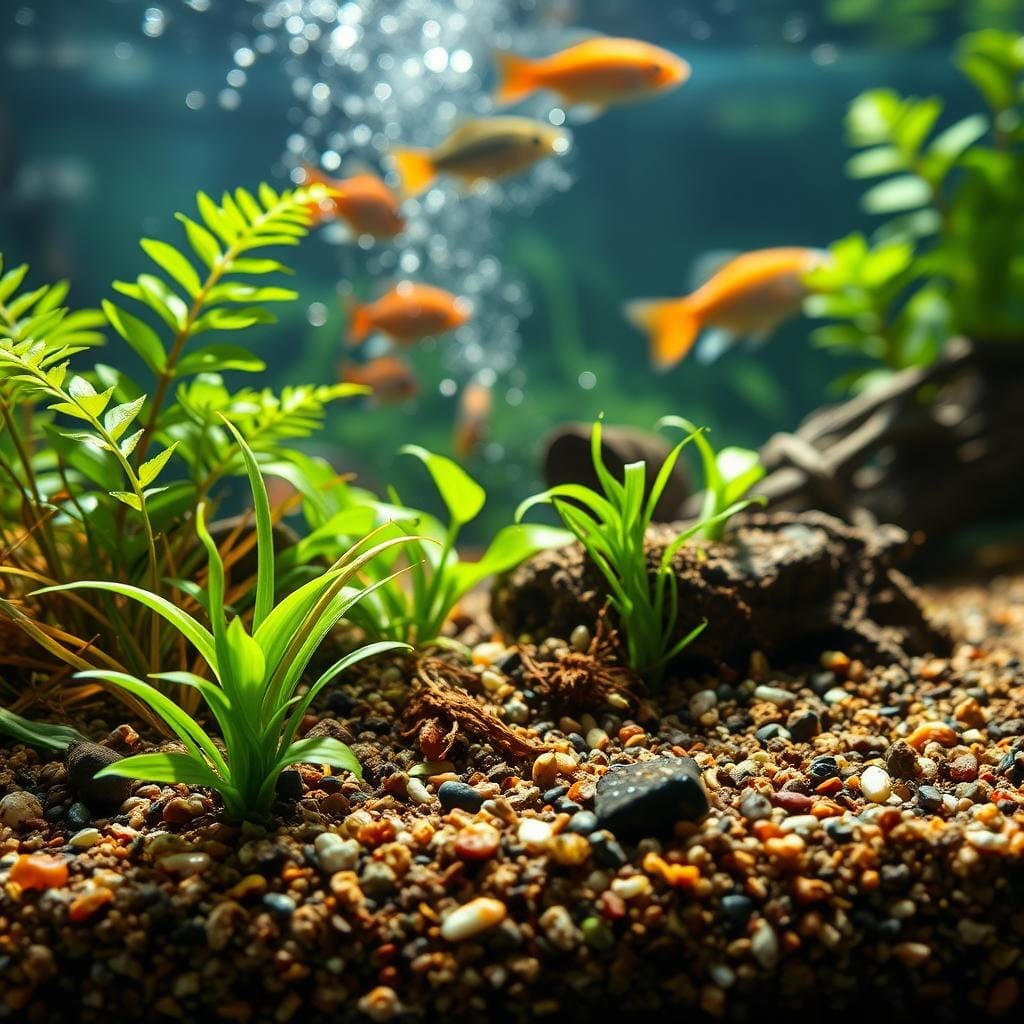
This is where your vision truly comes to life. Designing the interior of your large aquarium is the most creative part of your project. It’s your chance to build a beautiful underwater world that reflects your personal style.

Think of your layout as a three-dimensional painting. You view it through the crystal-clear glass from the front. Create depth and interest at every level. Use rocks and driftwood to form caves and swimming lanes.
Tips for Layout, Decor, and Live Stocking
Plan your design on paper first. This saves you time and helps you visualize the final look. Arrange your hardscape in a natural way. Avoid perfect symmetry for a more authentic feel.
Leave enough space between decorations and the glass. This ensures you can clean every area easily. Your maintenance routine should not disrupt your beautiful creation.
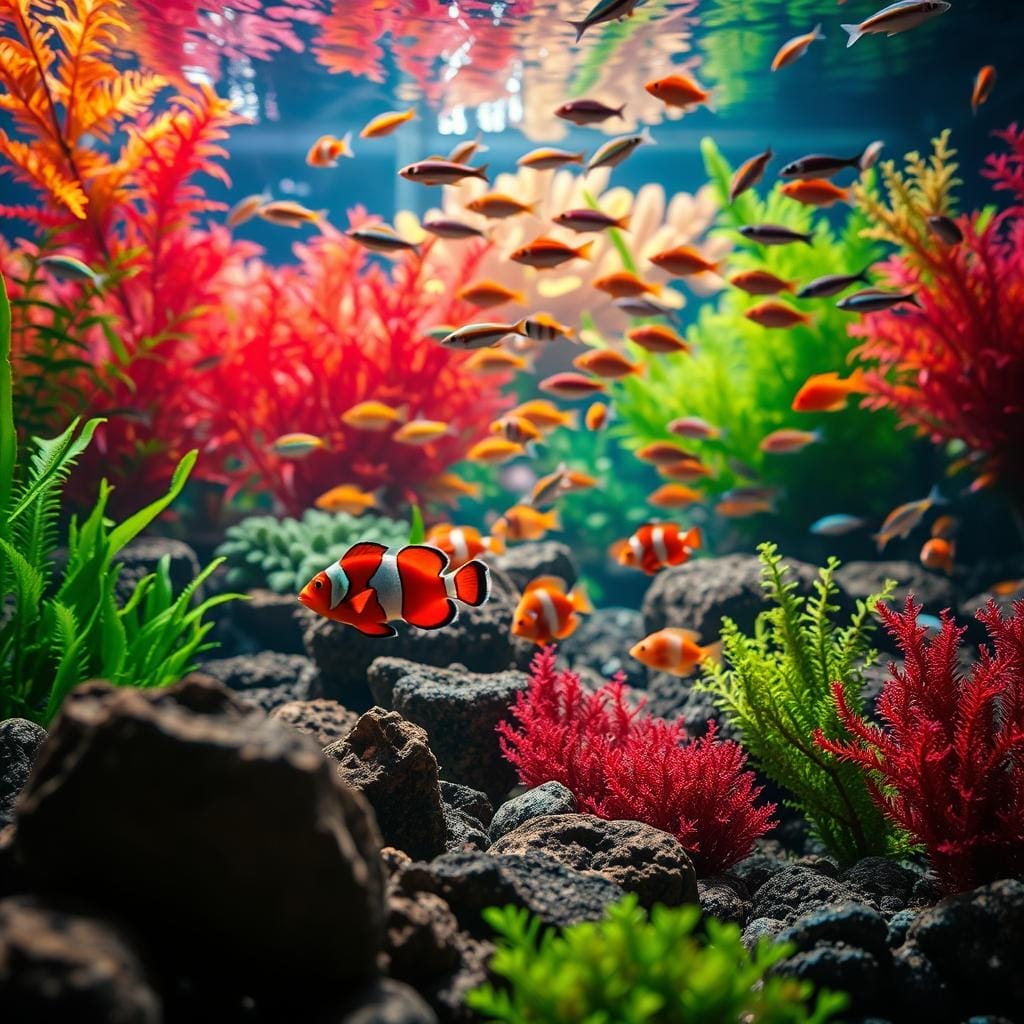
The generous size of your aquarium opens up amazing stocking options. You can keep larger, more impressive fish. You can also create huge schools of smaller species. For great ideas, look at this aquascaping inspiration.
Research each species’ adult size and temperament. Add fish slowly over time. This allows your ecosystem to adjust. The goal is a harmonious display where everything works together in a stunning way.
Custom Build Techniques Versus Standard Models
When planning your aquatic masterpiece, one of the most important decisions you’ll face is choosing between a custom-built aquarium and a standard model. This choice affects your budget, timeline, and creative freedom.

Standard models offer proven designs that work well for most situations. They’re typically more affordable and available faster. Premium systems like the NUVO INT show you can get excellent quality without custom work.
Evaluating Customization for Unique Displays
Custom builds give you complete control over dimensions and features. You can maximize every inch of available space or create unusual shapes. This flexibility comes at a premium price and longer wait times.
If you have specific length requirements or awkward room corners, custom may be your only option. Acrylic fabrication allows curved viewing panels and unique overflow placements that standard glass construction can’t match.
The ordering process for high-end systems takes planning. Quality builds may require 4-6 months from order to delivery. You can see detailed examples of premium systems in this Innovative Marine build thread.
Consider your long-term plans before choosing. Standard sizes offer better resale value if you might move. Custom pieces are built for specific locations and become permanent fixtures.
Optimizing the Setup for Different Aquarium Styles
Your large aquatic display is a blank canvas, ready to reflect your personal taste and style. The choices you make now will shape its character and determine your daily enjoyment.
Whether you envision a vibrant saltwater reef or a serene freshwater landscape, each path offers unique rewards. Your equipment and design should support your vision perfectly.
Adapting for Saltwater and Freshwater Environments
A saltwater system needs specialized gear. You will require a protein skimmer and materials that resist corrosion. Monitoring water quality becomes more precise.
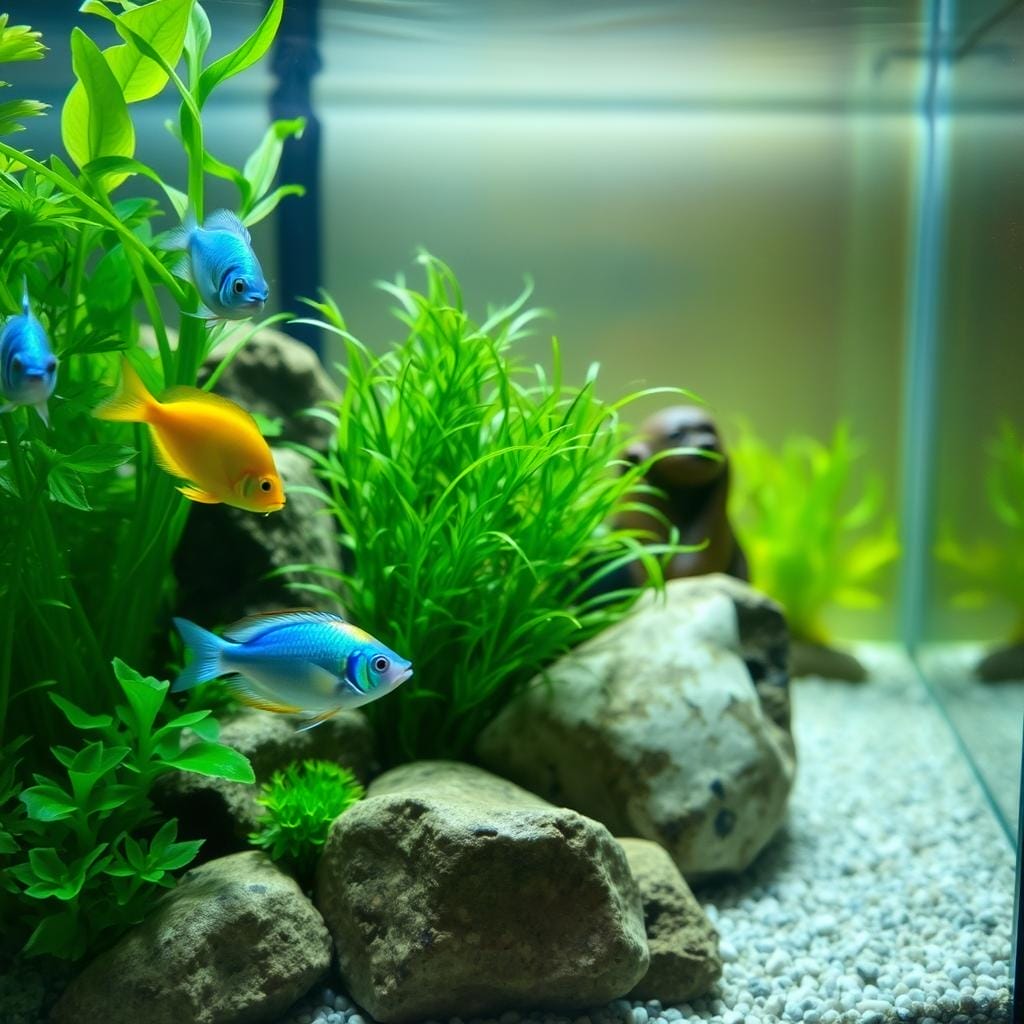
Freshwater setups are often more forgiving. They allow for incredible diversity, from lush planted low-maintenance cube-shaped aquarium designs to rocky habitats for cold-water species.

Think about the time you can commit. A marine aquarium typically demands more frequent care. Choose the style that fits your lifestyle.
Balancing Functionality with Visual Appeal
The best designs hide necessary features without sacrificing performance. A coast-to-coast overflow keeps the front view clean. It handles water flow efficiently.
Your goal is a beautiful way to enjoy your ecosystem. Place equipment thoughtfully. This ensures easy maintenance and a stunning display from every angle.
Wrapping Up Your 200 Gallon Tank Project
You’ve reached the final stage of your aquatic journey, equipped with the knowledge to create something truly special. This project represents a significant accomplishment that will bring you years of enjoyment.
Remember that establishing your large aquatic environment is a gradual process. Patience during each phase ensures long-term success. Your investment of time and care will reward you with a stunning centerpiece.
Don’t hesitate to seek guidance from experienced hobbyists or online communities. They can provide valuable insights for your specific freshwater fish tank setup or marine system.
Your aquarium is a living ecosystem that will evolve in beautiful ways. Document your progress with photos—you’ll love seeing how your creation matures over time.
Stay committed to regular maintenance and gradual stocking. This way you’ll avoid common pitfalls while watching your dream become reality. Your finished tank will be a source of daily pride and tranquility.
FAQ
How much space do I need for a 200 gallon aquarium?
You’ll need a dedicated area that accommodates the tank’s length and width, plus extra room for maintenance access. Remember to account for the stand’s footprint and clearance for equipment like filters. Ensuring adequate space makes the entire process smoother and safer.
Also Read: Common Aquarium Problems and How to Fix Them
What is the total weight of a full 200 gallon setup?
A filled system is incredibly heavy, weighing over 2,000 pounds when you include the aquarium, water, substrate, and decor. It’s crucial to place it on a reinforced floor or a solid concrete slab to support this significant load safely.
Is a glass or acrylic tank better for a large aquarium?
Both materials have pros and cons. Glass is more scratch-resistant but heavier. Acrylic is lighter and offers more shape flexibility but can scratch more easily. Your choice often depends on your home’s layout and personal preference for clarity and durability.
How long does it take to set up a large tank like this?
The project timeline can vary. The initial setup—placing the tank, installing equipment, and filling it—might take a weekend. However, the vital cycling process to establish a healthy biological filter can take several weeks before it’s safe for fish.
What are the key differences for a saltwater versus freshwater environment?
A saltwater reef or fish-only system typically requires more specialized equipment, like protein skimmers and stronger lighting, to maintain water quality. Freshwater setups can be simpler but still need powerful filtration due to the large volume of water.
Can I customize the dimensions of my 200 gallon aquarium?
Absolutely! Many manufacturers offer custom builds, allowing you to tailor the length, width, and height to fit your space perfectly and create a unique display. This is a great way to optimize both the view and the functionality of your home aquarium.
What safety features are essential for a tank of this size?
An overflow system is critical to prevent flooding. Pair it with a reliable sump and return pump. Using a preassembled kit can simplify this part of the process, integrating these safety mechanisms seamlessly from the start.
200 gallon tank equipmentAquarium maintenance tipsFish tank filtration systemFreshwater tank guideLarge Aquarium SetupSetting up a big fish tank
Hi, I'm Millie a passionate fish enthusiast and blogger. I loves learning about all kinds of aquatic creatures, from tropical fish to stingrays.