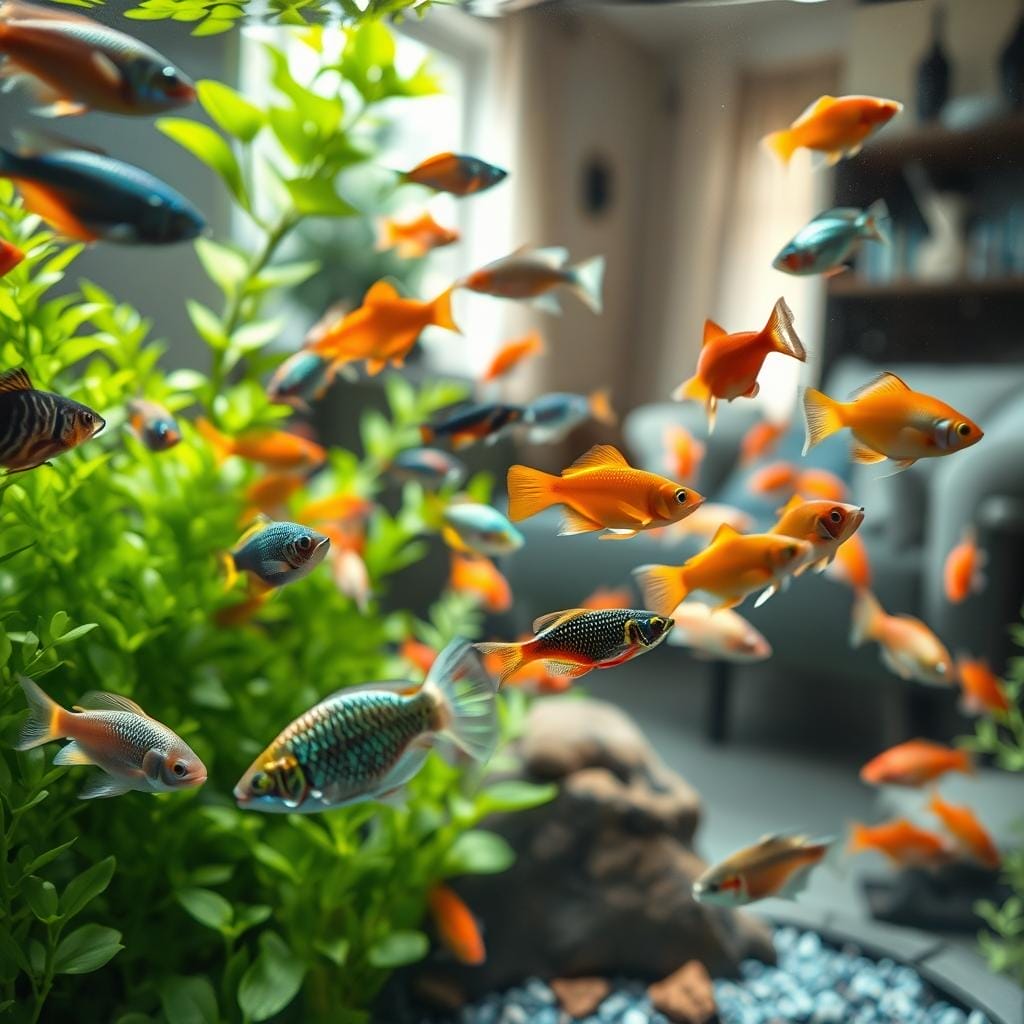

Feeding Tips for Healthy Aquarium Fish | Essential Nutrition Guide
 Millie Douglas
Updated on: December 21, 2023 .
14 min read
Millie Douglas
Updated on: December 21, 2023 .
14 min read

Feeding your aquarium fish a healthy and balanced diet is essential for their overall wellbeing. To ensure that your fish receive the essential nutrients they need, it is essential to understand their nutritional requirements and create a feeding schedule that provides them with a well-rounded diet.
In this section, we will provide an overview of the importance of aquarium fish nutrition and highlight the key nutrients needed for their health. We will also discuss best practices for creating a feeding schedule, so your fish can thrive and live a long and healthy life.
Understanding Aquarium Fish Nutrition
When it comes to keeping your aquarium fish healthy, providing a balanced and nutritious diet is key. Understanding their nutritional requirements is crucial to ensuring their overall wellbeing.
Aquarium fish require various essential nutrients to thrive, including proteins, vitamins, and omega-3 fatty acids. Proteins are essential for growth and muscle development, while vitamins aid in maintaining healthy organs and immune systems. Omega-3 fatty acids help prevent inflammation and promote healthy brain function.
It’s important to note that not all fish have the same nutritional requirements. For example, herbivorous fish require more plant-based foods, while carnivorous fish need a diet higher in animal-based proteins. Researching the specific nutritional needs of your fish species is crucial in providing them with an optimal diet.
Understanding Fish Food Labels
Reading fish food labels can be overwhelming, but it’s important to understand what you’re feeding your aquatic pets. Look for fish food that lists the specific type of fish it is formulated for and the ingredients included. Avoid fish food with fillers or excessive amounts of preservatives.
It’s also important to note the protein and fat content of the fish food. High-quality fish food should contain around 40% protein for carnivorous fish and 30% for herbivorous fish. Fat content should be around 7-10% for most fish.
Creating a Balanced Diet
Providing a balanced diet for aquarium fish involves offering a variety of foods that meet their nutritional requirements. This can include frozen or live foods, as well as commercial pellets or flakes.
Aim to offer a mix of protein-rich foods, such as brine shrimp or bloodworms, and plant-based options, like spirulina flakes or chopped vegetables. Supplementing their diet with vitamins and minerals can also improve their overall health.
Remember to feed your fish in appropriate portions that they can consume in a few minutes. Overfeeding can lead to health issues and water quality problems.
“Providing a balanced diet for aquarium fish involves offering a variety of foods that meet their nutritional requirements.”
Choosing the Right Fish Food for Your Aquarium
Choosing the right fish food is crucial for ensuring the health and wellbeing of your aquarium fish. With so many options available in the market, it can be overwhelming to determine which one is the best fit for your fish. Here are some tips to help you make an informed decision:
Read the Labels
When purchasing fish food, always read the label carefully. Look for a complete and balanced diet that contains all the essential nutrients such as proteins, vitamins, and minerals. Avoid fish food that lists fillers, artificial colors and preservatives as the primary ingredients.
Consider Nutritional Content
Different species of fish have distinct nutritional requirements. For instance, herbivorous fish require food that contains more fiber and plant-based proteins, while carnivorous fish need diets that are high in animal-based proteins. Ensure that the fish food you choose contains the appropriate nutritional content for the particular species of fish in your aquarium.
Explore Reputable Brands
Choose high-quality fish food brands that specialize in creating nutritious and well-balanced diets for aquarium fish. Some of the top-rated brands in the market include Tetra, Hikari, and Omega One, to name a few. Consult your local fish store for recommendations from experienced staff.
Variety is Key
Offering your fish a variety of foods adds to a well-rounded and balanced diet. Rotating between different types of food such as flakes, pellets, and frozen or live foods, can help provide a broader range of essential nutrients, possibly stimulating your fish’s natural feeding behavior.
By following these tips, you can select the best fish food for your aquarium fish, ensuring their sustained health and vitality.
Importance of a Balanced Diet for Aquarium Fish
A balanced diet is essential for maintaining the health and wellbeing of aquarium fish. Providing the right nutrients in the correct proportions ensures that fish have the energy and resources they need to grow and thrive.
Proteins, vitamins, and omega-3 fatty acids are just a few of the essential nutrients that aquarium fish require. Proteins are essential for building and repairing tissue, while vitamins are necessary for numerous biological functions, such as metabolism and immune system support. Omega-3 fatty acids are crucial for maintaining healthy cell membranes and reducing inflammation.
While individual nutrients are important, it’s the balance of these nutrients that is critical. A diet lacking in one or more vital nutrients can lead to health problems or deficiencies. On the other hand, overfeeding and providing excessive amounts of certain nutrients can also be detrimental to fish health.
Recommended Composition of a Balanced Diet for Aquarium Fish
| Nutrient | Percentage of Diet |
|---|---|
| Protein | 45-60% |
| Fat | 20-30% |
| Carbohydrates | 10-30% |
| Vitamins and Minerals | 5-10% |
As seen in the table above, a balanced diet for aquarium fish should consist of a mix of proteins, fats, carbohydrates, vitamins, and minerals in the recommended proportions. A diet consisting of high-quality commercial fish food is often the easiest way to accomplish this, as many of these products are formulated with a balanced nutrient profile.
It’s important to note that some species of fish have unique nutritional requirements. For example, herbivorous fish need a diet with a higher ratio of plant-based foods, while carnivorous fish require higher levels of protein for optimal health.
By providing a balanced diet that meets the specific nutritional requirements of your aquarium fish, you can help ensure their long-term health and wellbeing.
Feeding Techniques and Tips for Aquarium Fish
Proper feeding techniques are essential to maintain the health of your aquarium fish. Here are some tips to make sure your fish get the most out of their meals:
1. Establish a feeding schedule
Create a feeding schedule that works for both you and your fish. Most fish need to be fed once or twice a day, but make sure not to overfeed. Fish are opportunistic feeders and will continue to eat, even when they are full.
2. Control portion sizes
It is important to control portion sizes to ensure that your fish are eating the right amount of food. Overfeeding can lead to health problems, such as obesity and digestive issues. A good rule of thumb is to feed your fish an amount that they can consume within two to three minutes.
3. Offer a variety of food
A varied diet is essential to provide your fish with all the necessary nutrients. Offer different types of food, such as flakes, pellets, freeze-dried, and live food. Make sure to read the labels and choose high-quality food with a balanced nutrient profile.
4. Feed different fish separately
If you have different types of fish in your aquarium, it is important to feed them separately. Some fish are more aggressive and will hog the food, leaving others hungry. Either separate them into different tanks or use feeding rings or clip-on feeders to ensure each fish gets their fair share.
5. Consider feeding at night
Some fish are nocturnal and prefer to eat at night. If you have these types of fish, consider feeding them after the lights go out. This will also give them the opportunity to eat without being disturbed by other fish.
6. Monitor their eating habits
Watch your fish while they eat to make sure they are eating and behaving normally. If you notice any changes in their eating habits, such as lack of appetite or lethargy, it could be a sign of illness. Consult with a veterinarian if you suspect your fish may be sick.
Common Mistakes to Avoid in Aquarium Fish Nutrition
Properly feeding aquarium fish is essential to their health and wellbeing. However, there are common mistakes that aquarium owners make that can negatively impact their fish. Avoiding these mistakes can help ensure that your fish live long, healthy lives.
1. Overfeeding
Overfeeding is a common mistake that can lead to health problems in fish. When fish are overfed, uneaten food can accumulate at the bottom of the tank, leading to poor water quality and increased bacteria growth. This can cause fish to become sick or even die.
To avoid overfeeding, feed your fish only what they need. A good rule of thumb is to feed them a small amount of food two to three times a day, or as recommended on the food package. Remove any uneaten food within five minutes to ensure that your tank stays clean and your fish remain healthy.
2. Improper Diet Composition
Another common mistake that aquarium owners make is not providing a well-balanced diet for their fish. Fish require a mix of proteins, vitamins, and minerals to stay healthy, and feeding them only one type of food can lead to deficiencies and health problems.
Make sure that the food you feed your fish contains a balanced mix of nutrients. Consider offering different types of fish food, such as flakes, pellets, or frozen foods, to provide variety. This can ensure that your fish receive the essential nutrients they need to stay healthy.
3. Poor-Quality or Expired Fish Food
Using poor-quality or expired fish food can also impact your fish’s health. Old or stale food can lose its nutritional value or even become contaminated with harmful bacteria or parasites.
When choosing fish food, look for reputable brands that offer high-quality products. Check the expiration date on the package before purchasing, and store food in a cool, dry place to ensure freshness.
4. Feeding at Inconsistent Times
Feeding your fish at inconsistent times can lead to overfeeding or underfeeding, and can disrupt their feeding schedule and natural habits. It is important to establish a consistent feeding schedule for your fish.
Feed your fish at the same time each day, and stick to a routine to ensure that they receive the appropriate amount of food. This can also help prevent overfeeding and ensure that all fish receive an adequate amount of food.
5. Not Considering the Type of Fish
Not all fish have the same nutritional needs. Different types of fish require different diets and feeding habits. For example, herbivorous fish require different nutrients than carnivorous fish.
Before purchasing fish food, research the type of fish you have and their nutritional requirements. This can help ensure that you are providing them with the appropriate diet and avoiding health problems related to poor nutrition.
Nutritional Supplements for Aquarium Fish
While a balanced diet is crucial for aquarium fish, some owners may consider adding nutritional supplements to their fish’s diet. Supplements can provide additional vitamins, minerals, and other nutrients that may not be present in their regular fish food.
Vitamin supplements: Vitamins are essential for fish health and growth. Vitamin C, for instance, supports their immune system and can help prevent diseases. Some fish food brands offer vitamin-enriched options, but vitamin supplements can be added separately as well.
Mineral supplements: Minerals such as calcium and iron are important for healthy bone and muscle development in aquarium fish. Adding a mineral supplement can ensure that your fish get the necessary nutrients for optimal health.
Probiotics: Probiotics are beneficial bacteria that can help improve fish digestion and overall health. They can help regulate the fish’s digestive system, improve nutrient absorption, and prevent infections. Probiotic supplements can be added to fish food or directly to the aquarium water.
It’s important to note that while supplements can be beneficial, they should not be used as a substitute for a balanced diet. Using excessive amounts of supplements can have negative effects on fish health, so it’s essential to follow recommended dosage guidelines.
Types of Nutritional Supplements for Aquarium Fish
| Supplement Type | Benefits | Recommended Dosage |
|---|---|---|
| Vitamin supplements | Support immune system, promote growth | Follow instructions on packaging; avoid over-supplementing |
| Mineral supplements | Improve bone and muscle development | Follow instructions on packaging; avoid over-supplementing |
| Probiotics | Enhance digestion, prevent infections | Follow instructions on packaging; avoid over-supplementing |
Long-Term Fish Health and Nutrition
Providing a well-rounded and balanced diet to your aquarium fish is essential for their long-term health and vitality. Consistently meeting their nutritional requirements will contribute to their overall wellbeing and longevity.
Optimal nutrition plays a significant role in disease resistance and immune system function. When fish are provided with the necessary nutrients, their bodies are better equipped to fight off infections and other ailments that could impact their health.
A balanced diet also contributes to vibrant coloring in aquarium fish. The right nutrients will enhance their natural pigmentation, making them more visually appealing and providing a more attractive underwater environment for your viewing pleasure.
It is important to note that providing a balanced diet is not a one-time task. Monitoring your aquarium fish’s nutritional needs and adjusting their diet as they grow and mature is essential for their long-term health. Proper nutrition can be the difference between a thriving aquarium and one that is struggling to maintain a healthy environment.
By implementing the feeding tips and techniques discussed in earlier sections and ensuring your aquarium fish are receiving the essential nutrients they require, you can ensure their long-term health and vitality.
Section 9: Frequently Asked Questions about Aquarium Fish Nutrition
Do you have questions about feeding your aquarium fish a healthy and balanced diet? Check out these frequently asked questions for expert insights and advice.
Q: What types of fish food are available?
A: There are several types of fish food available, including flakes, pellets, frozen, and live food. Each type has its benefits and drawbacks, so it’s essential to choose the most suitable option based on your fish’s nutritional requirements and feeding habits.
Q: How often should I feed my aquarium fish?
A: A general guideline is to feed your fish small portions two or three times a day. However, the feeding frequency and amount depend on several factors, such as fish species, size, age, and metabolism. It’s best to research the specific nutritional requirements of your fish and create a feeding schedule accordingly.
Q: Can fish be overfed?
A: Yes, fish can be overfed, and it can lead to various health issues, such as obesity, digestive problems, and water pollution. The excess food can also contribute to the growth of harmful bacteria and algae in the aquarium. It’s crucial to provide the appropriate amount of food for your fish based on their dietary needs and feeding habits.
Q: How do I know if my fish are getting enough nutrition?
A: Signs of a healthy and well-fed fish include vibrant colors, active behavior, and smooth skin and scales. However, if your fish are showing signs of malnutrition, such as loss of appetite, lethargy, or abnormal behavior, it’s essential to consult a veterinarian or a fish expert to determine the underlying issue.
Q: Can I supplement my fish’s diet with vitamins or other supplements?
A: Yes, you can supplement your fish’s diet with vitamins, minerals, or other supplements if they have specific nutritional deficiencies or health issues. However, it’s crucial to consult a veterinarian or a fish expert to determine the appropriate dosage and formulation, as some supplements can be harmful if overdosed or combined with certain medications.
Q: What are some common mistakes to avoid when feeding aquarium fish?
A: Some common mistakes to avoid in feeding aquarium fish include overfeeding, using inappropriate fish food, feeding them an unbalanced diet, and not considering their feeding habits and preferences. It’s essential to research the specific nutritional requirements and feeding habits of your fish species and create a feeding regimen accordingly.
Q: How do I choose the right fish food for my aquarium?
A: Choosing the right fish food for your aquarium depends on several factors, such as fish species, age, size, dietary needs, and feeding habits. Some essential considerations include reading the labels for nutritional information, choosing reputable brands, and considering the form, size, and texture of the fish food. It’s also crucial to provide a balanced diet that includes proteins, vitamins, and other essential nutrients.
By following the proper feeding practices and considering the nutritional requirements of your aquarium fish, you can ensure their long-term health and vitality.
Also Read: Common Aquarium Problems and How to Fix Them
Hi, I'm Millie a passionate fish enthusiast and blogger. I loves learning about all kinds of aquatic creatures, from tropical fish to stingrays.