
Common Aquarium Problems and How to Fix Them
 Millie Douglas
Updated on: December 1, 2025 .
9 min read
Millie Douglas
Updated on: December 1, 2025 .
9 min read
Have you ever looked at your tank and wondered why keeping things balanced feels so difficult? You’re definitely not alone in this feeling. Every fish keeper, from beginners to experts, faces challenges from time to time.
Learning to spot and solve these issues is a rewarding part of the hobby. It leads to a thriving, healthy home for your fish and much less stress for you.
This guide is here to help. We’ll walk you through frequent issues like cloudy water and algae blooms. You’ll get practical, step-by-step solutions that tackle the root cause.
Understanding these situations early protects your aquarium fish health and saves you money and worry. With the right knowledge, you can turn any challenge into a chance to grow your skills and confidence.
Recognizing Aquarium Problems: Signs and Symptoms
Learning to read the subtle clues in your tank’s appearance can prevent minor issues from becoming major headaches. Your underwater world provides clear visual cues about its health every single day. Paying close attention allows you to act early and keep your fish safe and happy.
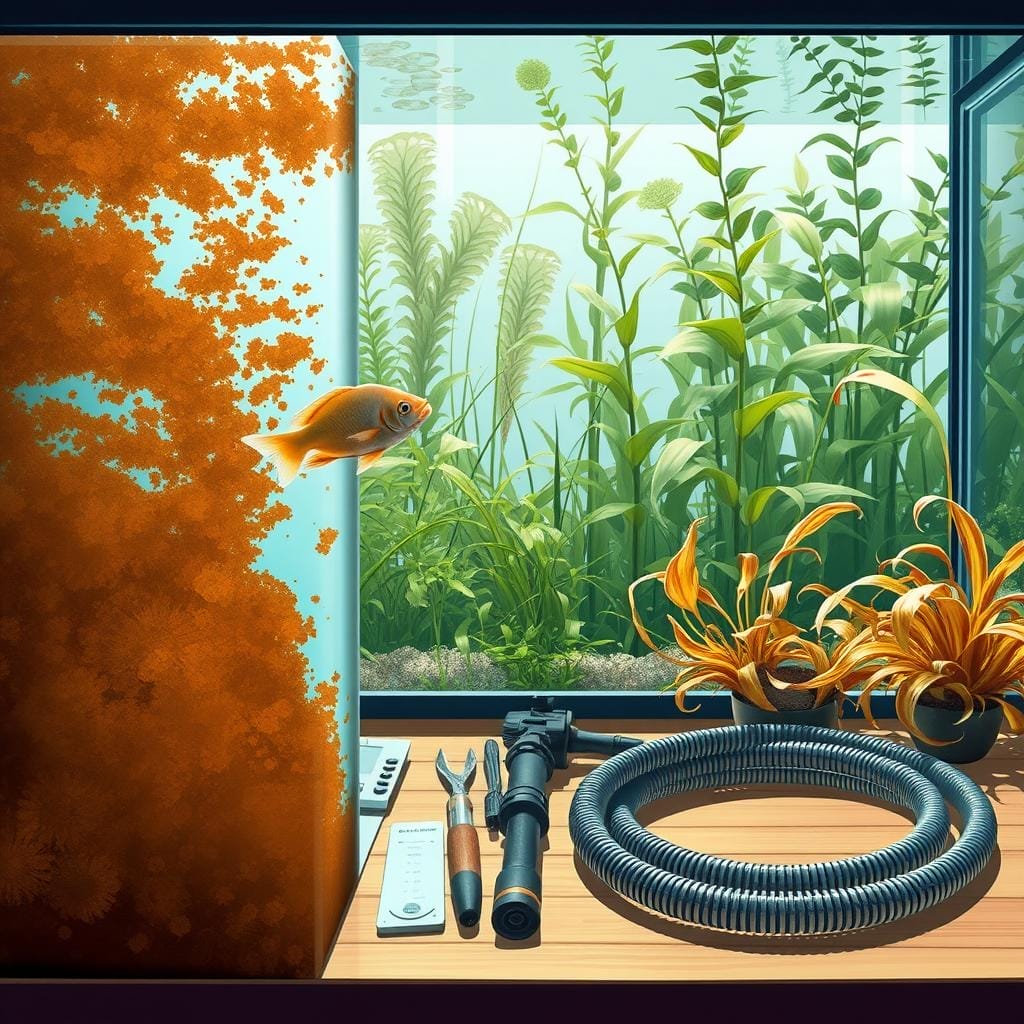
- Green water or fuzzy surfaces often point to an algae bloom. This is usually fueled by too much light or high nutrient levels like nitrate and phosphate.
- Particles or debris floating in the water or settling on the bottom can mean you’re overfeeding or your filter needs attention.
- Cloudy white water that looks like smoke is typically a bacterial bloom. This happens when ammonia levels rise, causing beneficial bacteria to multiply rapidly.
- Small white or tan worms in large numbers signal excess organic waste from overfeeding. While the worms are harmless, their population boom indicates poor water quality.
Some threats are invisible. You cannot see ammonia or nitrite with the naked eye. This is why regular testing with a reliable kit is so important. It’s the only way to be sure your water is truly safe, especially in a new setup.
Also, watch your fish’s behavior. If they are gasping at the surface, hiding more, or eating less, it could be a sign that water quality is declining, even before your tests show a problem.
Preventive Measures for a Healthy Aquarium
The secret to long-term success with your aquatic pets lies in establishing consistent preventive routines. Building good habits from the start ensures your underwater world remains balanced and beautiful for years to come.
Implementing Regular Water Changes and Testing
Regular water changes form the foundation of excellent tank care. Plan to perform regular water exchanges—about 10% weekly or 25% every two weeks. This removes waste and replenishes essential minerals.
Small tanks need more frequent attention with 10-20% changes weekly. Larger systems can handle 30-40% changes every few weeks. Always test your water on a regular basis to catch issues early.
Managing Overfeeding and Overstocking
Overfeeding ranks among the most common mistakes. Feed only amounts your fish can consume within two minutes. Uneaten food decays and pollutes the water.
When adding new fish, introduce just a few at a time over several weeks. This gives your beneficial bacteria time to adjust. Following these simple steps creates stable conditions that keep your fish thriving.
Tackling Aquarium Problems: Causes and Effective Cures
When your tank’s balance gets disrupted, knowing the right corrective actions can restore harmony quickly. Many issues stem from chemical fluctuations that seem daunting but respond well to targeted treatments.
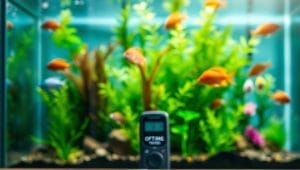
Controlling Ammonia, Nitrate, and pH Fluctuations
Ammonia spikes often occur in new setups when fish are added too quickly. They can also happen in mature systems after cleaning filter media or gravel. Act fast by adding bacterial supplements like FritzZyme to replenish beneficial bacteria.
Boost oxygen with an air pump to help bacteria process ammonia efficiently. The bubbles also help release toxic gases.
Address nitrate and phosphate accumulation through regular water changes. Use chemical media like Poly Filter to remove specific pollutants. High nitrate phosphate levels fuel aggressive algae growth.
pH fluctuations typically result from organic material breaking down in your substrate. This creates acidifying conditions over time. Maintain stable pH by inspecting filter media regularly and performing partial water changes.
Boosting Beneficial Bacteria with Proper Filtration
Your filter is the engine of your tank’s ecosystem. Protect your beneficial bacteria during maintenance by cleaning gravel in sections. Never replace all filter media at once.
High mineral levels in source water can discolor your tank and spark algae issues. Consider using reverse osmosis water if needed. Proper filtration combined with thoughtful maintenance creates the stable conditions your fish need.
By managing these key factors, you’ll maintain excellent aquarium water quality and prevent most common imbalances before they become serious.
Solutions for Common Maintenance Mistakes
Many fish keepers discover that overzealous cleaning habits can actually harm the very ecosystem they’re trying to protect. Your tank needs a gentle approach that preserves the biological balance you’ve worked so hard to establish.
Avoiding Overcleaning and Impulse Equipment Upgrades
During the first few weeks after setup, your tank’s biological balance is especially fragile. Resist the urge to scrub decorations or stir gravel unless absolutely necessary. If you find yourself needing extensive cleaning this early, it may signal an undersized filter, overfeeding, or too many fish added too quickly.
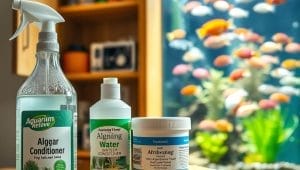
When maintenance time arrives, clean your filter media by gently shaking it in dechlorinated water instead of tap water. Tap water contains chlorine that kills helpful bacteria. Never replace all your filter media at once—change filters in stages over time to maintain beneficial bacteria.
Vacuum your gravel in sections during each water change, cleaning about one-third to one-half of the substrate. This removes waste without stripping away too much bacteria. Remember that some algae and a lived-in appearance is actually healthy for your tank.
Taking a strategic approach to aquarium maintenance protects the biological filtration system. A gentler cleaning routine keeps water parameters stable between sessions. Following these simple guidelines ensures your aquatic environment remains healthy and balanced.
Expert Tips for Optimal Aquarium Care
Building a thriving aquatic environment starts with smart choices before you even add water to your tank. These expert strategies will help you create stable conditions that promote fish health and minimize maintenance challenges.

Choosing the Right Fish, Filter, and Water Treatments
Begin with the largest tank your space allows—20-55 gallon setups maintain stability better than smaller ones. Select a filter rated for a slightly larger aquarium than you own. For tanks with many fish, consider oversized or multiple filters.
Research fish compatibility and adult size before purchasing. Some species need specific water conditions your tap water may not provide. Always treat tap water with a quality dechlorinator that removes both chlorine and chloramine.
Scheduling Consistent Maintenance Routines
Establish regular water changes and filter cleaning on a consistent basis. Feed your fish at the same time each day, offering only what they consume in two minutes. Automatic feeders dispense precise amounts when you’re away.
Consistency reduces stress for your fish and prevents poor water quality. A stable routine is your best defense against common issues.
Adjusting Light Cycles and Temperature Control
Use a timer for your aquarium light—6-10 hours daily for fish-only tanks, 10-14 hours for planted setups. Constant light stresses fish and fuels algae growth. Monitor temperature closely with a reliable thermometer.
Social fish like tetras thrive in groups of six or more. Proper grouping reduces aggression and creates a peaceful environment. These expert strategies form the foundation of successful aquarium care that keeps your aquatic pets healthy and happy.
Wrapping Up Your Aquarium Success Journey
You’ve now built a solid foundation for creating and sustaining beautiful underwater worlds. The knowledge you’ve gained empowers you to handle common challenges with confidence and skill.
Remember that maintaining excellent water quality through regular testing and consistent water changes is your most powerful tool. The problems you encounter aren’t setbacks—they’re valuable learning experiences that make you a better fish keeper.
By applying these strategies, you’ll create stable conditions that keep your fish thriving. Don’t let fear of potential issues hold you back from enjoying this rewarding hobby. For additional guidance, learn about common setup mistakes to ensure your success from day one.
Your dedication to proper care will be rewarded with vibrant, healthy fish and years of enjoyment. Stay consistent with your routines, and watch your aquatic environment flourish.
FAQ
How often should I perform a water change?
For most tanks, a 10-25% water change every one to two weeks is ideal. This helps control nitrate and phosphate levels, removes waste, and keeps your water quality high without stressing your fish.
What causes cloudy water, and how do I clear it up?
Cloudiness often comes from a bacterial bloom, overfeeding, or debris. Check your filter, avoid overfeeding, and ensure your gravel is clean. It usually clears on its own as beneficial bacteria balance out.
Why is algae growing so fast in my tank?
Rapid algae growth is typically fueled by too much light or excess nutrients like nitrate and phosphate from overfeeding. Reduce your light cycle, perform regular water changes, and feed your fish only what they can eat in a few minutes.
How can I tell if my fish are stressed?
Watch for signs like clamped fins, gasping at the surface, loss of color, or hiding. Poor water conditions are a common source of stress, so test your ammonia, nitrite, and nitrate levels immediately.
What’s the best way to clean my aquarium filter?
A> Gently rinse the filter media in a bucket of tank water you remove during a water change. Avoid using tap water, as chlorine can kill the beneficial bacteria essential for a healthy ecosystem.
How do I maintain stable pH and other water parameters?
Consistency is key. Avoid large, sudden changes. Use water conditioners like Seachem Prime when adding new water, and test levels weekly with a reliable kit, such as the API Freshwater Master Test Kit, to catch issues early.
Can I have too many fish in my aquarium?
Yes, overstocking leads to waste buildup, poor water quality, and stress. A good rule is one inch of adult fish per gallon of water, but always consider the specific needs and adult size of your fish species.
Algae Bloom SolutionsAquarium maintenance tipsCommon Fish DiseasesFish Tank AlgaeFish tank filtrationWater Quality Issues
Hi, I'm Millie a passionate fish enthusiast and blogger. I loves learning about all kinds of aquatic creatures, from tropical fish to stingrays.