
Your Guide to Selecting Compatible Tank Mates
 Millie Douglas
Updated on: December 1, 2025 .
13 min read
Millie Douglas
Updated on: December 1, 2025 .
13 min read
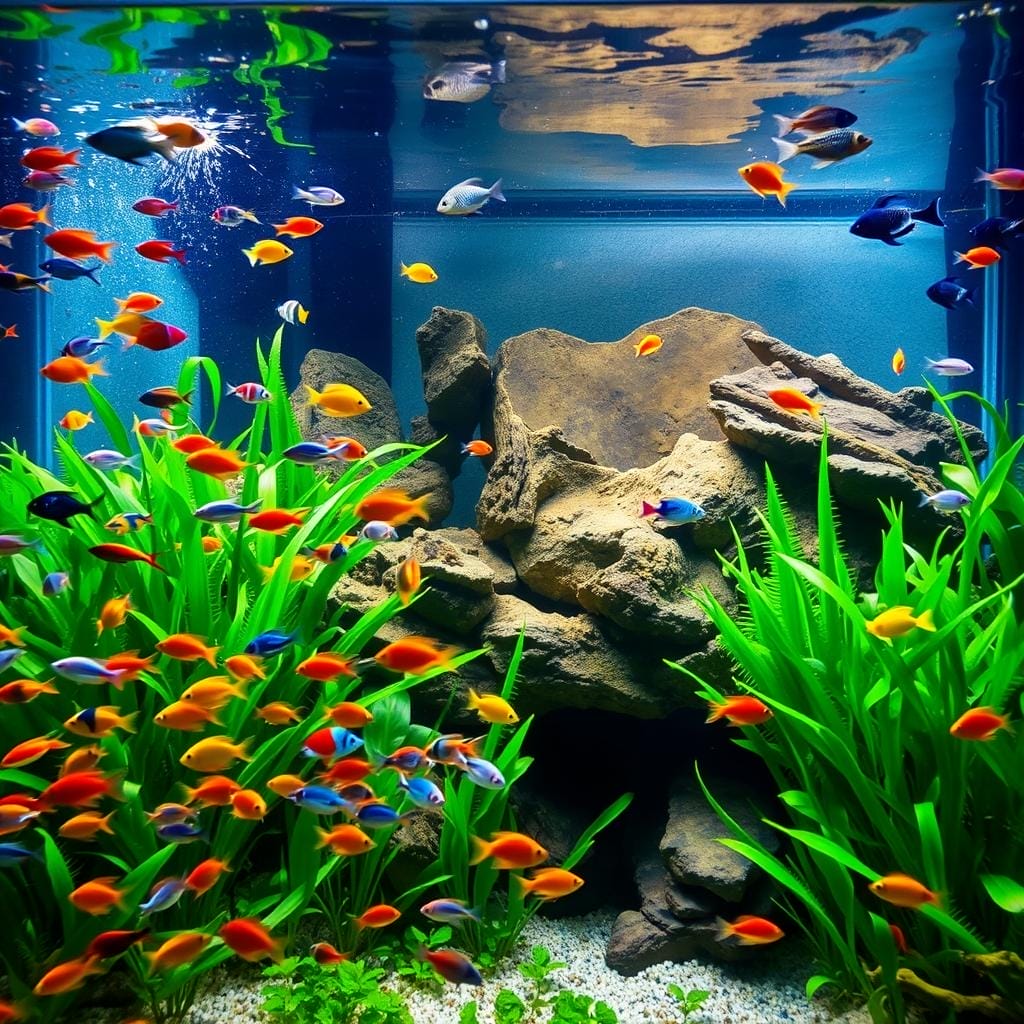
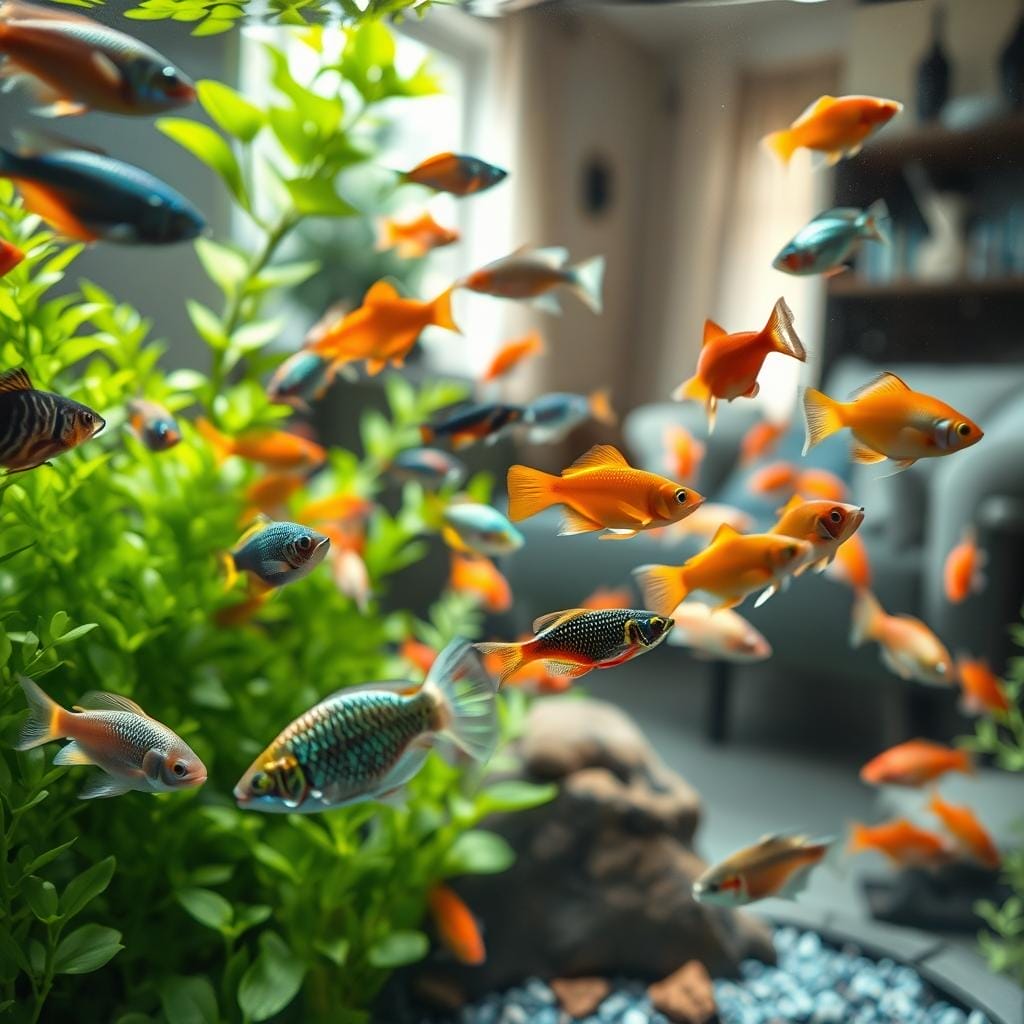
Have you ever wondered why some aquarium communities thrive while others struggle with constant stress and conflict? The secret lies in choosing the right combinations of aquatic life.
Creating a peaceful underwater world starts with understanding that not all fish species can live together happily. When you’re looking to build your dream aquarium, compatibility becomes your most important consideration.
This guide will walk you through everything you need to know about selecting the perfect companions for your aquatic environment. You’ll discover how factors like water conditions, temperament, and swimming levels all play crucial roles in determining which creatures will get along.
Whether you’re starting your first freshwater setup or adding variety to an established system, we’re here to provide practical advice that takes the guesswork out of your decisions. By following these proven strategies, you can create a balanced ecosystem where every inhabitant thrives.
Successful fishkeeping isn’t just about picking pretty specimens—it’s about understanding their unique needs and behaviors. With the right knowledge, you can build a vibrant community that brings you joy for years to come.
Understanding Your Aquarium Environment
Before selecting your fish companions, it’s essential to understand how your aquarium’s layout and dimensions affect their behavior. The physical space you provide sets the stage for either harmony or conflict among your aquatic pets.
Aquarium Size and Dimensions
Every fish species needs adequate space to feel content and secure. When creatures are crowded together, they become more agitated and anxious. This stress often leads to increased aggression toward their companions.
The common “one inch of fish per gallon” rule provides a basic starting point. However, territorial species require significantly more room to establish their own areas without constant conflict. Your aquarium’s shape matters just as much as its volume.
Active swimmers like Danios need wide horizontal space to spread out comfortably. Taller tanks work better for vertical species like Angelfish that appreciate more height. Remember that your tank’s actual water capacity is less than its stated size once you account for substrate and decorations.
Decorations, Plants, and Substrate
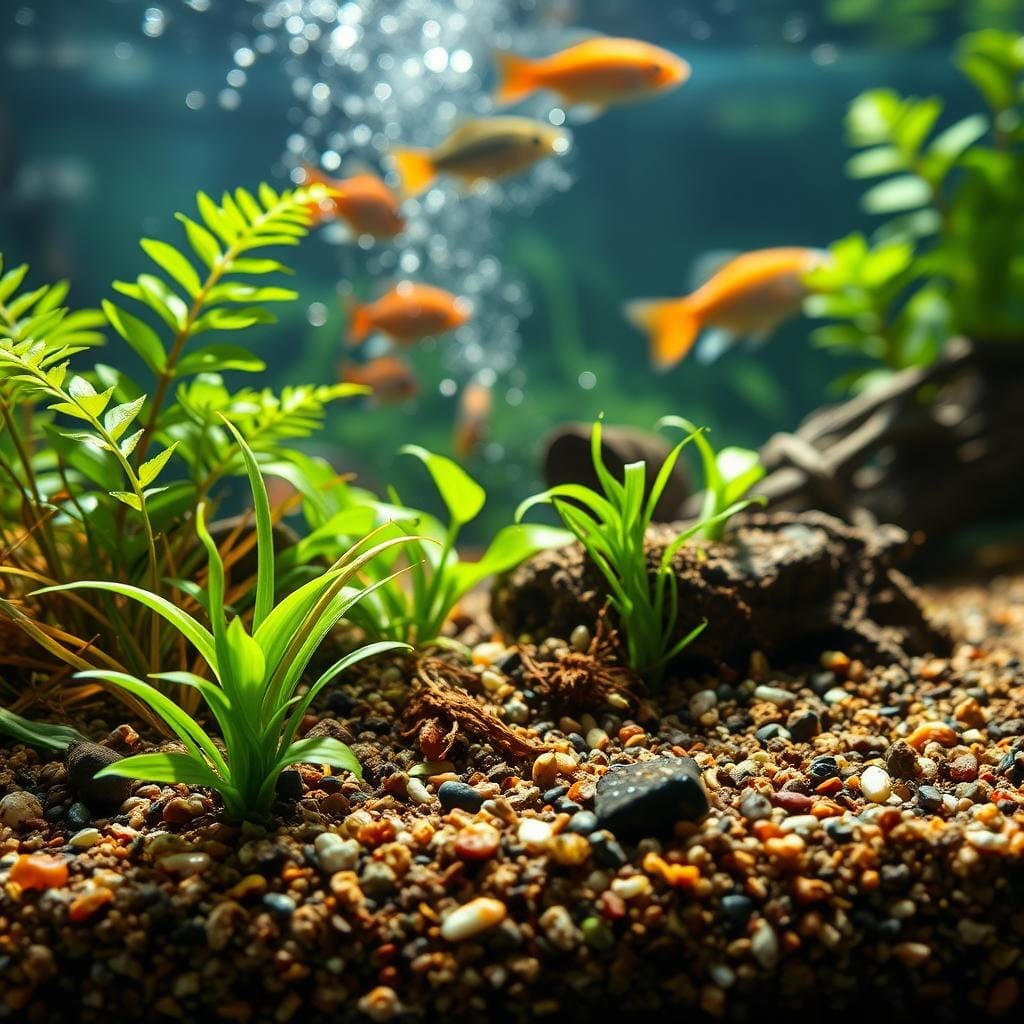
When you add decorations and plants to your aquarium, you’re creating essential territories that help fish feel secure. These features naturally decrease stress and territorial disputes among different species.
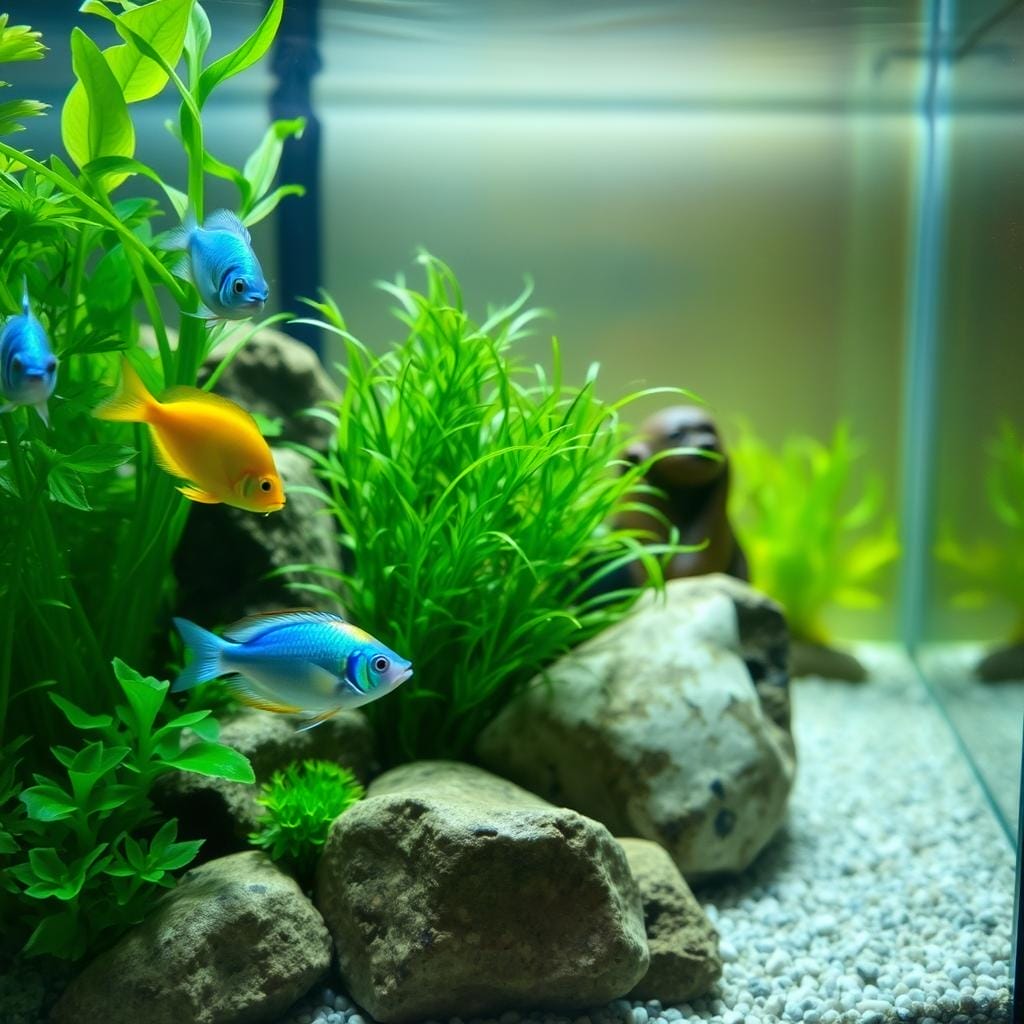
Rocks, caves, and driftwood provide physical boundaries that fish use to define their personal space. Tall, bushy plants offer habitat for schooling fish like Tetras and Rasboras. Your substrate choice also contributes to creating a comfortable environment.
By thoughtfully arranging your aquarium with appropriate decorations, you set the stage for a harmonious community. Each fish can find its own comfortable space, reducing competition and promoting peaceful coexistence.
Evaluating Fish Behavior and Compatibility
Fish have complex social structures that can make or break your aquarium community’s harmony. Understanding these behaviors helps you create a peaceful environment where every creature feels secure.
When you observe your aquatic pets, you’ll notice they establish clear patterns of interaction. Some species naturally form hierarchies while others prefer more egalitarian relationships.
Territory and Dominance Hierarchies
Many fish species establish clear territories and dominance structures. Cichlids are particularly known for their pecking orders, where smaller or submissive fish may face constant aggression.
If you notice one fish being consistently bullied, you might need to separate them for safety. Removing the aggressive fish seems like a solution, but the next in line often takes over the dominant role.
Male fish typically show more territorial behavior than females, especially during mating seasons. This aggression increases when multiple males of the same species compete for attention.
Individual Personalities and Breeding Tendencies
Breeding periods transform even peaceful fish into defensive guardians. They may claim large sections of your aquarium, pushing other inhabitants into corners.
For live-bearing species, maintaining a ratio of 2-3 females per male reduces persistent mating behaviors. This simple adjustment creates a more balanced environment.
Remember that each fish has its own personality. While we can predict general patterns, sometimes individuals surprise us with unexpected behavior.
Being prepared to separate incompatible fish ensures everyone’s wellbeing. Your observant care makes all the difference in maintaining harmony.
Tank Mates: Choosing the Right Companions
Creating a peaceful aquarium starts with understanding how different fish species interact and communicate. Just like people from different cultures, aquatic creatures have unique ways of expressing themselves that can sometimes lead to misunderstandings.
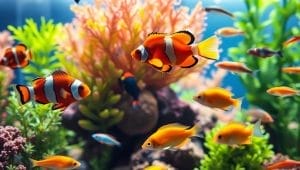
Species Compatibility and Communication
You’ll be surprised to learn that fish communicate through body language, colors, and movements. When species from different regions mix, they might misinterpret each other’s signals. This can create unexpected conflicts in your aquarium.
Researching each fish’s natural behavior before adding them to your community is crucial. Understanding their communication styles helps prevent compatibility issues. This simple step makes your aquarium more harmonious.
Territorial fish like Cichlids and Loaches often struggle with similar-looking companions. They tend to compete more aggressively with their own kind. Choosing visually distinct species reduces territorial disputes.
Even with plenty of hiding spots, some fish types do better as individuals. Pair them with peaceful companions that don’t compete for the same resources. This approach creates a more balanced environment.
By focusing on freshwater fish compatibility, you help all your aquatic pets get along better. Your careful selection ensures a thriving community where every fish feels secure and content.
Considering Fish Size, Gender, and Aggression
When building your aquatic community, the physical dimensions of your fish play a crucial role in maintaining peace. You’ll discover that proper size matching prevents many common aquarium problems before they start.
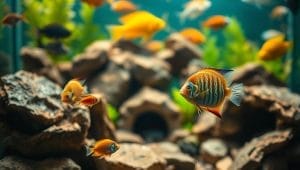
Even peaceful fish species are opportunistic eaters. If they can fit another fish in their mouth, they’ll likely try. This is why matching sizes is so important for safe coexistence.
Matching Sizes for Safe Coexistence
When adding new fish to your aquarium, ensure they’re about the same size as your existing inhabitants. This simple rule prevents tragic accidents and keeps everyone safe. For territorial or aggressive fish, introduce companions at least as large as your biggest dominant fish.
Consider purchasing juvenile fish when building your community. Younger fish tend to be more accepting of companions and less aggressive than adults. Fish growing up together often form peaceful relationships.
Pay attention to each species’ adult size potential. A fish currently 2 inches might grow to 6 inches in length. This dramatic change could alter your aquarium’s dynamics over time.
By carefully considering size, body shape, and growth potential, you protect smaller fish from becoming meals. You also reduce stress from territorial disputes among larger fish.
Building a Harmonious Aquatic Community
Creating a balanced aquarium community requires strategic layering of different fish behaviors and swimming patterns. When you thoughtfully combine active and peaceful species, you create a dynamic environment where every creature has its place.
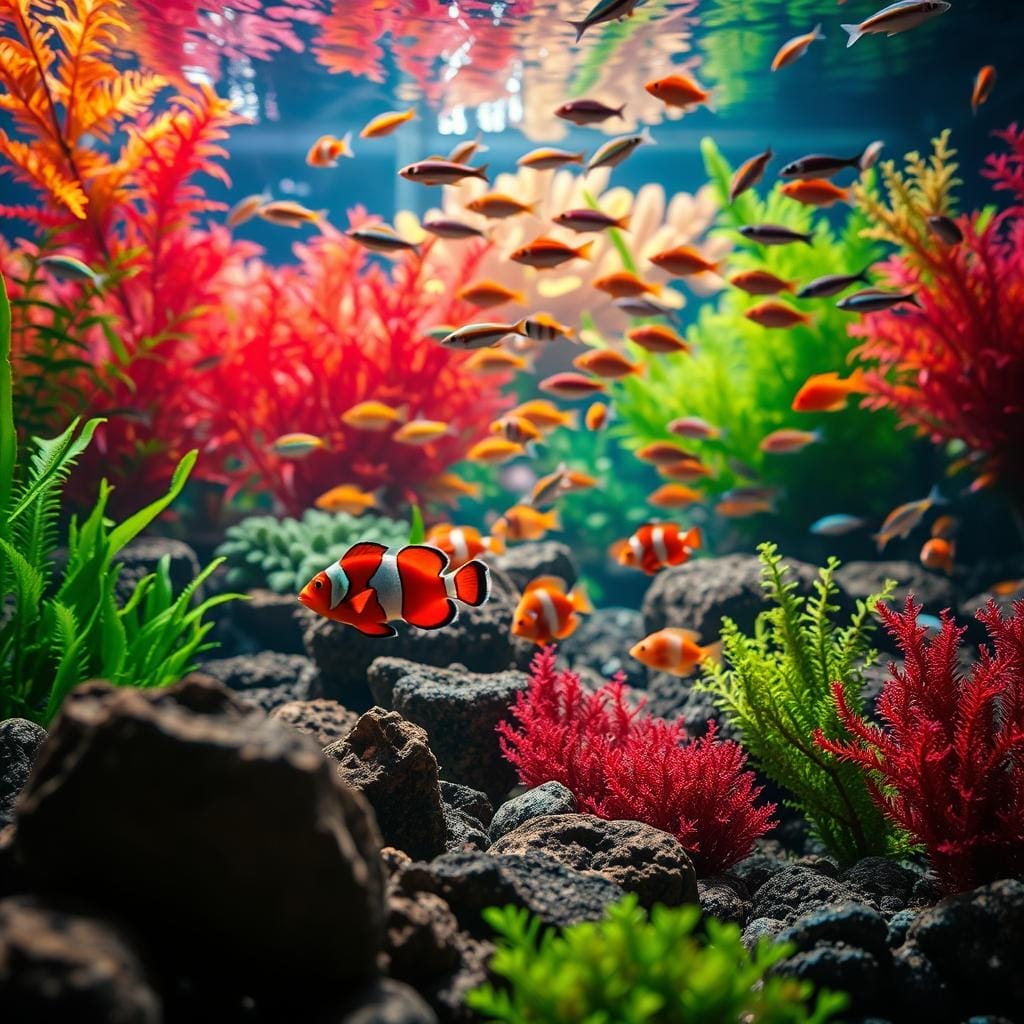
Schooling fish like Tetras and Danios thrive in groups of six or more. Larger schools behave better and are less likely to be targeted by aggressive tank members. This simple practice creates safety in numbers.
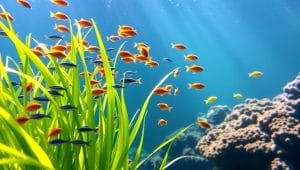
Adding dither fish provides constant swimming activity that reduces aggression. Species like Silver Dollars distract territorial fish from fighting. Their movement creates a peaceful distraction throughout your aquarium.
Don’t forget about bottom dwellers like Pictus Catfish. These fascinating fish utilize the lower levels while providing natural cleaning services. They add another dimension to your community setup.
When introducing new fish, rearrange decorations to eliminate established territories. This gives everyone a fresh start on equal footing. You’ll create a multi-layered community where fish occupy different zones.
By balancing active swimmers with peaceful species, you maximize your aquarium space. This approach reduces competition for the same areas. Your community will thrive with proper distribution of activity from top to bottom.
Remember that successful communities include peaceful schooling fish, active dither fish, and efficient bottom cleaners. This combination creates the perfect balance for a community aquarium. Even cold-water species benefit from this strategic approach to community building.
Expert Tips for Successful Fish Pairings
What if you could skip the trial-and-error phase and start with pairings that experts know work well? This curated list gives you confidence to try proven combinations in your own aquarium.
By following these expert recommendations, you’re building on years of collective knowledge in the hobby. This approach saves you from common compatibility mistakes.
Popular Combinations for Freshwater Aquariums
Apistogramma Dwarf Cichlids with Green Neon Tetras create beautiful contrast. The cichlids stay bottom-focused while tetras dart peacefully above.
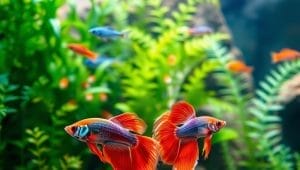
African Cichlids paired with Synodontis Catfish handle aggressive feeding behaviors well. The catfish comb the bottom for food while tolerating the cichlids’ constant activity.
Rainbow Sharks and Tiger Barbs offer an active community option. Methodical bottom feeders contrast with rapidly swimming schooling fish above.
For a gentler option, Guppies and Cherry Barbs thrive together. Make sure to maintain proper gender ratios to minimize aggression.
The South American combination of Discus with Rummy Nose and Cardinal Tetras creates a stunning display. All species share similar water parameters from their native Amazon habitat.
These combinations take the guesswork out of fish compatibility. Your specific aquarium conditions and individual fish personalities will still play important roles in success.
By choosing from this expert list, you ensure proper care for all your aquatic pets. The right combinations make aquarium keeping more enjoyable for everyone in the hobby.
Mix and Match: Tank Mates for Goldfish and Cichlids
Goldfish and cichlids present unique challenges that make selecting compatible companions particularly important. These popular fish have specific needs that require thoughtful pairing strategies.
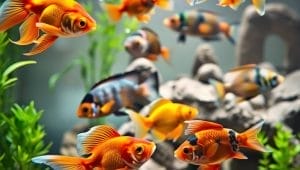
Special Considerations for Goldfish Tanks
When choosing companions for your goldfish, remember they prefer cooler water temperatures. Avoid aggressive species that might nip at their delicate fins.
Common goldfish are fast swimmers but may accidentally swallow small companions. Fancy varieties move slower and need protection from bullies.
Excellent choices include hillstream loaches that grip surfaces tightly. Dojo loaches thrive in cold water and grow large enough to avoid trouble.
White Cloud Mountain Minnows stay nimble at 1.5 to 2 inches long. They’re perfect for adding activity without risking your goldfish’s safety.
Also Read: Common Aquarium Problems and How to Fix Them
Complementary Cichlid Companions
Firemouth cichlids work well with other Central American species. Convicts and Jack Dempseys share similar water parameters and care requirements.
The Electric Blue Acara provides stunning color contrast. This tough fish handles semi-aggressive environments beautifully.
Add dither fish like Silver Dollars to reduce aggression. Bottom dwellers such as pleco catfish utilize different tank zones effectively.
Larger tetras like Bleeding Heart varieties add schooling activity. They’re too big to be eaten and create a balanced community. For more specific guidance, explore these goldfish companion options.
Maintaining Optimal Water Conditions and Tank Space
Water quality serves as the invisible backbone supporting every successful aquatic community. Even the most compatible fish species will struggle if their basic environmental needs aren’t met consistently.
You’ll want to make sure all your aquatic pets thrive in similar water parameters. Temperature, pH, and hardness must align across species for true harmony.
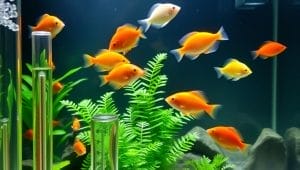
Ensuring Proper Temperature and Filtration
Different fish have distinct temperature preferences that you must honor. Goldfish enjoy cooler 50-70°F water, while tropical species need warmer conditions.
Community setups require robust filtration systems. Species like African Cichlids produce plenty of waste due to their constant feeding habits.
Consider dietary needs when planning your aquarium. If one fish requires specialized food, ensure others can share that diet or that you can target-feed effectively.
Your actual water volume is less than the tank’s stated size. Substrate, decorations, and equipment reduce usable space significantly.
Regular testing and partial water changes maintain stable parameters. This consistent care provides the foundation for healthy coexistence.
By matching environmental requirements precisely, you create conditions where all inhabitants can flourish together peacefully.
Final Thoughts on Creating a Balanced Aquarium
You now have the knowledge to build a thriving aquatic world. A peaceful aquarium depends on many factors working together. Consider the full length of your planning process.
By the end, make sure you’ve thought about water, space, and fish personalities. This gives your community the best chance to succeed. The hobby of fishkeeping is a journey of learning.
Even with great plans, some fish might not get along. Be ready to make changes. If you ‘re looking for more variety, this guide is a great start.
Successful setups balance active school fish with peaceful bottom dwellers. They provide plenty of swimming space and proper substrate. This approach supports a natural aquarium environment.
Your care creates a home where every species can thrive. Enjoy watching your fish display their natural activity without stress.
FAQ
What is the most important factor when choosing fish that get along?
The most important factor is understanding the behavior and needs of each species. You must match activity levels, aggression, and required water parameters. A peaceful community fish will not thrive with aggressive cichlids, for example. Always research individual species before introducing them to your aquarium.
Can I keep different types of fish together if they are the same size?
Similar body length is a good start, but it’s not a guarantee of compatibility. Some large fish are very peaceful, while some small species can be surprisingly feisty. You also need to consider swimming space, diet, and whether the fish prefers to be in a school or alone. Matching size helps prevent one fish from becoming food, but temperament is key.
How many fish can I safely add to my aquarium?
A> A common guideline is one inch of adult fish body length per gallon of water, but this is just a starting point. The actual number depends on your filtration system, the species’ waste production, and their activity level. Fish that school need more space to move as a group. It’s always better to understock than overstock to maintain healthy water conditions.
What are "dither fish" and how do they help?
Dither fish are small, active, and peaceful species that swim in the open water of the aquarium. Their calm activity signals to more shy or skittish fish that the environment is safe. This can encourage timid species to come out of hiding, reducing stress for all the members of your aquatic community. Neon tetras are a popular example.
Are there good tank mates for aggressive fish like cichlids?
Yes, but you must choose carefully. Fast-moving fish that occupy a different part of the water column can sometimes work. For instance, some plecos or certain catfish that dwell on the bottom may coexist with cichlids. The key is providing plenty of visual barriers with rocks and plants to break up lines of sight and reduce territorial aggression.
How does gender affect compatibility in a community tank?
Gender can be very important, especially with species known for breeding aggression. Keeping only males or only females of a particular species can sometimes prevent constant chasing and fighting. In other cases, a single male with a group of females creates a more balanced social structure. Research the specific breeding tendencies of your chosen fish.
What water parameters are critical for keeping different species together?
Temperature, pH, and hardness are the most critical. All fish in your aquarium must thrive in the same range of water conditions. You can’t mix species that need soft, acidic water with those that require hard, alkaline water. Stability is also vital; sudden swings in these parameters cause stress and make fish more susceptible to disease.
Aquarium Tank MatesAquatic Pet CompatibilityBest Fish Tank PairingsChoosing Compatible FishCommunity Tank GuideFish Tank CompatibilityFish Tank EtiquetteFreshwater Tank MatesSaltwater Aquarium Mates
Hi, I'm Millie a passionate fish enthusiast and blogger. I loves learning about all kinds of aquatic creatures, from tropical fish to stingrays.