
Discover the Art of Aquascaping: Tips for Your Aquarium
 Millie Douglas
Updated on: December 1, 2025 .
16 min read
Millie Douglas
Updated on: December 1, 2025 .
16 min read
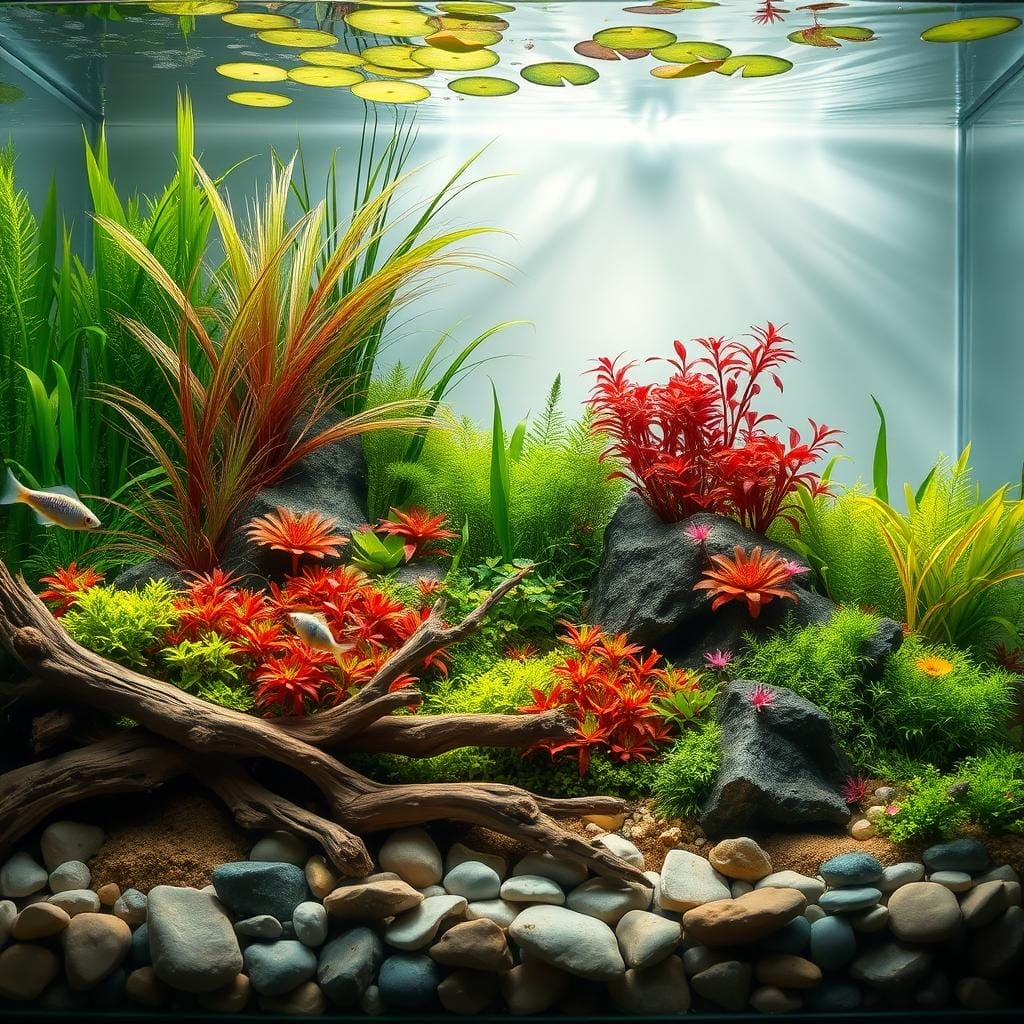
What if your fish tank could become more than just a home for fish—what if it could become a living work of art?
This beautiful craft transforms your ordinary aquarium into a breathtaking underwater landscape. It combines artistic vision with living plants and natural elements. You create a miniature ecosystem that brings the tranquility of nature right into your home.
Aquascaping balances creativity with science. You need to understand both aesthetic principles and the biological needs of your aquatic plants. This approach results in an aesthetically pleasing environment that thrives.
We’ll guide you through essential factors that make an aquascape successful. You’ll learn about lighting, water chemistry, and choosing the right equipment. This knowledge helps your underwater garden flourish.
While aquascaping requires dedication, the reward is absolutely worth the effort. You’ll gain confidence to start your own journey, whether you want a simple planted tank or an elaborate nature scene.
Understanding Aquascaping: Definition and History
Your aquarium’s journey into a living landscape began nearly a century ago. After World War I, equipment became more available, allowing hobbyists to focus on creating beautiful displays.
They started to see their tanks as more than just fish homes. This was the start of a wonderful hobby.
Origins in Dutch and Japanese Approaches
In the 1930s Netherlands, the Dutch style emerged. This approach treats the underwater space like a lush, terraced flower garden.
It celebrates variety, using many types of plants with different colors, sizes, and textures. The goal is a rich, abundant look.
Much later, in the 1990s, Takashi Amano introduced a contrasting style: the nature aquarium. His book series, Nature Aquarium World, inspired a global movement.
This Japanese approach finds beauty in simplicity and natural imperfection. It draws from the concept of Wabi-sabi, focusing on a serene, minimalist feel.
Evolving Trends in Underwater Gardening
These two foundational ideas have shaped modern aquascaping. One loves abundant variety, while the other seeks peaceful minimalism.
This gives you wonderful options to express your own taste. The hobby has grown into a recognized art form with international contests and supportive online communities.
Today, you have more knowledge and better equipment at your fingertips. Starting your own beautiful planted aquarium is easier than ever.
Exploring Diverse Aquascaping Styles and Concepts
Let’s dive deeper into the fascinating array of aquascaping styles that can transform your aquarium’s personality. Understanding these different types helps you choose the path that best matches your creative vision.
Dutch Style versus Nature Aquarium
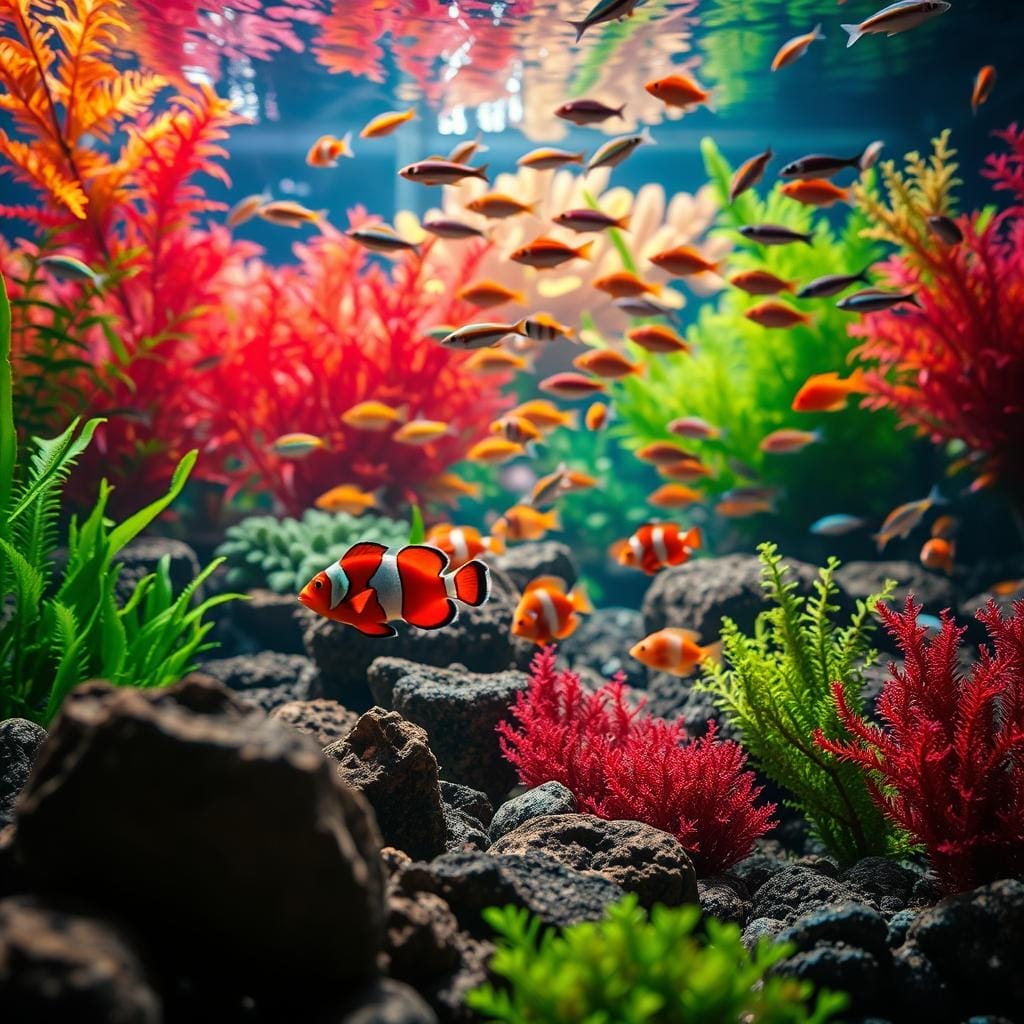
The Dutch style is like a vibrant, underwater flower garden. It focuses heavily on lush plants arranged on terraces. Over 80% of your tank floor gets covered in a rich tapestry of colors and textures.
This approach often avoids rocks and driftwood. The goal is a stunning display of botanical beauty.
In contrast, the nature aquarium style seeks serenity. It embraces simplicity and natural imperfection. The layout feels more open and peaceful, often using stone and wood to mimic wild landscapes.
Insights into Iwagumi, Jungle, and Biotope Setups
Many other inspiring styles exist for your aquarium. Each creates a unique environment for your fish and plants.
- Iwagumi Style: This Japanese concept makes stones the main feature. You carefully place a main stone (Oyaishi) with accompanying (Soeishi) and secondary stones (Fukuseki).
- Jungle Style: This wild look lets plants grow freely. It creates a dense, untamed habitat that many fish species love, with little visible hardscape.
- Biotope Aquariums: Here, you replicate a specific natural habitat. You match the water, substrate, plants, and fish found in a real-world location.
From paludariums (water and land combined) to saltwater reef setups, the possibilities are endless. Your choice defines the experience you create.
Fundamental Principles Behind Successful Aquascaping
The secret to a truly captivating aquarium lies in mastering a handful of core design concepts. These principles work together to create a layout that is both beautiful and balanced. They provide a solid foundation for your creative ideas.
Simplicity, Variety, and Proportion in Design
First, embrace simplicity. Using fewer types of plants thoughtfully often creates a stronger impact. It prevents your tank from looking cluttered and chaotic.
But simple doesn’t mean boring. This is where variety comes in. You can select plants with different leaf shapes and colors that complement each other. This adds visual interest without overwhelming the overall design.
Next, consider proportion. This principle is about balance. Aim for as much open space as filled space in your aquarium. This balance gives your creation room to breathe.
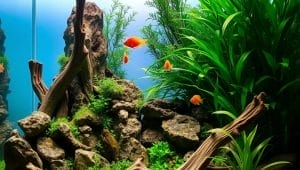
Avoid using only large-leafed plants. They can make your tank feel small and cramped. Mixing in smaller plants helps create a sense of depth and scale. It makes the viewer feel they’re looking into a vast underwater world.
The Power of Patience and Practice
Your first attempt might not be perfect, and that’s okay. Persistence is your greatest tool. Even experts regularly rebuild their tanks to refine their vision.
Each experiment teaches you something new. With patience, these fundamental principles will help you build harmonious, aesthetically pleasing aquascapes that grow with your skills.
Designing Aquarium Layouts: Golden Ratio and Rule of Thirds
The difference between a good aquascape and a great one often comes down to how you position key elements. Professional designers use time-tested principles to create natural visual flow in your tank.
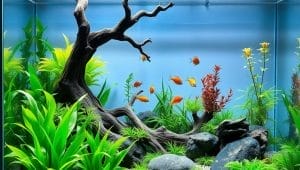
These guidelines help you build a layout that feels balanced and interesting. They’re not rigid rules but helpful tools for your creative process.
Establishing Focal Points for Visual Impact
Every successful aquascape needs a clear focal point. This is where the viewer’s eye lands first. Think of it as the main character in your underwater story.
The rule of thirds divides your tank into nine equal sections using imaginary lines. Place your main feature where these lines intersect. This creates a more dynamic design than centering everything.
The golden ratio offers another approach for ideal placement. This mathematical principle appears throughout nature. It helps determine the perfect spot for your most important element.
Smaller tanks work best with one strong focal point. Larger aquariums can handle multiple points of interest. This prevents your design from feeling cluttered or overwhelming.
Techniques for Creating Depth and Perspective
You can make your tank appear larger than its actual dimensions. Use smaller plants in the foreground and larger ones toward the back. This simple trick creates a wonderful sense of depth.
Arrange your hardscape to suggest distance and perspective. Position rocks and driftwood to guide the eye along visual pathways. Your aquascape will feel like a vast underwater landscape.
Balance filled space with open areas. This gives your design room to breathe. The result is a harmonious layout that feels both complete and spacious.
Selecting Hardware and Natural Elements for Your Aquarium
Your aquarium’s transformation into a thriving ecosystem depends on smart hardware choices and natural element selection. The right equipment creates the perfect environment for your plants to flourish.
Essential Equipment: Lighting, Filters, and CO₂ Systems
Lighting acts as the beating heart of your planted tank. It directly influences plant health and vibrant coloration. Aim for 2-4 watts per gallon, controlled by a timer for consistent cycles.
Your filter system keeps water crystal clear. It removes waste through mechanical, biological, and chemical methods. Most quality filters combine these approaches for optimal results.
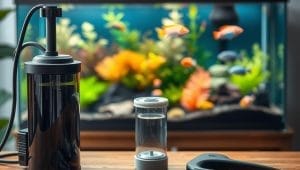
CO₂ supplementation fuels lush plant growth. You can start with budget-friendly DIY yeast systems. Pressurized CO₂ tanks offer more reliable control for serious growth.
Choosing the Right Substrate and Hardscape Materials
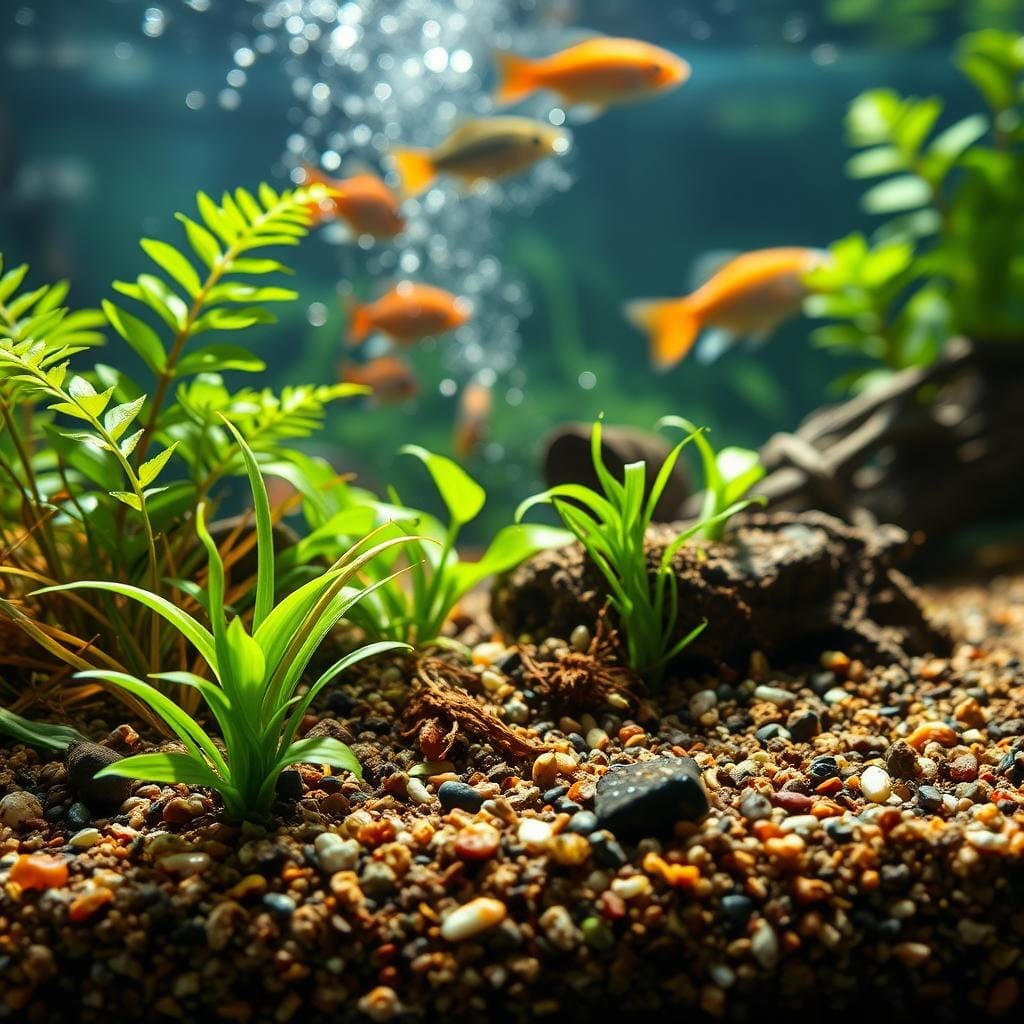
The correct substrate provides crucial root nutrients. It supports proper plant development and vibrant colors. Substrates containing laterite give your plants essential minerals.
Hardscape materials like driftwood and rocks form your aquascape’s skeleton. They create lasting structure and visual interest. Choose pieces that complement each other in texture and color.
Investing in quality equipment from the start ensures your tank thrives for years. These foundational choices make maintenance easier and results more rewarding.
Expert Tips for Plant Selection and Creative Arrangement
Choosing the right plants is like selecting the perfect paint colors for your masterpiece—it sets the entire mood of your aquascape. Your selection of aquatic plants determines whether you create a serene nature scene or a vibrant Dutch garden.
Picking Aquatic Plants for Contrast and Texture
Start by considering leaf size and texture. Fine-leaved plants like Hemianthus callitrichoides create beautiful carpet effects. Bold varieties like Echinodorus bleheri make dramatic focal points.
Use color strategically to create visual interest. Red-leaved Alternanthera reineckii provides striking highlights against various green shades. This contrast brings depth and naturalism to your design.
Different types of foliage create wonderful texture variations. Mix feathery Limnophila with broader-leaved Anubias species. Your arrangement will feel more dynamic and visually compelling.
Strategies for Balancing Open Space and Dense Growth
When planting, begin with your focal point plant. Then work through foreground, midground, and background layers. This builds a cohesive composition that guides the eye naturally.
Plant groups very densely during establishment. More stems mean better root development and healthier growth. This approach increases your success rate significantly.
Balance is key. Leave some open space between dense planting areas. This gives your aquascape room to breathe and provides swimming space for fish. Thoughtful arrangement transforms individual species into a unified landscape.
For more detailed planting strategies, explore our guide on advanced aquascaping techniques. You’ll discover how to create stunning visual effects through smart plant placement.
Maintaining Aquarium Health and Promoting Plant Growth
A thriving planted aquarium is a living system that requires consistent, gentle care. Your regular attention keeps the environment healthy for your fish and encourages lush plants to flourish. A simple weekly routine prevents most problems before they start.
Routine Pruning and Water Quality Management
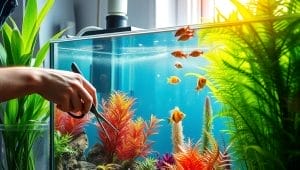
Regular trimming shapes your plants and promotes bushier growth. You can carefully snip stems and even tie cuttings in place with thread to fill bare spots. This keeps your aquarium looking its best.
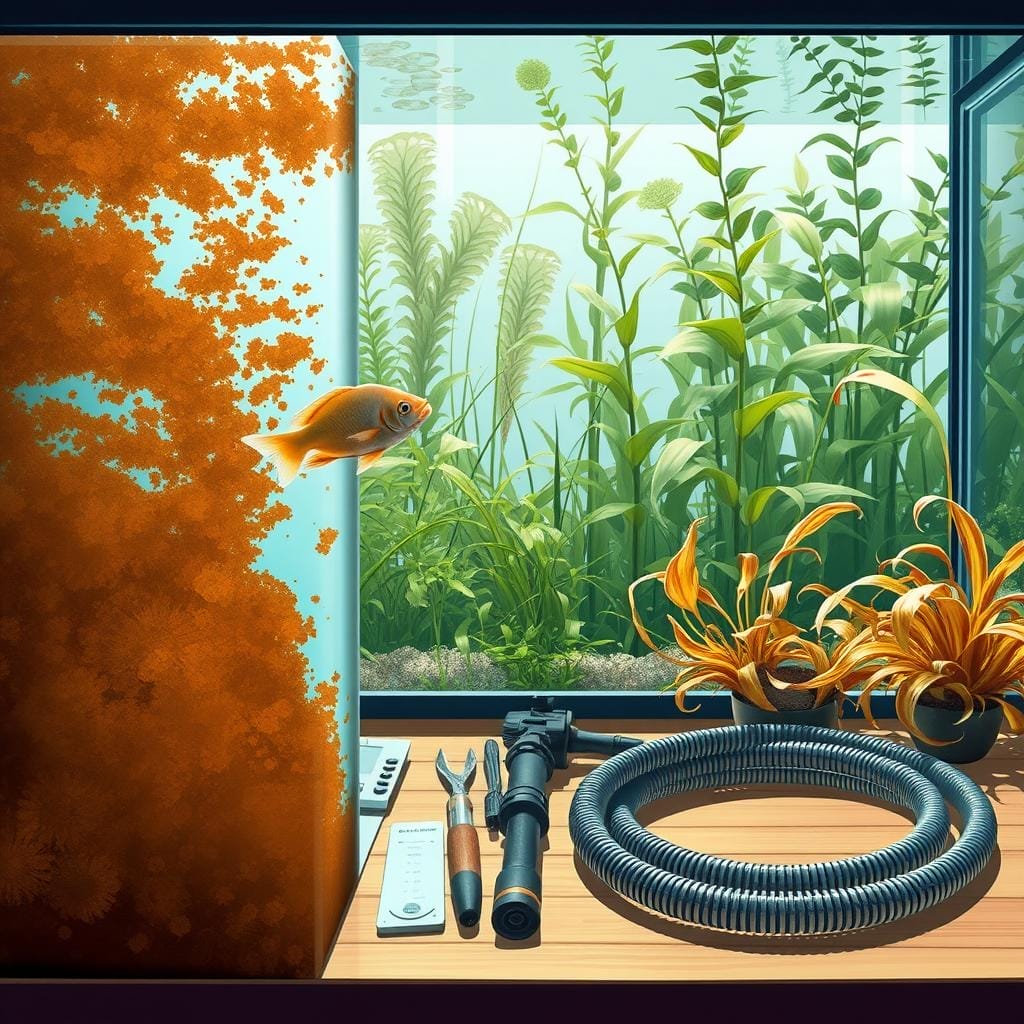
Water quality is vital. Perform partial water changes weekly to remove excess nutrients. This is the best way to keep nitrate levels low. Testing your water ensures the parameters are perfect for your specific plants and fish.
Controlling Algae and Nutrient Levels Effectively
Algae often appears when there is a nutrient imbalance. You can control it in several ways. Introduce helpful cleanup crews like Otocinclus catfish or shrimp. They naturally consume algae.
Also Read: Common Aquarium Problems and How to Fix Them
Using the right amount of aquarium-safe fertilizer gives your plants the fuel they need without feeding algae. Strong plant growth naturally outcompetes algae for resources.
Always quarantine new plants before adding them to your main tank. A quick dip in a diluted bleach solution can remove hitchhiking pests. For a low-tech approach, the Walstad Method uses soil and natural processes to maintain a balanced aquarium with minimal equipment. Learning proper aquatic plant basics is the foundation for long-term success in this beautiful hobby.
Mastering Aquascaping Techniques for a Stunning Aquarium
Ready to turn your vision into a living underwater masterpiece? Mastering a few key techniques makes all the difference. This approach transforms your planning into a thriving reality.
Step-by-Step Instructions for Beginners and Enthusiasts
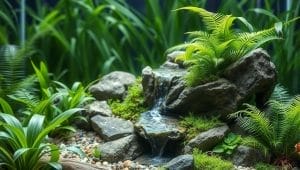
Start your aquascape by building from the ground up. First, add your substrate. Then position rocks and driftwood to create your hardscape foundation.
Finally, plant in logical layers from background to foreground. This sequence sets your tank up for success from day one.
Use practical methods like fishing line to attach plants to wood. This creates a natural, established look quickly. Your design will appear mature much faster.
Innovative Design Methods and Layout Tips
You can create different layout styles using simple principles. Try a concave composition with height on the sides. Or build a convex island-style mountain in the center.
Another effective way is the triangular arrangement. This creates dynamic visual flow that guides the eye naturally through your aquascape.
For advanced results, consider both high-tech and low-tech approaches. High-tech methods use advanced lighting and CO₂ injection. Low-tech setups achieve beautiful results with minimal equipment.
Plan your layout on paper before starting. Sketch different arrangements and plant placements. This planning stage saves time and improves your final design.
Remember that mastering these techniques comes through practice. Each tank you create teaches you something new. For detailed guidance, explore our expert aquascaping tips to enhance your skills.
Leveraging Biotope and Reef Concepts for Advanced Displays
Ready to take your underwater garden to its most authentic form? Advanced displays move beyond general beauty to recreate specific natural worlds. This approach deepens your connection to aquatic ecology.
You focus on replicating a real geographic habitat with perfect accuracy. This includes the correct water chemistry, substrate, and hardscape. The goal is a living snapshot of nature.
Incorporating Natural Habitats into Your Aquascape
Biotope aquarium style offers a profound challenge. You recreate environments like an Amazonian blackwater stream. Using leaf litter and driftwood releases tannins.
This darkens the water and creates soft, acidic conditions. Many popular fish species thrive in this authentic setting. It can reduce stress and encourage natural breeding behaviors.
This nature aquarium style is not just about looks. It provides genuine health benefits for your aquatic life. You create a truly supportive habitat.
Technical Considerations for Saltwater and Reef Setups
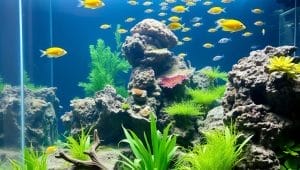
Reef aquarium style is a different world. It uses live rock as the main structure instead of plants. Your aquarium becomes home to corals and invertebrates.
These systems demand intense, specialized lighting. Corals host symbiotic algae called zooxanthellae. Proper light supports their health and elicits stunning fluorescent colors.
Stable water parameters are absolutely critical for marine species. This type of aquascaping requires advanced filtration and careful monitoring. The result is a spectacular, otherworldly display that celebrates the beauty of the ocean.
Implementing Innovative Materials in Modern Aquascaping
Your aquascape’s character begins with the permanent elements that shape its structure and personality. These foundational pieces create the visual framework that your plants will grow around.
Utilizing Driftwood, Rockwork, and Other Hardscapes
The hardscape forms the skeleton of your design. Different types of wood like Manzanita and bogwood create natural textures. The Ryoboku style makes driftwood the main feature.
This approach often lets wood extend above the water. It creates a stream-like appearance. Using one type of driftwood maintains visual harmony.
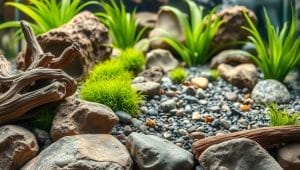
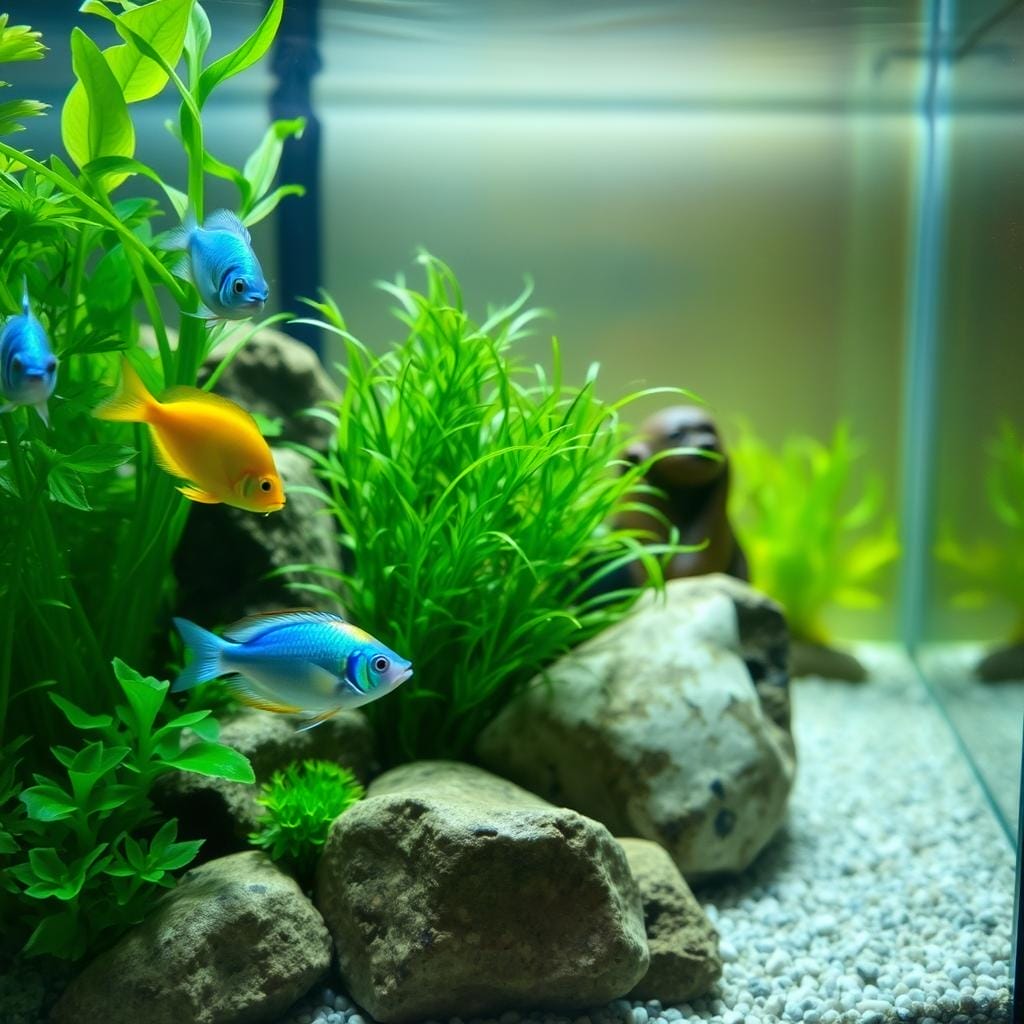
For stone arrangements, the Iwagumi style uses specific rocks as focal points. Choose stones with matching colors and textures. This creates unity in your aquascape.
Popular rocks include Seiryu and lava stones. They provide dramatic contrast against plant foliage.
Integrating Contemporary Technologies and Design Ideas
Modern aquascaping combines traditional materials with new techniques. You can glue rocks or wood together safely. This builds complex structures like caves.
Advanced LED lighting shows off your hardscape beautifully. Smartphone controls make maintenance easier. These tools support your creative vision.
Thoughtful hardscape placement guides plant growth. It creates natural-looking compositions that evolve beautifully over time.
Strategies for Showcasing Your Aquascape in Contests and Exhibitions
Taking your aquascape to the competition stage can be an incredibly rewarding next step in your creative journey. Many aquascapers find that preparing for contests pushes their skills to new heights.
Understanding Judging Criteria and Competition Tactics
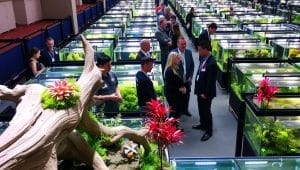
Different contests use various scoring systems. The International Aquatic Plant Layout Contest (IAPLC) receives a large number of entries each year. Judges award points for composition, balance, and technical execution.
Traditional Dutch-style competitions focus heavily on biological health. Judges may visit your home to evaluate your tanks in person. They check water parameters and plant vitality carefully.
Highlighting the Biological Well-Being of Your Aquarium
Healthy aquariums often score the highest points. Focus on maintaining pristine water quality and thriving plants. This demonstrates your mastery of aquatic fish breeding techniques and ecosystem management.
Successful aquascapers time their plant growth to peak during judging. They ensure their aquariums show vibrant health. This biological focus separates winning entries from the competition.
Participating in these events connects you with fellow aquascapers worldwide. You’ll gain valuable feedback to improve your future tanks. Explore our aquascaping tips to prepare your entry effectively.
Final Thoughts on Transforming Your Aquarium into a Masterpiece
From the Lisbon Oceanarium’s stunning “Forests Underwater” exhibit to your home aquarium, the art of aquascaping creates breathtaking underwater worlds. This permanent display shows how powerful this craft can be.
Your aquascape journey is personal and rewarding. Each tank you create helps your skills grow. Your underwater garden plays a vital role as a beautiful focal point and calming presence.
Start with whatever setup you have. Find inspiration in nature during hikes or by streams. This is the perfect way to begin your creative adventure.
You now have the knowledge to build a stunning aquascape. For detailed guidance, explore our aquascaping 101 guide. Trust the process and watch your aquarium become a living masterpiece.
FAQ
What is the main difference between Dutch style and Nature Aquarium style?
The Dutch style focuses heavily on the arrangement and cultivation of many aquatic plant species, often creating terraced rows of contrasting colors and textures. The Nature Aquarium style, pioneered by Takashi Amano, emphasizes creating a miniature natural landscape underwater, using principles like the golden ratio and a strong focal point with rocks and driftwood to achieve an aesthetically pleasing look.
How do I create a sense of depth in my aquarium layout?
You can create depth by using the rule of thirds and placing your focal point off-center. Using larger stones or pieces of wood in the foreground and gradually smaller hardscape materials towards the back helps. Planting taller species in the background and shorter, carpeting plants in the front also enhances perspective, making your tank feel larger.
What role does lighting play in a successful planted tank?
Lighting is crucial for healthy plant growth. It drives photosynthesis, which allows your aquatic plants to thrive. The right intensity and spectrum support different species, from low-light plants like Anubias to high-light carpeting plants. Proper lighting also brings out the vibrant color in your plants and fish, making your aquascape visually stunning.
What are the best types of substrate for a planted aquarium?
For a thriving planted tank, a nutrient-rich substrate is often best. Brands like ADA Aqua Soil provide essential minerals that support root growth. You can also use a layered approach with a base layer of soil topped with sand or gravel. The right substrate acts as a foundation, helping your plants establish strong roots and absorb nutrients effectively.
How can I control algae growth in my aquascape?
Balancing light, nutrients, and CO₂ is key. Avoid leaving lights on for too long and perform regular water changes to manage nutrient levels. Introducing algae-eating fish or shrimp, like Amano shrimp, can provide natural control. Consistent maintenance, including pruning plants and cleaning filters, helps keep algae in check and maintains water quality.
What is the golden ratio in aquascaping design?
The golden ratio is a design principle, approximately 1:1.618, used to create a naturally balanced and aesthetically pleasing layout. By placing your main focal point, like a striking rock or piece of driftwood, at a point determined by this ratio, you guide the viewer’s eye through the aquascape in a harmonious way, making the design feel more natural.
Aquascaping techniquesAquatic plant careFreshwater aquarium designHardscape in aquascapingPlanted tank inspiration
Hi, I'm Millie a passionate fish enthusiast and blogger. I loves learning about all kinds of aquatic creatures, from tropical fish to stingrays.