
Your Barb Fish Care Guide: Healthy Fish, Happy Tank
 Millie Douglas
Updated on: December 1, 2025 .
9 min read
Millie Douglas
Updated on: December 1, 2025 .
9 min read
Have you ever wondered which freshwater aquarium dwellers can turn a simple tank into a bustling, vibrant underwater community?
Welcome to the exciting world of keeping barbs! These energetic swimmers are a fantastic choice for your home aquarium. They bring incredible color and non-stop action to your underwater scene.
The name “barb” covers a huge family of unique tropical fish. You’ll find small, striped tigers and peaceful cherry varieties. There are also larger types that can grow over a foot long. This amazing diversity means there’s a perfect match for almost every aquarist.
Best of all, most of these species are considered beginner-friendly. They are hardy and adaptable, making your journey into the hobby much smoother. With the right setup, they can be lively companions for many years.
This guide will walk you through everything you need for success. We’ll help you create a thriving environment where your new pets will flourish.
Essential Barb Fish Care Tips for a Healthy Aquarium
Getting started is simpler than you might think. Your first step is to gather the right tools. This sets you up for a smooth and enjoyable experience.
You will need a properly sized tank, a reliable filter, and a consistent heater. A water test kit is also crucial. Don’t forget a gentle net, a thermometer, and water conditioner. These items help you create a stable environment.
The great news is that these active swimmers are quite hardy. They can handle a reasonable range of water conditions. This makes them a fantastic choice for newcomers to the hobby.
Investing in a good filter and test kit from the beginning is a smart move. It makes maintenance easier and keeps your pet healthy for years. With the right setup, you can spend less time worrying and more time enjoying your lively aquarium.
Creating the Perfect Aquarium Environment
Building the perfect underwater world requires careful planning from the ground up. Your setup choices directly impact your pets’ wellbeing and activity levels.
Choosing the Right Tank Size and Layout
Selecting the proper tank size is your first critical decision. Smaller varieties thrive in 10-gallon setups, while active swimmers need 29 gallons or more. Large species require spacious 70+ gallon habitats.
Always choose long, rectangular tanks over tall ones. These horizontal swimmers need plenty of bottom surface area to school and explore. A fitted lid is essential for safety since these energetic jumpers might leap out when startled.
Incorporating Live Plants and Hiding Spots
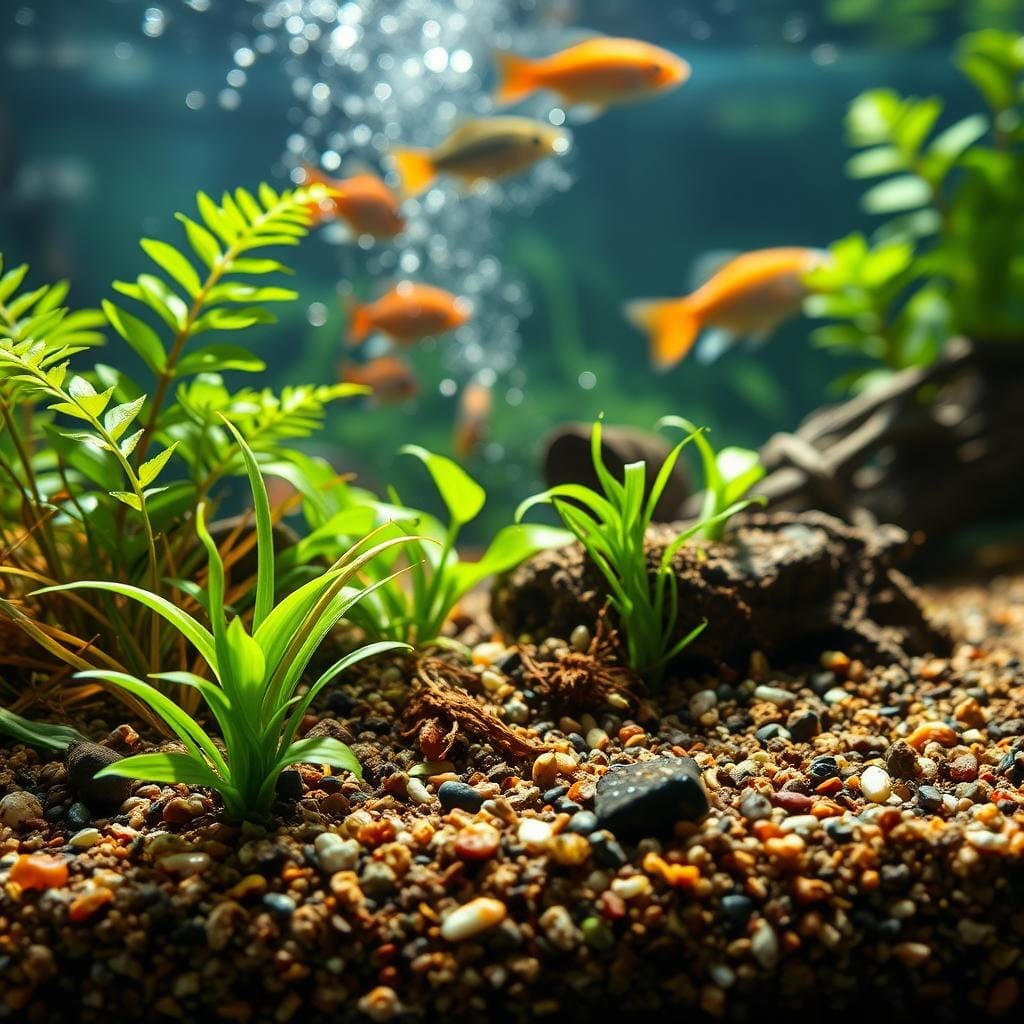
Create a comfortable foundation with fine gravel or sandy substrate. Use about 1½ pounds per gallon of water for a natural 1-2 inch layer.
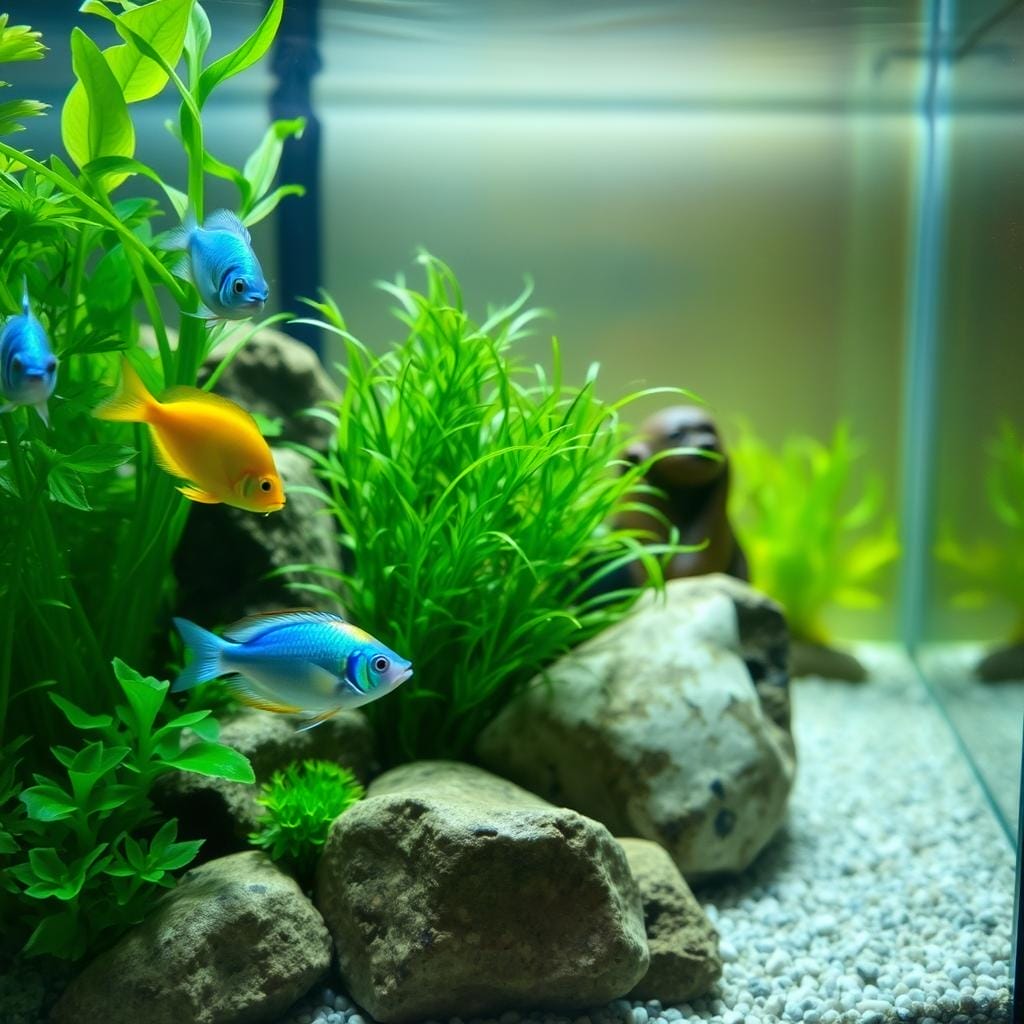
Design your environment thoughtfully by placing plants and rocks along the sides and back. This creates cozy hiding spots where your pets can retreat. Balance is key—they need open swimming space in the center for schooling.
Anchor submerged plants firmly so energetic explorers won’t knock them over. Always rinse decorations thoroughly before adding them to maintain water quality. Your careful preparation creates a secure and stimulating home for your aquatic community.
Setting Up a Harmonious Tank Community
Creating a peaceful underwater neighborhood starts with understanding the social needs of your aquatic pets. These lively swimmers thrive when they feel secure in their environment.
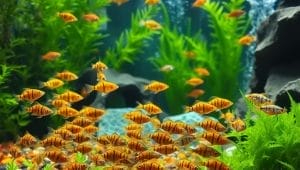
Your success depends on building a balanced community where all inhabitants get along well. This approach prevents stress and promotes natural behaviors.
Selecting Compatible Tankmates
Keep your barbs in odd-numbered groups of at least five. Larger schools of seven or more create a happier environment. This spreads out any natural aggression among themselves.
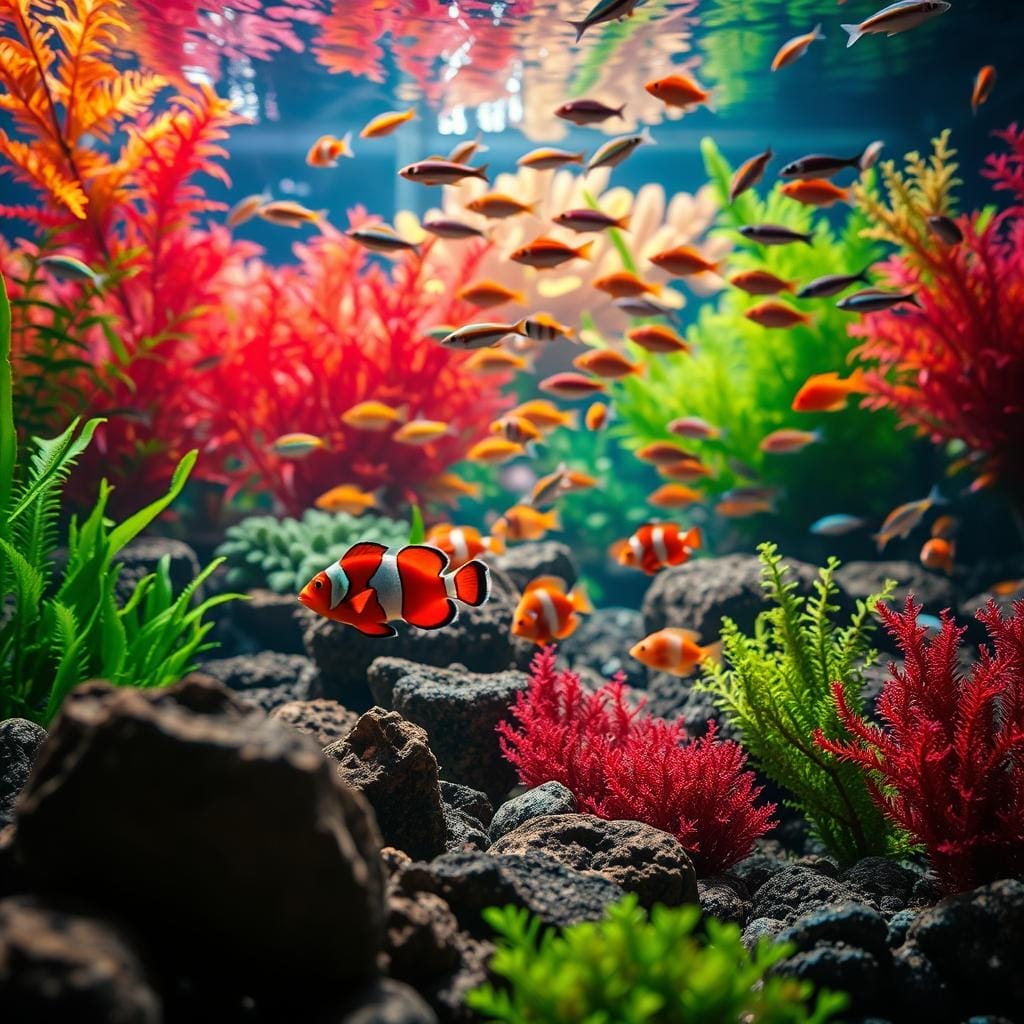
You can mix different color variations of the same species for a stunning visual effect. Choose companions that match their energy level. Fast swimmers like danios work well together.
Avoid housing them with slow-moving fish having long, flowing fins. Their active nature can lead to fin nipping. Consider bottom dwellers that occupy different tank areas.
Managing Aggressive Behaviors and Fin Nipping
Watch your group during feeding times. These enthusiastic eaters might outcompete slower companions. Ensure everyone gets their share of food.
Introduce new additions to your aquarium gradually. Test water parameters weekly for two months after changes. This maintains stability in your aquatic home.
Provide plenty of swimming space to prevent overcrowding. A stressed tank environment can trigger unwanted behaviors. Your careful planning creates a thriving underwater community where everyone flourishes.
Optimizing Water Quality and Filtration
The key to your aquarium’s success lies in consistent water quality management. Your filtration system acts as the heart of your aquatic environment, working tirelessly to maintain healthy conditions.
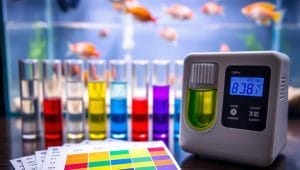
Clean, oxygen-rich water supports vibrant activity and prevents health issues. Regular monitoring keeps your underwater world stable and thriving.
Implementing Effective Filtration Systems
Choose a filter that cycles all your aquarium water at least four times per hour. For a 10-gallon setup, select a unit rated for 40 gallons per hour.
Power filters and external canister models offer excellent mechanical, biological, and chemical filtration. They work efficiently without occupying valuable swimming space.
Adjust the flow rate to create gentle water movement. Most species prefer slow to moderate circulation that mimics their natural freshwater habitat.
Monitoring Water Parameters and Salt Levels
Test your water weekly during the first two months, then monthly. Check pH, ammonia, nitrate, and nitrite levels to catch issues early.
Maintain temperature between 72-82°F with daily changes under 2 degrees. These adaptable creatures handle a wide range but need stability.
Aim for slightly soft, acidic water with pH around 6.0-7.8. Some varieties benefit from freshwater salt at specific gravity 1.004.
Always treat new water with conditioner before adding it to your tank. This removes chlorine, chloramines, and heavy metals that could harm your aquatic pets.
Barb Fish Diet & Nutrition Guidance
Your barbs’ health and energy levels depend heavily on what you put on their menu. These active swimmers need proper fuel to maintain their vibrant colors and lively behavior.
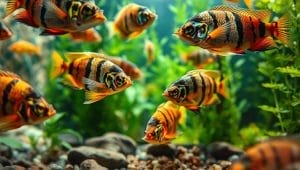
A balanced approach keeps your aquatic pets thriving for years. Let’s explore how to create the perfect feeding routine.
Balancing Commercial Foods with Fresh Options
Start with high-quality commercial food as your foundation. Pellets and flakes formulated for omnivores provide complete nutrition.
Rotate between different foods throughout the week. This variety ensures your pets get all essential nutrients. Include frozen options like bloodworms and brine shrimp as occasional treats.
Remember to thaw frozen foods completely before feeding. Too many worms can cause digestive issues, especially for females. Add vegetable matter like blanched zucchini for roughage.
Feeding Frequency and Portion Control
Offer small meals once or twice daily. Your active tiger barb and other varieties should finish eating within two minutes.
Choose smaller particles that scatter easily. This gives all community members a fair chance during feeding frenzies. Overfeeding clouds water and harms water quality.
This diverse diet mimics their natural eating habits. Your careful attention to nutrition supports a thriving underwater community.
Tank Maintenance and Regular Cleaning Routines
A consistent maintenance routine is your secret weapon for a beautiful, healthy aquarium. Regular care prevents problems before they start and keeps your underwater world thriving.
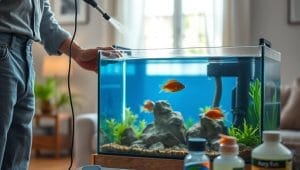
Your cleaning schedule should balance weekly light tasks with monthly deep cleaning. This approach maintains stability while keeping everything sparkling.
Routine Maintenance and Cleaning Steps
Perform partial water changes every 2-4 weeks, replacing 10-25% of the volume. This removes waste without disrupting beneficial bacteria. Always treat new water with conditioner before adding it.
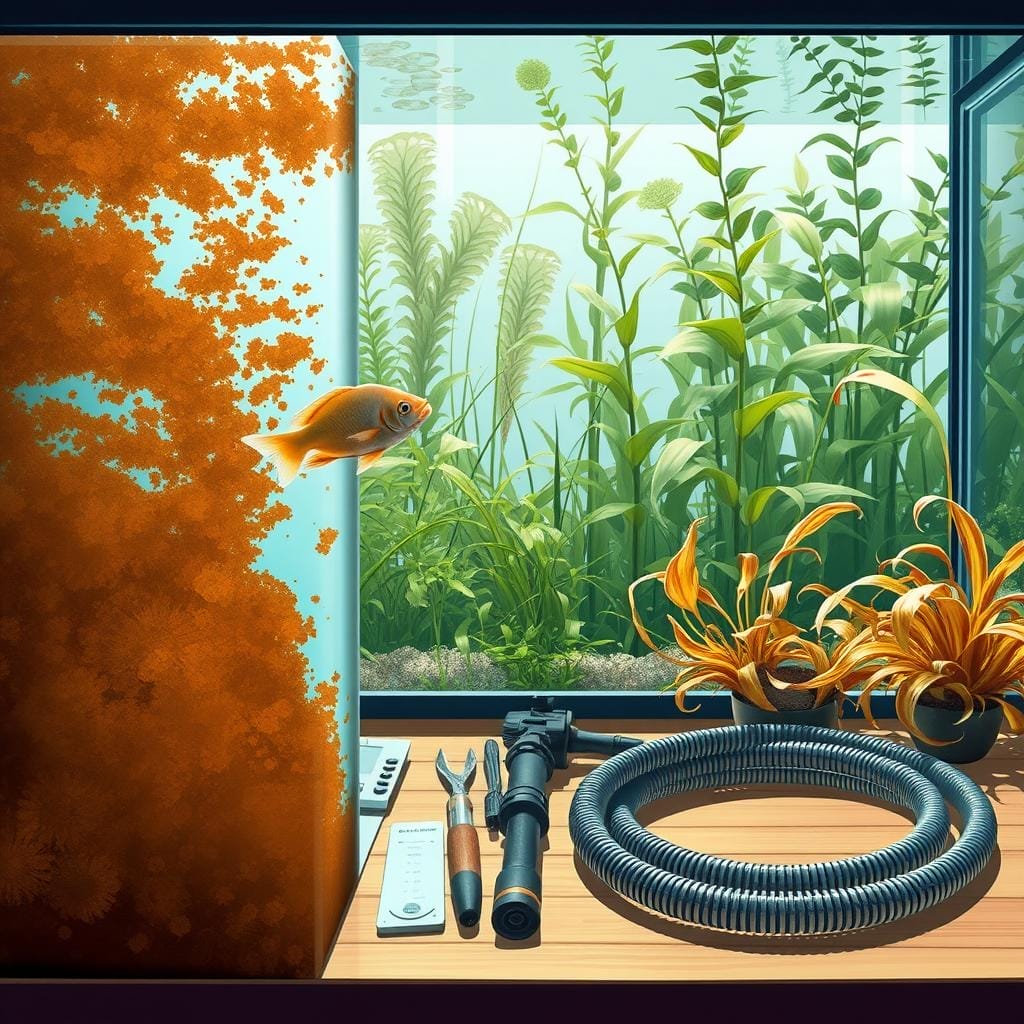
During monthly deep cleaning, gently scrape algae from glass walls using a soft sponge. For acrylic tanks, use specialized tools to prevent scratches. Never remove your aquatic pets during routine maintenance.
Vacuum the substrate bottom to remove debris and uneaten food. Check your filter regularly for algae buildup. Follow manufacturer instructions for proper cleaning to maintain optimal flow.
Tips for Décor and Aquascaping Upkeep
Remove decorations and artificial plants with significant algae growth. Scrub them with an algae pad and hot water. For stubborn buildup, use a 3% bleach solution soak followed by thorough rinsing.
Ensure all cleaned items are completely dry before returning them to your tank. This prevents chemical contamination. Wash your hands thoroughly before any maintenance to protect your pet.
For detailed species-specific guidance, consult this comprehensive Barbs.pdf resource. Proper maintenance ensures your active swimmers remain vibrant and healthy for years.
Final Insights for a Thriving Barb Aquarium
Watching your underwater community thrive is one of the most satisfying aspects of aquarium keeping. Your dedication will be rewarded with up to 15 years of vibrant activity from these energetic swimmers.
Healthy pets display clear eyes, intact fins, and enthusiastic appetites. Contact a veterinarian if you notice changes in coloration, lethargy, or decreased eating. For detailed health guidance, consult this comprehensive barb fish care sheet.
Once comfortable with basic maintenance, consider breeding. Males show brighter colors while females develop rounder bodies. They frequently lay sticky eggs on plant leaves.
Remember that adults don’t provide parental care and may eat eggs. Use dense plant cover or separate containers to protect fry. These tiny hatchlings need specialized foods initially.
Your consistent efforts create a beautiful habitat where these lively companions flourish. They’re ideal for both beginners and experienced hobbyists seeking active, colorful aquatic pets.
FAQ
What is the ideal group size for keeping these freshwater species?
These are active schooling fish, so a group of at least six is best. A larger school helps reduce stress and minimizes fin nipping, creating a more natural and peaceful environment in your aquarium.
Can I keep them with other tropical fish in a community tank?
Yes, but choose tankmates carefully. Avoid slow-moving species with long fins. Good companions include other robust, similarly-sized fish like danios, larger tetras, or certain types of loaches that inhabit the bottom of the tank.
Also Read: Common Aquarium Problems and How to Fix Them
What foods should I feed my pets for optimal health and color?
A varied diet is key. Start with high-quality flakes or pellets as a staple. Regularly supplement with live or frozen foods like brine shrimp, bloodworms, and daphnia. This variety enhances their vibrant coloration and supports overall health.
How often should I perform water changes and tank maintenance?
A weekly water change of about 25% is a great routine. This helps maintain stable water conditions, removes waste, and keeps nitrate levels low. Always use a water conditioner to neutralize chlorine before adding new water to your aquarium.
Are live plants beneficial in their habitat?
Absolutely! Plants like Java Fern or Anubias provide essential hiding spots, reduce stress, and help improve water quality by absorbing nitrates. They also create a more natural and visually appealing aquascape for your pets to explore.
What water parameters do they need to thrive?
Most species prefer slightly acidic to neutral water (pH 6.5-7.5) with a temperature range between 72°F and 78°F. Consistent water quality is crucial, so regular testing for ammonia, nitrite, and nitrate is highly recommended.
Aquarium Decor IdeasAquarium maintenanceBarb Fish CareBarb Fish SpeciesBarb Fish Tank SetupFeeding Barb FishFish Tank HealthFish tank water qualityTropical Fish Care
Hi, I'm Millie a passionate fish enthusiast and blogger. I loves learning about all kinds of aquatic creatures, from tropical fish to stingrays.