
Create Ideal Breeding Conditions for Your Aquarium Fish
 Millie Douglas
Updated on: December 2, 2025 .
9 min read

Did you know over 60% of aquarium owners never see their fish reproduce? This startling fact highlights how challenging it can be to mimic nature’s perfect balance in a glass tank. But here’s the good news: with the right approach, you can unlock your fish’s natural instincts and witness the magic of new life in your aquatic world.
Your journey begins by recreating the delicate environmental triggers fish experience in the wild. Seasonal changes, water chemistry shifts, and food availability all play crucial roles in signaling it’s time for reproduction. While this might sound complex, we’ll break it down into simple, actionable steps anyone can follow.
You’ll discover how factors like temperature control and lighting schedules work together to create the perfect environment. Different species need specific setups – some require dense plant cover, while others need particular water flow patterns. The key lies in understanding your fish’s unique needs.
This guide focuses on practical solutions rather than technical jargon. We’ll show you how to monitor pH levels effectively and choose the best nutrition for spawning pairs. With patience and observation, you’ll learn to recognize when your aquatic pets are ready to start their family.
The reward? Watching tiny fry dart through your carefully prepared habitat, knowing you’ve created life-sustaining conditions. Let’s dive into the essential elements that transform ordinary tanks into thriving nurseries.
Decoding Breeding Conditions for Aquarium Fish
Your fish’s reproductive instincts are smarter than you might think. Like nature’s invisible clockwork, aquatic life follows precise patterns that tell them when to start families. Mastering these rhythms transforms your tank into a thriving ecosystem.
Key Concepts in Aquarium Breeding
Fish rely on environmental triggers their ancestors followed for millennia. Seasonal shifts in daylight hours or water warmth act like nature’s green light. Tropical species might need monsoon-like water changes, while temperate fish respond to gradual temperature variation.
Watch for subtle clues. Males often brighten their colors, while females scout safe spots for eggs. Some fish build intricate bubble nests, others scatter eggs among plants. Each species has unique needs rooted in their wild origins.
Why Breeding Conditions Matter
Perfecting these triggers does more than create fry – it shows your tank mimics natural habitats. When fish feel secure enough to reproduce, you’ve achieved aquatic harmony. This information helps troubleshoot issues before they become emergencies.
Start small. Adjust your tank’s light timer by 30 minutes weekly to simulate seasons. Test water parameters more frequently during these changes. You’ll soon spot patterns linking specific adjustments to your fish’s behavior.
Setting Up the Perfect Aquarium Environment
Your tank’s layout acts as a love letter to your fish – it tells them they’re safe to start families. Start by researching your species’ native habitats. Do they thrive in crystal-clear streams or murky ponds? Replicate those features through smart design choices.

Water Chemistry Made Simple
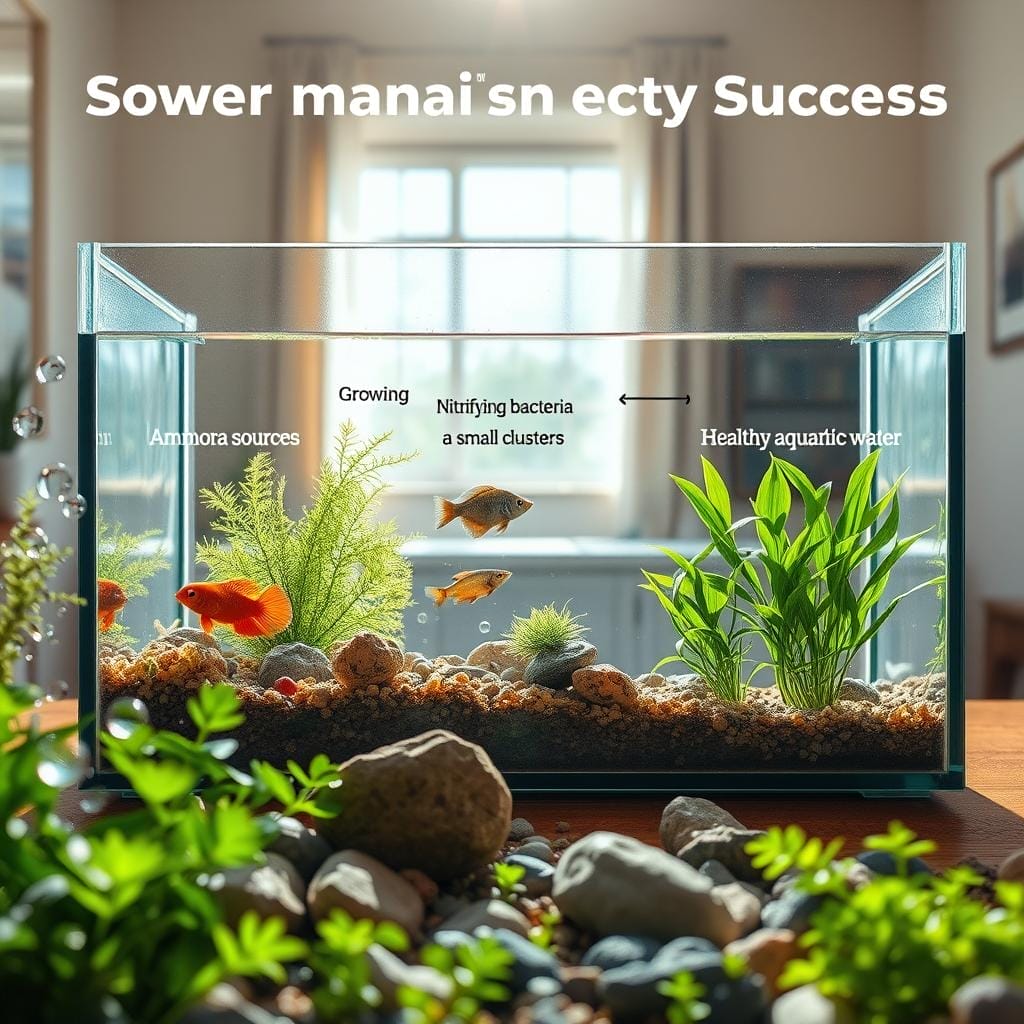
Test kits become your best friend here. Aim for pH levels matching your fish’s origins – 6.5 for Amazonian tetras, 7.8 for African cichlids. Gradually adjust hardness using crushed coral or peat moss. Sudden changes stress aquatic life.
Install a reliable heater with a 1-2°F daily range to mimic natural temperature shifts. Many fish spawn when warmth increases slightly. Pair this with gentle water movement using spray bars or air stones.
Building Fish-Friendly Landscapes
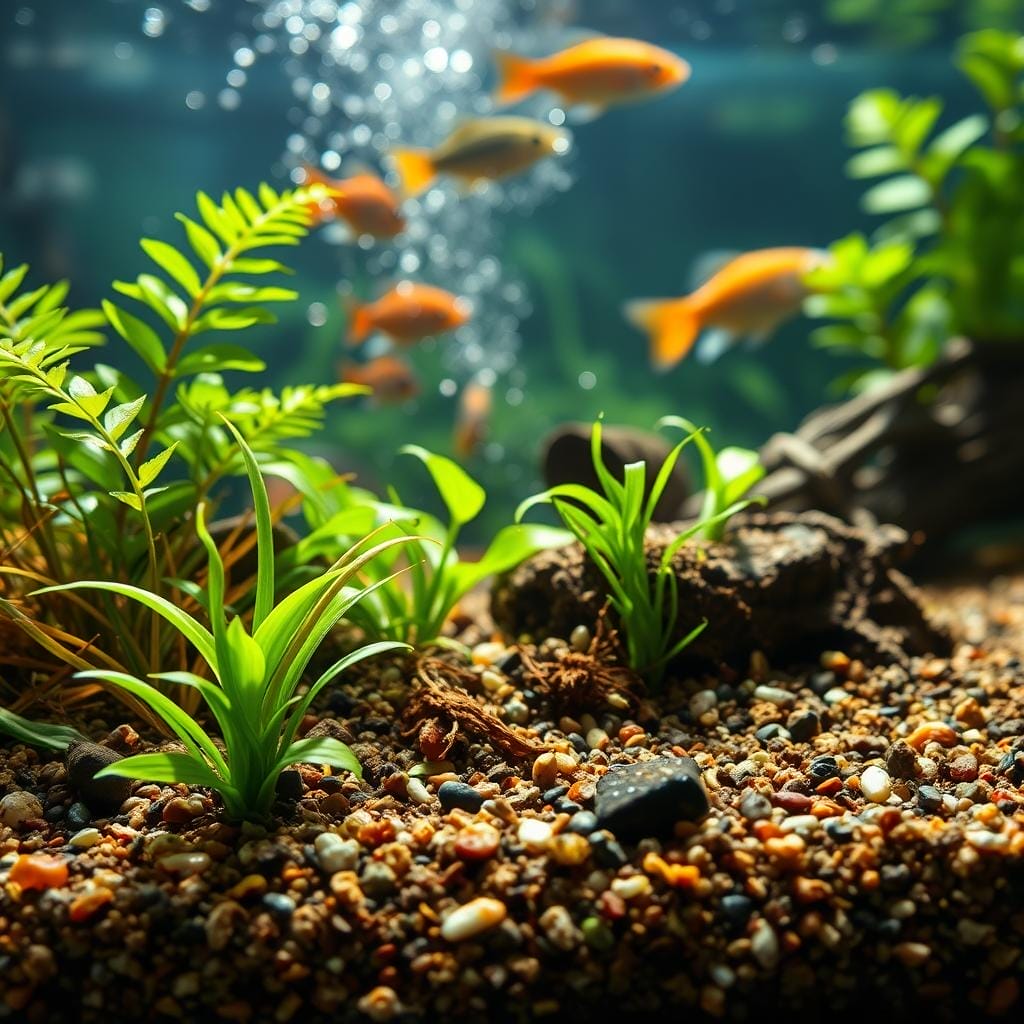
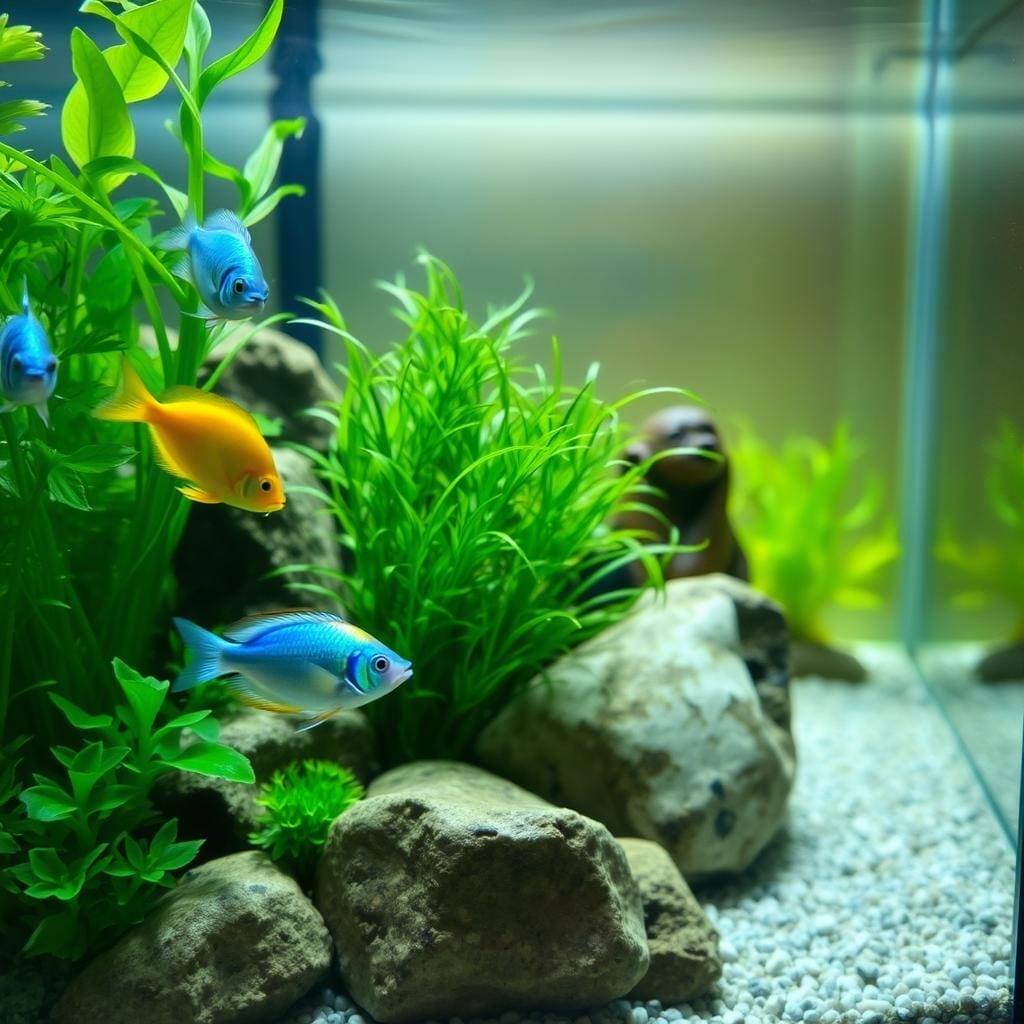
Choose substrates that support natural behaviors. Sand lets bottom-dwellers sift safely. Smooth gravel protects eggs from fungus. Live plants like java moss give shy fish hiding spots and surfaces for nest building.
Add these three elements to reduce stress:
- Floating plants for surface coverage
- Terracotta pots or PVC pipes as caves
- Broad-leafed plants for egg attachment
For advanced setups, explore specialized spawning tools that simplify fry care. Remember – patience trumps perfection. Small weekly adjustments create lasting results.
Nutritional Strategies and Feeding for Reproduction
Your fish’s menu holds the secret to successful reproduction. Just like spring rains spark insect hatches in nature, strategic feeding patterns awaken aquatic life’s natural rhythms. This approach prepares fish physically and mentally for spawning.

Fueling Reproductive Success
Quality food transforms ordinary fish into vibrant breeders. Live and frozen options like bloodworms or brine shrimp deliver concentrated protein – the building blocks for healthy eggs and sperm. Rotate these power foods with vegetable-based options for herbivorous species.
Follow these three rules for optimal results:
- Increase meals to 3-4 daily portions before spawning
- Combine floating pellets with sinking wafers
- Supplement with calcium-rich treats for shell development
Male and female needs differ dramatically. Females require extra lipids for egg production, while males benefit from amino acids that boost coloration and energy. Observe your fish’s responses – vibrant hues and active chasing signal you’ve nailed their nutritional sweet spot.
Timing matters most. Begin enhanced feeding 6 weeks before planned spawning. This mimics nature’s abundance cycles, triggering hormonal changes that prime fish for reproduction. Watch as your aquatic pairs transform into attentive parents, fueled by your carefully crafted menu.
Simulating Natural Breeding Triggers
Light acts as nature’s secret language for aquatic life. Many fish species rely on subtle environmental cues you can recreate through smart tank management. Let’s explore how to speak your fish’s seasonal dialect.

Mastering Light Schedules
Tropical species near the equator experience 12-hour daylight cycles year-round. If your fish originate from these zones, maintain consistent lighting. For temperate species, gradually add 30 minutes of light weekly until reaching 14-15 hours – mimicking spring’s arrival.
Modern LED systems let you program sunrise/sunset effects. Start with these simple adjustments:
- Match your tank’s hours to your fish’s native latitude
- Use timers for consistent daily cycles
- Combine light shifts with temperature changes
Seasonal Temperature Tweaks
Pair light adjustments with gradual warmth increases. Raise water temperature 2-3°F over three weeks to simulate summer approaches. Cold-water species might need cooler periods followed by warming trends.
Remember these key points:
- Tropical fish often respond better to simulated rainy seasons than light shifts
- Use aquarium-safe heaters with 0.5°F precision
- Track behavior changes after each adjustment
Your patience pays off when fish begin courtship dances. Watch for males showcasing vibrant colors or females inspecting potential nesting sites – nature’s confirmation you’ve nailed the triggers.
Implementing Practical Techniques for Nest Building and Mating
The secret to successful fish reproduction often lies in their real estate choices. Your aquatic friends need specific setups to feel secure enough for family planning. Let’s explore how to craft environments that encourage natural parenting instincts.

Creating Appropriate Nesting Sites
Fish housing preferences vary dramatically between species. Bubble nest builders like bettas need calm surface areas with floating plants. Cave spawners such as cichlids require rocky overhangs or overturned pots. Always research your pair’s wild habitat for inspiration.
Offer multiple material options to reduce competition. Try these combinations:
- Marbles for egg scatterers
- Peat fiber for mouthbrooders
- Java moss for adhesive egg layers
Males often prepare nests before courting females. Watch for bubble clusters or cleaned surfaces – signs your fish are entering breeding condition. Provide privacy screens near these areas to ease stress during delicate phases.
Understanding Mating Behaviors in Aquatic Species
Courtship rituals reveal crucial timing clues. Males might flash vibrant colors or perform zigzag dances. Females often inspect potential nest sites while carrying eggs. Recognize these three key signals:
- Increased territorial chasing
- Body quivering displays
- Shared nest maintenance
Post-spawning care separates successful parents from egg abandoners. Maintain stable water parameters and dim lighting during incubation. Some species guard their nest fiercely, while others need separation from their offspring immediately.
Remember – patience wins the race. It might take several attempts before your fish pair masters their parenting roles. Each failure teaches valuable lessons about your aquatic family’s unique needs.
Wrapping Up Your Aquarium Breeding Strategy
Creating life in your aquarium requires balancing science with intuition. Your success hinges on managing stress hormones like GnIH and corticosterone – invisible forces that can halt reproduction before it begins. By maintaining stable environments, you help fish focus energy on parenting instead of survival.
Every species thrives under specific care routines. For bubble nest builders like bettas, follow this Betta breeding guide to replicate their natural process. Monitor water quality religiously, as even slight variations in temperature or pH can disrupt delicate hormonal cycles.
Remember these three pillars for success:
- Match tank setups to natural habitats
- Gradually adjust light and warmth over days
- Separate aggressive tank mates early
Watch for signs like male nest-building or female egg-carrying behaviors. These indicate your efforts are working. With patience during the process, you’ll witness fry darting through plants – nature’s ultimate reward for your dedication.
FAQ
How do I prepare my tank for fish reproduction?
Start by testing and adjusting water parameters like pH, hardness, and ammonia levels. Gradually increase the temperature to match your species’ natural spawning range—usually 2-4°F warmer than usual. Add fine-leaved plants or spawning mops for egg deposition.
What foods boost reproductive health in aquatic pets?
Offer protein-rich live or frozen foods like brine shrimp and bloodworms 2-3 times weekly. Supplement with vitamin-enriched flakes or pellets. For egg-layers, include calcium sources like crushed eggshells or cuttlebone to support egg development.
Can lighting changes really trigger spawning behavior?
Yes! Mimicking seasonal light cycles encourages natural rhythms. Use a timer to slowly increase daily light exposure from 8 to 12 hours over 3 weeks. For rainforest species, try simulating monsoon conditions with brief periods of dimmed lighting and increased water flow.
How do I create safe nesting areas?
Research your species’ preferences—caves for cichlids, bubble nests for bettas, or gravel pits for killifish. Use smooth stones, coconut shells, or aquarium-safe silicone structures. Leave open swimming spaces nearby for courtship displays.
What signs indicate fish are ready to mate?
Watch for color intensification in males, frequent substrate cleaning, or “dancing” rituals. Egg-bearing females often develop rounded bellies and may hide more. Some species like gouramis exhibit distinct body language changes, such as fin flaring or synchronized swimming patterns.
How long does the spawning process typically take?
Timelines vary widely—livebearers like guppies can complete mating in hours, while egg-layers like angelfish may court for days. After fertilization, eggs usually hatch within 24-72 hours depending on water warmth. Remove parents promptly if they show egg-eating tendencies.
Hi, I'm Millie a passionate fish enthusiast and blogger. I loves learning about all kinds of aquatic creatures, from tropical fish to stingrays.