
Setting Up Your Canister Filter: A Step-by-Step Guide
 Millie Douglas
Updated on: July 16, 2025 .
10 min read
Millie Douglas
Updated on: July 16, 2025 .
10 min read
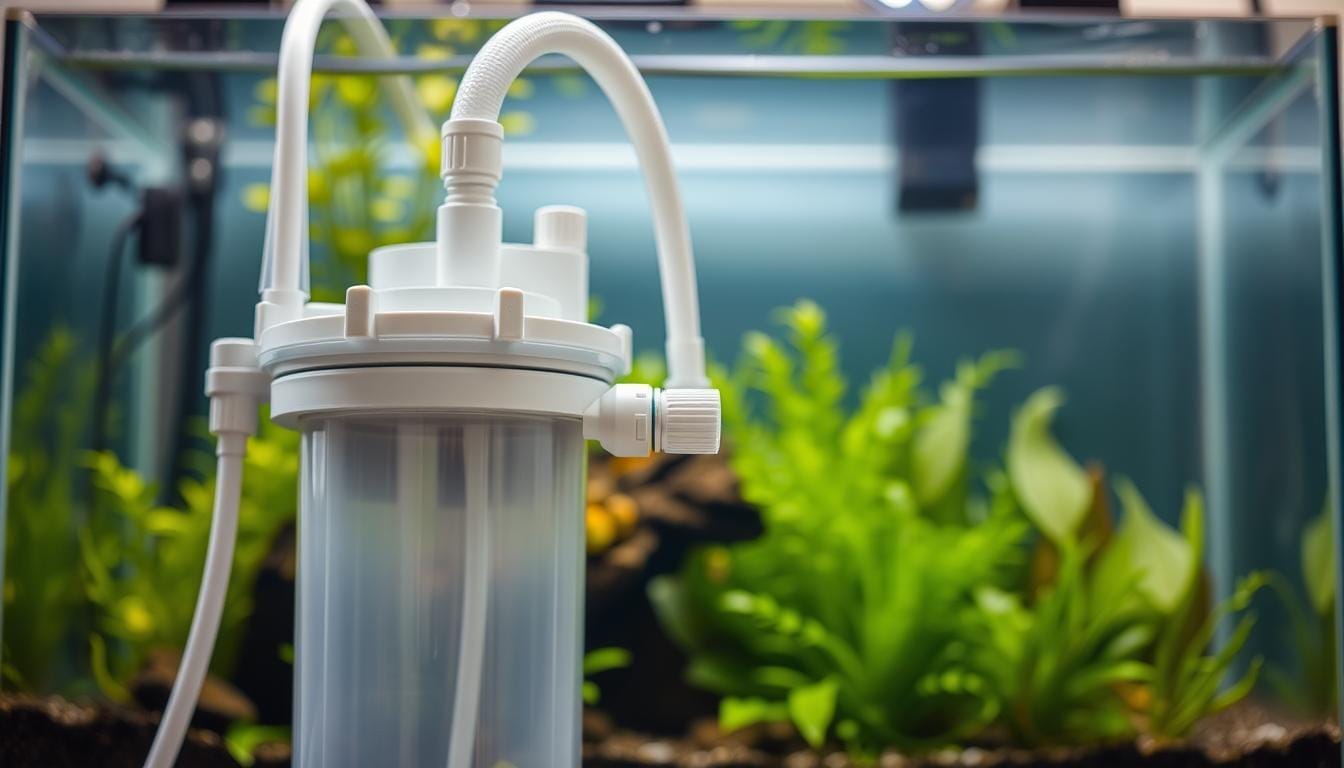
Did you know 60% of aquarium maintenance challenges stem from ineffective water purification systems? This startling fact highlights why proper equipment selection matters for your tank’s health. Today, we’ll explore a solution trusted by hobbyists nationwide that handles three critical cleaning processes simultaneously.
These versatile systems work by drawing liquid through specialized media chambers, tackling visible debris and invisible contaminants. Their pressurized design operates whisper-quietly – a game-changer for living rooms or bedrooms. You’ll appreciate how the flexible tubing lets you hide the main unit out of sight while maintaining peak performance.
We’ll simplify the entire process, from selecting components to achieving crystal-clear results. Whether you’re creating a tropical paradise or a planted ecosystem, understanding aquarium filtration basics ensures success. You’ll discover how biological media supports beneficial bacteria while mechanical stages capture floating particles.
By the end of this guide, you’ll feel confident assembling a system that keeps your aquatic friends thriving. Let’s transform that intimidating box of parts into your tank’s invisible guardian!
Introduction to Canister Filters
What if your aquarium could maintain crystal-clear water with minimal effort? These powerful systems combine versatility with performance, making them a favorite among hobbyists. Their three-tiered approach handles everything from visible debris to microscopic impurities, keeping your aquatic environment healthy and balanced.
Why These Systems Stand Out
You’ll love how these units deliver superior cleaning power without hogging space. Their multi-stage process tackles waste efficiently, while customizable media trays let you adapt to your tank’s specific needs. Quiet operation means you’ll forget it’s running – until you see the sparkling results!
Perfect Homes for Aquatic Life
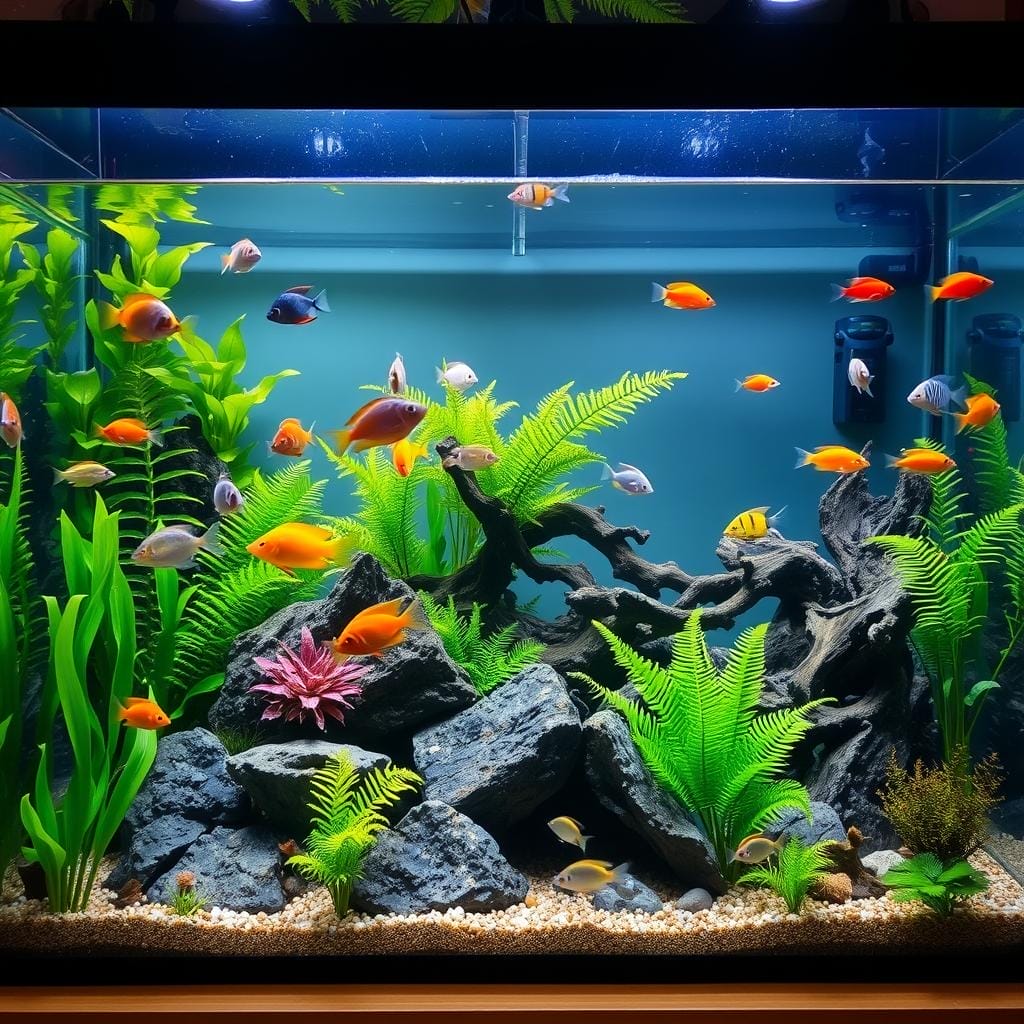
From peaceful community tanks to lively cichlid habitats, these workhorses shine in diverse environments. They’re equally effective in saltwater setups under 50 gallons, making them ideal for nano reefs or fish-only marine displays. The external design keeps equipment out of sight, giving your finned friends more room to explore.
Freshwater enthusiasts particularly benefit from the balanced water flow that supports plant growth and fish health. Marine keepers appreciate how easily they handle protein skimmers or chemical media. No matter your aquatic vision, this solution grows with your skills and tank requirements.
How Canister Filters Work
Ever wonder how your aquarium stays spotless without constant cleaning? These systems act like miniature water treatment plants, combining three purification methods in one sleek package. Let’s break down the magic behind their cleaning power.
Three Layers of Protection
First comes the debris catcher. Water gets pulled through coarse sponges that trap floating gunk – think fish food crumbs or plant bits. This mechanical stage keeps your tank looking polished while protecting the next layers from clogging.
Next up: nature’s cleanup crew. Specially designed ceramic rings or bio-balls house beneficial bacteria. These microscopic helpers transform harmful ammonia into safer compounds, creating a balanced ecosystem for your aquatic pals.
The final touch polishes your water. Activated carbon or specialty resins tackle invisible issues like odors or discoloration. This chemical phase ensures what flows back into your tank looks and smells fresh.
A quiet pump keeps everything moving smoothly. It cycles liquid through each stage continuously, returning purified water through an adjustable spray bar. This smart design handles 100% of your tank’s volume multiple times hourly, making it ideal for sensitive species or heavily stocked setups.
Essential Steps for a Successful canister filter setup
Ready to create a thriving underwater world? Let’s walk through the key phases of preparing your water-cleaning powerhouse. These straightforward steps ensure your aquatic environment stays balanced and beautiful.
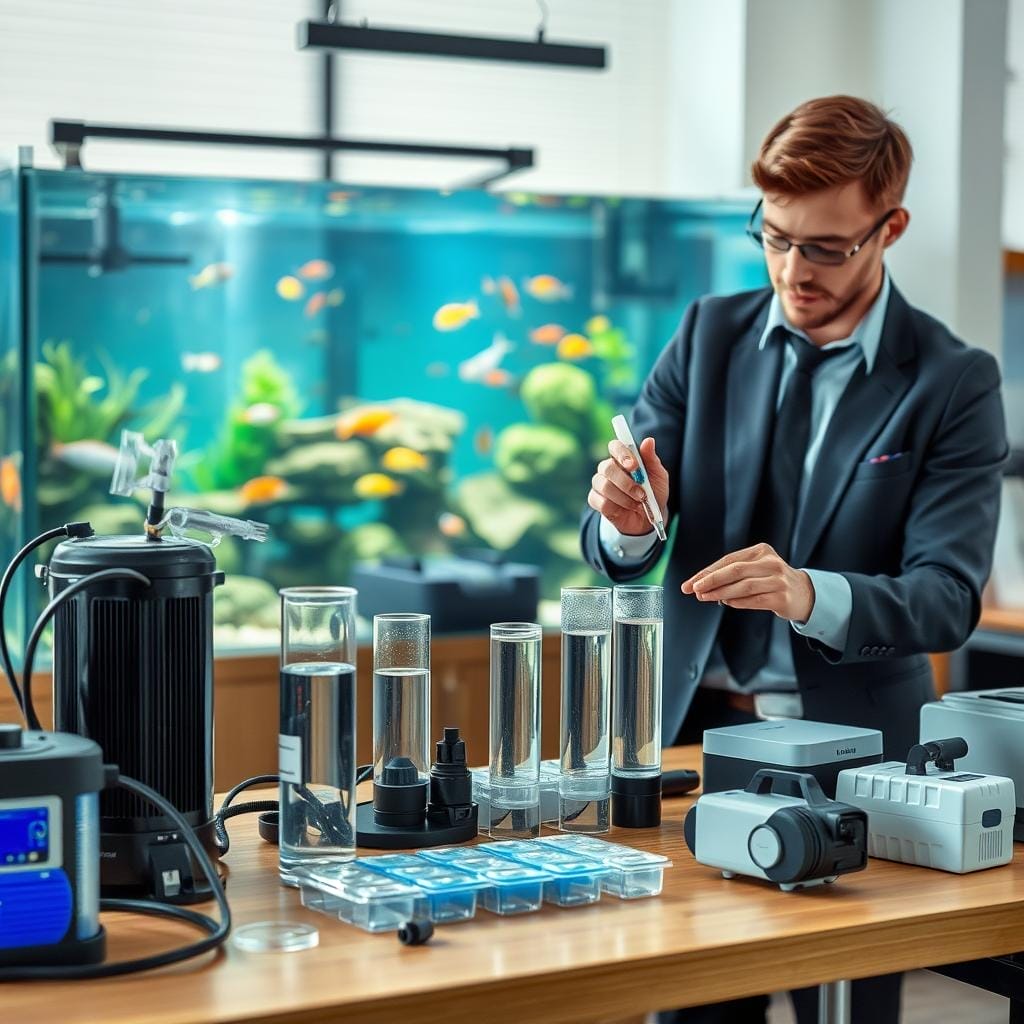
Start by matching your tank’s volume to the system’s capacity. Check the manufacturer’s flow rate recommendations – overcrowded habitats need stronger circulation. Gather all components on a clean surface, arranging hoses and media baskets within easy reach.
Rinse every media type in dechlorinated water before loading trays. Place coarse sponges at the bottom, followed by biological enhancers like ceramic rings. Top baskets hold polishing pads or activated carbon for that final sparkle.
- Position the unit below water level for gravity-assisted flow
- Secure intake/output tubes with suction cups
- Prime the pump using the included plunger
Double-check connections before plugging in. You’ll hear a gentle hum when it’s working properly. Test water parameters daily during the break-in period – beneficial bacteria need 4-6 weeks to establish.
Keep the manual handy and follow the priming sequence exactly. Many models have unique startup routines. Watch for steady flow from the return spray bar, adjusting the valve if current seems too strong for delicate species.
Preparing Your Filter Media and Components
Your aquarium’s hidden heroes need proper care before deployment. Just like prepping vegetables for a recipe, handling your filtration materials correctly ensures they work as intended. Let’s transform those porous rocks and spongy pads into a water-cleaning dream team!
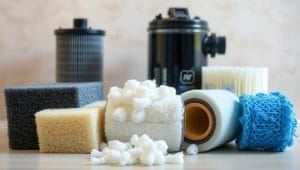
Rinsing and Organizing Filter Media
Always start with a gentle wash. Those ceramic bio rings and foam blocks arrive dusty from packaging. Swish them in a bucket of tank water or dechlorinated tap water – never straight from the faucet. Chlorine kills the good microbes your system needs to thrive.
Follow this winning sequence for tray organization:
- Bottom layer: Coarse foam pads (traps large debris)
- Middle section: Ceramic rings or bio-balls (home for bacteria)
- Top basket: Polishing cloth or activated carbon (final cleanup)
Leave breathing room between pieces. Overstuffing blocks water flow like a clogged drainpipe. Space allows liquid to swirl around each media type, maximizing contact time. Reef rock users – angle pieces diagonally to create natural channels.
Remember: Biological media loves company! Once established, these porous surfaces become cities for waste-processing bacteria. Handle them like delicate coral – no harsh scrubbing. A quick rinse in old tank water during maintenance keeps their micro-populations happy.
Tips for Installing Your Canister Filter
Positioning your equipment correctly makes all the difference for a healthy aquatic environment. Let’s explore how to maximize efficiency while keeping your space clutter-free.
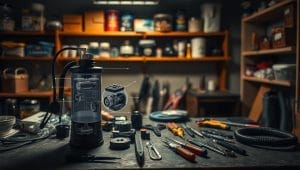
Assembling Components and Connecting Hoses
Start by selecting a unit with 20% more capacity than your tank requires. Media layers reduce flow over time, so this buffer keeps performance steady. Place the main body below water level if possible – gravity helps maintain consistent circulation.
Attach hoses securely using manufacturer-supplied clamps. Glass lily pipes add elegance but require weekly scrubbing. Matte-black alternatives hide algae buildup better between cleanings. Position the intake tube where debris collects naturally, usually opposite your return nozzle.
Keep hose lengths under 6 feet to preserve pressure. Longer connections weaken water movement, especially in larger aquariums. Test all joints by running a dry paper towel around them – damp spots mean leaks need fixing.
Finally, arrange media trays before priming. Adjust the spray bar to create gentle surface agitation. This oxygenates water while preventing strong currents that stress fish. Double-check every connection, then power up your system to enjoy crystal-clear results!
Maintenance and Ongoing Care
Keeping your aquatic ecosystem healthy requires consistent attention to its cleaning system. Regular care prevents clogs and maintains peak performance, ensuring your fish thrive in crystal-clear water. Let’s explore simple routines that protect both your equipment and aquatic life.
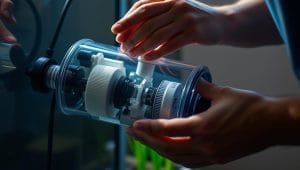
Smart Media Cleaning Strategies
Mechanical pads demand monthly attention. Gently rinse them in old tank water to preserve beneficial bacteria. Replace severely worn foam pieces every 90 days – they lose their debris-trapping ability over time.
Chemical media works hard but doesn’t last forever. Swap activated carbon every 4-6 weeks to keep removing tannins and odors. For biological components, a quick swish in dechlorinated water maintains bacterial colonies while removing gunk.
Tracking System Performance
Watch for these signs your unit needs attention:
- Reduced water flow from return nozzles
- Visible algae growth on spray bars
- Unusual noises during operation
Test ammonia and nitrate levels weekly during the first two months. Stable parameters indicate healthy biological activity. Pair this with visual checks of your fish’s behavior – active swimmers and clear eyes signal good aquarium fish health.
Mark your calendar for deep cleanings every 120 days. Wipe interior surfaces with a soft brush, focusing on corners where debris collects. Always restart the system promptly to maintain oxygen levels for your underwater friends.
Adapting Filter Setups for Different Aquarium Types
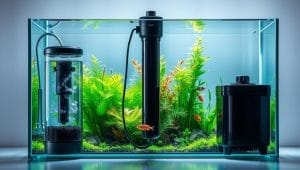
Did you know your aquarium’s inhabitants influence its cleaning needs? Tailoring your approach ensures every fish and coral gets the pristine environment they deserve. Let’s explore how to customize systems for popular aquatic habitats.
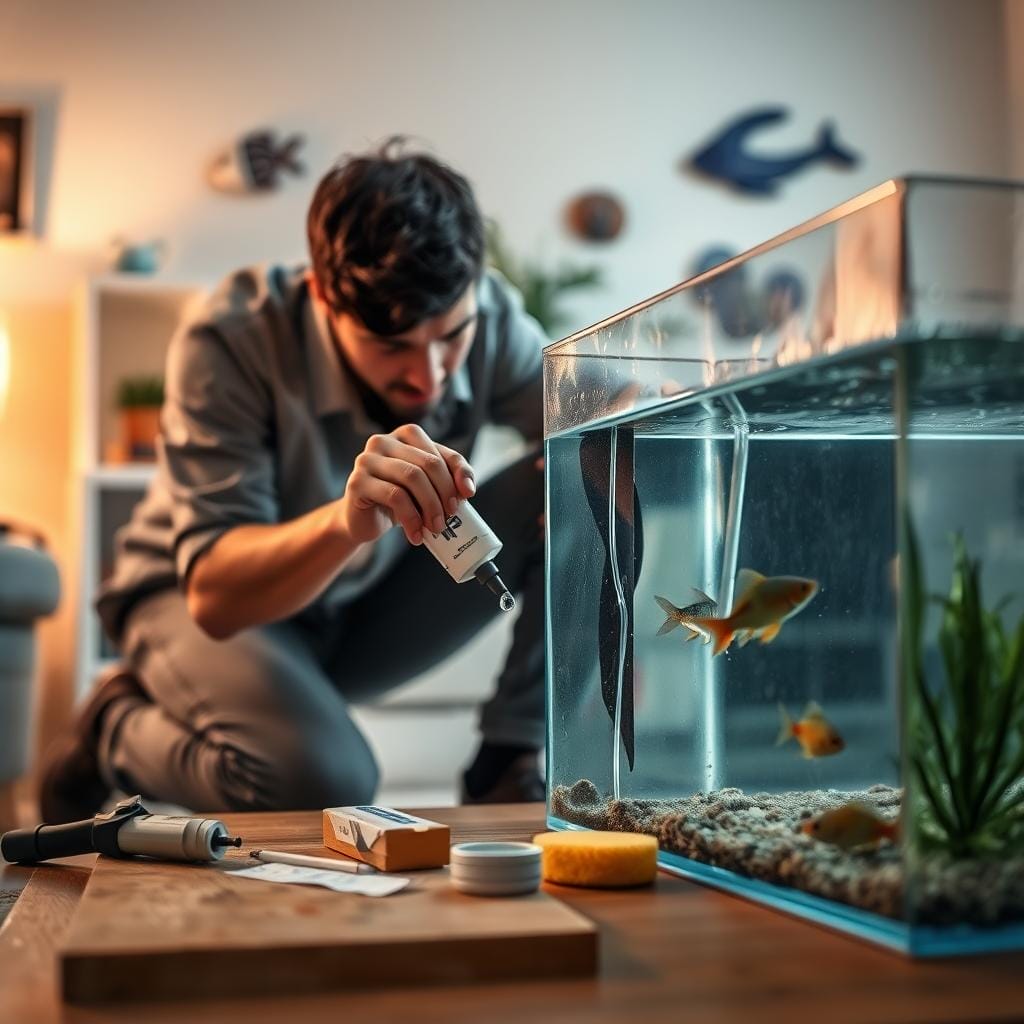
Also Read: Tank Leaks Repair: Simple Steps to Fix Leaks
Freshwater Fish Paradise
You’ll love how these systems handle community tanks bursting with tetras or angelfish. For African cichlids producing heavy waste, pair two units in 75+ gallon setups. Smaller 20-gallon homes thrive with compact models – just adjust flow rates for delicate bettas or shrimp.
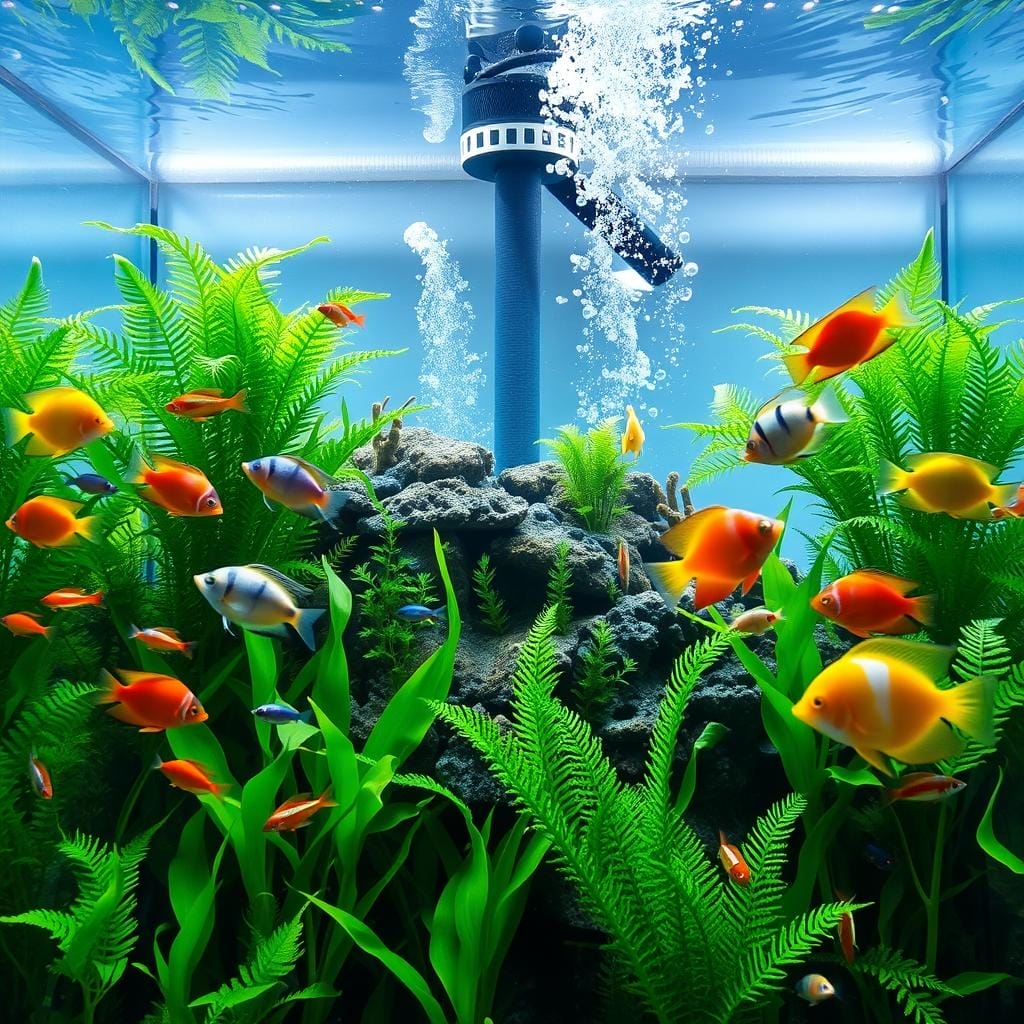
Planted aquariums benefit from gentle circulation that nourishes roots without uprooting stems. Position intake tubes near substrate level to catch decaying leaves. Many enthusiasts use spray bars to mimic natural river currents, keeping oxygen levels ideal for active species.
Saltwater Solutions
Reef enthusiasts face unique challenges. While traditional setups work for fish-only tanks, coral ecosystems demand more. You can pair your system with hang-on protein skimmers in 50-gallon marine displays. Replace standard media with live rock fragments to boost biological filtration.
Successful nano reef owners often use ceramic bio rings alongside wave makers. One hobbyist transformed their 30-gallon reef using this combo, achieving stable parameters for soft corals. Remember: Always test phosphate levels weekly when using chemical media in saltwater environments.
Wrapping Up Your Aquarium Filtration Journey
Imagine achieving a thriving underwater world that practically cares for itself. After 10 months with my reef habitat, the results speak volumes – crystal-clear water with undetectable nitrates and phosphates. In fact, I’ve needed to add nutrients to sustain my vibrant soft corals and active fish community.
This system’s low-maintenance design surprised even seasoned hobbyists. During six months of operation, I only opened the unit once out of curiosity – not necessity. Twenty coral varieties flourish alongside clownfish and shrimp, proving these setups work well for diverse marine life when properly configured.
You’ll appreciate how quality filtration supports your aquatic friends without constant tinkering. The right combination of biological media and flow adjustments creates stable conditions where ecosystems thrive. Whether maintaining a small nano tank or elaborate reef, smart choices at setup stage pay dividends over time.
Your journey to pristine water starts here. With patience and these proven techniques, you’ll create an environment where fish dart through swaying corals and every bubble whispers success. Now go make waves!
FAQ
How often should I clean my canister filter?
Clean mechanical media like sponges every 2–4 weeks to prevent clogs. Biological media (ceramic rings, bio-balls) only needs rinsing in tank water every 3–6 months to preserve beneficial bacteria. Always check flow rate—if it slows, it’s time for maintenance.
Are canister filters suitable for saltwater reef tanks?
Yes! They’re excellent for saltwater setups when paired with protein skimmers and live rock. Use chemical media like activated carbon or phosphate removers to control water quality, and adjust flow settings for coral needs.
What’s the biggest mistake to avoid during setup?
Forgetting to prime the pump before starting. Running the filter dry can damage it. Always fill the canister with aquarium water first, and ensure hoses are securely attached to prevent leaks.
Can I use a canister filter for a planted freshwater tank?
Absolutely. They provide gentle flow for delicate plants and allow customization. Add filter floss for fine debris and adjust the spray bar to avoid uprooting rooted plants. Just avoid carbon if using liquid fertilizers.
How do I arrange the filter media layers correctly?
Start with mechanical filtration (coarse sponges) at the bottom to trap large particles. Layer finer pads above, followed by chemical media (like carbon), and place biological media (ceramic rings) on top for optimal water treatment.
Should I turn off the filter during water changes?
Yes! Unplug it to prevent dry running if the water level drops below the intake. Restart after refilling the tank, and check for air bubbles in the hoses—a quick tilt of the canister usually fixes this.
Aquarium equipmentAquarium maintenanceAquatic pet careCanister filter maintenanceCanister filter setup guideCanister filter troubleshootingDIY aquarium filtersFiltration systemFish tank careWater quality control
Hi, I'm Millie a passionate fish enthusiast and blogger. I loves learning about all kinds of aquatic creatures, from tropical fish to stingrays.