
Discover the Perfect Aquarium Filter: A Guide to Choosing the Right One
 Millie Douglas
Updated on: September 3, 2024 .
19 min read
Millie Douglas
Updated on: September 3, 2024 .
19 min read
Welcome to our comprehensive guide to choosing the perfect aquarium filter for your fish tank. As a responsible fish owner, you know how important it is to maintain a clean and healthy environment for your aquatic pets, and choosing the right filter is a crucial part of that process. In this guide, we will provide you with all the information you need to make an informed decision when selecting an aquarium filter.
We will start by explaining why a good aquarium filter is vital for the health and well-being of your fish, and an overview of the different types of aquarium filters available in the market. Then we will dive into the various factors to consider when selecting an aquarium filter, such as tank size, fish species, filtration capacity, and maintenance requirements.
Next, we will provide a detailed breakdown of the pros and cons of the various types of aquarium filters, including hang-on-back (HOB) filters, canister filters, sponge filters, and internal filters. We will also offer recommendations for specific needs or scenarios, such as filters suitable for freshwater tanks, saltwater tanks, or tanks with a high bio-load.
To help you understand how aquarium filters work, we will explain the different filtration mechanisms used in aquarium filters, including mechanical, biological, and chemical filtration. We will also provide guidance on how to properly maintain and clean your aquarium filter to ensure optimal performance.
Our guide wouldn’t be complete without reviews and comparisons of some of the top-rated aquarium filters available in the market, as well as troubleshooting tips for common aquarium filter issues, additional accessories to enhance filtration, and answers to frequently asked questions.
By the end of this guide, you will be well-equipped to select the perfect aquarium filter for your tank, ensuring a healthy and happy environment for your fish. Let’s get started!
Understanding the Importance of a Good Aquarium Filter
A good aquarium filter is essential for maintaining a clean and healthy environment for your fish. Fish waste, uneaten food, and other debris can accumulate in the tank and produce harmful toxins, leading to poor water quality and sick fish.
There are several types of aquarium filters available in the market, including hang-on-back (HOB) filters, canister filters, sponge filters, and internal filters. Each type offers different benefits and features that cater to a variety of needs and preferences.
Types of Aquarium Filters
Hang-on-back filters are popular among beginners as they are easy to install and maintain. They hang on the back of the tank and draw water through the filter media. Canister filters, on the other hand, offer more advanced filtration and are suitable for larger tanks with a high bio-load. They consist of a canister that is placed below or beside the tank and pump water through various media layers. Sponge filters utilize a sponge to trap debris and provide biological filtration. They are gentle on delicate fish and are commonly used in breeding tanks. Internal filters are ideal for small tanks and low bio-load setups. They are placed inside the tank and require less maintenance than external filters.
Choosing the right aquarium filter depends on several factors, such as tank size, fish species, filtration capacity, and maintenance requirements. In the next section, we will discuss these factors in more detail to help you make an informed decision.
Factors to Consider When Choosing an Aquarium Filter
Choosing the right aquarium filter is crucial for maintaining a clean and healthy environment for your fish. Not all filters are created equal and selecting the wrong one can lead to issues such as poor water quality, algae growth, and even fish illness or death. Here are some factors to consider when choosing an aquarium filter:
| Tank Size | The size of your tank will determine the flow rate required for your filter. A good rule of thumb is to select a filter that can process the entire volume of your tank at least four times per hour. For example, if you have a 20-gallon tank, you’ll need a filter with a flow rate of at least 80 gallons per hour. |
|---|---|
| Fish Species | Different species of fish have different filtration requirements. For example, goldfish produce more waste than tropical fish, so they require a stronger filtration system. Research the specific needs of your fish to ensure you choose a filter that can keep up with their waste output. |
| Filtration Capacity | Filtration capacity refers to the amount of mechanical, biological, and chemical filtration a filter can provide. It’s important to choose a filter that can handle the bio-load of your tank, or the amount of waste produced by your fish. In general, a filter with a higher filtration capacity is better. |
| Maintenance Requirements | All filters require some maintenance to perform optimally. Some filters require more frequent maintenance than others, and some are more complicated to operate. Consider your own level of experience and the amount of time you’re willing to dedicate to routine maintenance when selecting a filter. |
By taking these factors into account, you can select an aquarium filter that will keep your tank clean and healthy for your fish.
Types of Aquarium Filters and Their Pros and Cons
Choosing the right type of aquarium filter largely depends on your tank size, the number and type of fish you have, and your personal preferences. Here, we outline the pros and cons of the most popular aquarium filters to help you make an informed decision.
Hang-On-Back Filters (HOB)
HOB filters are among the most popular and widely used filters in the aquarium hobby. They hang off the back of the tank and siphon water through a filter cartridge, which contains filter media like activated carbon or biological ceramic. They are generally affordable, easy to install and maintain, and can provide good mechanical and chemical filtration. However, they may not be suitable for larger tanks or high-bio load setups, and can be quite noisy.
Canister Filters
Canister filters are a great choice for larger aquariums or those with high bio-loads. They consist of a canister that sits under the aquarium and pumps water through various filter media, such as mechanical sponges, biological ceramic, and chemical cartridges. They offer superior filtration compared to HOB filters and are generally quieter. However, they are more expensive and require more maintenance compared to HOB filters. They may also take up more space and can be challenging to set up for beginners.
Sponge Filters
Sponge filters are simple and inexpensive filters that work well in smaller aquariums and with delicate or fry fish. They consist of a sponge that acts as both the mechanical filter and biological filter, trapping debris and providing a surface for beneficial bacteria to grow. They are easy to set up and maintain, and the sponge can be easily rinsed or replaced. However, they may not be powerful enough for larger aquariums or tanks with high bio-loads.
Internal Filters
Internal filters are fully submerged in the aquarium and provide mechanical and biological filtration. They are easy to install, compact, and can be used in both freshwater and saltwater aquariums. They may also include additional features like air stones or UV sterilizers. However, they may not be as powerful as canister filters for larger aquariums, and can be quite difficult to access and maintain.
Ultimately, the type of aquarium filter you choose will depend on your individual needs and preferences. It’s important to research and consider all the pros and cons before making a decision and investing in a filter system for your tank.
Recommended Aquarium Filters for Different Needs
Choosing the right aquarium filter can be overwhelming, especially with so many options available in the market. To make it easier for you, we’ve compiled a list of recommended aquarium filters for different needs and scenarios. Whether you’re a beginner or an experienced aquarist, there’s a filter that suits your specific requirements. Here are some factors to consider when choosing an aquarium water filtration system: the size of your tank, the type of fish and plants you have, and the amount of maintenance you’re willing to do. Some popular types of aquarium filters include canister filters, hang-on-back filters, and sponge filters. By understanding your specific needs and doing some research, you can find the perfect aquarium water filtration system for your tank.
Best Aquarium Filter for Freshwater Tanks
For freshwater tanks, we recommend the Fluval FX4 Canister Filter. It has a large filtration capacity and is suitable for tanks up to 250 gallons. The filter has a multi-stage filtration system that ensures optimal water quality by removing debris, waste, and toxins. It also has a smart pump technology that monitors the filter’s performance and automatically adjusts the flow rate to maintain a consistent water flow.
Best Aquarium Filter for Saltwater Tanks
The AquaMaxx HOB-1 Hang-On-Back Protein Skimmer is an excellent choice for saltwater tanks. It efficiently removes organic waste, proteins, and other contaminants from the water, which are harmful to marine life. The skimmer has a compact design and can fit in tanks up to 75 gallons. It’s easy to install and maintain, making it an ideal option for beginners.
Best Aquarium Filter for High Bio-Load Tanks
For tanks with high bio-load, we recommend the Eheim Classic Canister Filter. It has a large filtration capacity and can handle tanks up to 92 gallons. The filter has a simple design that allows for easy maintenance and cleaning. It also has a quiet operation and comes with a variety of filter media types to ensure optimal water quality.
Best Aquarium Filter for Beginners
If you’re new to the aquarium hobby, the Penn Plax Cascade Hang-on Aquarium Filter is a great filter for beginners. It has a simple design and is easy to install and maintain. The filter has a multi-stage filtration system that ensures clean and clear water by removing debris and waste. It’s also affordable and suitable for tanks up to 100 gallons.
Best Advanced Filtration System
For advanced aquarists looking for the most efficient filtration system, we recommend the Fluval G6 Advanced Filtration System. It has a high filtration capacity and can handle tanks up to 160 gallons. The filter has a smart technology that monitors and adjusts the water flow, ensuring optimal performance at all times. It also has a multi-stage filtration system that removes debris, waste, and toxins, resulting in crystal clear water.
Remember to choose a filter that’s appropriate for your tank size, fish species, and aquarium needs. A good aquarium filter is essential for maintaining a healthy and clean environment for your fish, so it’s worth investing in a quality product.
Understanding Filtration Mechanisms
When it comes to choosing the right aquarium filter, it is essential to understand the different filtration mechanisms available. These mechanisms are responsible for maintaining the water quality by removing physical, biological, and chemical waste from the tank water.
Physical/Mechanical Filtration
Physical or mechanical filtration involves removing large particles, debris, and uneaten food from the water. It is the first line of defense in aquarium filtration and typically involves using filter media such as sponges, floss, or pads. This type of filtration removes dirt and debris from the water, but it does not address the buildup of harmful chemicals or bacteria.
Biological Filtration
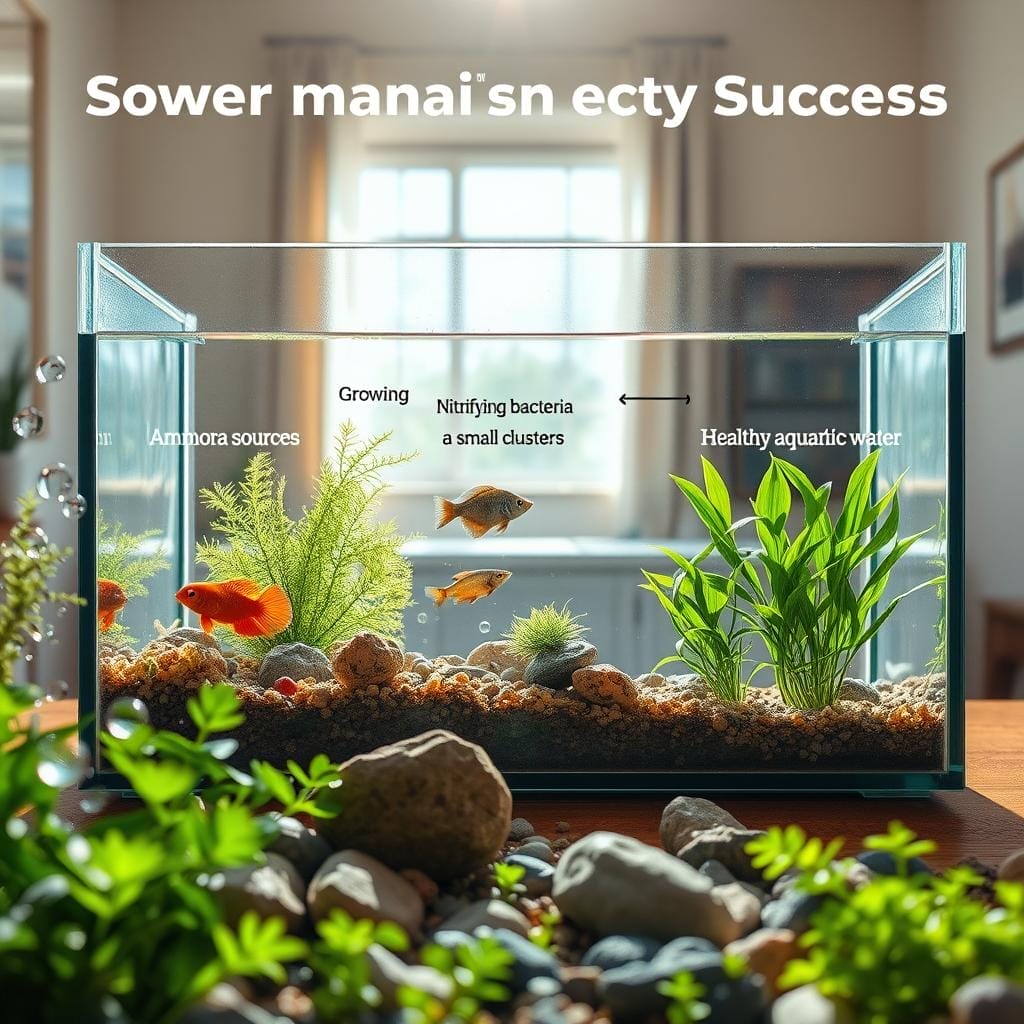
Biological filtration is the process of breaking down toxic waste products into less harmful compounds. This process occurs naturally in the aquarium as bacteria colonize surfaces such as gravel, rocks, and filter media. Biological filtration relies on beneficial bacteria to convert ammonia to nitrite, and nitrite to nitrate. Nitrate is relatively less harmful to fish, but it can still lead to problems if the concentration builds up in the water.
Chemical Filtration
Chemical filtration is the use of special media to remove harmful chemicals from the water. This type of filtration can be useful in removing dissolved waste products, toxins, and heavy metals. Activated carbon is the most common media used for chemical filtration, and it works by adsorbing contaminants onto its surface. It is essential to note that chemical filtration should not be a substitute for regular water changes and maintenance.
Combining Filtration Mechanisms
Most aquarium filters combine two or more of the filtration mechanisms described above. This combination results in more efficient filtration and reduces the likelihood of harmful water conditions. For instance, a typical hang-on-back filter may include mechanical and biological filtration, while a canister filter may include all three mechanisms.
Understanding these filtration mechanisms and how they work can help you make an informed decision when choosing an aquarium filter. It is essential to select a filter that offers the appropriate combination of mechanical, biological, and chemical filtration to meet the specific needs of your aquarium.
Essential Maintenance Tips for Aquarium Filters
Proper maintenance is essential for the effective functioning of an aquarium filter. By regularly cleaning and replacing filter media, impellers, and other components, you can ensure that your filter continues to provide optimal filtration and keeps your fish healthy and happy. Here are some essential maintenance tips:
1. Replace Filter Media Regularly
The filter media in your aquarium filter plays a critical role in maintaining water quality by removing contaminants from the water. Over time, however, the media can become clogged and lose its effectiveness. To ensure optimal performance, it is recommended that you replace filter media every 3-6 months, depending on the type of media and the level of bio-load in your tank.
2. Clean Impellers and Filter Parts
The impeller and other filter components can become coated with debris and algae, affecting their performance. To prevent this, it is recommended that you clean these parts regularly. Use a soft brush or toothbrush to remove debris and buildup from impellers, propellers, and other parts. Be sure to turn off the filter and unplug it before cleaning the parts.
3. Monitor Water Parameters
Regularly testing your tank water can help you detect potential problems early on. Monitor parameters such as pH, ammonia, nitrite, and nitrate levels to ensure that your filtration system is adequately removing these contaminants.
4. Follow Manufacturer’s Instructions
Each aquarium filter has specific maintenance requirements, so it is essential to follow the manufacturer’s instructions for proper maintenance. This may include recommendations for cleaning, replacing parts, and adjusting flow rates.
5. Perform Regular Water Changes
Even with a high-quality aquarium filter, you will still need to perform regular water changes to maintain water quality. Change approximately 10-20% of the tank water weekly, or more frequently if necessary. This will help remove excess nutrients and waste products and keep your fish healthy.
By following these essential maintenance tips, you can ensure that your aquarium filter continues to provide optimal filtration and keep your fish happy and healthy.
The Top Aquarium Filters on the Market: Reviews and Comparison
Choosing the right aquarium filter is crucial for the health and well-being of your fish. With so many options available, it can be challenging to decide which one is the best fit for your tank. To help you make an informed choice, we have reviewed and compared some of the top-rated aquarium filters on the market.
| Filter | Type | Tank Size | Filtration Capacity | Price | Customer Rating |
|---|---|---|---|---|---|
| Fluval 407 | Canister | up to 100 gallons | 383 GPH | $199.99 | 4.8/5 |
| AquaClear 70 | Hang-on-back | up to 70 gallons | 300 GPH | $49.99 | 4.4/5 |
| Marineland Magniflow | Canister | up to 100 gallons | 360 GPH | $149.99 | 4.2/5 |
| Aqueon QuietFlow LED PRO | Internal | up to 100 gallons | 400 GPH | $77.49 | 4.2/5 |
All of the filters listed above have excellent filtration capabilities and are suitable for a range of tank sizes. The Fluval 407, for example, is a high-end canister filter that can handle tanks up to 100 gallons and has a filtration rate of 383 gallons per hour. The AquaClear 70, on the other hand, is a more affordable hang-on-back filter suitable for tanks up to 70 gallons.
When choosing an aquarium filter, it is essential to consider the filtration capacity, maintenance requirements, and cost. The Marineland Magniflow, for instance, is a cost-effective option with a filtration rate of 360 gallons per hour. The Aqueon QuietFlow LED PRO is also a budget-friendly internal filter suitable for tanks up to 100 gallons.
Ultimately, the best aquarium filter for you will depend on your specific needs and the type of fish you have in your tank. We recommend researching and comparing different options before making a final decision.
Tips for Troubleshooting Common Aquarium Filter Issues
While aquarium filters are designed to keep the water clean and healthy for your fish, they may encounter problems from time to time. Here are some common issues that aquarium filter owners may face and tips on how to troubleshoot them:
Leaks
If you notice water leaking from your aquarium filter, the first step is to turn off the filter and unplug it from the electrical outlet. Check the filter seals and gaskets for signs of wear or damage. If they appear damaged, replace them. If the problem persists, check the filter housing for cracks or other damage. If you find any damage, you may need to replace the entire filter.
Noise
Sometimes, aquarium filters may produce noise that can be distracting or annoying. This can be caused by a few different factors, such as an air bubble trapped in the impeller, loose components, or a clogged filter. To resolve these issues, clean the filter and impeller, tighten any loose components, and ensure the filter is properly installed and level.
Poor Filtration
If you notice a decrease in the filter’s performance, it could be due to various factors. Over-crowding your tank, overfeeding your fish, or not replacing filter media often can all contribute. Check the filter media and replace it as necessary. Also, make sure the filter is rated for the size of your tank and the number and types of fish you have.
By following these troubleshooting tips, you can help resolve common aquarium filter issues and keep your fish healthy and happy.
Additional Accessories to Enhance Filtration
While a good aquarium filter is essential for maintaining a healthy aquatic environment, there are additional accessories that can help enhance filtration efficiency. Here are some of the most popular ones:
Pre-filters
These are designed to capture larger debris before it reaches the main filter, reducing the workload and extending the lifespan of the filter media. Most pre-filters are sponge-like in texture and can be easily cleaned or replaced when needed.
UV Sterilizers
These devices use ultraviolet light to kill bacteria, viruses, and other pathogens in the water, helping to prevent diseases and infections in fish. UV sterilizers are particularly useful in saltwater tanks or when dealing with stubborn algae blooms.
Protein Skimmers
Protein skimmers are mainly used in saltwater tanks to remove organic waste and excess protein from the water. They work by creating a foam that attracts these substances, which are then skimmed off and discarded. Protein skimmers can significantly improve water quality and reduce the need for frequent water changes.
Water Conditioners
These products are added to the water to neutralize harmful chemicals like chlorine and chloramine, making it safe for the fish. Some water conditioners also contain beneficial bacteria that help break down waste and establish a healthy biological filter.
Air Pumps and Air Stones
These accessories are not directly related to filtration, but they can help improve water circulation and oxygenation, which is essential for the well-being of fish and other aquatic organisms. Air pumps and air stones are easy to install and can be used in conjunction with almost any type of aquarium filter.
Frequently Asked Questions about Aquarium Filters
As a new aquarium owner, you may have some questions about aquarium filters. Here are some of the most frequently asked questions about aquarium filters:
Q. How often should I clean my aquarium filter?
It depends on the type of filter and the size of your tank. As a general rule, you should clean your filter every two to four weeks. However, if you notice a decrease in water flow or your water quality starts to deteriorate, you may need to clean your filter more frequently. It’s important to follow the manufacturer’s instructions for your specific filter.
Q. Why is my aquarium filter making noise?
There may be several reasons why your filter is making noise. It could be due to an air bubble in the impeller, a clogged filter, or a loose component. Try cleaning your filter and ensuring all parts are securely in place. If the problem persists, you may need to replace the impeller or other components.
Q. Can I use a canister filter for a small aquarium?
Yes, you can use a canister filter for a small aquarium. However, you should ensure that the filter is designed for the size of your tank and that the flow rate is appropriate. A filter with a high flow rate can cause too much water movement and stress on your fish.
Q. Can I use tap water to clean my filter media?
No, you should not use tap water to clean your filter media. Tap water contains chlorine and other chemicals that can harm beneficial bacteria in your filter. Instead, use aquarium water or dechlorinated water to clean your filter media.
Q. How long does a filter media last?
It depends on the type of media and how much you use. Some media, like sponge filters or bio-balls, can last for years if properly maintained. Other media, like activated carbon, may need to be replaced every month or so. It’s important to monitor your water quality and replace your media as needed.
Q. Do I need a separate filter for my aquarium heater?
No, you do not need a separate filter for your aquarium heater. Many aquarium heaters have a built-in filter that helps circulate water and maintain even temperatures throughout the tank.
Q. Can I run my aquarium filter 24/7?
Yes, your aquarium filter should run 24/7 to maintain a healthy and clean environment for your fish. You can use a timer to control the flow rate or reduce noise levels during the night.
Also Read: Common Aquarium Problems and How to Fix Them
These are just a few of the many questions that aquarium owners often have about filters. If you have any other questions or concerns, consult with an expert or your local pet store for advice.
Hi, I'm Millie a passionate fish enthusiast and blogger. I loves learning about all kinds of aquatic creatures, from tropical fish to stingrays.