
Discover the Right Driftwood for Aquarium Decor and Health
 Millie Douglas
Updated on: July 16, 2025 .
9 min read
Millie Douglas
Updated on: July 16, 2025 .
9 min read
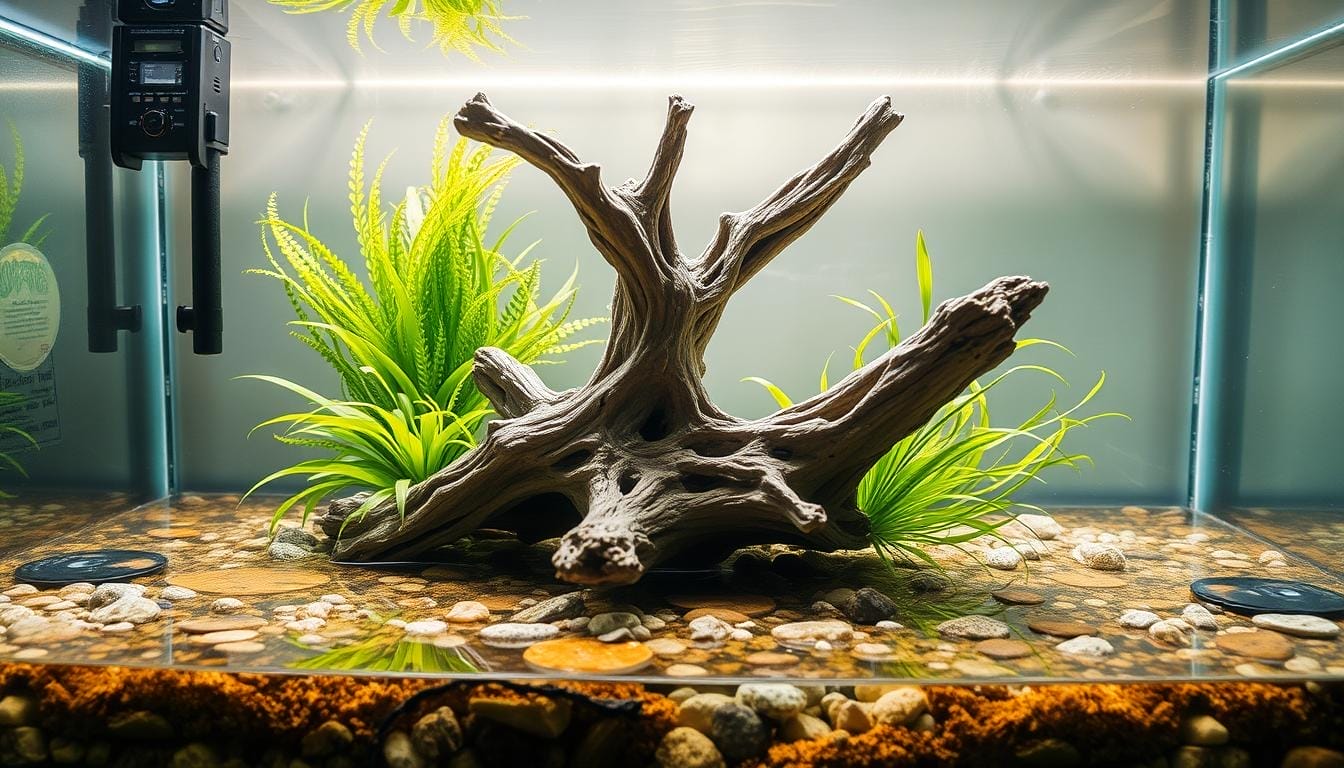
Did you know 73% of award-winning freshwater aquascapes feature natural wood elements? This surprising fact highlights how these organic materials shape stunning underwater worlds. From nano setups to sprawling community tanks, carefully chosen branches create habitats where fish thrive and plants flourish.
Every piece of wood brings a one-of-a-kind shape and texture to your tank. Unlike artificial decorations, natural elements develop unique patinas over time. They become living parts of your aquatic ecosystem, offering hiding spots for shy creatures and surfaces for beneficial bacteria.
Choosing the right type matters for both beauty and function. Some varieties gently release tannins that mimic tropical waterways, while others provide ideal anchors for mosses and ferns. You’ll learn how to balance aesthetics with practical benefits, ensuring your selection enhances water quality and fish behavior.
Whether you’re designing a minimalist Betta home or a densely planted biotope, wood serves as nature’s ultimate multitool. It transforms plain glass boxes into dynamic landscapes while supporting healthier, more active aquatic life. Let’s explore how to harness its full potential in your underwater masterpiece.
Understanding the Role of Driftwood in Aquascaping
Natural wood transforms glass boxes into thriving ecosystems. Its twisted branches and weathered surfaces mimic habitats where aquatic life evolved. When chosen thoughtfully, these pieces become functional art that supports both beauty and biology in your setup.
Designing Nature’s Masterpiece
Wild rivers show how submerged timber creates visual drama. Recreate this effect by pairing gnarled branches with smooth sand. The contrast highlights textures while providing surfaces for algae-grazing fish. South American catfish, with their bark-like patterns, become living extensions of this decor.
Building Safe Spaces for Aquatic Life
Shy species need sheltered areas to reduce stress. Multiple wood structures let territorial fish claim zones without conflict. Open swim areas balance hiding spots, encouraging natural hunting behaviors. This setup lets predators stalk prey while giving smaller creatures escape routes.
Wood’s porous surface hosts beneficial bacteria that improve water quality. Over time, it develops a patina that enhances authenticity. Your tank becomes a dynamic environment where life interacts with every curve and crevice.
Expert Tips on Driftwood for Aquarium Use
Selecting the right wood for your tank requires more than just an eye for design—it demands a safety-first approach. Natural materials can transform your aquatic environment, but only when chosen with care. Let’s walk through the essential checks that protect your underwater friends while creating stunning visuals.
Key Considerations Before Purchase
Always inspect pieces in person when possible. Look for cracks or unusual textures that might indicate artificial treatments. Give every candidate a sniff test—if it smells like chemicals or varnish, leave it on the shelf.
Trustworthy stores often label their wood as “aquarium-safe,” but don’t skip your own checks. Ask sellers about the material’s origin and preparation methods. Online purchases work too, but prioritize vendors with detailed product descriptions and verified buyer reviews.
Recognizing Safe versus Problematic Wood
Naturally weathered pieces feel rough but not oily. Avoid anything with a glossy surface, which could signal harmful coatings. Some suppliers apply oils to enhance appearance, creating toxic residues that endanger aquatic life.
Test new wood separately before adding it to your main setup. Soak it for 48 hours while monitoring water clarity and oxygen levels. This simple step prevents sudden chemical changes that could stress your tank’s inhabitants.
Remember: quality materials blend beauty with biological benefits. By choosing wisely, you create a habitat that’s both stunning and secure for every swimmer.
Navigating Tannins and Water Chemistry Changes
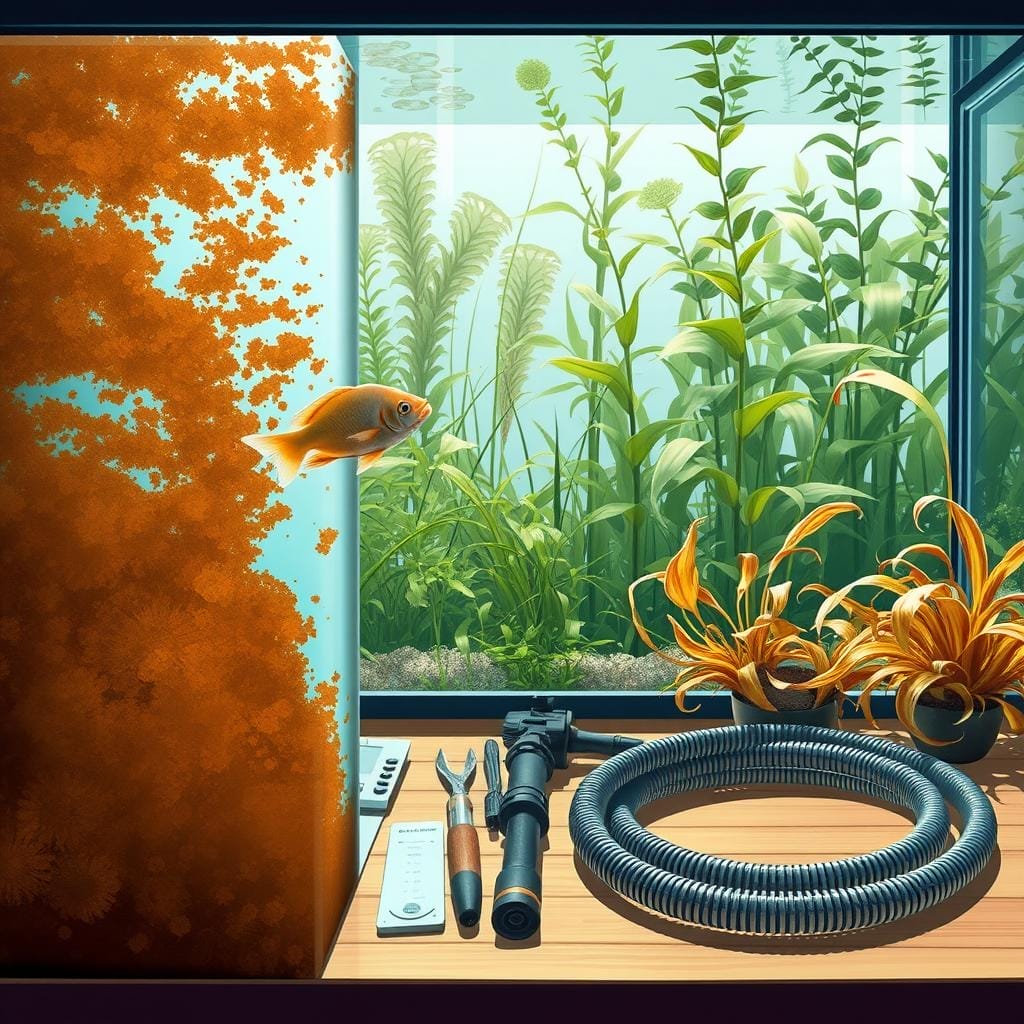
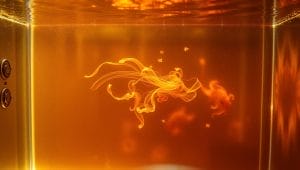
That amber tint in your tank isn’t a problem—it’s nature’s touch. When wood settles into water, it releases organic compounds called tannins. These create the tea-like hue many aquarists first notice, ranging from pale yellow to rich dark brown. While startling at first, this transformation mirrors the habitats of species like tetras and angelfish, which thrive in tinted environments.
Managing Brown Water and pH Levels
Tannins gently lower pH levels, mimicking soft acidic waters found in rainforest streams. Test your water weekly to track changes—most fish adapt well if shifts happen gradually. For crystal-clear setups, soak wood in a bucket for 3-6 weeks, changing the water daily. This pre-treatment removes excess compounds before introducing the piece to your tank.
Using Activated Carbon and Other Remedies
Activated carbon acts like a sponge in your filter, trapping tannins without harming beneficial bacteria. Replace it monthly for consistent results—a ½ cup per 20 gallons works for most setups. Pair it with chemical filtration media like Purigen for stubborn discoloration. Remember: boiling only tackles surface-level compounds. The wood’s core will keep releasing tannins, creating ever-changing water tones that many hobbyists adore.
Embrace this natural process by designing blackwater biotopes. Floating leaves and dim lighting enhance the dark brown aesthetic while reducing stress for shy species. Your fish’s vibrant colors often pop against these earthy backdrops, turning “problems” into purposeful design.
Techniques for Preparing Driftwood for Optimal Use
Preparing natural wood for your tank is like seasoning a cast-iron skillet—it takes patience but pays off. Proper treatment ensures your décor stays beautiful while keeping water conditions stable. Let’s explore methods to balance efficiency with long-term results.
Soaking to Reduce Tannins and Increase Weight
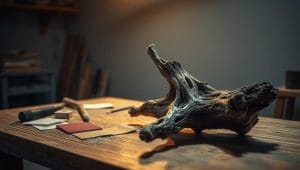
Submerge your piece in a bucket or large container for 3-6 weeks. Use bricks or stones to weigh it down if needed. Change the water daily—this gradually pulls out tannins while helping the wood absorb moisture.
Patience matters here. Rushing this step could mean months of murky water later. You’ll know it’s ready when the piece stays submerged without weights and stops releasing strong discoloration.
Boiling and Alternative Pre-treatment Methods
Boiling wood speeds up the process dramatically. A 2-hour simmer kills microbes and releases tannins faster. However, this method softens the material, which might shorten its lifespan in your setup.
For gentler treatment, try sunlight exposure. Place soaked wood outdoors for 1-2 weeks. The heat accelerates waterlogging without structural damage. Rotate the piece daily for even drying.
Remember: every preparation way affects how your wood interacts with the environment. Choose methods that align with your timeline and desired aesthetic results.
Differentiating Driftwood Species for Aquarium Aesthetics
Your tank’s personality shines through its natural elements. Just like fish species, wood varieties bring distinct textures and functions to your setup. Let’s decode popular choices that transform water-filled glass into living art.
Malaysian Driftwood: The Timeless Classic
This dense, dark-brown wood sinks effortlessly. Its twisted roots create dramatic arches perfect for South American cichlids and bottom-dwellers. Unlike lighter types, it releases tannins slowly—ideal for gradual water chemistry shifts.
Cholla Wood: Nature’s Porous Wonder
Hollow tubes of cholla become instant shrimp hotels. Soft enough for algae growth yet sturdy, these pieces waterlog within days. Their honeycomb texture traps debris, feeding microorganisms that keep tanks balanced.
Spiderwood: The Branching Artist
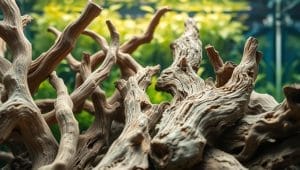
Delicate limbs spread like coral, offering perches for betta fish and nano species. Unlike smoother woods, its pale color contrasts brilliantly against dark substrates. Pre-soaking prevents floating—patience rewards you with gravity-defying shapes.
Looking for more options? Explore our guide to types of wood that suit specific tank sizes and fish behaviors. Desert-sourced manzanita lasts years underwater, while mopani’s two-tone bark adds earthy contrast. Match your selection to both style needs and your crew’s hiding preferences.
Attaching Aquarium Plants to Driftwood
Transforming wood into living art starts with choosing greenery that thrives on surfaces. Many species naturally cling to submerged branches in the wild, creating lush underwater forests. By matching plants to your decor’s texture and flow, you’ll build a habitat where beauty meets function.
Surface-Loving Species
Rhizome plants like Anubias and Java Ferns excel when secured above substrate. Their thick roots absorb nutrients from water, making them perfect for attaching to wood. Delicate moss varieties add velvety texture—try anchoring Christmas or Flame Moss in shaded crevices using cotton thread.
Creative Attachment Methods
Cyanoacrylate glue bonds plants instantly without harming tank life. For temporary holds, wedge smaller specimens into bark grooves with pebbles. Explore our curated list of ideal species for wood attachment, featuring Bolbitis ferns and other low-light champions.
Position greenery where light reaches their leaves but doesn’t overwhelm. Within weeks, new roots will grip the surface naturally. This approach creates dynamic growth patterns that evolve with your aquascape, blending artistry with ecosystem support.
FAQ
How do I select wood that’s safe for my tank?
Look for pieces labeled as aquarium-safe, like Malaysian Driftwood or Spiderwood. Avoid softwoods or those with sharp edges. Boiling helps remove contaminants and ensures it won’t harm your aquatic life.
Can wood from my local river harm my fish?
Wild-collected wood may carry parasites or toxins. Always sterilize by boiling or baking, and test for buoyancy and tannin release first. Store-bought options like Cholla Wood are safer and pre-treated.
Will adding wood turn my tank water brown?
Some types release tannins, which tint water tea-colored. Soak the piece for 1–2 weeks or use activated carbon to clear it faster. This natural process won’t hurt fish—many species thrive in tannin-rich environments!
How long does it take for wood to sink?
Dense varieties like Manzanita sink quickly, while lighter woods may need weeks of soaking. Weighing them down with rocks or using suction cups speeds up the process without damaging your setup.
What’s the best way to attach plants like Java Fern?
Use cyanoacrylate glue (like Seachem Flourish Glue) or cotton thread. Mosses and Anubias thrive when tied gently to textured surfaces. Avoid burying plant roots—they absorb nutrients directly from the water.
Does wood lower pH in freshwater tanks?
Yes, tannins can soften water and slightly reduce pH. Monitor levels with a test kit, especially in setups with sensitive species. Partial water changes or adding crushed coral help stabilize conditions.
Are there woods to avoid completely?
Stay away from pine, cedar, or chemically treated pieces. These can leach resins or harmful substances even after preparation. Stick to trusted brands like Zoo Med or CaribSea for guaranteed safety.
Aquarium driftwood care tipsAquarium driftwood selectionAquascape driftwood ideasChoosing driftwood for fish tanksDriftwood benefits in fish tanksDriftwood for aquatic plant growthHealthy driftwood for fish tanksNatural driftwood for aquariumsTypes of driftwood for aquariums
Hi, I'm Millie a passionate fish enthusiast and blogger. I loves learning about all kinds of aquatic creatures, from tropical fish to stingrays.