
Essential Brotia Pagodula Snail Care Tips
 Millie Douglas
Updated on: July 16, 2025 .
11 min read
Millie Douglas
Updated on: July 16, 2025 .
11 min read
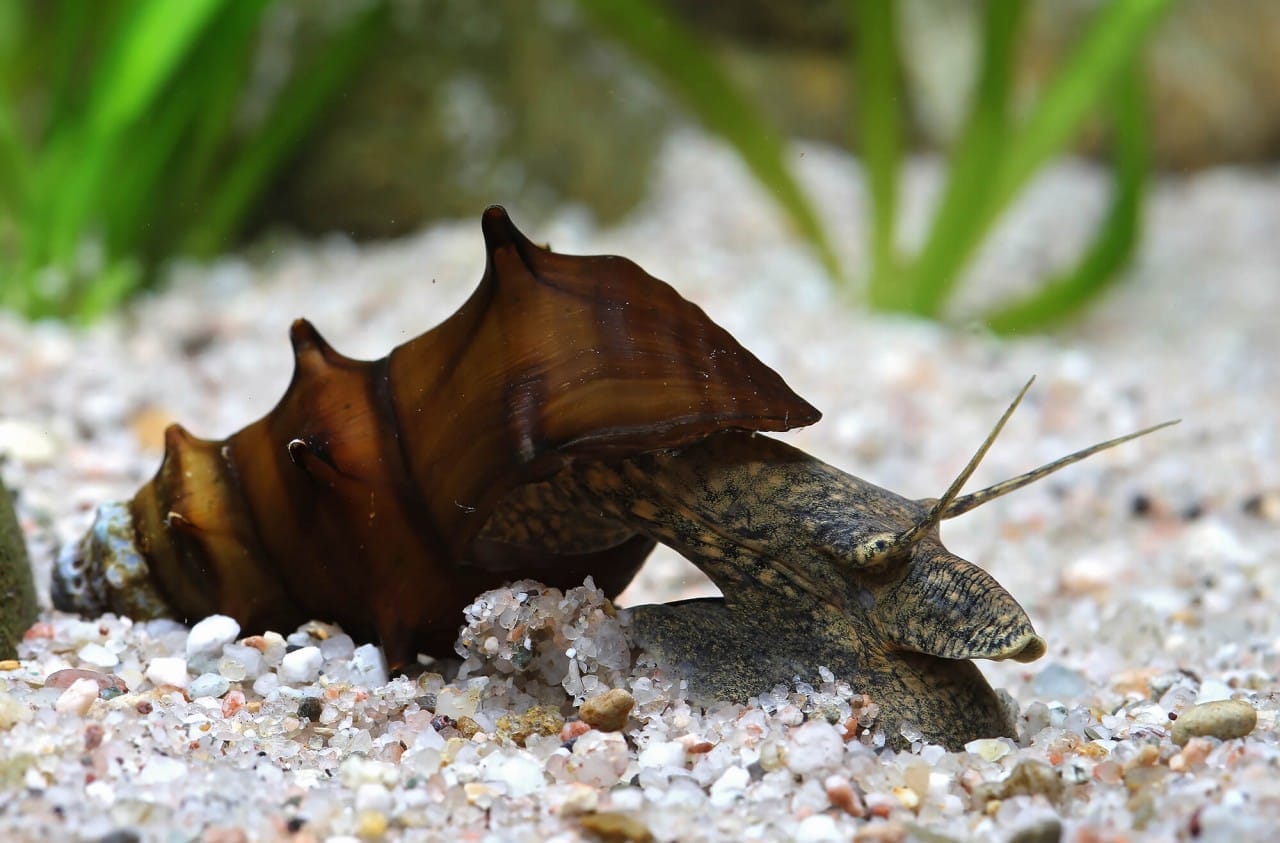
Brotia Pagodula, or the Pagoda snail, is a fascinating choice for your home aquarium. These freshwater snails are not as common as some other types, but they stand out because of their unique look and calm behavior.
They come from Southeast Asia and need special care to do well in your aquarium. This guide will explain all you need to know to take care of these interesting snails.
Read More : 18 Types of Freshwater Aquarium Snails You Should Have
Understanding Brotia Pagodula Snails
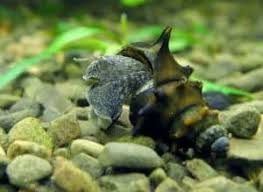
Brotia pagodula snails, commonly known as Pagoda snails, Horned Armour Snails, or Porcupine Snails, have interesting, spiky shells. They are a great choice for home aquariums because of their unique look, calm nature, and their ability to eat algae.
These snails are found in rivers and streams in Southeast Asia. They thrive in fast-flowing, well-oxygenated water. To keep them happy and healthy, it is important to create similar conditions in your home aquarium.
Origins and Natural Habitat
The Brotia Pagodula snail is a main species in the Brotia group. This group is made up of freshwater snails and is in the Pachychilidae family. These snails are mostly found in Southeast Asia.
They live in the Thoungyin River in Thailand. This river is a part of the Salween River and is on the border with Myanmar, which used to be known as Burma.
Brotia Pagodula snails like to live in waters that flow quickly and have a lot of oxygen. They often sit on rocks or move around in sandy areas to find their food. This need for certain water conditions is important for people who keep fish. If you have a home aquarium, it’s essential to create a space that mirrors their natural environment.
By learning about where these snails come from and where they live, owners can better understand how to care for them. This knowledge helps to set up an aquarium that keeps these snails healthy and happy.
Physical Characteristics and Behavior
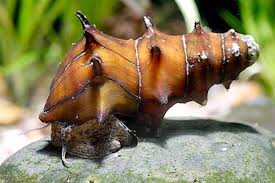
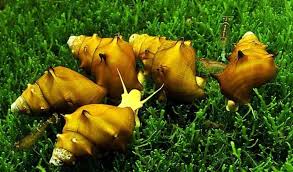
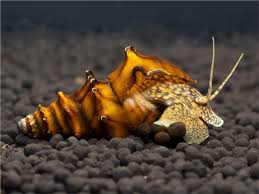
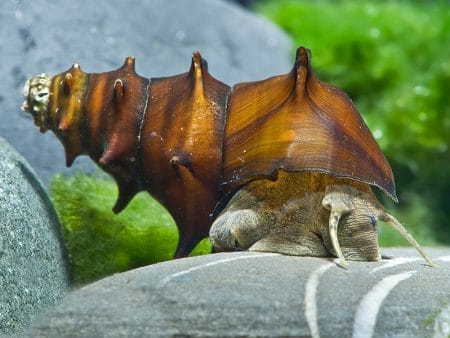
One of the most noticeable features of the Brotia Pagodula snail is its shell. The shell is light brown to grey with some hints of amber and mahogany. It has many small, visible spikes that stick out in a spiral shape. These spikes and the shell’s overall shape make it look like a pagoda. That’s why it gets the common name.
The snail’s body, or “foot,” is a fleshy grey to light yellow. It has a broad snout and tentacles that are moderately long. Like other snails, it has an operculum. This hard structure acts like a door, sealing the shell opening to provide protection.
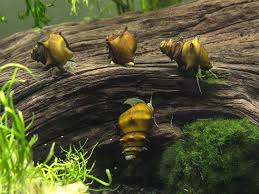
In terms of behavior, Pagoda snails are calm and like to be alone. They mainly come out at night. During the day, they hide among rocks or bury themselves in the substrate. At night, they feed on algae and biofilm.
Breeding pagoda snails
Breeding Pagoda snails at home can be both fun and tough. Unlike most snails that lay eggs, Pagoda snails give birth to live young. The female has a special brood pouch where she keeps the fertilized eggs.
After a short mating dance, the male Pagoda snail climbs on the female’s shell to transfer sperm. The female then carries one to three baby snails in her brood pouch.
Taking care of these young snails needs special focus on water quality and food. It’s important to have a good aquarium with the right conditions. You also need to provide a diet full of algae and other nutrients to help them survive and grow.
Essential Equipment for Brotia Pagodula Care
To create a good home for Brotia Pagodula, you should try to match their natural environment. First, you need the right setup. This includes a tank that is the right size, a strong filter, and a heater to keep the water warm.
You will also need a water testing kit. This kit helps you check important water details like pH, hardness, and nitrate levels. It’s important to have a substrate that lets them burrow and search for food. Sand works very well for this.
Choosing the Right Tank Size
Choosing the right tank size is very important for your Brotia Pagodula snails. A good rule is to have a tank that is at least 10 gallons for one snail. If you have more snails, add 5 gallons for each extra one.
For the tank’s size, it’s best to have a length of 60 to 80 cm, which is about 20 to 30 inches. This size gives snails enough room to move and explore. They like having space that is similar to where they naturally live in flowing rivers and streams.
Giving them enough space is key for their health. It helps lessen stress and keeps them happy.
Filtration and Water Conditioning Needs
Maintaining clean water is very important for the health of Brotia Pagodula snails. These snails are sensitive to changes in their water. To keep them happy, you need a good filtration system and should change the water regularly. A filter with strong flow is key because it mimics their natural, well-oxygenated home.
Also Read: Chaneled Apple Snail Care Tips for Beginners
Try to change about 25% of the water every week. This will help lower harmful nitrates and keep the water in good shape. It’s also important to use a water conditioner to get rid of chlorine, chloramine, and heavy metals for safer water.
You should check the water quality often with a test kit. This way, you can spot any problems quickly. Keeping the water steady is vital for their health and helps avoid stress.
Setting Up Your Aquarium for Brotia Pagodula
To set up a healthy aquarium for your Brotia Pagodula, create an environment that looks like their natural home. Start by choosing a proper tank size. Then, add a layer of fine sand substrate. This sand helps satisfy their need to burrow and encourages them to search for food.
Next, add rocks, driftwood, and sturdy plants. These not only make the tank look nice, but they also give your snails places to hide and eat. Make sure that all the decorations are safe for invertebrates. They should not release harmful chemicals into the water.
Step 1: Substrate and Decorations
The right substrate and decorations can greatly improve the health of your Brotia Pagodula snails. Choose a fine-grained sand that lets them burrow and move easily. Avoid sharp gravel or rough surfaces, as they can hurt their soft bodies.
Add natural items like driftwood and smooth rocks. These not only give your snails hiding spots but also help make the tank look more natural. They also help create surfaces for algae and biofilm to grow, which can be extra food for your snails.
When picking plants for your aquarium, choose strong ones that can handle the snails eating them. Some good choices are:
- Java Fern
- Anubias
- Java Moss
These plants help put oxygen in the water and make your aquarium look nice.
Step 2: Water Parameters and Temperature
Maintaining stable water conditions is very important for the health of Brotia Pagodula snails. They like the pH between 7.0 and 8.0. The general hardness (GH) should be between 6 and 20. The carbonate hardness (KH) needs to be between 5 and 15. You should check these levels regularly to keep a healthy environment.
Temperature control is also a key factor. Keep the water temperature between 71°F and 82°F (22°C to 28°C). Sudden changes in temperature can stress the snails. This can make them more likely to get sick.
Also Read: Exploring the World of Pond Snails
Lastly, make sure there is enough light for plants to grow. Healthy plants help control algae levels and give the snails some extra food. Avoid too much light, as it can cause unwanted algae to grow and upset the balance of the tank.
Water parameters
Maintaining good water levels is very important for your Brotia Pagodula snails. They do best in water that is slightly alkaline, with a pH between 7.0 and 8.0. If the pH goes outside of this range, the snails can get stressed, which may harm their shells over time.
It’s also important to watch the water hardness, measured by GH and KH. A GH between 6-20 dGH helps with shell growth and keeps your snails healthy. KH shows carbonate hardness and helps prevent sudden changes in pH, which can hurt the snails. Try to keep KH between 5-15 dKH for the best results.
Along with these levels, having a steady food source, like biofilm, is key. Biofilm is a thin layer of bacteria and organic matter that grows on surfaces in your aquarium. It offers a continuous source of food for your snails to graze on.
Tankmates
Choosing suitable tankmates for your Brotia Pagodula snails is key to a harmonious aquarium environment. Their peaceful and non-aggressive nature makes them compatible with a variety of small, non-predatory species.
Dwarf shrimp species like Blue Velvet Shrimp, Blue Tiger Shrimp, and Cherry Shrimp are excellent companions, sharing similar water parameter requirements and adding vibrant colors to the tank.
Avoid large or aggressive fish that may see the snails as a food source. Also, steer clear of species known to be fin nippers or those that might disrupt the snails’ peaceful grazing.
| Suitable Tankmates | Unsuitable Tankmates |
| Blue Velvet Shrimp | Large Cichlids |
| Blue Tiger Shrimp | Crayfish |
| Cherry Shrimp | Aggressive Loaches |
| Small Rasboras | Large Barbs |
| Otocinclus Catfish |
Daily Care and Maintenance
Maintaining a healthy environment for your Brotia Pagodula snails takes daily care and attention. You need to check the water quality often. Make sure the filtration is working well and that the snails have a good diet. Regularly changing the water is very important. This helps get rid of waste and keeps the water quality at its best.
You should also watch your snails closely. Look for any strange behavior or changes in their bodies. Finding health issues early helps you fix problems quickly. This can keep your Brotia Pagodula snails healthy and happy.
Feeding: Diet and Nutrition
Brotia Pagodula snails are known for eating algae and biofilm. However, they need more than just these foods to stay healthy. It’s good to give them sinking algae wafers, cooked vegetables like zucchini and spinach, and sometimes protein-rich foods like shrimp pellets.
A varied diet helps them get the vitamins and minerals they need for growth and shell development. Watch them during feeding time to make sure each snail is getting enough food.
Be careful not to overfeed, as it can cause extra waste. This waste can hurt water quality. Remove any leftover food quickly to stop the buildup of ammonia and nitrites, which can be bad for aquatic life.
Cleaning and Health Monitoring
Regular cleaning and health checks are very important for Brotia Pagodula care. Change around 25% of the water in the tank each week. This helps to remove waste and keep the water quality good.
Watch your snails closely. Look for any signs of illness or stress in their behavior and appearance. Check for damaged shells, if they seem tired, are not eating, or if there are any strange secretions. If you notice any of these signs, talk to a vet who knows about aquatic animals.
Also, think about adding a calcium source to their diet. You can use crushed coral or cuttlebone. Calcium helps strong shell growth and stops shell damage, which is a common issue for snails kept in tanks.
Conclusion
Proper care for Brotia Pagodula snails is important to keep them healthy and live long in your aquarium. You need to know where they come from, how they behave, and what kind of home they need.
By choosing the right tank size, good filtration, and the best water conditions, you can create a great space for your snails to thrive. Regular care is needed, like watching their health, giving them the right food, and keeping their home clean. With the right setup and care, you can enjoy the special traits of Brotia Pagodula snails in your freshwater tank.
Frequently Asked Questions
What makes Brotia Pagodula snails unique among freshwater snails?
Brotia Pagodula, also called the Horned Armour Snail or Pagoda Snail, is easy to recognize. It has a special spiked shell that makes it different from other freshwater snails. This unique shell, along with their way of giving birth to live young, makes them popular in the aquarium hobby.
Hi, I'm Millie a passionate fish enthusiast and blogger. I loves learning about all kinds of aquatic creatures, from tropical fish to stingrays.