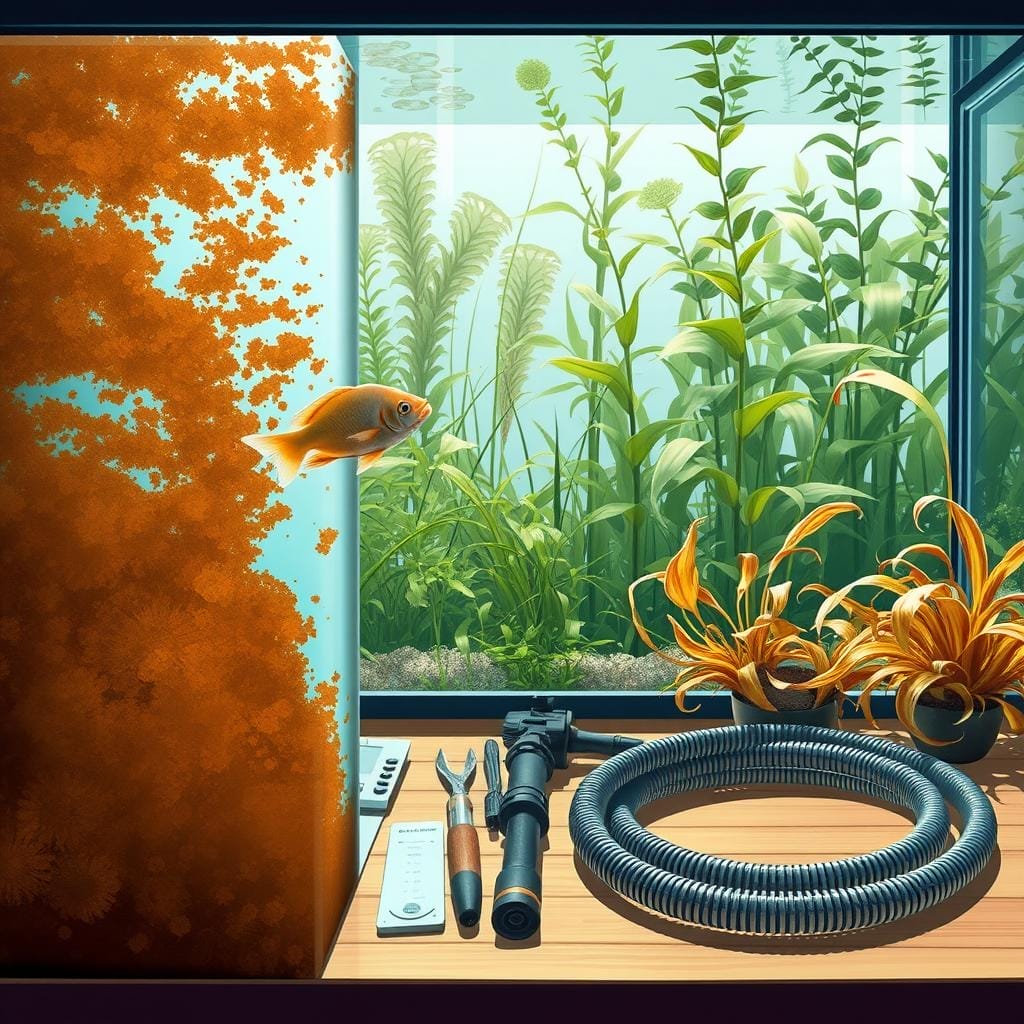

Mastering Filter Maintenance for Your Aquarium’s Success
 Millie Douglas
Updated on: December 1, 2025 .
9 min read
Millie Douglas
Updated on: December 1, 2025 .
9 min read
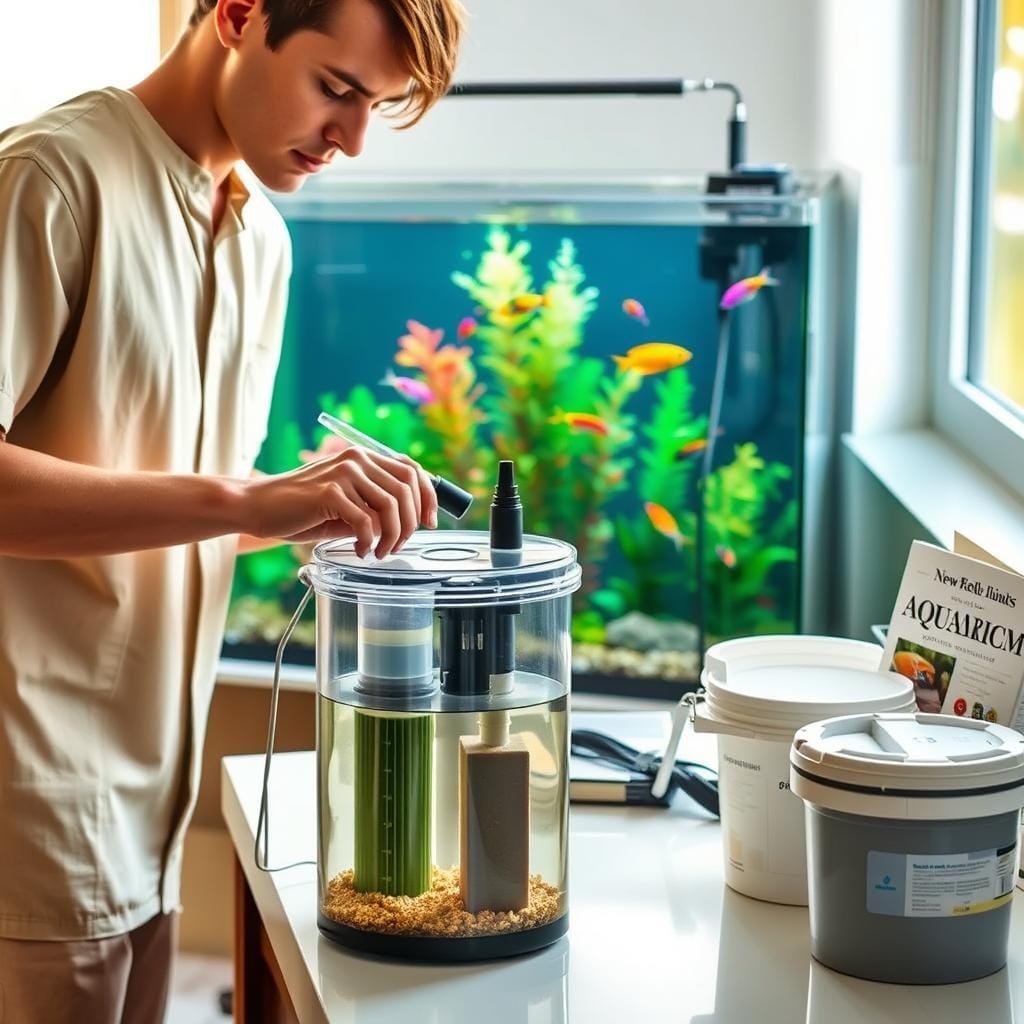
Have you ever wondered what the single most important piece of equipment is in your home aquarium? It’s not the heater or the lights. It’s the silent worker that keeps your underwater world clean and healthy.
Your aquarium’s filtration system is the heart of the entire setup. It works constantly to remove waste and keep the water crystal clear for your fish. This is essential for their long-term health and happiness.
Think of caring for your filters as a gift you give to your entire aquatic family. A well-maintained system saves you time, money, and stress. It transforms your tank from simply surviving to truly thriving.
This guide will show you how simple it can be. We’ll walk you through easy steps to keep your system in peak condition. You will learn to recognize when it needs attention and how to clean it properly.
By the end, you’ll feel confident providing the pristine water quality your fish deserve. Let’s begin this journey to a healthier, more beautiful home aquarium together.
Understanding the Role of Aquarium Filters in Your Aquarium’s Health
Your aquarium’s filtration system quietly performs one of the most vital jobs in your underwater world. This equipment works constantly to remove harmful substances and keep your aquatic environment stable.
The Function of a Filter in Water Quality
Your filtration setup handles three essential tasks. Mechanical filtration traps visible particles like uneaten food and waste. Biological filtration uses beneficial bacteria to break down toxic substances.
Chemical filtration removes dissolved contaminants that other methods can’t catch. Together, these processes create the clean water your fish need for optimal aquarium fish health.
Components and Types of Aquarium Filters
Different filtration systems suit various tank needs. Simple sponge filters work well for small setups. Hang-on-back models offer versatile performance for medium tanks.
Canister filters provide powerful cleaning for larger aquariums. Each type has unique components that work together to maintain excellent water quality.
Understanding your specific system helps you care for it properly. This knowledge ensures your aquatic friends enjoy a healthy, stable environment.
Filter Maintenance: Ensuring Optimal Aquarium Health
The secret to a thriving aquarium isn’t just about what you add to the tank, but how well you care for what’s already there. Your cleaning equipment requires consistent attention to deliver the clean water your fish deserve.
Staying proactive with your equipment care prevents small issues from becoming major problems. This approach saves you time and protects your aquatic investment.
Why Regular Maintenance Matters
Consistent care ensures your system operates at peak performance. When equipment functions properly, it efficiently removes waste and maintains water clarity.
Neglected systems can actually harm your aquarium’s environment. Clogged components restrict water flow and may release trapped contaminants back into the water.
Your routine checks help identify potential issues early. This preventive approach maintains a healthy habitat for your fish community.
Benefits of a Well-Maintained Filtration System
A properly cared-for system delivers numerous advantages for your aquarium. You’ll notice improved water clarity and more vibrant fish colors.
The benefits extend beyond appearance to practical savings. Well-maintained equipment lasts longer and operates more efficiently, reducing energy costs.
You’ll enjoy peace of mind knowing your aquatic environment remains stable. Your fish will thrive in consistently excellent water conditions.
This proactive care approach transforms aquarium keeping from stressful to truly enjoyable. Your commitment to proper equipment care directly supports your fish’s wellbeing.
A Step-by-Step Guide to Cleaning Your Aquarium Filter
Let’s transform what might seem like a chore into a simple, confidence-building routine. Following these clear steps will ensure your cleaning is both safe and effective for your aquatic friends.
Preparing for the Cleaning Process
Good preparation sets you up for success. Before you start, gather a bucket, some water from your aquarium, and a clean workspace.
Safety is your first priority. Always unplug your equipment from the electrical outlet. Never put your hands in the tank while the system is running.
- Have your bucket and old tank water ready.
- Create a space to lay out parts.
- Consider taking a photo for easy reassembly.

Detailed Cleaning and Reinstallation Instructions
Carefully remove the media from your filter. Gently rinse sponges and other media in the old aquarium water to remove debris and dirt. This preserves the vital beneficial bacteria.
Remember, never use tap water for this rinse. Check all parts for wear or damage as you clean. Chemical media often needs replacement according to the manufacturer‘s schedule.
Reinstall everything carefully, ensuring seals are tight. Once back in place, plug the unit in and watch for proper water flow. This simple task, done with care, is a key part of your aquarium’s ongoing maintenance.
Recognizing Signs Your Aquarium Filter Needs Attention
Just like any hardworking equipment, your aquarium’s cleaning system gives you clear signs when it needs attention. Learning to spot these signals early helps you address problems before they affect your fish’s health.
Indicators of Reduced Performance
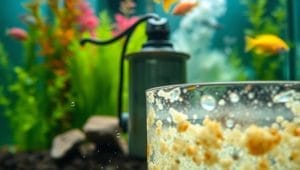
Watch for weakened water flow from your equipment’s output. This often means debris buildup is blocking the system. Unusual noises like rattling or grinding also signal performance issues.
Your water quality provides important clues too. Persistent cloudiness or surface scum suggests your system needs immediate attention. Your fish’s behavior can also indicate problems.
When to Replace Versus When to Clean
Deciding between cleaning and replacement depends on component condition. Mechanical media can usually be cleaned until it shows visible wear. Chemical media often needs scheduled replacement regardless of appearance.
Look for physical damage like cracks or worn seals that require replacement. If performance issues return quickly after cleaning, it’s time for media replacement. Understanding these common issues with aquarium systems helps you make the right choice.
Regular visual checks help you spot dirt accumulation and component deterioration early. This proactive approach maintains your equipment’s effectiveness and keeps your aquarium thriving.
Extending Your Filter’s Lifespan and Enhancing Performance
Creating a simple routine for your aquarium equipment can dramatically improve its longevity and effectiveness. With consistent attention, your system will provide years of reliable service.

Maintenance Schedules and Routine Checks
Establishing a personalized care schedule is your key to success. Base your plan on manufacturer recommendations and your tank’s specific needs.
Weekly visual inspections take just minutes but prevent major issues. Check water flow and listen for unusual sounds. Monthly tasks include cleaning mechanical media and checking water parameters.
Every few months, plan deeper attention like media replacement and component inspection. This proactive approach ensures consistent aquarium water quality.
Keep a simple log of your care activities. Record dates and completed tasks to spot patterns early. Your equipment will reward you with optimal performance and extended service life.
Regular care saves time and prevents emergencies. The small investment in routine attention pays dividends in aquarium enjoyment and fish health.
Comparing Different Filter Types and Their Care Requirements
Aquarium filters come in many varieties, each with unique care needs. Understanding your specific system helps you provide the right attention for optimal performance.
Mechanical Versus Electronic Filtration Methods
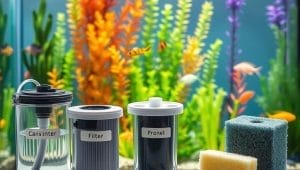
Mechanical systems use physical media to trap particles and debris. These require regular cleaning as media becomes clogged with contaminants.
Electronic components like UV sterilizers need different care. They might require annual bulb replacements to maintain their effectiveness.
Your cleaning approach should match your equipment’s technology. Mechanical media needs frequent attention, while biological components require gentle handling.
Special Considerations for Various Filter Models
Sponge filters are wonderfully simple. They need monthly squeezing in old tank water to remove trapped debris.
Hang-on-back models require cartridge replacement every 2-4 weeks. Canister systems need more involved attention every 4-6 weeks.
Internal units strike a balance between power and accessibility. They prevent buildup with weekly to bi-weekly care.
Check seals regularly for wear and damage. Each system type has specific considerations for maintaining efficiency. Your tank size and fish load influence how quickly debris accumulates.
Proper care extends your equipment’s lifespan and ensures consistent water quality. Matching your routine to your specific system type brings the best results.
Wrapping Up Your Aquarium Filter Maintenance Journey
Congratulations on reaching the final stage of your aquarium care education! You’ve gained valuable insights that will serve your aquatic friends well.
Remember that consistent attention to your equipment brings wonderful rewards. Your dedication leads to crystal-clear water and vibrant, healthy fish. These benefits make every moment of care worthwhile.
As you move forward, keep these simple tips for better filtration in mind. Your routine will become second nature with practice.
Welcome to the community of successful aquarium enthusiasts! Your commitment to proper care ensures your home aquarium remains a beautiful, thriving ecosystem for years to come.
FAQ
How often should I clean my aquarium’s filtration system?
The frequency depends on your specific setup, including tank size and fish load. A good rule is to check your equipment every 2-4 weeks. Look for signs of reduced water flow or visible debris buildup as your cue. Always follow your manufacturer’s guidelines for the best results.
What is the correct way to clean the media inside my unit?
Gently rinse the media in a bucket of water you remove from your aquarium. Avoid using tap water, as the chlorine can harm the beneficial bacteria essential for your system’s biological filtration. Never scrub the media aggressively, as this can damage its effectiveness.
How can I tell if my filtration system is failing?
Watch for key indicators like cloudy water, unusual odors, or a noticeable decrease in water movement. Your fish may also show signs of stress, such as gasping at the surface. These are clear signals that your unit’s performance is compromised and needs your attention.
When should I completely replace the media instead of just cleaning it?
Replace media when it is physically breaking down, heavily clogged beyond cleaning, or no longer supporting healthy bacteria colonies. For optimal aquarium health, it’s best to replace media in stages rather than all at once to preserve the biological balance.
Also Read: Common Aquarium Problems and How to Fix Them
Do different types of filtration units require unique care?
Yes, care requirements vary. For instance, canister filters need periodic seal checks and impeller cleaning, while sponge filters are simpler to maintain. Understanding your specific model’s needs is crucial for its longevity and your aquarium’s overall success.
Aquarium filter maintenanceAquarium filter mediaAquarium water qualityAquatic Filter Maintenance TipsCleaning Aquarium FiltersEffective Filter Cleaning TechniquesFiltration System MaintenanceFish Tank Filter CleaningProper Filter Care
Hi, I'm Millie a passionate fish enthusiast and blogger. I loves learning about all kinds of aquatic creatures, from tropical fish to stingrays.