
Your Guide to Fish Fungus Treatment and Prevention
 Millie Douglas
Updated on: July 16, 2025 .
9 min read
Millie Douglas
Updated on: July 16, 2025 .
9 min read
Did you know 80% of aquarium owners miss early signs of cotton-like growths on their aquatic pets until it’s almost too late? These sneaky infections thrive in stressed environments, turning a vibrant tank into a breeding ground for trouble. But here’s the good news: nearly all cases are preventable with the right knowledge.
Those fluffy white patches you might spot aren’t just unsightly – they’re warning signs. Poor water conditions weaken your pets’ defenses, letting ever-present spores take hold. We’ve helped countless hobbyists spot these issues early and reverse damage before it spreads.
This guide cuts through the confusion. You’ll learn to:
- Recognize subtle changes in behavior and appearance
- Choose proven methods to halt infections
- Build daily habits that stop problems before they start
Even better? Many solutions are simpler than you’d think. A well-maintained tank not only prevents outbreaks but creates a thriving ecosystem. For deeper insights into common aquarium diseases, we’ve got you covered.
By the end, you’ll have a clear action plan tailored to your setup – whether you’re nursing your first betta or managing a complex community tank. Let’s transform your approach to aquatic care together.
Understanding Fish Fungus: Causes and Symptoms
Spotting fuzzy growths early can mean the difference between quick recovery and severe illness. These sneaky invaders often start small – a cottony tuft on a fin or cloudy film over scales. But what you’re seeing isn’t just surface-level trouble.
Identifying Cotton-Like Growths and Other Visual Cues
Those fluffy white or gray patches signal water molds called Achyla and Saprolegia. Unlike true fungi, these organisms thrive on damaged tissue. Healthy aquatic pets have a protective slime coat that blocks infections. When injuries from handling, fights, or other diseases compromise this barrier, spores attack.
Watch for these signs:
- Raised, cotton-like formations on fins, gills, or eyes
- Discolored areas turning brown as infection progresses
- Lethargy or loss of appetite in affected pets
Recognizing Underlying Stress and Water Quality Issues
Poor water conditions create a breeding ground for trouble. Ammonia spikes, temperature swings, and overcrowding weaken immune systems. Even well-fed pets become vulnerable if their environment stresses them.
Key risk factors include:
- Inadequate filtration causing toxic buildup
- Sudden pH changes shocking delicate systems
- Nutrient-poor diets reducing disease resistance
Species like bettas and livebearers need extra attention. Their specific care requirements make them more prone to outbreaks when tank conditions slip. Regular testing and gradual adjustments keep their world stable.
Preparing the Aquarium for a Successful Treatment
Creating the right environment is half the battle in supporting aquatic recovery. Your freshwater habitat needs careful tuning to become a healing space rather than a stress amplifier. Let’s transform your setup into a sanctuary that actively fights infections.
Thorough Cleaning and Water Change Techniques
Start with a 25-30% water change using a gravel vacuum. This removes waste without shocking your system. Gently scrub glass surfaces with an algae pad – clean viewing areas help you spot changes quickly.
When maintaining filters, rinse media in tank water you’ve removed. This preserves beneficial bacteria while clearing debris. Always test parameters after cleaning to ensure stability.
Optimizing Tank Conditions and Removing Stressors
Identify and fix these common issues:
- Overcrowding (aim for 1 inch of adult fish per gallon)
- Sharp decorations that could cause injuries
- Inconsistent lighting cycles disrupting natural rhythms
For bettas, ensure at least 5 gallons of space. Smaller tanks accumulate toxins faster than their filtration can handle.
Adjusting Temperature and Introducing Live Plants
Stable warmth boosts immune responses. Use a reliable heater to maintain:
- 78-80°F for tropical species
- 72-75°F for cooler freshwater varieties
Floating plants like water lettuce absorb excess nitrates naturally. They also provide shade, reducing stress for light-sensitive pets. Pair these changes with weekly testing for lasting results.
Implementing fish fungus treatment Protocols
Effective care starts with knowing which solutions work best for specific infections. Whether you’re dealing with fuzzy growths around the mouth or widespread issues, targeted approaches yield faster recovery times. Let’s explore proven methods that address different infection types while keeping your aquatic environment stable.
Strategic Medication Use
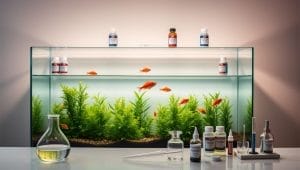
For mouth-based issues, dissolve 1 Maracyn packet per 10 gallons daily for 5 days. Body-wide infections often require dual therapy: mix 1 Maracyn packet with 1 teaspoon of Ich-X per 10 gallons. This combination tackles stubborn cases through malachite green’s antifungal properties.
Salt offers a natural alternative. Start with 1 tablespoon per 3 gallons, adjusting based on species tolerance. Scaleless varieties like corydoras need lower concentrations. Always remove chemical filtration media first – activated carbon neutralizes medications within hours.
Isolation Best Practices
Quarantine tanks protect healthy inhabitants during treatment. Follow these steps:
- Use a 5-10 gallon tank with identical water parameters
- Include gentle filtration and hiding spots
- Treat isolated pets for 3 extra days after symptoms vanish
Never stop medications early – invisible spores can linger. Complete the full course even when improvement seems dramatic. Your consistency ensures lasting results and prevents recurring issues.
Preventive Strategies and Ongoing Aquarium Maintenance
Your aquarium’s best defense isn’t medicine – it’s daily care that stops problems before they begin. Think of maintenance as armor plating for your aquatic friends, shielding them through smart routines rather than emergency fixes.
Fueling Immunity Through Nutrition
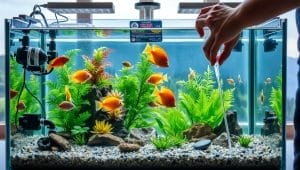
Variety isn’t just the spice of life – it’s survival insurance. Rotate between high-quality flakes, pellets, and frozen options to cover all nutritional bases. Store bulk purchases in airtight containers, freezing portions the size of a quarter to preserve freshness. Always handle meals with dry hands to avoid introducing contaminants.
Water Wisdom for Healthy Habitats
Test parameters weekly using reliable kits, focusing on ammonia spikes and pH stability. Bottom-dwelling species need extra attention – vacuum their territory during 25% water changes every 7-10 days. For aging aquatic pets, consider a peaceful retirement tank with slower-moving companions.
Reduce stress triggers by:
- Arranging decor to break sightlines between territorial species
- Maintaining consistent lighting schedules
- Using plants like java fern as natural buffers
These habits create environments where problems struggle to take root. For comprehensive aquarium disease prevention strategies, combine these steps with regular equipment checks. Your vigilance today means fewer emergencies tomorrow.
Special Considerations for Various Fish Species and Infections
Every aquatic pet has unique needs that demand tailored care strategies. What works for one species might harm another, making personalized approaches essential for success. Let’s explore how to adapt your methods for different inhabitants.
Custom Care for Delicate Aquatic Life
New livebearers like guppies often arrive stressed from breeding facilities. Many are raised in brackish water, then abruptly moved to freshwater tanks. This sudden shift weakens their defenses against water molds. Gradually acclimate them over 2 hours using drip methods to reduce shock.
Bettas require specific conditions to thrive:
- Minimum 5-gallon heated tanks (78-80°F)
- Low-flow filters to prevent exhaustion
- Weekly water tests for ammonia spikes
Anchor catfish and similar scale-less species need salt-free solutions. Instead of aquarium salt, try almond leaf extracts. These natural tannins combat fungal infections while soothing irritated skin.
Organic dyes like malachite green work wonders on cotton-like growths but pose risks. Always remove shrimp and snails before dosing. For sensitive electric species, consider milder options like methylene blue baths.
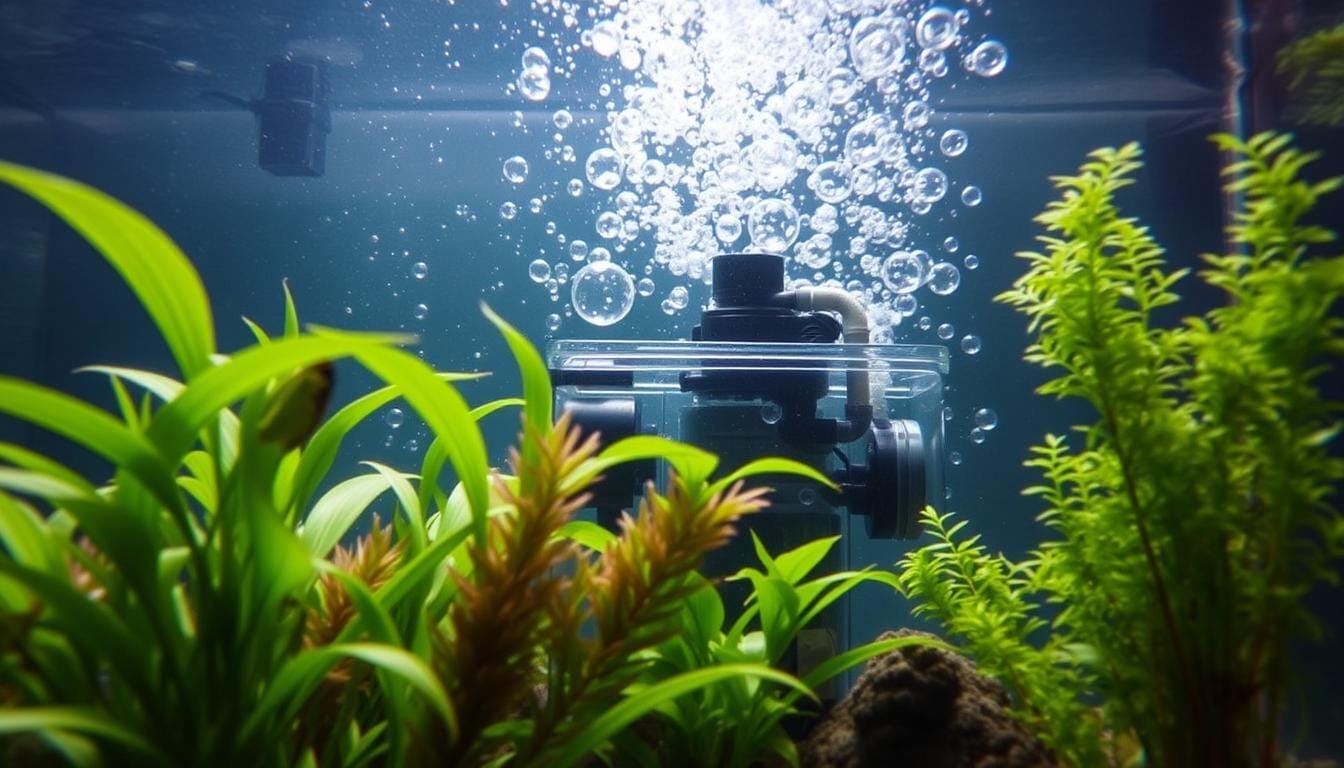
Egg clusters need special attention too. Unfertilized eggs often develop fuzzy coatings first. Use gentle airstones to keep water moving around spawns, and remove any white-coated eggs immediately with turkey basters.
Wrapping Up Your Fish Fungus Journey
Maintaining a thriving underwater world starts with understanding invisible threats. Those cotton-like growths signal deeper imbalances, not random attacks. Your greatest weapon? A stable habitat that strengthens natural defenses through smart routines.
Remember: spores exist in every tank. Outbreaks occur when stress weakens your pets’ protective barriers. Weekly water tests and gradual adjustments prevent 90% of issues before medications become necessary. Pair this vigilance with nutrient-rich diets to boost resilience from the inside out.
When challenges arise, proven solutions like salt baths or targeted formulas work best. Natural remedies often disappoint once infections take hold. Quick action with appropriate treatments stops minor issues from becoming emergencies.
Your dedication creates lasting results. Consistent care builds ecosystems where inhabitants flourish naturally. For more insights, explore our detailed articles on creating ideal aquatic environments. You’ve got this – your tank’s bright future starts today.
FAQ
How do I know if my aquarium pet has a fungal infection?
Look for cotton-like growths, fuzzy patches, or discolored areas on fins or skin. Early signs include lethargy and loss of appetite. Check water parameters immediately, as poor conditions often trigger these infections.
Can I use table salt instead of aquarium salt for treatment?
No—table salt contains additives harmful to aquatic life. Use pure aquarium salt at 1 tablespoon per 5 gallons, and always dissolve it in water before adding it to the tank. Monitor sensitive species closely during treatment.
Will malachite green harm my live plants during treatment?
Some medications like malachite green can damage delicate plants. Remove sensitive species or use a quarantine tank. Hardy plants like Java fern or anubias usually tolerate treatments better when dosages are carefully measured.
How often should I clean the tank while treating an infection?
Perform 25% water changes every other day and vacuum the substrate to remove waste. Maintain consistent temperature and test ammonia/nitrite levels daily. Clean filters with tank water (not tap) to preserve beneficial bacteria.
Are bettas more prone to fungal issues than other species?
Yes—their long fins and shallow-water habitats make them susceptible. Use half-dose medications like Ich-X initially, and add Indian almond leaves to boost immunity. Keep their water warm (78–82°F) and stress-free.
Can stress alone cause fungal outbreaks in healthy tanks?
Absolutely. Overcrowding, sudden temperature shifts, or aggressive tankmates weaken immune systems. Address stressors first—improve hiding spots, stabilize pH, and ensure a varied diet with high-quality pellets or frozen foods.
Antifungal fish treatmentAquarium fish healthFish disease preventionFish fungusFish tank hygieneFungal infections in fishIchthyophonus treatment
Hi, I'm Millie a passionate fish enthusiast and blogger. I loves learning about all kinds of aquatic creatures, from tropical fish to stingrays.