
Optimize Your Aquarium with the Right Fish Tank Lighting
 Millie Douglas
Updated on: July 16, 2025 .
10 min read
Millie Douglas
Updated on: July 16, 2025 .
10 min read
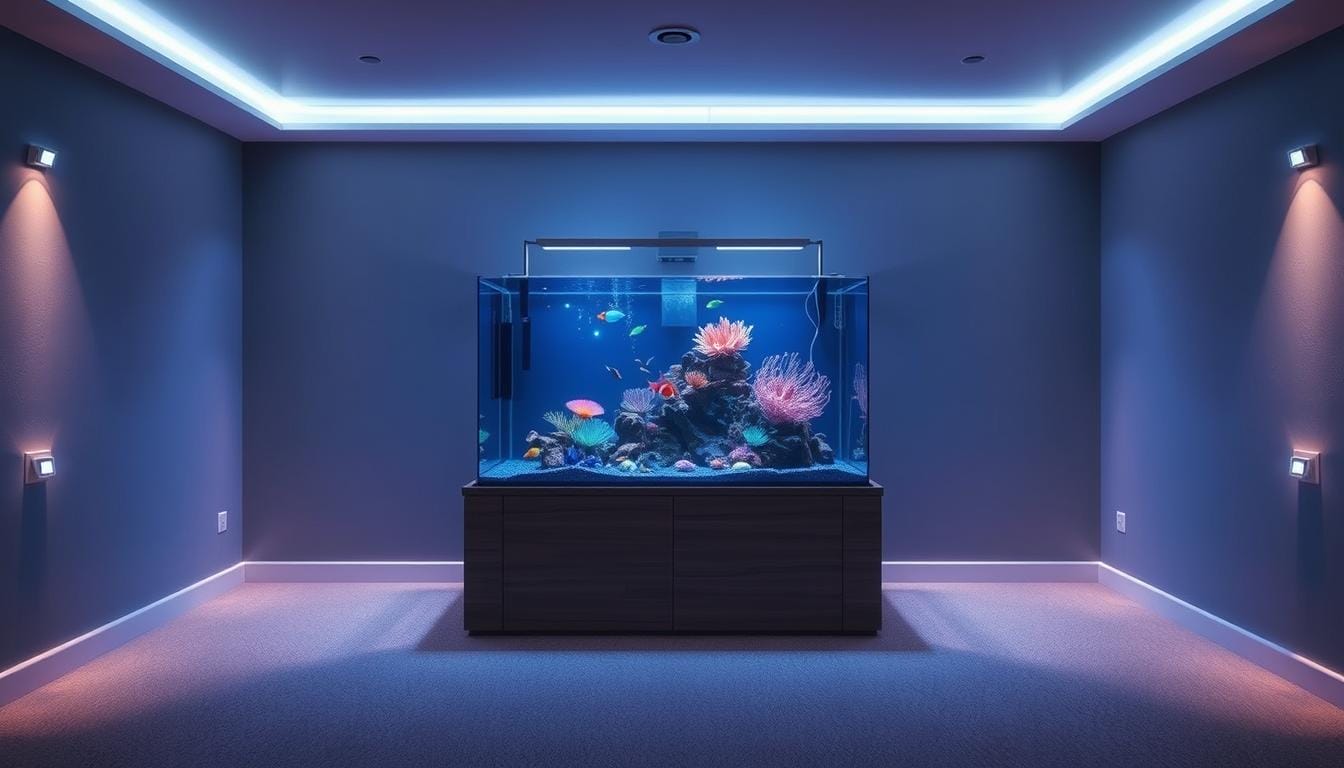
Did you know aquarium inhabitants react to light 30% faster than to other environmental changes? Your underwater ecosystem depends on more than just water quality—the right illumination shapes its entire rhythm of life.
Selecting proper lighting isn’t about aesthetics alone. It determines how your aquatic plants grow, influences fish behavior patterns, and even affects nutrient cycles in the water. Many new hobbyists feel overwhelmed by terms like lumens or PAR values, but we’ll simplify these concepts for you.
Your setup’s needs depend on three key factors: the species you’re nurturing, your tank’s dimensions, and what you’re comfortable spending. A brightly lit reef environment requires different solutions than a low-light planted bowl. We’ll help you match your goals with practical options.
By the end of this guide, you’ll understand how to:
- Support photosynthesis without encouraging algae overgrowth
- Create natural day/night cycles for stress-free aquatic life
- Balance energy efficiency with your ecosystem’s requirements
Let’s illuminate the path to a thriving underwater habitat that keeps both you and your finned friends delighted.
Understanding Fish Tank Lighting Essentials
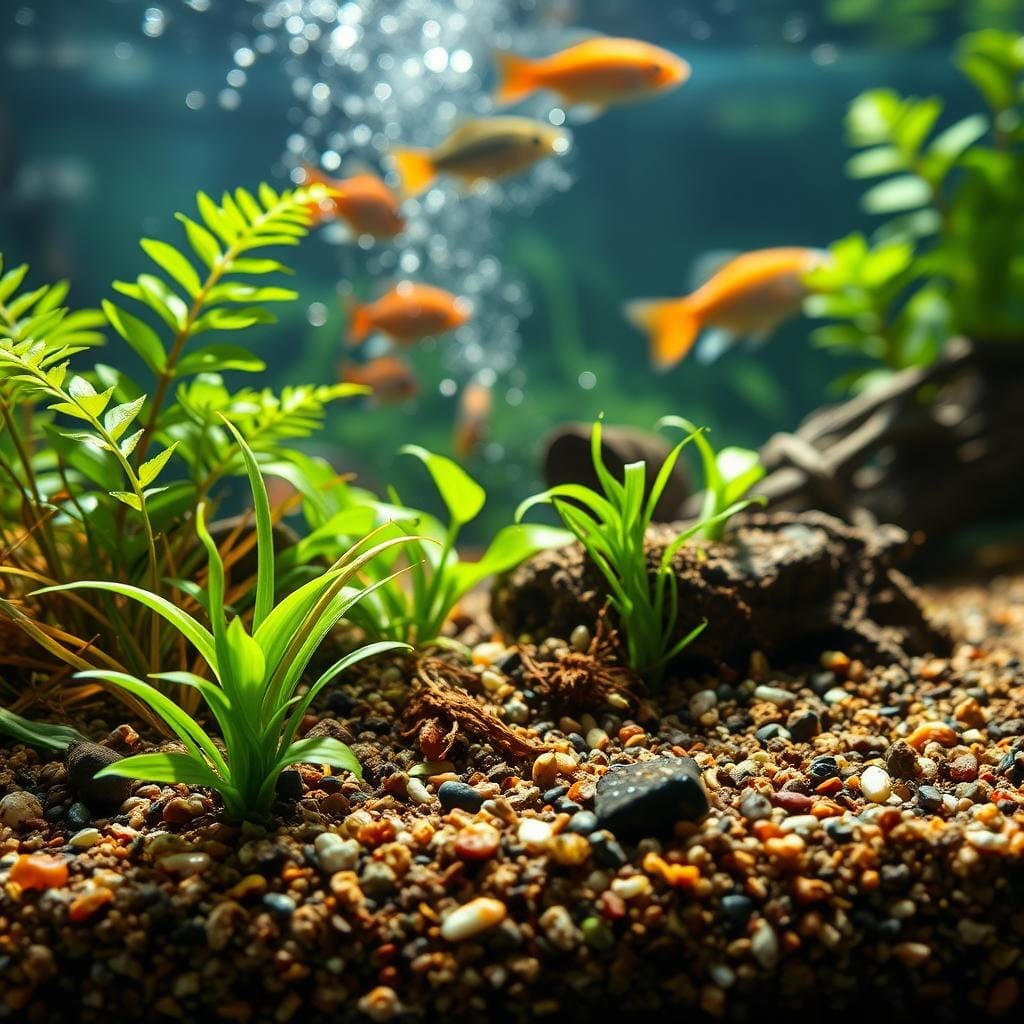
Your aquarium’s glow does more than showcase its beauty—it’s the heartbeat of a thriving ecosystem. Proper illumination helps aquatic life flourish while maintaining balance in their watery world. Let’s explore how to create harmony between visual appeal and biological needs.
Role of Lighting in Aquarium Health
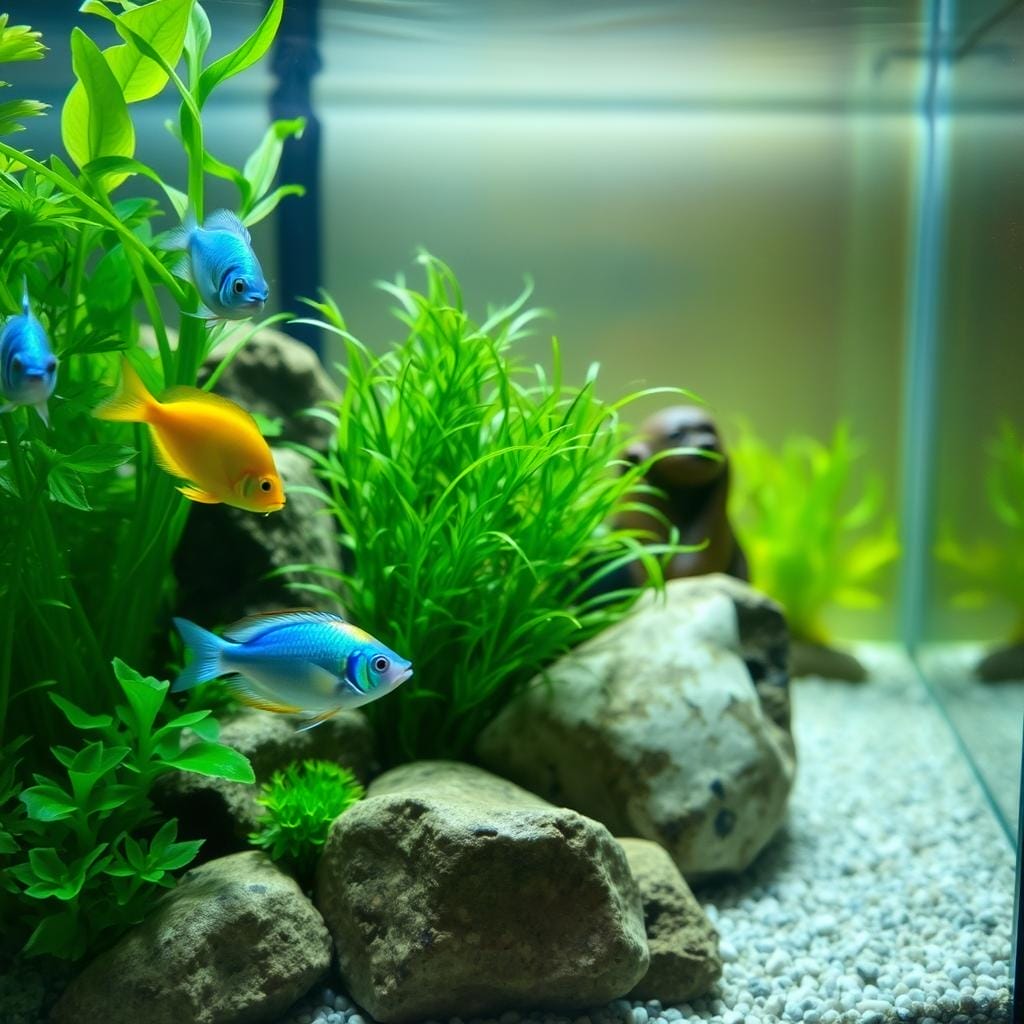
Light acts like a conductor for your underwater community. It guides daily rhythms, supports plant energy production, and helps inhabitants feel secure. Species from sun-drenched rivers or shaded ponds require different intensities to mimic their natural habitats. Without this balance, stress can weaken immune systems and disrupt social behaviors.
Key Considerations for Beginners
Start by matching your setup to what your aquatic life naturally experiences. Ask yourself:
- Do my plants need bright light for photosynthesis?
- Are my finned friends most active at dawn or dusk?
- How can I prevent algae while supporting growth?
Remember: Consistency matters more than maximum brightness. A timer helps maintain steady day-night cycles, while adjustable LED systems let you fine-tune settings as your ecosystem evolves.
Benefits of the Right Aquarium Lighting for Fish and Plants
Imagine your underwater world glowing with vibrant life—every hue intensified and every movement highlighted. Strategic illumination transforms your setup into a living masterpiece while nurturing its delicate balance. Let’s explore how smart choices create beauty and biological harmony.
Enhancing Visual Appeal
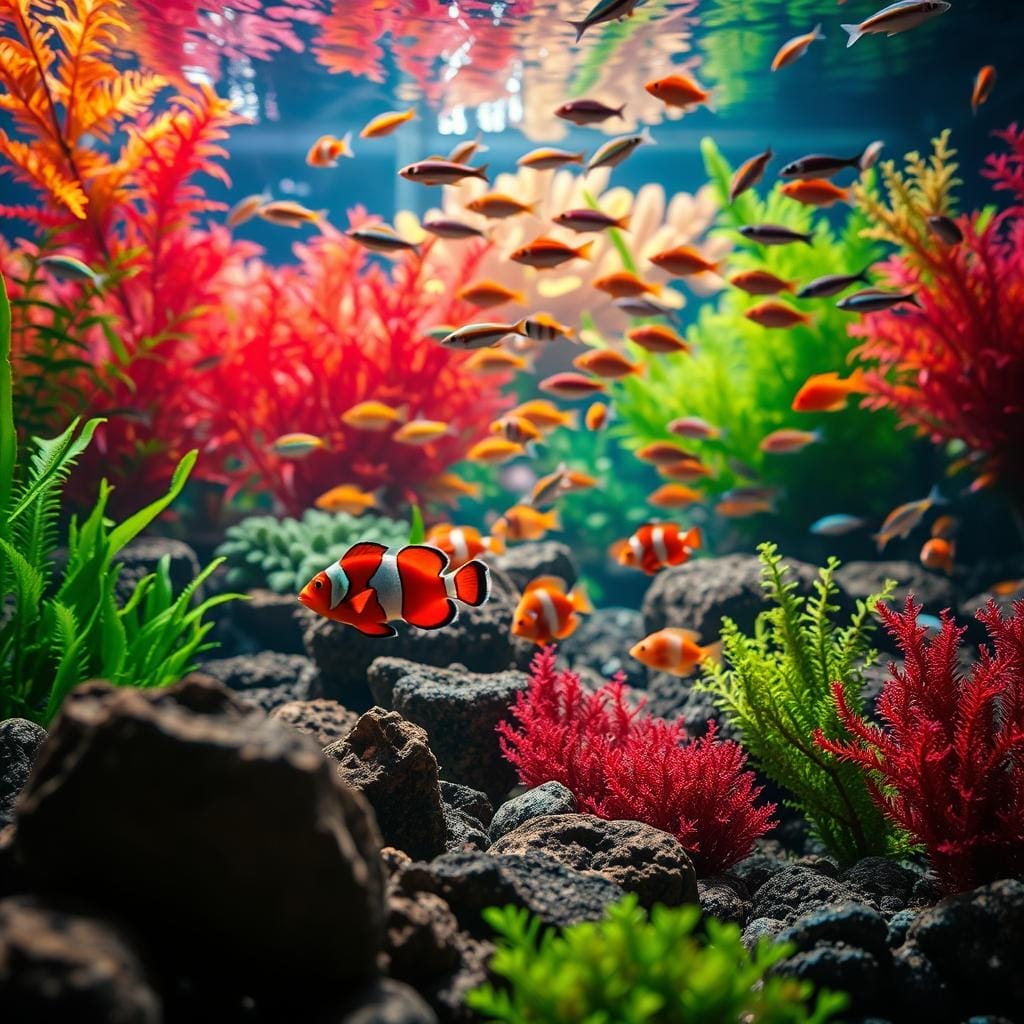
The right glow turns your aquatic display into a mesmerizing focal point. LED lights amplify reds in live aquatic plants and make blue species shimmer like jewels. Adjustable color temperatures let you create sunrise effects or moonlight simulations, matching your room’s ambiance perfectly.
Boosting Aquatic Life Health
Proper lighting does double duty—it’s a health booster disguised as decoration. Full-spectrum LEDs provide the exact rays plants crave for photosynthesis, fueling growth while releasing oxygen. This natural process helps stabilize water chemistry, reducing harmful substances.
Commercial fisheries use green wavelengths to attract species—a trick that works in home setups too. White LEDs mimic daylight cycles, keeping inhabitants active yet relaxed. When your plants thrive, they absorb excess nutrients that might otherwise feed algae blooms.
Consistent illumination schedules prevent stress, letting aquatic life follow their natural rhythms. You’ll notice brighter colors, more active behaviors, and stronger immune responses. It’s like giving your ecosystem a daily vitamin boost through carefully crafted light.
Evaluating Your Aquarium’s Specific Lighting Needs
Your underwater world’s glow should mirror its inhabitants’ natural rhythms—here’s how to customize it. Like fingerprints, no two aquatic environments share identical requirements. This step-by-step approach helps you match illumination to your unique ecosystem.
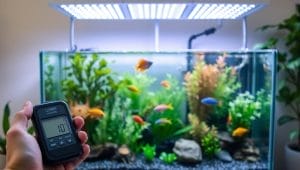
Assessing Your Tank Environment
Start by mapping your aquatic residents’ origins. Species from shaded streams thrive under softer glows, while coral reef natives crave intense brightness. Pair this knowledge with your setup’s physical traits—a 24-inch-deep aquarium needs different solutions than a shallow 12-inch bowl.
Water depth dramatically affects how rays travel. Blue wavelengths penetrate deeper, making them crucial for planted environments. Measure from your substrate to the surface, then compare this to your chosen fixture’s penetration capabilities.
Consider your room’s existing light patterns. A tank near sunny windows might need adjustable timers to counteract algae-triggering natural light. For budget planning, calculate both upfront costs and long-term energy use—LED systems often save money despite higher initial prices.
Ask yourself these guiding questions:
- Are you cultivating a plant paradise or focusing on animal companions?
- Does your schedule allow for complex lighting controls?
- What maintenance routines fit your experience level?
Pro tip: Sketch your aquarium’s dimensions and note nearby light sources before shopping. This visual guide prevents mismatched purchases and ensures every corner receives proper illumination. Remember—your goal is harmony between beauty and biological needs.
Different Types of Fish Tank Lighting Options
Choosing aquarium illumination feels like picking the perfect lamp for your living room—it needs to fit your space, style, and lifestyle. Three primary systems dominate modern setups, each with unique strengths. Let’s compare their features so you can select what aligns with your aquatic goals.
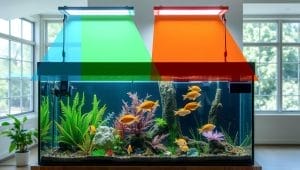
Standard Fluorescent Solutions
For decades, fluorescent fixtures have been the go-to for budget-conscious hobbyists. These systems offer:
- Affordable starter kits perfect for basic setups
- Multiple bulb types (T5, T8, compact) for varied needs
- Gentle illumination that won’t overwhelm shy species
While cost-effective, their tubes gradually lose brightness. Plan to replace bulbs annually to maintain performance—a key factor in long-term budgeting.
Modern LED Innovations
LED systems revolutionize how we light aquatic environments. These energy-efficient marvels slash power bills by up to 60% compared to older technologies. Their cool operation prevents water heating, making them ideal for temperature-sensitive setups. Advanced models let you:
- Program sunrise/sunset cycles via smartphone apps
- Adjust color spectrums for plant growth phases
- Create moonlight effects for nocturnal viewing
For those seeking cutting-edge control, this comprehensive guide details how LEDs outperform traditional options.
Plant-Focused Fixtures
Lush aquatic gardens demand specialized lighting. Full-spectrum LEDs and high-output fluorescent bulbs provide the red/blue wavelengths plants crave. Look for fixtures with:
- Adjustable mounting arms for depth customization
- PAR (Photosynthetic Active Radiation) measurements
- Water-resistant designs for humid environments
These systems often include timers to simulate natural daylight variations, promoting robust growth without algae triggers.
Selecting the Perfect Fish Tank Lighting for Your Aquarium
Your aquatic companions’ well-being begins with choosing illumination that mirrors their natural world. The best light setup grows with your ecosystem, adapting to both current residents and future additions. Start by listing every species in your care—their origins dictate whether they thrive under soft glows or intense brightness.
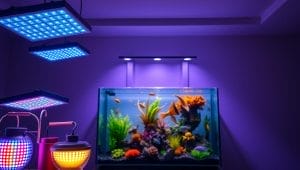
Ask yourself: Is this a vibrant fish display, a plant sanctuary, or a coral reef microcosm? Each purpose demands different spectrums. A lush planted environment needs red wavelengths for photosynthesis, while marine setups benefit from blue tones that penetrate deeper water layers.
Balance four key elements when picking your aquarium light:
- Species-specific intensity requirements
- Your tank’s depth and surface area
- Energy consumption versus brightness needs
- Upgrade potential for future habitat changes
Measure twice before selecting any light fixture. A 20-gallon setup needs different coverage than a 55-gallon system. Use painter’s tape to mark potential mounting spots—this visual trick prevents dead zones where plants might struggle.
Smart shoppers consider maintenance ease alongside initial costs. LED systems often last years, while fluorescent bulbs require annual replacements. Remember: The right aquarium glow isn’t about maximum power—it’s about creating harmony where life flourishes under carefully calibrated rays.
Understanding Light Intensity and Spectrum for Aquariums
The secret to vibrant aquatic life lies in mastering two crucial elements: color warmth and energy strength. Think of your setup’s glow as a recipe—get these ingredients right, and everything thrives.
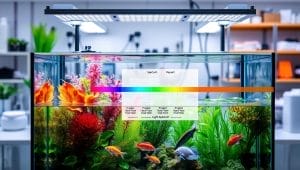
Decoding Kelvin Ratings
Kelvin ratings act like a thermometer for light colors. Lower numbers (5,500K) create cozy yellow tones similar to morning sun. Higher values (20,000K) produce crisp blue-white rays found in deep ocean waters.
Here’s what works best:
- Freshwater setups: 5,500-6,000K mimics tropical daylight
- Coral environments: 9,000-20,000K supports reef-building processes
- General viewing: 6,500-8,000K enhances color accuracy
Balancing Intensity for Plant Growth
Light strength determines whether your greenery flourishes or falters. Measure intensity in lumens—15-25 per liter suits shade-loving species like Java fern. Demanding plants like carpeting grasses need 50+ lumens.
Avoid these common pitfalls:
- Weak rays cause slow growth and pale leaves
- Excessive brightness triggers algae parties
- Inconsistent schedules stress photosynthetic life
Use PAR meters for precision. Combine proper spectrum and intensity to create a growth accelerator that keeps water crystal clear. Remember: Your plants will show gratitude through lush foliage and oxygen-rich water.
Setting Up an Optimal Day/Night Cycle
Your aquatic ecosystem thrives on predictable routines—just like your morning coffee habit. Tropical species evolved under steady 12-hour light/dark patterns. Mimic this rhythm to keep inhabitants stress-free and plants photosynthesizing efficiently.
Planted environments need 12 hours of daily light for lush growth. Use timers to maintain consistency—irregular cycles confuse aquatic life and trigger algae outbreaks. For setups without greenery, 8-10 hours prevents excessive algae while meeting basic needs.
Consider these guidelines:
- Match your photoperiod to species’ origins (most thrive on 10-12 hours)
- Gradually adjust schedules when changing light duration
- Use moonlight settings for nocturnal observation without disrupting rest
Our detailed lighting guide helps balance these elements. Remember: Stable day/night cycles strengthen immune systems and maintain natural behaviors. Your consistent care creates a thriving underwater world that mirrors nature’s perfect timing.
FAQ
How does lighting impact my aquarium’s ecosystem?
Proper lighting supports photosynthesis in live plants, regulates fish behavior, and prevents algae overgrowth. It mimics natural environments, keeping aquatic life healthy and vibrant.
Can I use regular household LEDs for my planted aquarium?
Household LEDs often lack the spectrum and intensity needed for plant growth. Opt for full-spectrum aquarium LEDs like Nicrew or Hygger, which provide balanced wavelengths for photosynthesis.
What’s the ideal Kelvin rating for freshwater setups?
Freshwater aquariums thrive with 6,500–7,500K lights. This range replicates daylight, enhancing plant growth while making fish colors pop without encouraging excessive algae.
How long should I keep my aquarium lights on daily?
Aim for 8–10 hours to maintain a stable day/night cycle. Use timers to automate this schedule, reducing stress for aquatic life and preventing algae blooms from prolonged exposure.
Do low-light plants need special fixtures?
Low-light plants like Java Fern or Anubias can thrive under standard LED or fluorescent lights. Prioritize adjustable brightness settings to customize intensity without upgrading hardware.
Why is my tank growing so much algae despite dim lighting?
Algae thrives on excess nutrients and inconsistent light cycles. Pair controlled lighting durations with regular water changes and nutrient monitoring to curb outbreaks effectively.
Are colored LED lights safe for nocturnal fish?
Moonlight-blue LEDs (under 1% intensity) work well for observing nocturnal species like Corydoras. Avoid bright colors, which can disrupt their natural rhythms and cause stress.
Aquarium LightingEnergy-Efficient Aquarium LightsFish Tank IlluminationLED Aquarium LightsLight Spectrum for Fish TanksLighting Schedule for Fish TanksUnderwater Lighting
Hi, I'm Millie a passionate fish enthusiast and blogger. I loves learning about all kinds of aquatic creatures, from tropical fish to stingrays.