
Create a Stunning Aquarium with Freshwater Aquarium Plants
 Millie Douglas
Updated on: July 16, 2025 .
10 min read
Millie Douglas
Updated on: July 16, 2025 .
10 min read

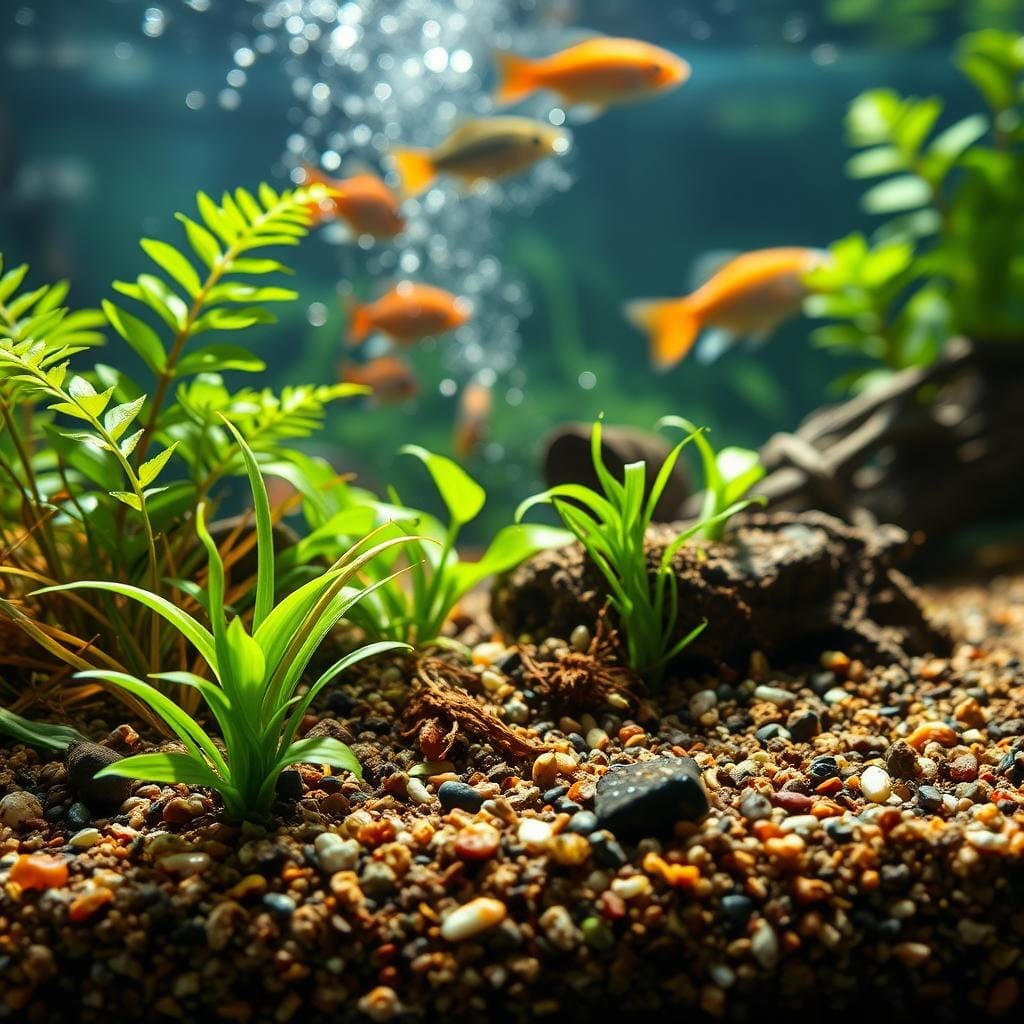
Did you know tanks with live greenery reduce algae growth by up to 70%? This simple upgrade does more than beautify your space—it creates a thriving ecosystem where fish flourish. Whether you’re new to aquatic hobbies or a seasoned enthusiast, the right underwater greenery can turn your tank into a living masterpiece.
Imagine your fish darting through vibrant foliage that naturally cleans their water. Unlike artificial decor, live varieties actively filter toxins while adding depth and movement. You’ll find options for every skill level, from hardy species that thrive in basic setups to eye-catching specimens that become conversation starters.
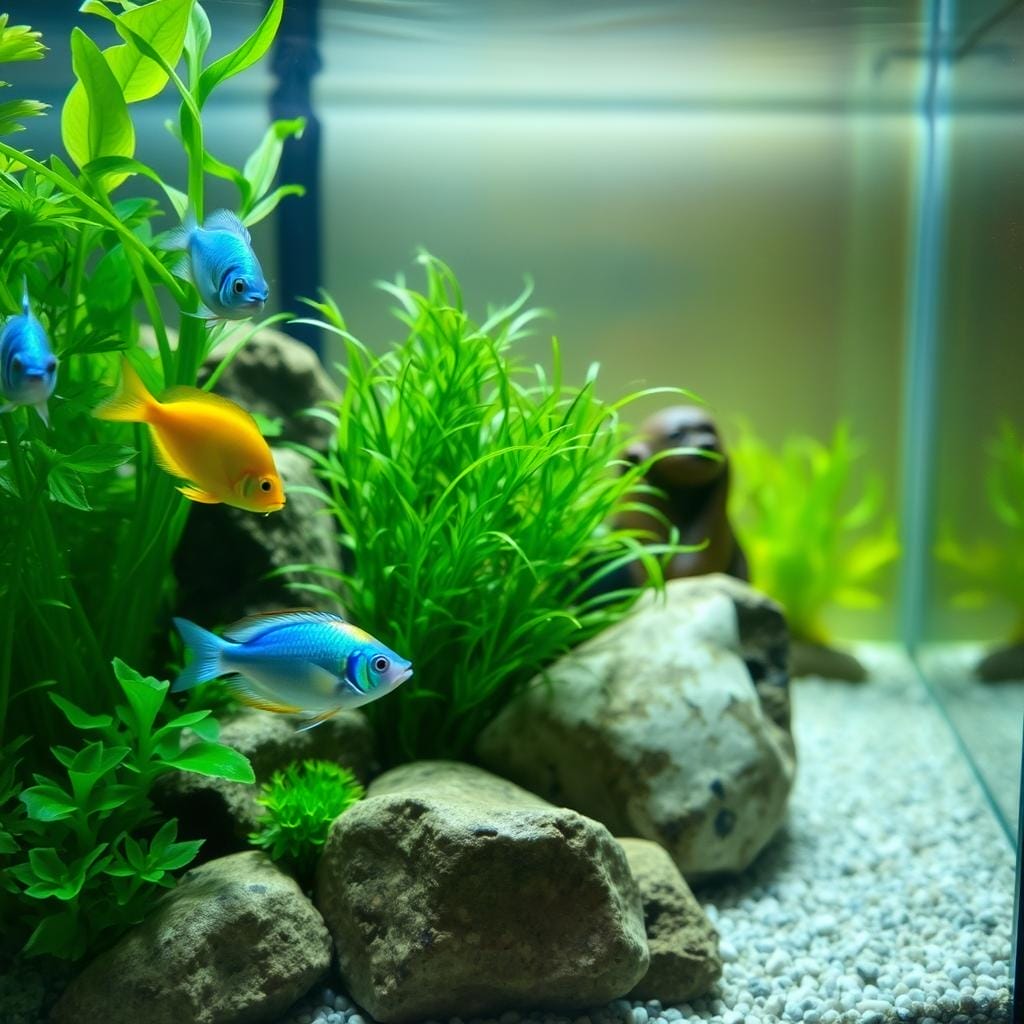
Properly chosen greenery transforms your tank’s health and appearance. They release oxygen, absorb harmful nutrients, and create safe spaces for shy swimmers. With strategic placement, even a small 10-gallon setup can mimic lush riverbeds or serene ponds.
Getting started is easier than you think. Our guide to live aquatic plants breaks down lighting needs, substrate choices, and care routines. You’ll learn how to combine textures and colors for visual impact while keeping maintenance simple. Ready to watch your underwater world come alive?
Understanding the Benefits of Freshwater Aquarium Plants
Picture this: a self-cleaning tank where every leaf actively protects your aquatic friends. That’s the magic of live flora. These natural wonders do more than decorate—they create balanced ecosystems where life thrives effortlessly.
Boosting Fish Health and Water Quality
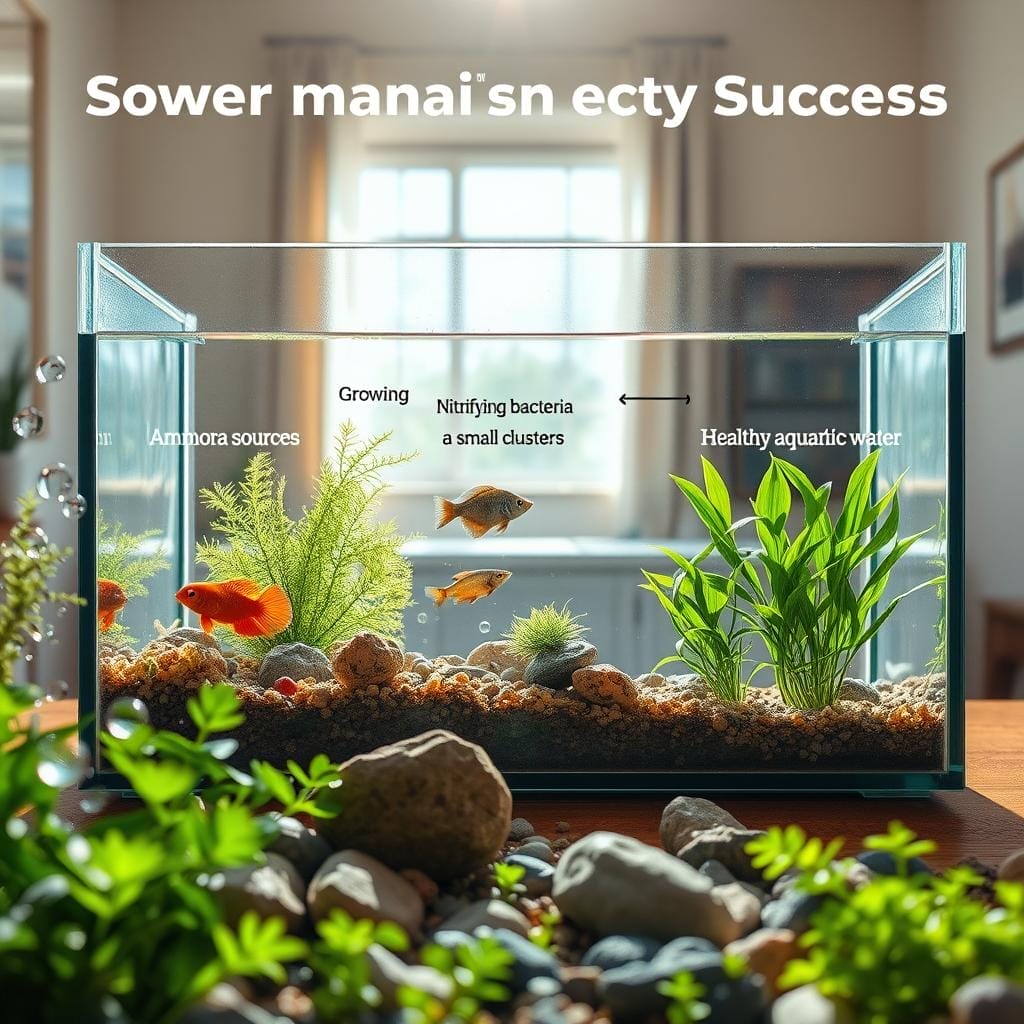
Live greenery acts like a 24/7 cleanup crew. It absorbs ammonia and nitrates—toxins that stress your swimmers. During daylight hours, leaves release oxygen, giving gills the clean air they crave.
You’ll notice calmer behavior in your finned pals. With leafy hideouts and territories, aggression drops. Shy species explore freely, while bold ones show their true colors against emerald backdrops.
Root networks work underground too. They break down leftover food and waste, keeping substrates fresh. This natural recycling means fewer water changes and stable pH levels without chemical tweaks.
Best part? Your filter gets a break. While mechanical systems help, live flora handles heavy lifting. You save time on maintenance while creating a slice of riverbed magic right at home.
Freshwater Aquarium Plants: A Guide to Top Picks
Choosing the right specimens can make or break your tank’s ecosystem—here’s your roadmap. Trusted suppliers combine variety with reliability, offering everything from beginner-friendly options to rare showstoppers. Let’s explore how to navigate their offerings while avoiding common pitfalls.
Top Product Selection for Every Tank
Leading retailers like Aquarium Plants Factory showcase over 8,500 customer-reviewed options. Whether you need low-light varieties or carpeting species, their catalogs cater to nano tanks and expansive setups alike. Buce Plant’s inspection process ensures each specimen arrives pest-free and ready to thrive.
Look for these signs of quality when you shop:
- Detailed growth requirements listed for each species
- Multiple size options from tissue cultures to mature specimens
- Real customer photos showing plants in home tanks
Sourcing Quality Specimens with DOA Protection
Reputable sellers now offer 100% arrival guarantees. If your greenery arrives damaged, you’ll get replacements or refunds—no questions asked. Specialized packaging with humidity control protects orders during shipping, even in extreme weather.
Top suppliers use climate-adapted boxes and expedited delivery. You’ll receive tracking updates so you can plan your planting day. Their customer teams help resolve issues quickly, whether you need store credit or urgent replacements.
Highlighting Popular Aquarium Plant Varieties
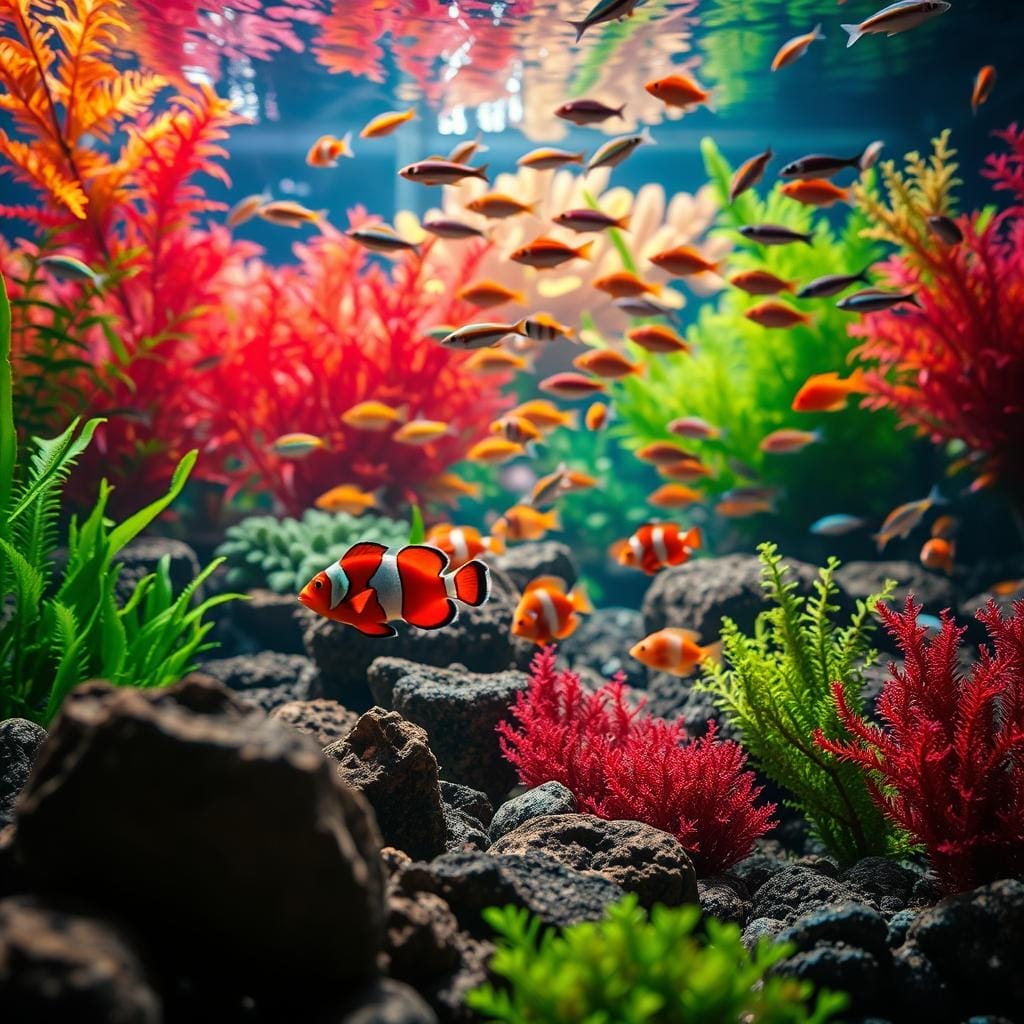
What if your tank could showcase nature’s full palette? From bold textures to delicate fronds, these green stars transform water into living art. Let’s meet the standout performers that balance beauty with practicality.
Java fern reigns supreme for low-maintenance setups. Its wavy leaves thrive attached to driftwood or rocks, needing minimal light. Pair it with anubias species—their broad, dark leaves create striking contrasts against bright substrates.
Stem varieties like rotala or ludwigia add vertical drama. Trim them weekly to encourage bushy growth, perfect for hiding equipment. Sword types offer versatility: dwarf versions stay petite, while Amazon varieties grow tall enough to dominate your layout.
Crave something unusual? Bucephalandra delivers with metallic-hued leaves that shimmer under LED lights. Combine it with feathery mosses to carpet rocks—shrimp adore these fuzzy jungles for grazing and breeding.
Don’t overlook transitional picks like juncus repens. Its grass-like blades adapt to submerged or emerged growth, bridging water and land areas. Mix textures and heights to create depth, letting fish dart between sheltering leaves and open swim zones.
Remember: diversity fuels tank health. A blend of fast-growing stems and slow-spreading swords balances nutrient uptake. Start with 3-5 varieties, then expand as your green thumb develops. Your finned friends will reward you with vibrant colors and active exploration.
Java Fern and Cryptocoryne Varieties: Beauty and Resilience
Your underwater garden deserves stars that shine through any challenge. Two plant families stand out for their ability to thrive where others struggle—java fern and cryptocoryne. These natural survivors bring elegance to your setup while handling unpredictable water conditions with grace.
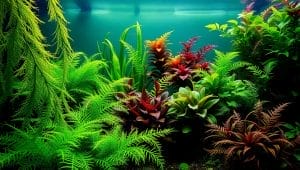
Lace Windelov: Nature’s Delicate Sculptor
Java fern Lace Windelov ($4.99+) dances in gentle currents with intricately split leaves. Its fringed edges create living lace patterns that soften hardscape edges. You’ll love how it anchors to wood or stone—no messy substrate needed. Perfect for low-light corners, this variety resists algae and grows steadily without CO₂.
Cryptocoryne’s Color-Shifting Magic
Watch cryptocoryne lucens ($4.99+) transform from olive sprouts to bronze showpieces. Its slender leaves darken as roots establish, creating depth in foreground areas. For golden accents, try cryptocoryne lutea—now 35% off at $12.99. This yellow-green beauty adapts to pH swings, making it ideal for tanks with sensitive species.
Both plant types excel in low-tech environments. Their slow growth means less trimming, while robust root systems stabilize water chemistry. Attach them to decor for instant texture, or let them carpet naturally over time. You’ll create professional-looking layouts without complex equipment—just pure, resilient beauty.
Tissue Culture and Vitro Culture Plants: Quality & Consistency
What if every plant in your tank grew exactly as planned? Advanced cultivation methods now let you skip the guesswork. Tissue-cultured specimens arrive free from contaminants, ready to transform your setup with predictable results.
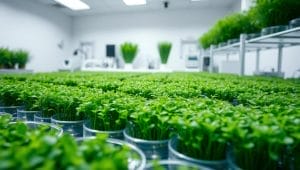
Dwarf Baby Tears and Micranthemum Monte Carlo Insights
Dwarf Baby Tears Vitro Culture delivers instant carpets at 40% off ($8.99). Its tiny leaves form velvety mats within weeks—perfect for creating depth in nano setups. Pair it with Micranthemum Monte Carlo ($9.99), whose rounded foliage spreads evenly without invasive tendrils.
These lab-grown varieties outperform traditional options. You get identical genetic makeup across all specimens, ensuring uniform growth patterns. No more patchy areas or uneven coloration—just professional-grade landscapes.
Ensuring Healthy, Consistent Growth with Advanced Techniques
Sterile laboratories eliminate pests while boosting root development. Eleocharis sp. Mini ($14.99) demonstrates this perfectly. Its hair-thin blades establish faster than conventional grasses, creating lush meadows without algae risks.
Modern tissue methods offer three key advantages:
- Zero risk of introducing snails or parasites
- Guaranteed disease-free starts
- Optimized nutrient reserves in each culture cup
You’ll save time and money while achieving showstopping results. These innovations make complex aquascapes accessible to everyone—no biology degree required.
Effective Tank Setup: Lighting, CO₂, and Filtration for Healthy Plants
Transform your tank into a thriving paradise by mastering three key elements: light, gas, and flow. These factors work together like a symphony—when balanced, they create conditions where greenery flourishes and fish thrive. Let’s explore how to fine-tune each component for maximum impact.
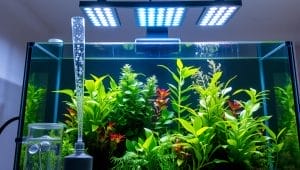
Optimizing Lighting and CO₂ Levels
Start with 6-8 hours of full-spectrum LED light daily. This mimics natural daylight cycles, giving your greenery energy to grow without encouraging algae. Look for systems with adjustable color temperatures—6500K bulbs often work best for most species.
CO₂ injection can turbocharge growth. While not essential for hardy varieties, it helps colorful stems and carpeting types reach their full potential. Beginners might prefer liquid carbon supplements, which are easier to dose. Watch for pearling—tiny oxygen bubbles on leaves—to confirm your balance is right.
Water chemistry matters just as much. Aim for pH levels between 6.5-7.5 and moderate hardness. Test weekly using reliable kits, adjusting gradually if needed. Sudden changes stress both flora and fish.
Your filter plays a dual role. It should circulate nutrients without uprooting delicate roots. Canister filters with adjustable flow rates work wonders. Position output nozzles to create gentle currents that sway leaves without causing turbulence.
Spot these signs of success:
- New leaves emerge weekly with vibrant colors
- Algae stays minimal or nonexistent
- Root systems spread steadily through substrate
Remember: Small tweaks beat drastic changes. Increase light intensity by 10% weekly if needed, and always pair CO₂ adjustments with proper aeration. Your patience will reward you with a lush, self-sustaining ecosystem.
Step-by-Step Planting and Care Tips for Aquatic Plants
Your aquatic oasis starts with smart planting strategies. Follow these straightforward methods to establish greenery that grows vigorously while keeping your aquatic friends happy. We’ll walk through setup fundamentals and maintenance habits that prevent common pitfalls.
Planting Techniques and Tank Setup Essentials
Begin by rinsing roots gently to remove debris. Use tweezers to position stems 1-2 inches deep in nutrient-rich substrate—angled cuts help them anchor faster. For carpeting varieties, split cultures into dime-sized portions and press lightly into gravel. Pro tip: Leave space between slow-growers and fast-spreading types to prevent overcrowding.
Create a balanced environment using insights from aquatic plant care guides. Maintain 74-80°F water temperatures and weekly 10% water changes. Position taller specimens near the back to frame your layout, leaving open swimming areas upfront.
Regular Maintenance Routines for Long-Term Success
Trim yellowing leaves every 7-10 days using curved scissors. Wipe algae off glass during water changes, but avoid disturbing roots. Test nitrate levels biweekly—keep them under 10 ppm with liquid fertilizers. Rotate specimens monthly to ensure even light exposure.
Remember: Consistency beats perfection. Small, regular adjustments keep your ecosystem thriving. Pair these habits with quality tools, and you’ll enjoy a vibrant underwater world that impresses guests and nurtures aquatic life.
FAQ
How do I choose the right plants for my tank size?
Start by measuring your tank’s height and depth. Compact species like Cryptocoryne lutea work well in smaller setups, while taller varieties like Amazon sword thrive in larger tanks. Always check growth habits before purchasing.
Are CO₂ systems necessary for healthy growth?
While not mandatory, CO₂ injection boosts growth in demanding species like Micranthemum Monte Carlo. Low-tech options like Java Fern or Anubias can flourish without added carbon dioxide.
What’s the advantage of tissue culture plants?
A: Tissue culture specimens are pest-free and offer consistent quality. Brands like Tropica use this method for species like Dwarf Baby Tears, ensuring a healthy start for your tank.
Why are my Java Fern leaves turning brown?
Browning often stems from excessive light or nutrient imbalances. Java Ferns prefer shaded areas and attach best to driftwood or rocks. Trim damaged leaves and adjust your lighting duration.
Can I mix different plant types in one setup?
Absolutely! Combine foreground plants like Juncus repens with midground Bucephalandra and background stems. Ensure each species has compatible light and nutrient needs for balanced growth.
How do I prevent Cryptocoryne melt after planting?
“Crypt melt” occurs during acclimation. Maintain stable water parameters and avoid sudden changes. Trim melted leaves, and new growth will emerge once the roots establish.
What lighting duration promotes optimal growth?
Aim for 6–8 hours daily. Use timers for consistency. Low-light plants like Anubias tolerate shorter periods, while stem plants may need longer exposure under full-spectrum LEDs.
Do I need special substrate for rooted plants?
Nutrient-rich substrates like ADA Aqua Soil support heavy root feeders like Cryptocoryne lucens. For epiphytes (e.g., Java Fern Lace Windelov), attach to hardscape instead.
Hi, I'm Millie a passionate fish enthusiast and blogger. I loves learning about all kinds of aquatic creatures, from tropical fish to stingrays.