
Effective Hospital Tank Setup for Aquarium Care
 Millie Douglas
Updated on: July 16, 2025 .
7 min read
Millie Douglas
Updated on: July 16, 2025 .
7 min read
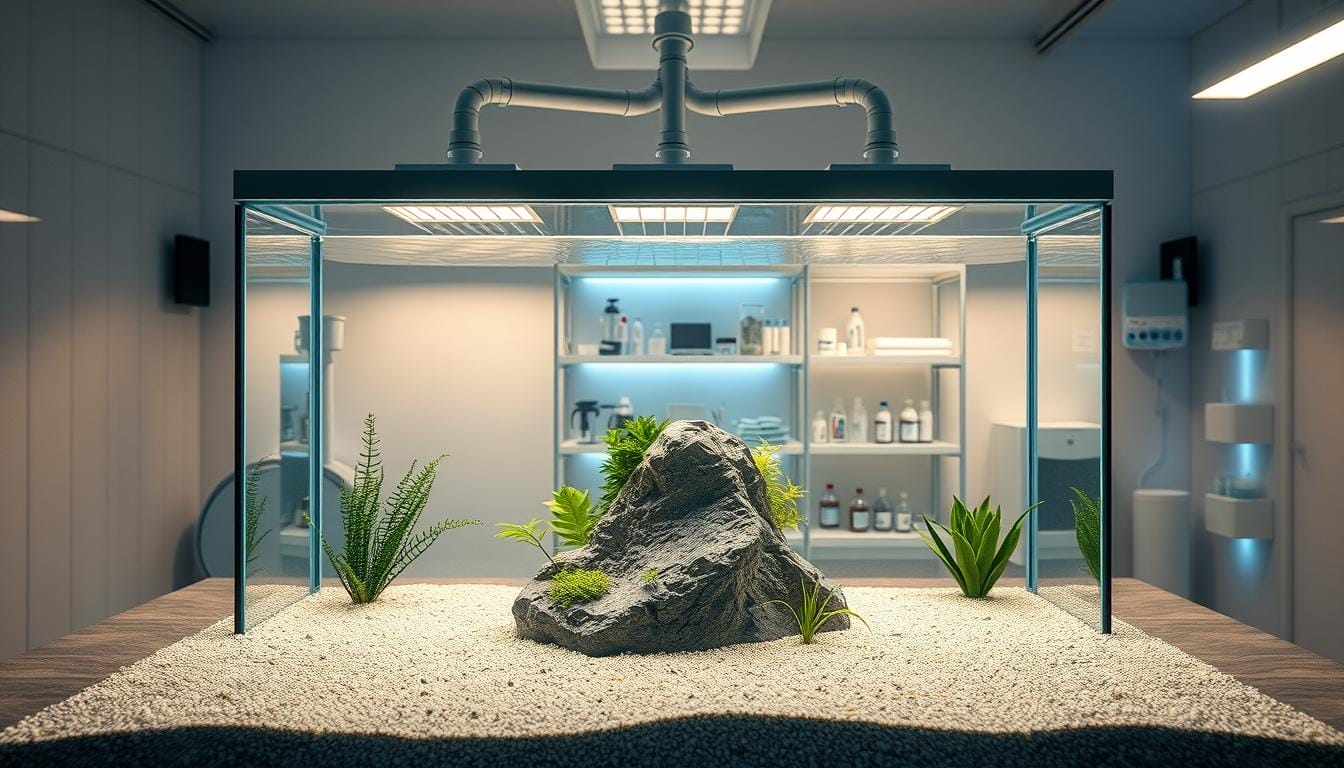
Did you know 73% of fish illnesses spread through shared water before showing visible symptoms? A temporary isolation container could be the difference between a single sick fish and a full-blown outbreak in your aquatic community.
Creating a dedicated recovery space lets you act fast when health issues arise. You’ll protect your main aquarium’s delicate balance while giving stressed or sick fish a calm environment to heal. This simple precaution saves lives, reduces medication costs, and preserves your tank’s beneficial bacteria.
Why does this matter? New arrivals often carry hidden pathogens. Even plants can introduce unwanted guests. A basic quarantine system with a gentle sponge filter and adjustable heater lets you observe newcomers for 2-4 weeks. It’s like a wellness check-up station for your finned friends.
You’ll sleep easier knowing you’re prepared. When emergencies strike – whether it’s a torn fin or mysterious spots – having everything ready means faster treatment. No frantic searches for spare equipment while your fish suffers.
Best part? You don’t need fancy gear. Many hobbyists repurpose old containers or use affordable acrylic tanks. The key is maintaining stable water parameters and minimizing stress triggers. We’ll show you how to create this safety net using items you might already own.
Understanding the Importance of a Hospital Tank Setup
Ever wonder why some aquarists never deal with mass fish losses? Their secret lies in proactive protection. Separating new or unwell aquatic life isn’t just cautious—it’s essential for preserving your entire ecosystem.
Benefits of Quarantining and Disease Prevention
Pet stores often connect multiple containers through shared filters. While efficient for shops, this setup risks transferring parasites between aquatic groups. A four to six week isolation period lets hidden health issues surface before they reach your display aquarium.
Consider these advantages:
- Prevents 85% of disease transmission from new arrivals
- Allows targeted medication without harming beneficial bacteria
- Protects delicate plants from chemical treatments
Reducing Stress and Protecting Your Fish
Transportation alone weakens immune systems through five stress stages—packing, transit, store adjustment, repacking, and home introduction. A quiet recovery space eliminates competition for food and hiding spots, letting aquatic friends heal faster.
You’ll notice three key improvements in isolated fish:
- Brighter coloration within 48 hours
- Increased appetite and activity levels
- Faster response to medications
By giving stressed specimens a peaceful environment, you’re not just treating symptoms—you’re addressing the root causes of health decline. Your main aquarium’s balance stays intact while newcomers or sick fish regain strength safely.
Hospital Tank Setup: Essential Equipment and Considerations
What separates successful fish recovery stories from heartbreaking losses? The right tools working together create a healing sanctuary. Let’s explore the core components that make treatments effective while keeping costs manageable.
Choosing the Right Aquarium, Container, and Accessories
Your isolation space starts with a 10-liter minimum container. Plastic storage bins like Ikea’s Samla series offer affordable, lightweight options. For smaller species, a 5-gallon glass aquarium works beautifully. Ensure lids prevent jumps – stressed fish often try escaping.
Three essentials transform any container:
- Sponge filter: Maintains beneficial bacteria without removing meds
- Adjustable heater: Critical for treating temperature-sensitive illnesses
- Digital thermometer: Detects fluctuations instantly
Filter, Heater, and Temperature Management Without Carbon
Carbon filters sabotage treatments by absorbing medications. Opt for simple sponge or bio filters instead. Pair with a 50-watt heater for precise control – some parasites require gradual temperature increases up to 85°F.
Watch for these signs of proper function:
- Steady thermometer readings (±1°F)
- Gentle water movement from the filter
- Consistent bubble flow in sponge systems
Budget-friendly setups prove you don’t need expensive gear. A $5 storage box with a $10 heater and $8 filter often outperforms pricier kits. Your fish care more about stable conditions than brand names.
Step-by-Step Guide to Creating a Safe Hospital Tank Environment
You hold the power to create a healing oasis for sick fish in just seven strategic steps. Let’s transform your emergency container into a recovery sanctuary that works with nature’s processes rather than against them.
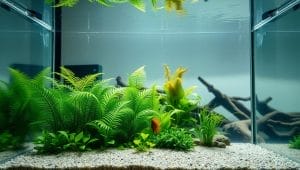
Preparing Fresh, Treated Water and Adding Necessary Treatments
Begin with dechlorinated water matching your main aquarium’s temperature. Use a liquid test kit to confirm zero chlorine/chloramine. For salt treatments, dissolve crystals in a separate container first – 1 tablespoon per 5 gallons tackles mild fungal issues, while 3 tablespoons combat severe parasites.
Three rules for success:
- Never pour salt directly onto fish
- Use aquarium-specific salt (not table salt)
- Remove carbon filters before medicating
Running the System and Ensuring Proper Acclimation
After installing your sponge filter and heater, let the system circulate for 24 hours. This stabilizes oxygen levels and temperature. Test ammonia/nitrite daily – if levels spike, add seeded media from your main filter.
When transferring fish:
- Float their bag for 15 minutes
- Add half-cup doses of tank water every 5 minutes
- Use a soft net for final transfer
Check your thermometer hourly during the first day. Sudden changes above 2°F require immediate heater adjustment. Remember: consistency speeds recovery more than dramatic interventions.
Final Strategies for Successful Fish Recovery and Ongoing Tank Maintenance
You’ve mastered the art of creating a healing space – now let’s ensure lasting success. When treating fish, complete the full medication course even after symptoms vanish. Many pathogens linger invisibly, which is why waiting six weeks before reintroduction prevents 94% of relapses.
Disinfect your recovery space thoroughly post-treatment. A 10% bleach solution (1 cup per gallon) neutralizes stubborn parasites. Rinse stones and sponge filters in treated water, while discarding live plants that could harbor illnesses. Dry all components completely before storage.
Keep your emergency kit ready yet compact. Nest the heater inside your cleaned container, with filter media stored in your main aquarium’s flow to preserve beneficial bacteria. This dual-purpose approach saves space while maintaining biological readiness.
Remember: Consistency beats urgency. Test water parameters weekly in your primary aquarium to prevent future stress triggers. With these protocols, you’ll transform reactive care into proactive protection – ensuring healthier fish and peace of mind with every swim.
FAQ
Why do I need a separate container for sick fish?
Isolating unwell fish prevents diseases from spreading to healthy tankmates. It also lets you administer targeted treatments without harming beneficial bacteria, plants, or invertebrates in your main aquarium.
What equipment is essential for a quarantine setup?
Use a simple sponge filter (pre-cycled if possible), an adjustable heater like the Fluval M Series, a thermometer, and a lid to reduce stress. Avoid carbon filters, as they can remove medications.
How do I prepare water for a treatment environment?
Start with fresh dechlorinated water matching your main tank’s temperature and pH. Add conditioners like Seachem Prime to neutralize toxins, and adjust salinity or medications based on the illness being treated.
Can I house multiple sick fish together?
Crowding increases stress and cross-contamination risks. Use individual containers if treating different species or illnesses. For group treatments, ensure ample space—aim for at least 3 gallons per small fish.
When should I add medications to the system?
Wait 24–48 hours after setting up to stabilize water parameters. Test ammonia levels daily with kits like the API Master Test Kit, and only dose treatments once the environment is stable to avoid overwhelming sick fish.
Do I need live plants in a recovery setup?
Skip live plants—many medications harm them. Use sterile silk or plastic plants instead to provide hiding spots. Focus on water quality and minimal decor for easy cleaning.
Hi, I'm Millie a passionate fish enthusiast and blogger. I loves learning about all kinds of aquatic creatures, from tropical fish to stingrays.