
Clown Killfish 101: A Beginner’s Guide
 Millie Douglas
Updated on: September 23, 2024 .
9 min read
Millie Douglas
Updated on: September 23, 2024 .
9 min read
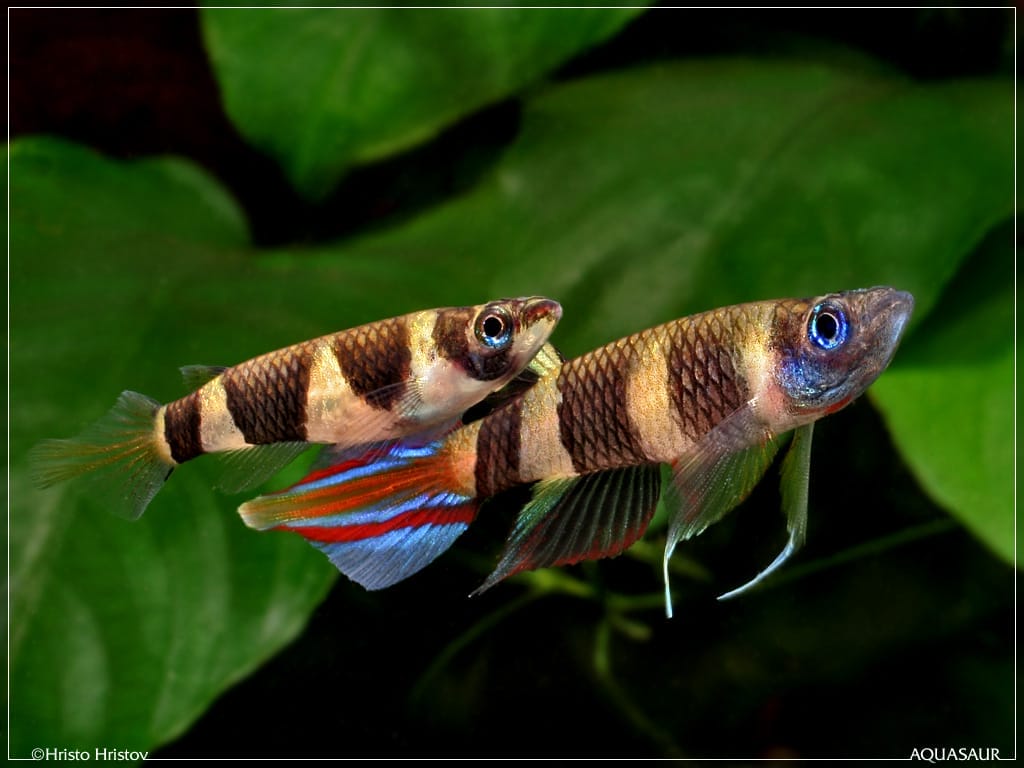

Clown Killfish are small fish that usually grow to around 1.4 inches in length. They may be tiny, but their bright colors and lively actions make them eye-catching in any aquarium. Watching them play with other fish or feed at the surface is truly delightful.
Taking care of Clown Killfish is quite simple, but it’s important to know their specific needs. Giving them the right environment and care will help them thrive. This ensures that they will bring joy to their owners for many years.
Species Overview and Natural Habitat
The Clown Killfish has a scientific name of Epiplatys annulatus. This fish comes from the Nothobranchiidae family. They are found in the warm waters of West Africa, mainly in Sierra Leone, Guinea, and Liberia. In nature, they live in slow-moving streams and swamps that have a lot of plants.
These areas usually have soft, slightly acidic water and low light. If you want to keep Clown Killfish, it’s important to recreate these conditions in your home aquarium.
A planted tank can make your aquarium look nice. It can also help the fish feel comfortable. Having plants gives the fish a chance to show their natural behaviors and helps reduce their stress.
Physical Characteristics and Varieties
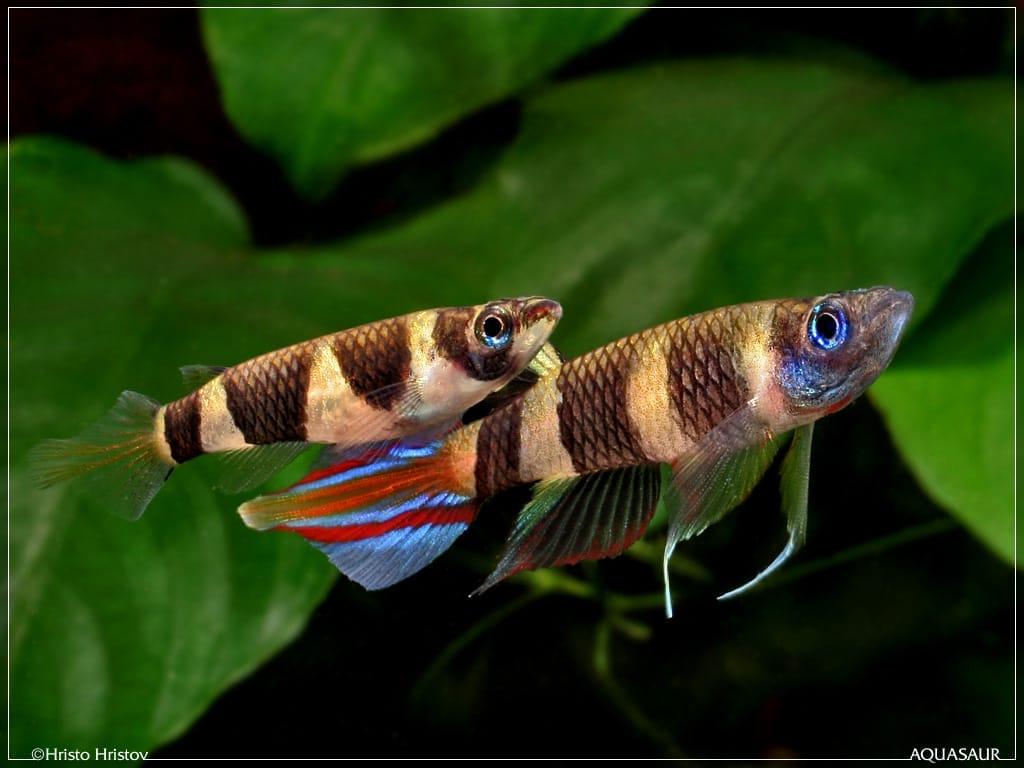
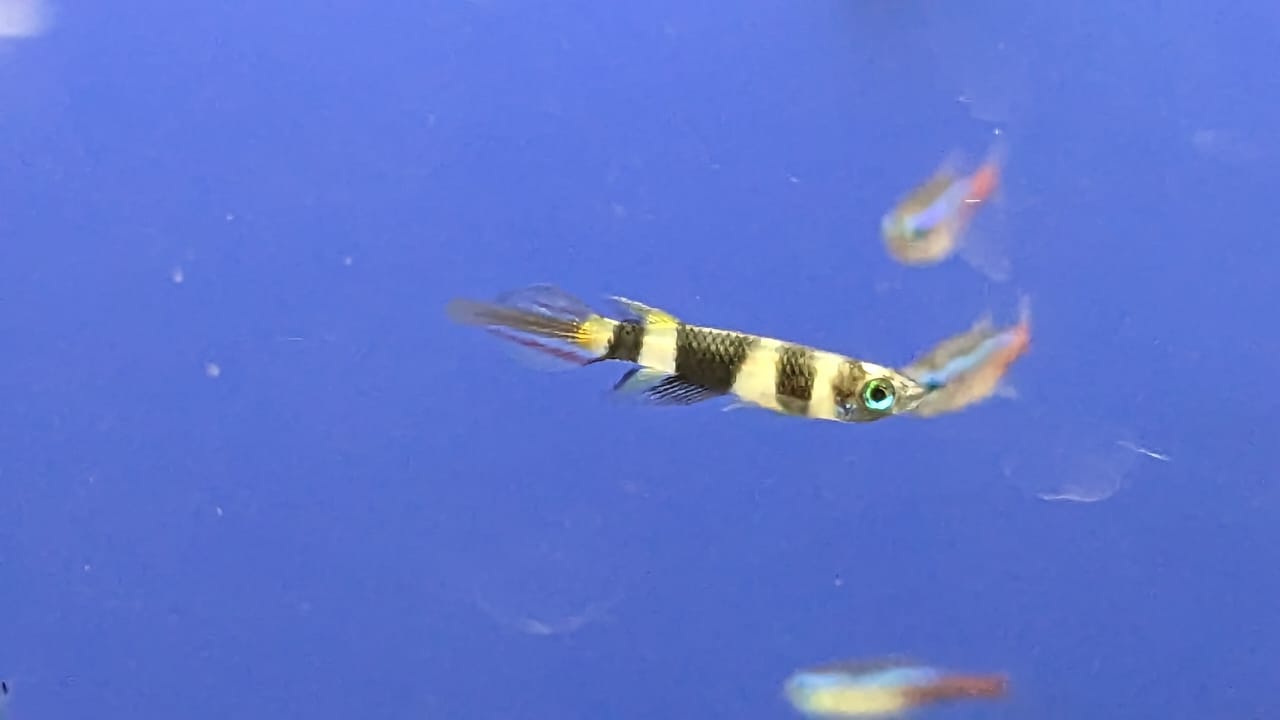
Clown Killfish stand out because of their bright colors. Their bodies have alternating stripes of yellow-brown and dark brown, similar to a clown’s outfit.
What makes them unique is their lively tails that have shades of bright orange, red, and blue. Males usually show stronger colors and have longer fins than females.
There are no official types of Clown Killfish in the aquarium trade, but you can see slight differences in their color intensity and patterns. This adds to their appeal.

Read More : Top 24 Nano Fish Perfect for Your Small Tank
Setting Up the Perfect Aquarium
Setting up a good aquarium for Clown Killfish means taking time to think about things like tank size, water parameters, filtering, and decorations. If you can make their home as similar to nature as possible, it will help them act naturally and stay healthy. A clean and nice-looking aquarium doesn’t just look great; it also helps the fish live longer and healthier.
Choosing the Right Tank Size
Although Clown Killifish are tiny, they need a big tank for good health. This is especially true if you keep them in groups, which is a good idea. For a small group, a tank of at least 5 gallons is best. A tank of 10 gallons or more is even better. It gives the fish enough space to swim and helps reduce stress.
These fish like to stay at the top of the water, meaning they spend most of their time near the surface. Having a larger area at the top helps them get more oxygen and feel less cramped.
If the tank is too crowded, it can cause dirty water, fights between the fish, and a higher chance of getting sick. So, picking the right tank size is important for keeping Clown Killifish healthy and happy.
Essential Water Parameters and Filtration
Clown Killfish are truly remarkable due to their vibrant and eye-catching colors. Their bodies feature striking stripes in hues of yellow-brown and dark brown, resembling the attire of a clown.
However, what sets them apart is their dynamic tails adorned with vivid shades of orange, red, and blue. Typically, males exhibit more intense colors and boast longer fins compared to their female counterparts.
While there are no formally recognized variations of Clown Killfish in the aquarium industry, enthusiasts may notice subtle distinctions in color saturation and patterns among individuals. This variability only adds to the allure of these captivating fish for hobbyists and collectors alike.

The Beginner’s Guide to Clown Killifish Care
Caring for Clown Killfish is easy. This makes them a great choice for new and experienced fish keepers. You can create a happy home for these interesting fish by following some simple steps.
To keep your fish healthy and let them live longer, stick to a regular routine. This includes doing water changes often, feeding them well, and watching them closely.
Step 1: Gathering Your Equipment
Before you get your Clown Killfish, you need to have the right gear for taking care of them. You will need a proper-sized aquarium, a gentle filter, a heater if necessary, a thermometer, some light, and testing kits for water parameters.
You might want to try using an aquarium app. This app can help you track water changes, feeding times, and other important tasks. It is helpful for both new and more experienced fish owners. The app gives you reminders and useful information right away.
Choosing good-quality equipment is important to keep your fish healthy and safe. Also, using reliable testing kits lets you check water quality closely. This helps avoid problems with your aquarium.
Also Read: Discover the World of Goldfish
Step 2: Cycling Your Tank
Cycling your tank is very important for creating a good home for your Clown Killfish. This process helps to grow helpful bacteria. These bacteria break down harmful substances like ammonia and nitrites that come from fish waste.
- Add an ammonia source: You can use fish food or a store-bought ammonia solution to start the cycling process.
- Test water parameters: Keep checking the levels of ammonia, nitrite, and nitrate with a testing kit.
- Perform water changes: Change out 20-25% of the water weekly to keep it clean.
Cycling a tank usually takes about 4-6 weeks. When ammonia and nitrite levels reach zero and you see nitrates, your tank is cycled and ready for your Clown Killfish.
Step 3: Introducing Your Clown Killifish
After you get your Clown Killfish, it’s important to help them get used to their new home slowly. This step is key for reducing stress and stopping sudden changes in water parameters.
Start by floating the bag with the fish in your aquarium for 15-20 minutes. This helps match the temperatures. Then, every 10-15 minutes, add a little bit of tank water to the bag over one hour. This gradual mix helps the fish adjust to the new water chemistry.
When the fish are ready, gently release them into their new space. Don’t pour the water from the bag directly into your tank. It might have harmful stuff in it.

Diet and Nutrition
Clown Killfish are small predators. They mainly eat tiny insects and small animals without backbones. In their natural habitat, they feed on food that falls onto the surface of the water.
In a home aquarium, you need to give them a mixed and healthy diet. This diet should include live food, frozen food, and high-quality flakes or pellets.
Feeding Guidelines
Feeding your Clown Killfish twice daily with small amounts is a good idea. Don’t overfeed them. Overfeeding can cause problems with water quality. Watch how they respond while feeding and change the amount if needed.
A mixed diet is important for their health. Foods like live or frozen brine shrimp, daphnia, bloodworms, and blackworms are great options.
While they can eat high-quality flake or pellet foods, these should not be their only food. Adding live or frozen foods to their diet gives them necessary nutrients and helps them behave like they do naturally while feeding.
Also Read: Purple Firefish Goby Care Tips and Tricks
Recommended Foods and Supplements
Offering a balanced diet is very important for keeping your Clown Killfish healthy and colorful. Here are some foods and supplements you can use:
- Live foods: Brine shrimp, daphnia, bloodworms, blackworms, grindal worms, and fruit flies.
- Frozen foods: Frozen versions of the live foods listed above.
- High-quality flake or pellet food: Pick a good brand that is made for killifish or small, meat-eating fish.
Now and then, you can add a few extras to their diet:
- Spirulina flakes: These help improve their color.
- Finely chopped vegetables: These add extra nutrients.
Conclusion
In conclusion, Clown Killifish are great for aquariums. They have bright colors and interesting behaviors. To help these lovely fish thrive, you should know about their natural habitat, physical traits, and care needs.
By setting up the right tank, feeding them well, and checking on them often, you can enjoy the beauty of Clown Killifish in your tank. If you want to add them to your aquarium, make sure to follow the guidelines for their care. Caring for these amazing fish can bring you joy and help you create a happy aquarium ecosystem.

Frequently Asked Questions
How often should I feed my Clown Killifish?
Feed your Clown Killfish two times a day. Give them small amounts that they can eat in a few minutes. This two-time feeding plan, along with a healthy and different diet, helps them get enough nutrition.
Can Clown Killifish live with other species?
Yes, Clown Killfish are mostly calm. They get along well with other peaceful fish that are similar in size. It is best to stay away from aggressive fish, especially larger ones that eat other fish, like certain cichlid types.
What are the signs of a healthy Clown Killifish?
A healthy Clown Killfish (Epiplatys annulatus) shows bright colors and swims actively. It should have good appetite and clear eyes and fins. If you notice any changes in its behavior or looks, it might be stressed or sick.
How do I deal with common health issues?
The best way to deal with health problems is to prevent them. You can keep your aquarium healthy by ensuring good water quality. Make sure your killifish have a proper diet. It’s also important to watch your killifish for any signs of sickness. This can help stop most issues before they happen.
How long do Clown Killifish typically live?
Clown Killifish, also known as Epiplatys annulatus, can live for up to 5 years if they receive good care and are in the right aquarium setting. To help them live longer, it is important to keep the water clean and give them a balanced diet.
Hi, I'm Millie a passionate fish enthusiast and blogger. I loves learning about all kinds of aquatic creatures, from tropical fish to stingrays.