
Avoid Oxygen Depletion: Tips for a Healthy Aquarium
 Millie Douglas
Updated on: December 1, 2025 .
16 min read
Millie Douglas
Updated on: December 1, 2025 .
16 min read
What if the most critical element for your aquarium’s health is completely invisible? Many aquarium owners focus on what they can see—clean glass, vibrant fish, and clear water. But the real foundation of a thriving aquatic environment lies in something you can’t see at all.
Maintaining proper oxygen levels is the unsung hero of aquarium success. Every living creature in your tank, from your favorite fish to the beneficial bacteria that keep your ecosystem balanced, depends on this vital element. When oxygen depletion occurs, it can quietly threaten your entire aquatic world.
This comprehensive guide will walk you through everything you need to know about managing your aquarium’s oxygen. You’ll learn practical strategies that work for both beginners and experienced hobbyists. We’ll show you how to spot warning signs early and maintain the perfect balance in your tank water.
By the end, you’ll feel confident in your ability to create a healthy aquarium that thrives year-round. We’re here to support you with simple, effective tips that make aquarium care both accessible and enjoyable.
Understanding Oxygen Depletion in Aquariums
The air we breathe contains about 21% oxygen, but your aquarium operates on a completely different scale. Good quality water holds only about 7 parts per million of dissolved gas. That’s just 0.0007% compared to atmospheric levels.
This tiny concentration makes proper gas balance critically important for your aquatic pets. When saturation drops below 30%, your fish enter hypoxic conditions. They can’t extract enough dissolved gas to survive properly.
Your fish face unique challenges compared to land animals. Unlike you who can move to fresh air, they depend entirely on what’s dissolved in their environment. This fundamental difference highlights why monitoring is essential.
Low oxygen conditions create serious health risks for your aquarium inhabitants. Stress, illness, and even loss of consciousness can occur when levels fall between 1% and 30% saturation. Understanding these basics helps you appreciate why gas management isn’t optional.
The good news is that with proper knowledge and monitoring, you can easily prevent deficiency issues. Your awareness of these risks is the first step toward maintaining a thriving aquatic system.
The Science Behind Oxygen Levels and Water Quality
The secret to a thriving aquarium lies in understanding the delicate dance of gases in water. These invisible processes work together to create the perfect environment for your aquatic friends.
Your aquarium is a living system where multiple forces interact constantly. Each element plays a role in maintaining balance.
Biological and Chemical Processes
Every living creature in your tank participates in important biological processes. Your fish breathe, beneficial bacteria break down waste, and plants consume gases during different times of day.
Chemical processes also affect your water’s gas concentration. The breakdown of organic matter and interactions between different gases create a dynamic system. Understanding these processes helps you maintain stability.
Interactions Between Gases and Water
Gas exchange happens right at your water’s surface. Atmospheric gases dissolve into your aquarium when they make contact. This natural process constantly refreshes your tank’s supply.
Water temperature significantly impacts how much gas your aquarium can hold. Cooler water maintains higher concentrations than warmer water. Proper circulation distributes these gases evenly throughout your tank.
By understanding these scientific principles, you can make informed decisions about filtration and aeration. This knowledge transforms aquarium care from guesswork to precision.
Identifying Common Causes of Oxygen Depletion
Many common aquarium habits, while well-intentioned, can accidentally create a risky environment for your fish. Recognizing these causes early is your best strategy for prevention.
You’ll find that challenges come from two main areas: natural processes within your tank’s ecosystem and conditions influenced by your care routine.
Natural Factors in Aquatic Systems
Your aquarium is a living world with its own daily rhythms. At night, your plants switch from producing oxygen to consuming it through respiration.
Bacterial decomposition of waste and the natural metabolism of your fish and invertebrates also constantly use up dissolved gases. These are normal processes in all aquatic systems.
Human-Influenced Conditions
Several care mistakes can accelerate gas loss. Overstocking your tank is a primary culprit. Too many fish consume more air and produce more waste.
Overfeeding creates excess organic matter. As it decays, bacteria consume large amounts of oxygen. Poor water circulation creates stagnant zones where depletion happens quickly.
High water temperatures pose a double threat. They increase your fish’s metabolic needs while reducing the water’s capacity to hold dissolved gas. Imbalances in the nitrogen cycle can also cause bacterial spikes that rapidly lower levels.
By understanding these risks, you can maintain proper stocking, feeding, and circulation to avoid dangerous conditions.
Effective Strategies for Maintaining Optimal Oxygen Levels
Successful aquarium management comes down to mastering a few key techniques for gas circulation. You have several proven strategies that work together to create a stable environment. Implementing even a couple of these methods will dramatically improve your tank’s health.
Aeration and Water Circulation Techniques
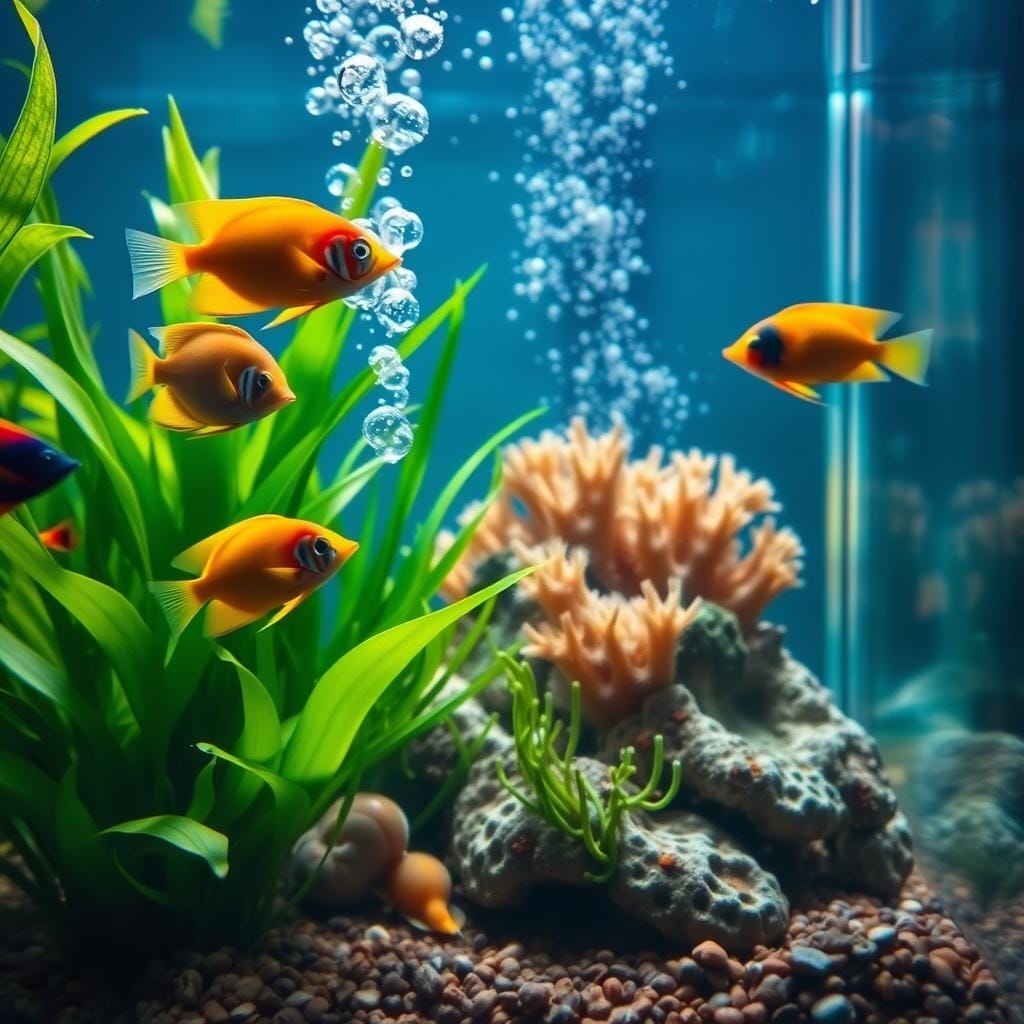
Aeration serves as your first line of defense. Equipment like air stones and bubble walls actively inject vital gases while creating surface agitation. This movement promotes essential gas exchange at the water’s surface.
Water circulation prevents stagnant zones where gas levels can drop dangerously. Powerheads and wavemakers ensure properly oxygenated water reaches every corner. For comprehensive aquarium aeration techniques, these tools work together seamlessly.
Water Filtration and Quality Enhancements
Your filtration system performs double duty in maintaining gas balance. It mechanically circulates water while biologically processing waste. This reduces oxygen-consuming decomposition processes.
Positioning your filter output at the water surface creates beneficial turbulence. Live plants also contribute during daylight hours through natural photosynthetic processes. Regular water changes refresh gas levels while maintaining overall quality.
These strategies form layers of protection that work best when combined. They create the stable conditions your aquatic pets need to thrive.
The Impact of Carbon Dioxide and Other Gases on Your Aquarium
While oxygen gets most of the attention, other gases play crucial roles in your aquarium’s health. Understanding this invisible world helps you create the perfect environment for your aquatic friends.
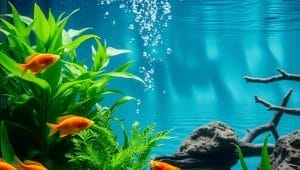
Role of Carbon Dioxide Imbalances
Carbon dioxide has a dual personality in your tank. Your plants need it for growth, but too much creates problems. High levels can lower your water’s pH and compete for space with vital oxygen.
You’ll notice carbon dioxide imbalances from overcrowding or poor surface movement. These conditions shift your tank’s delicate gas equilibrium. When CO2 rises, your water becomes more acidic.
This acidity stresses your fish and makes it harder for them to breathe. Even with adequate oxygen present, high carbon dioxide levels create challenging conditions.
Influences of Nitrogen and Inert Gases
Nitrogen gas enters your aquarium naturally from the atmosphere. While harmless itself, its compounds tell a different story. Ammonia and nitrite breakdown consumes significant oxygen.
Inert gases don’t typically affect home aquariums like industrial settings. But understanding that various gases compete for space helps you appreciate balance. All these invisible elements work together.
You can manage carbon dioxide through strong surface agitation and live plants. This releases excess CO2 to the atmosphere while maintaining consumption. Monitoring pH gives you clues about CO2 levels.
The balance between all gases creates the stable aquatic environment your fish need. Proper management ensures every creature thrives in your care.
How to Monitor Oxygen Concentration in Aquatic Systems
Modern tools give you a window into your aquarium’s most vital parameter, letting you see what’s happening beneath the surface. Regular monitoring ensures your aquatic friends always have the clean, healthy environment they deserve.
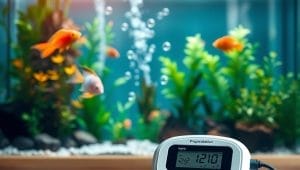
You have several options for tracking your tank’s health. Simple test kits provide weekly check-ups, while advanced electronic systems offer continuous protection. The right choice depends on your setup and comfort level.
Choosing Reliable Oxygen Deficiency Monitors
When selecting monitoring equipment, look for devices designed specifically for aquarium use. Quality oxygen deficiency monitors track dissolved levels in real-time across a wide range.
Many modern monitors detect concentrations from 0-23% saturation. They feature digital displays and safety alarms that activate when levels drop below safe thresholds. This gives you early warning before fish face danger.
Consider devices with both audible and visual alerts. Some advanced systems can even trigger automated responses like turning on air pumps. CO2Meter offers reliable options with built-in safety features.
Interpreting Real-Time Readings
Understanding your monitor’s data helps you maintain perfect balance. Healthy aquarium oxygen concentration should stay above 5-6 mg/L for most tropical species.
Watch for patterns in your readings. You might notice dips at night when plants aren’t producing, or after feeding when bacterial activity increases. These insights help you optimize your care routine.
Digital monitors show trends over time, revealing how maintenance practices affect your system. This knowledge transforms guessing into confident aquarium management.
Regulatory Guidelines and Safety Standards for Aquatic Environments
The same principles that protect workers in confined spaces apply directly to your fish’s underwater home. Professional safety guidelines offer crucial insights for maintaining healthy aquatic environments.
The Occupational Safety and Health Administration defines dangerous atmospheres as containing less than 19.5% vital gas. While your aquarium operates differently, the principle of maintaining adequate levels remains equally important.
OSHA and Government Regulations
Industrial government regulations require monitoring systems in areas where stored gases might displace breathable air. This concept parallels how your fish live in tank water with no access to fresh air.
The safety health administration emphasizes that when oxygen levels fall, loss consciousness can occur without warning. Fish can similarly perish suddenly when gas concentrations drop dangerously low.
Implementing Safety Measures in Confined Spaces
Your aquarium represents a confined space requiring active gas management. Building inspectors now mandate alarms where inert gases are stored because small leaks can create significant risks.
You can apply these professional standards by installing monitors and maintaining backup aeration systems. Prevention always beats reaction—by the time deficiency causes visible problems, it may be too late to save your aquatic pets.
Adopting this safety-first mindset ensures your aquarium remains a thriving environment where gas concentrations never levels fall to dangerous points. These occupational safety health lessons translate directly to protecting your underwater community.
Case Studies: Preventing Oxygen Depletion in Various Settings
You might be surprised to discover how many industries face the same gas management challenges as your aquarium. Learning from these real-world examples gives you powerful strategies for maintaining healthy conditions in your aquatic environment.
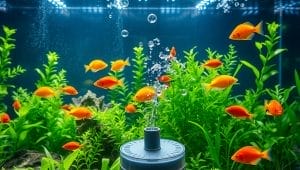
Different settings teach us valuable lessons about preventing dangerous gas imbalances. These insights help you create a safer home for your fish.
Industrial and Medical Environments
Restaurants with large CO2 tanks for carbonating beverages must monitor for oxygen deficiency. A gas leak in confined spaces can displace breathable air quickly.
Medical facilities like MRI centers use liquid nitrogen for cooling. They require sophisticated monitoring systems to prevent low oxygen conditions. These industrial settings show how non-toxic gases can create risks simply by displacement.
Natural Water Bodies and Engineered Systems
Natural systems like estuaries demonstrate that oxygen depletion can occur without pollution. Water stratification traps fresher water above denser salt water, limiting gas exchange.
Alaskan lakes show that low oxygen under ice is most severe in the first month. This teaches us that enclosed systems need extra attention. Aquaculture farms have developed advanced aeration techniques you can adapt for your home aquarium.
These diverse examples share one key lesson: preventing oxygen deficiency requires active monitoring and proper circulation. Your awareness of these principles helps you maintain optimal water quality for your aquatic pets.
Techniques for Testing and Adjusting Oxygen Levels
Regular monitoring transforms aquarium care from guesswork into precise, proactive management. You’ll gain valuable insights that help you maintain perfect conditions for your aquatic friends.
Regular Testing Protocols
Establish a consistent testing schedule to understand your tank’s natural rhythms. Check oxygen levels in the morning when they’re typically lowest. Test again in the evening after a full day of plant activity.
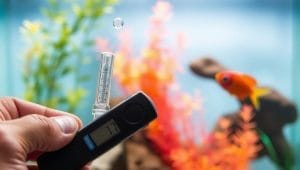
Quality test kits or electronic monitors provide accurate baseline readings. When levels drop below your target range (5-6 mg/L minimum), take immediate action. Increase surface agitation or perform a partial water change.
Utilizing Alarm and Safety Systems
Modern monitors with audible visual alarm systems offer peace of mind. They alert you when oxygen level drops below safe thresholds. This gives you time to respond before your fish face any risk.
Some advanced systems can automatically trigger backup equipment. They work similarly to industrial safety systems that control ventilation. Following established guidelines for testing frequency helps you stay ahead of potential issues.
Keep a log of your readings along with maintenance notes. This helps identify patterns in your monitoring data. For professional-grade testing equipment, consider BOD/DO probes that provide laboratory-level accuracy.
These testing techniques create your safety net. They ensure you catch and correct issues before they threaten your aquatic pets. Your consistent monitoring makes all the difference in maintaining a healthy environment.
Seasonal Effects on Oxygen Levels in Aquariums
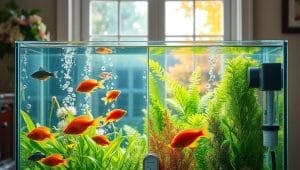
Your aquarium doesn’t exist in a vacuum—it responds to the changing seasons just like the natural world outside your window. As temperatures shift throughout the year, your tank’s ability to maintain healthy oxygen levels changes significantly. Understanding these patterns helps you stay ahead of potential challenges.
You’ll notice that different seasons bring unique considerations for your aquatic environment. Being prepared for these changes makes you a more confident aquarium keeper.
Winter Stratification and its Impact
During colder months, your home’s heating system can create interesting dynamics in your tank. Warmer water tends to stay at the surface while cooler water settles below. This creates layers that don’t mix as well as they should.
In larger aquariums, this stratification can lead to lower oxygen concentrations in the bottom layers. Your fish may avoid these cooler areas, limiting their swimming space. Increasing water movement during winter helps prevent this separation.
Summer Oxygen Variations
Summer brings the opposite challenge—warmer room temperatures heat your aquarium water, reducing its capacity to hold dissolved gas. At the same time, your fish’s metabolism increases, creating higher demand.
This combination makes summer the riskiest season for gas depletion. You’ll want to boost aeration during heat waves and monitor your tank more frequently. Algae growth also accelerates with longer daylight hours, creating bigger swings between day and night.
By recognizing these seasonal patterns, you can adjust your care routine proactively. Your awareness of how the atmosphere around your tank affects its health ensures stable conditions year-round.
Nutrient Management and Its Role in Oxygen Balance
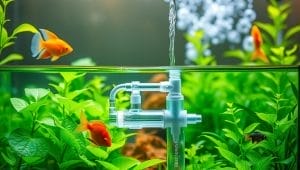
Managing nutrients might seem like a simple feeding routine, but it’s actually the cornerstone of maintaining healthy gas levels. Your aquarium operates as a complete ecosystem where every input creates a ripple effect.
When you control nutrient inputs effectively, you prevent the chain reaction that leads to gas imbalance. This approach keeps your aquatic environment stable and thriving.
Controlling Eutrophication for Better Oxygenation
Eutrophication occurs when excess nutrients overload your system. This triggers rapid algae and bacterial growth that consumes vital gases through respiration.
These natural processes become problematic when nutrient concentration gets too high. The microbial activity can deplete resources faster than they’re replenished.
Algae blooms create dangerous swings—high during daytime photosynthesis but severe at night. Managing this cycle prevents stressful conditions for your fish.
Reducing Excess Nutrient Inputs
You have direct control over nutrient sources in your aquarium. Nitrogen enters through fish waste, decaying matter, and overfeeding.
Simple practices make a huge difference:
- Feed only what your fish consume in 2-3 minutes
- Perform weekly 20-30% water changes
- Maintain your filter to remove waste promptly
These steps prevent the nutrient overload that research shows can lead to oxygen depletion in aquatic systems. Your consistent management creates clearer water and healthier fish.
Innovations in Oxygen Monitoring and Technology
Imagine having a digital guardian that watches over your fish 24/7, alerting you to potential issues before they become emergencies. Today’s oxygen monitoring technology brings this peace of mind within reach.
Modern monitors connect directly to your smartphone, letting you check tank conditions from anywhere. Wireless systems send instant alerts if levels change, giving you time to respond.
New optical sensors use light instead of chemicals, providing stable readings with minimal maintenance. Many only need calibration every few months rather than weekly checks.
Researchers at TU Bergakademie Freiberg developed predictive models that forecast gas changes in lakes. This same technology is now adapting for home aquariums, considering temperature and stocking levels.
Smart controllers can automatically increase aeration when sensors detect changes. This integrated approach prevents problems before they affect your fish.
You no longer need to guess about your aquarium’s health. Continuous oxygen monitoring is becoming the new standard for confident fish keeping.
Final Thoughts on Safeguarding Your Aquarium’s Oxygen Balance
The path to aquarium mastery becomes clear when you recognize that consistent, simple practices create lasting success. You now understand that maintaining proper oxygen levels isn’t about complex science—it’s about regular attention to your tank’s needs.
Your commitment to safety should always come first. Consider adding basic monitoring equipment to your routine. This becomes especially important during emergencies like power outages when your filtration system stops working.
Remember that even small improvements make a big difference. Better surface agitation, regular water changes, and mindful feeding all contribute to stable conditions. Your consistent care prevents oxygen depletion before it becomes a problem.
You’re now equipped with the knowledge to create a thriving environment where your fish can flourish. Trust your growing instincts, but never stop monitoring—this balance of intuition and verification ensures long-term safety for your aquatic friends.
FAQ
How can I tell if my fish are suffering from low oxygen levels?
Your fish will show clear signs of distress. Watch for them gasping at the water’s surface, moving their gills very rapidly, or appearing unusually lethargic. These behaviors mean they are struggling to breathe, and you need to act quickly to improve water quality and gas exchange.
What is the easiest way to increase gas concentration in my tank?
Improving aeration is your best first step. You can add an air stone, adjust your filter output to agitate the water surface more, or perform a partial water change with fresh, temperature-matched water. These simple actions boost the essential gas exchange that keeps your aquatic pets healthy.
Are there specific filters that are better for maintaining good water quality?
Yes, filters that create significant surface movement are excellent. Canister filters with spray bars or power filters that disturb the water’s surface are great choices because they enhance the transfer of gases. Good filtration is key to managing waste and preventing conditions that lead to poor water quality.
How does water temperature affect my aquarium’s environment?
Warmer water holds less dissolved gas than cooler water. In summer, high temperatures can reduce the amount of vital gases available, stressing your fish. Using a reliable aquarium chiller or fan can help maintain a stable, safer temperature for your aquatic life.
What should I do if my oxygen deficiency monitor’s alarm sounds?
An audible or visual alarm is a serious warning. Immediately increase aeration by turning on additional air pumps, perform a water change, and check your equipment for failures. Always prioritize your safety and the well-being of your pets by responding promptly to any alarm.
Aerating fish tank waterAquarium oxygen levelsAquarium oxygenationFish tank aerationHealthy aquarium tipsOxygenating aquarium plantsPrevent oxygen depletion
Hi, I'm Millie a passionate fish enthusiast and blogger. I loves learning about all kinds of aquatic creatures, from tropical fish to stingrays.