
Fish That Eat Algae: Your Guide to a Cleaner Aquarium
 Millie Douglas
Updated on: December 1, 2025 .
11 min read
Millie Douglas
Updated on: December 1, 2025 .
11 min read
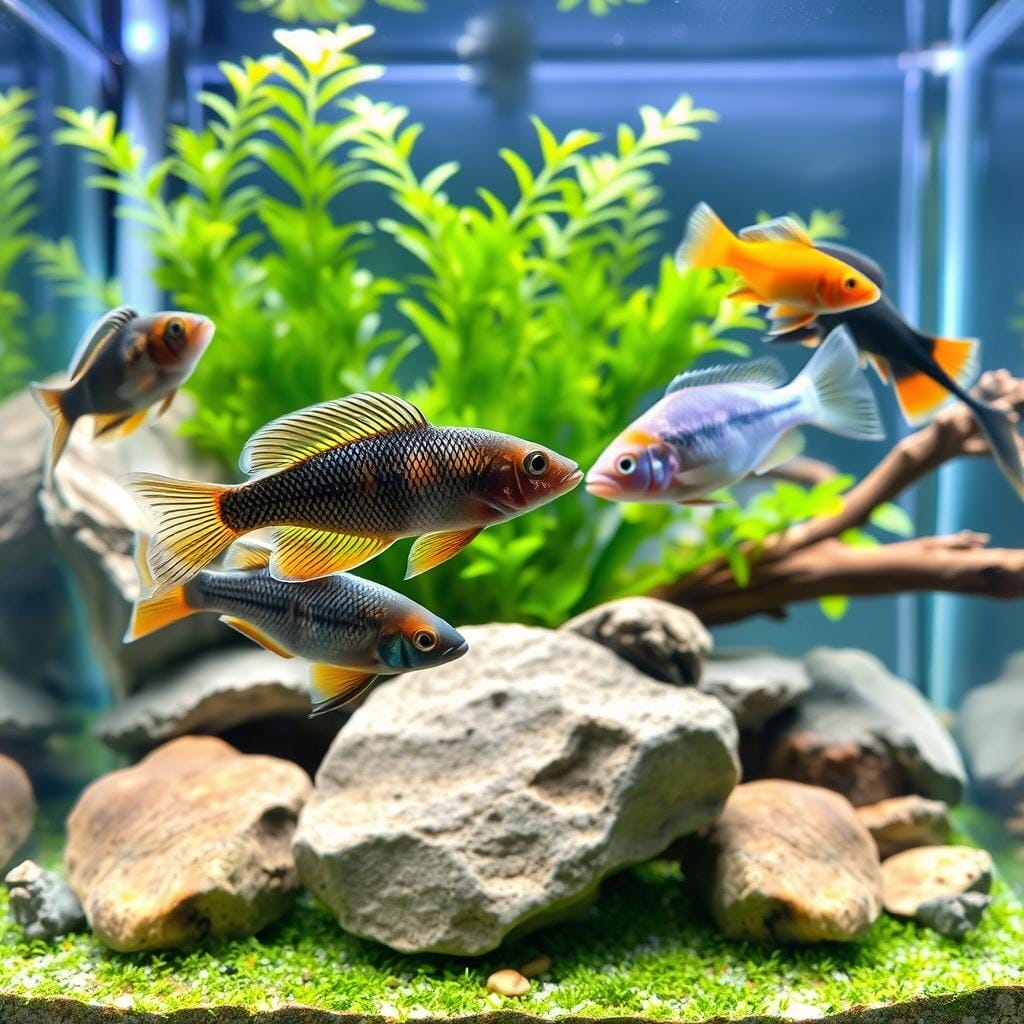
What if your aquarium could practically clean itself? It’s a dream for many hobbyists, and it’s closer to reality than you might think.
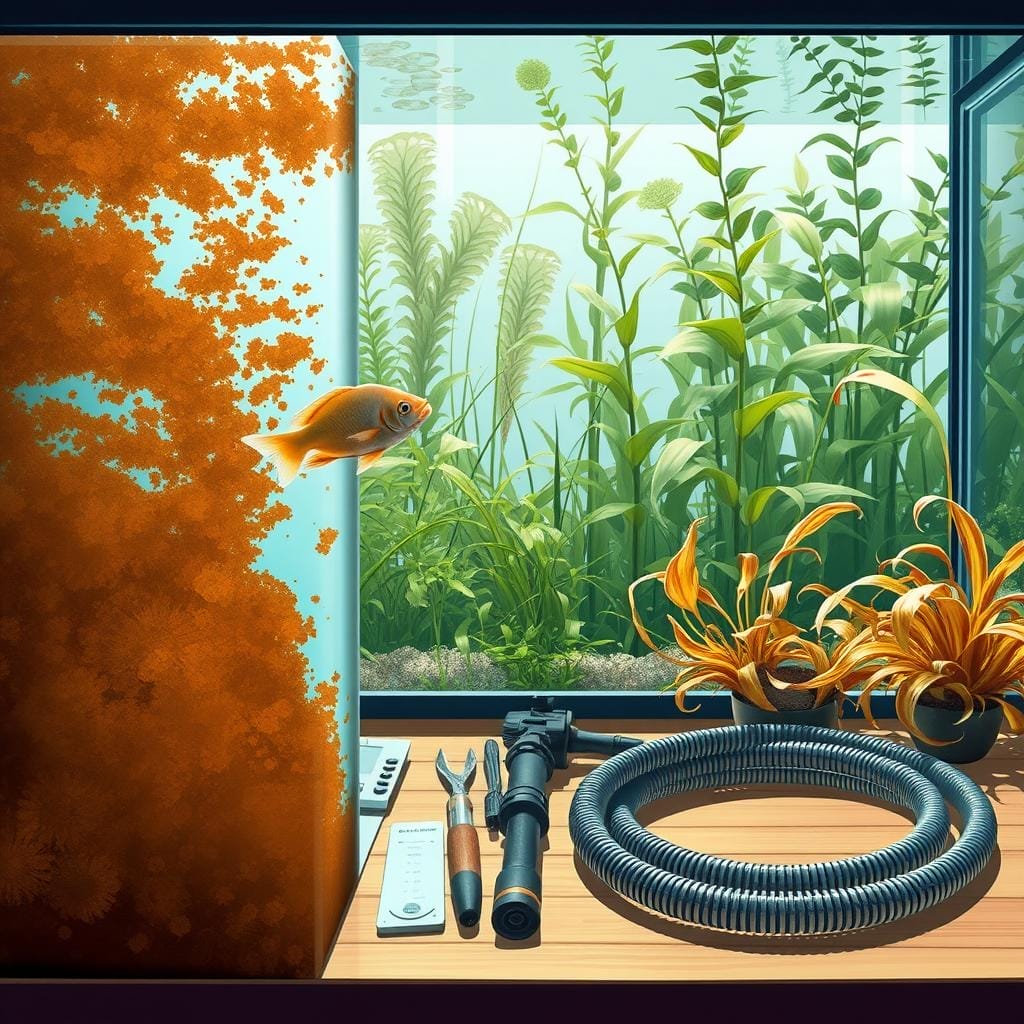
Seeing green film cloud your glass or fuzzy growth on decorations can be frustrating. You want a beautiful, healthy underwater world. The good news is, nature provides incredible helpers.
Adding certain aquatic species is a powerful, natural solution. These creatures work with you to create a balanced ecosystem. Your tank becomes a thriving environment with less effort.
This guide is your friendly roadmap. We will explore the wonderful variety of algae eaters available. From tiny, busy invertebrates to vibrant, active swimmers, there’s a perfect match for your setup.
You’ll learn how to select the right partners for your specific needs. We cover tank size, water conditions, and the types of growth you face. Proper care is key, as detailed in our guide on Siamese algae eater care.
Remember, these helpful animals are partners, not a magic fix. They support your regular maintenance routine. Together, you can achieve a stunning, crystal-clear display.
Understanding Algae in Your Aquarium
A clear understanding of algae types turns frustration into effective action. Recognizing the specific growth in your setup is the first crucial step toward a balanced ecosystem.
Identifying Common Algae Types
Not all green growth is created equal. Each kind has a unique appearance and behavior. Brown diatoms often dust surfaces like glass in newer tanks.
Stringy varieties, such as hair or black beard algae, form fuzzy strands. Green spot algae clings stubbornly to plants and hardscape. Knowing these differences helps you choose the right cleaning crew.
Causes Behind Algae Overgrowth
Excessive growth usually signals an imbalance. Too much light or nutrients from overfeeding are common triggers. Irregular maintenance can also contribute to the problem.
Addressing the root cause is just as important as removing the visible growth. Your helpful aquatic partners work best when supported by good tank management practices. This combination leads to long-term success and a beautiful, healthy display.
Benefits of Adding Algae-Eating Species
The true power of these specialized species goes beyond simple cleanup duty. They become active partners in creating a healthier, more stable environment for your entire aquatic community.
Enhancing Natural Tank Cleaning
These helpful animals provide continuous, preventative maintenance. They work around the clock to manage growth before it becomes a visible issue.
This proactive approach means you will spend far less time on manual scrubbing. Your glass and decorations stay cleaner with much less effort from you.
Different species have unique physical adaptations for specific tasks. Some are perfect for flat surfaces, while others target tricky spots between plants.
This creates a comprehensive cleaning crew that tackles various types of growth throughout the tank. A well-chosen combination significantly boosts your overall algae control.
Beyond just eating algae, many of these creatures consume leftover food and decaying matter. This helps maintain excellent water quality by reducing waste.
You are essentially investing in long-term tank health. The result is a more attractive, self-sustaining ecosystem you can simply enjoy watching.
- 24/7 Preventative Maintenance: They address problems before outbreaks occur.
- Reduced Manual Labor: You gain more time to enjoy your aquarium.
- Improved Water Quality: They help manage excess nutrients and organic debris.
- Targeted Cleaning: Different species handle different surfaces and growth types.
Top Fish That Eat Algae for a Cleaner Aquarium
Discovering the perfect algae-eating companions starts with understanding their unique specialties. Each species brings different strengths to your cleaning crew.
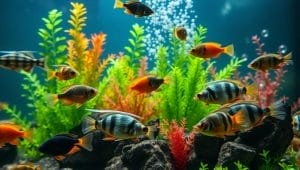
Spotlight on Catfish, Loaches, and Plecos
The otocinclus catfish is a miniature superstar for smaller setups. These schooling creatures work best in groups, efficiently cleaning flat surfaces.
Bristlenose plecos offer all the benefits of larger varieties without outgrowing your tank. They’re peaceful and excellent at keeping driftwood clean.
Hillstream loaches resemble tiny stingrays with strong gripping abilities. They excel at cleaning vertical walls and rocks in cooler water conditions.
Role of Shrimp and Snails in Algae Control
Amano shrimp are tireless workers that tackle stubborn growth types. They spend entire days grazing throughout your aquarium.
Cherry shrimp may be small individually, but thriving colonies provide excellent preventative maintenance. They constantly pick through substrate and plant roots.
Nerite snails specialize in scraping tough green spot growth that other species can’t handle. Their eggs won’t hatch in freshwater, preventing population explosions.
Tank Requirements and Species Compatibility
Proper tank conditions are the foundation that allows your specialized cleaners to work at their full potential. Getting the environment right ensures your aquatic partners stay healthy and effective.
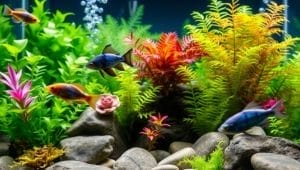
Choosing the Right Aquarium Size and Setup
Selecting the correct aquarium size is crucial for your helpers’ wellbeing. Smaller species like otocinclus thrive in 10-gallon tanks, while larger varieties need substantial space.
Bristlenose plecos require at least 25 gallons as they grow. Siamese algae eaters need 30-gallon aquariums minimum. Always consider adult size when planning your setup.
Different species have unique habitat preferences. Hillstream loaches need flat rocks for clinging. Plecos appreciate caves and driftwood for hiding.
Balancing Water Conditions and Temperature
Water parameters vary significantly between species. Hillstream loaches prefer fast-flowing, cooler freshwater with high oxygen levels.
Tropical species need heated tanks around 72-78°F. Others like flagfish thrive in unheated, temperate conditions. Stable pH levels help most species flourish.
Good filtration and water flow create optimal environments. This allows your cleaning crew to perform their natural behaviors effectively.
Natural Diet & Feeding Strategies for Algae Eaters
Many aquarium enthusiasts overlook the dietary needs of their specialized cleaning partners. These helpful creatures require balanced nutrition beyond what naturally grows in your tank.
Providing proper care means understanding their complete diet requirements. Your helpers need varied foods to stay healthy and active.
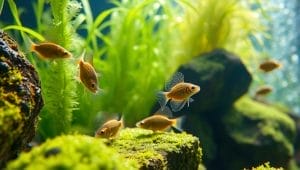
Optimal Algae-Based Diets and Supplements
High-quality sinking wafers and specialized products like Repashy Soilent Green gel food offer excellent nutrition. These foods ensure your eaters get proper sustenance when natural growth is scarce.
Vegetables make wonderful supplements for many species. Blanched zucchini, canned green beans, and cucumber slices provide essential nutrients.
Different creatures have unique needs. Plecos benefit from protein sources like frozen bloodworms. Herbivorous species thrive with plant-based foods.
Feeding Techniques for Sustained Health
Observation is key to successful feeding strategies. Watch your helpers regularly to ensure they’re eating adequately.
Shy species like otocinclus catfish need targeted feeding. Place wafers near their hiding spots to make sure they get enough.
If Siamese algae eaters ignore natural growth, reduce prepared food portions. This encourages them to return to their eating algae behavior.
Shelled creatures need extra calcium for strong shells. Provide mineral supplements or calcium-rich foods for optimal health.
Integrating Algae Eaters with Community Tank Life
Successfully introducing algae-eating species into your existing setup requires careful consideration of social dynamics. Your goal is to create a peaceful environment where all inhabitants thrive together.
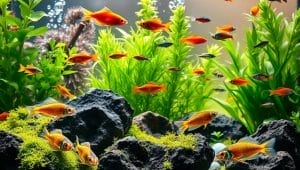
Choosing Compatible Tank Mates
Most cleaning crew members are wonderfully peaceful. Bristlenose plecos and nerite snails make excellent community residents that won’t bother other inhabitants.
Some species have specific social needs. Otocinclus catfish feel much more secure in groups of three to six. Avoid keeping them alone for their wellbeing.
Be aware that certain helpers like hillstream loaches and Siamese algae eaters can show territorial behavior toward their own kind. Your best choices are getting just one individual or a group of at least three.
Chinese algae eaters are often confused with their Siamese counterparts but grow much larger and become significantly more aggressive. They’re unsuitable for most community setups.
When keeping shrimp as part of your cleaning team, ensure your other tank mates are small and peaceful. Large, predatory species will quickly turn your valuable crew into snacks.
For more guidance on selecting the right partners, explore our comprehensive guide on the best algae-eating fish for tropical. Thoughtful planning ensures all your aquatic friends live harmoniously.
Maintenance Tips for a Healthy Aquarium Environment
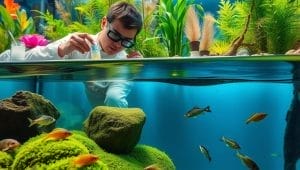
Maintaining a thriving aquarium is a partnership between you and your cleaning crew. While your helpers handle daily grazing, you control the environment they work in. This balance creates the ideal conditions for long-term success.
Water Quality and Filtration Best Practices
Your filtration system plays a crucial role in maintaining excellent water quality. Clean or replace media regularly according to manufacturer recommendations. This keeps your aquarium environment healthy for all inhabitants.
Regular water changes are essential for controlling nutrient levels. Aim for changing 25-30% weekly to remove excess nitrates and phosphates. This prevents them from fueling unwanted growth.
Monitor your water parameters consistently. Test for ammonia, nitrites, nitrates, and pH levels. Catching problems early prevents stress on your valuable algae eaters.
Adjusting Lighting and Nutrient Levels
Lighting adjustment is one of the most effective ways to keep algae under control. Too much light encourages excessive growth that even the best cleaners cannot manage. Find the right balance for your setup.
Reduce feeding amounts to limit excess nutrients. Feed only what your community can consume in 2-3 minutes. This prevents uneaten food from settling on substrate, rocks, and plants.
Also Read: Common Aquarium Problems and How to Fix Them
If you have live plants, balance their needs with growth control. Healthy, fast-growing vegetation actually competes with algae for nutrients. This helps maintain natural equilibrium in your aquarium.
Expert Insights and Care Recommendations
Professional aquarists have uncovered valuable strategies that can transform how you approach algae management. Their experience reveals smarter ways to integrate your cleaning crew for optimal results.
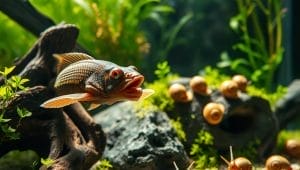
Starting slowly proves more effective than overwhelming your tank. Add just a couple of species initially, then observe their impact over several weeks. This measured approach prevents imbalance and lets you assess real needs.
Pro Tips for Routine Tank Upkeep
Each species brings unique physical adaptations to specific tasks. Mouth shapes and body structures determine which surfaces they clean best. Combining different types creates a comprehensive cleaning team.
Don’t dismiss hitchhiking snails as pests. Ramshorn and bladder varieties provide free maintenance services. They constantly graze on surfaces without any special care requirements.
When selecting otocinclus catfish, remember they belong to the Otocinclus or Macrotocinclus genus. These social creatures need companionship to feel secure. Keeping them in small groups ensures natural behavior and better performance.
- Start small and assess: Begin with 1-2 species and wait a month before adding more helpers
- Mix complementary types: Different mouth shapes tackle various growth forms more effectively
- Consider uncommon options: Panda Garras (Garra genus) and freshwater gobies (Stiphodon/Sicyidium genus) offer beautiful alternatives
- Prioritize wellbeing: Healthy, well-cared-for animals perform their cleaning duties most efficiently
For deeper guidance on creating the ideal environment, explore our resource on successful tropical care. The right choice and proper attention ensure your entire aquarium community thrives together.
Final Reflections on Creating an Algae-Free Aquarium
The path to a thriving freshwater environment combines your diligent care with nature’s specialized cleaning crew. You now understand that success comes from matching the right helpers to your specific situation.
There’s no single “best” solution for every aquarium. Different algae types require specific approaches. Your choice depends on your tank size, water conditions, and the growth you’re managing.
From tiny catfish to hardworking plecos, each species brings unique strengths. Various genus groups excel at different tasks. Some clean flat surfaces while others target stubborn growth on plants and glass.
Make sure you treat these valuable partners as community members, not just tools. Provide proper nutrition and compatible tank mates. Your helpers work best when they’re healthy and comfortable.
Start with one or two species that match your setup. Observe their impact and adjust your approach as needed. This partnership between your maintenance and their natural grazing creates the beautiful, balanced aquarium you envision.
FAQ
What are the best species for controlling algae in a small freshwater setup?
For smaller tanks, consider peaceful animals like Otocinclus catfish or Amano shrimp. These creatures are excellent at grazing on surfaces without disturbing plants or other inhabitants. They thrive in groups and help keep glass and decorations clean.
Can I rely solely on these animals to keep my aquarium clean?
While they provide fantastic help, you should not depend on them entirely for algae control. A balanced approach with proper filtration, regular water changes, and managing light exposure is crucial. Think of them as part of your overall maintenance team.
How do I ensure my algae-eating pets get enough food?
It’s important to supplement their diet even in an algae-rich environment. You can offer blanched vegetables like zucchini or specialized sinking wafers. Observing their behavior will help you determine if they need additional nourishment.
Are Siamese algae eaters safe with other tank mates?
Yes, Siamese algae eaters are generally peaceful and make great community aquarium residents. They coexist well with many other freshwater species. Just ensure your tank has plenty of hiding spots and open swimming areas to keep everyone happy.
What water parameters are ideal for most of these helpful species?
Stable conditions are key. Aim for neutral pH levels and moderate hardness. Consistent temperature and high water quality will support their health and algae-consuming activities. Regular testing helps you maintain these optimal levels.
Do snails really help with algae, or will they overpopulate my tank?
Snails like Nerite varieties are fantastic cleaners and won’t reproduce in freshwater. They diligently scrape surfaces clean. Other types, like Malaysian Trumpet snails, can help aerate substrate while consuming excess waste.
Algae Control in AquariumsAlgae-Eaters for Freshwater TanksAlgae-Eating CatfishAlgae-Eating FishAquarium Clean Up CrewFish for Algae RemovalFreshwater Fish for Algae ControlMaintaining a Cleaner AquariumNatural algae control
Hi, I'm Millie a passionate fish enthusiast and blogger. I loves learning about all kinds of aquatic creatures, from tropical fish to stingrays.