
Panther Crab Care Guide: Expert Tips for Success
 Millie Douglas
Updated on: July 24, 2024 .
14 min read
Millie Douglas
Updated on: July 24, 2024 .
14 min read
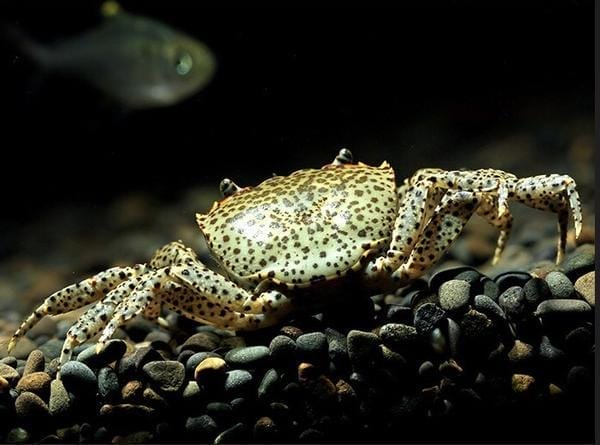
Panther Crabs, also known as Parathelphusa pantherina, are really cool and have been getting a lot of attention from people who love aquariums. They come all the way from Lake Matano in Sulawesi, Indonesia.
What’s special about them is they can stay underwater all the time without needing to pop up for air. This makes them an awesome pick for anyone with a freshwater tank.
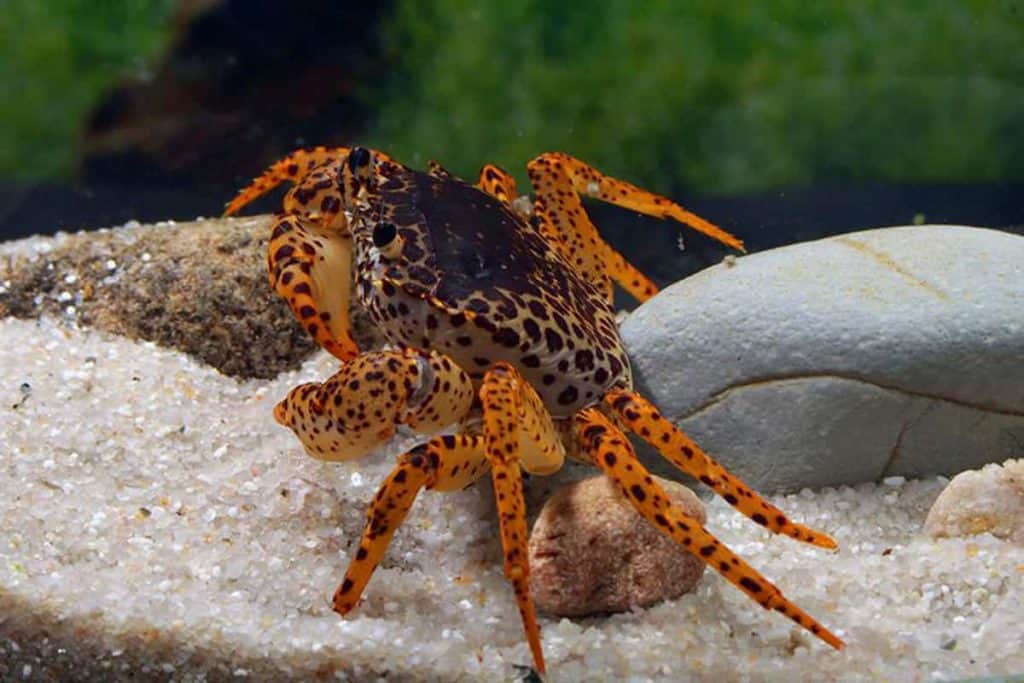
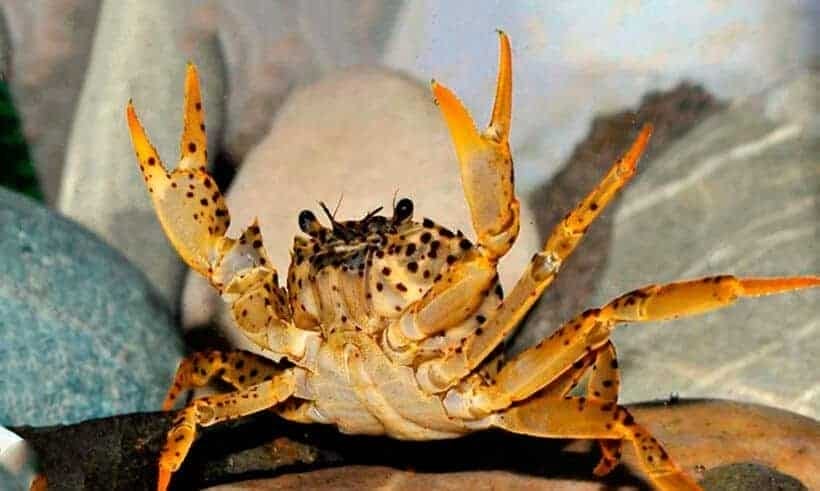
These crabs stand out because of their bright orange color and unique black spots, making them pretty eye-catching in any aquarium setup.
On top of looking great, Panther Crabs are interesting to watch since they’re scavengers that eat just about anything – like sinking pellets, frozen bloodworms or even bits of dead plants. It’s key to mix up what you feed them so they get all the nutrients they need.
When it comes to setting up their home in your tank, these crabs do like having their own space and plenty of spots where they can hide away – this becomes super important if you’ve got more than one crab hanging around together.
While Panther Crans generally play nice with quick-moving fish friends; slower ones might end up being lunch if not careful! So picking the right tank mates is something you’ll want to think carefully about.
Looking after Panther Crabs means doing things right: setting up a good home for them with clean water and sticking to a care routine that keeps everyone happy and healthy inside your hobbyist world.
Read More : https://realacas.com/types-of-freshwater-crabs/
Understanding Panther Crabs
Panther Crabs, which people also call Parathelphusa pantherina, come from Lake Matano in Sulawesi, Indonesia. They live close to the shore, hanging out in the shallow parts around the lake.
In their home place at Lake Matano, Panther Crabs are used to living in freshwater and have gotten pretty good at surviving in this special spot. When these crabs are kept as pets or under human care away from their natural surroundings, there are certain things they need to stay healthy and happy.
Origins and Habitat
Panther Crabs come from Lake Matano, a big and deep lake in Sulawesi, Indonesia. This place is special because it has lots of different water animals and plants.
Also Read: Discover Matano Crab Facts and Care Tips
You can find Panther Crabs near the edges of the lake where it’s not too deep. They like this spot because there’s plenty of food for them to eat and places to hide.
These crabs are used to living in freshwater just like what we have in Lake Matano, so if you want to keep them happy in an aquarium at home, you need to make sure the water feels like their natural habitat by keeping an eye on things like temperature and cleanliness that match their original home conditions.
Physical Description and Behavior
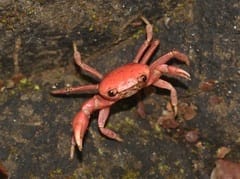
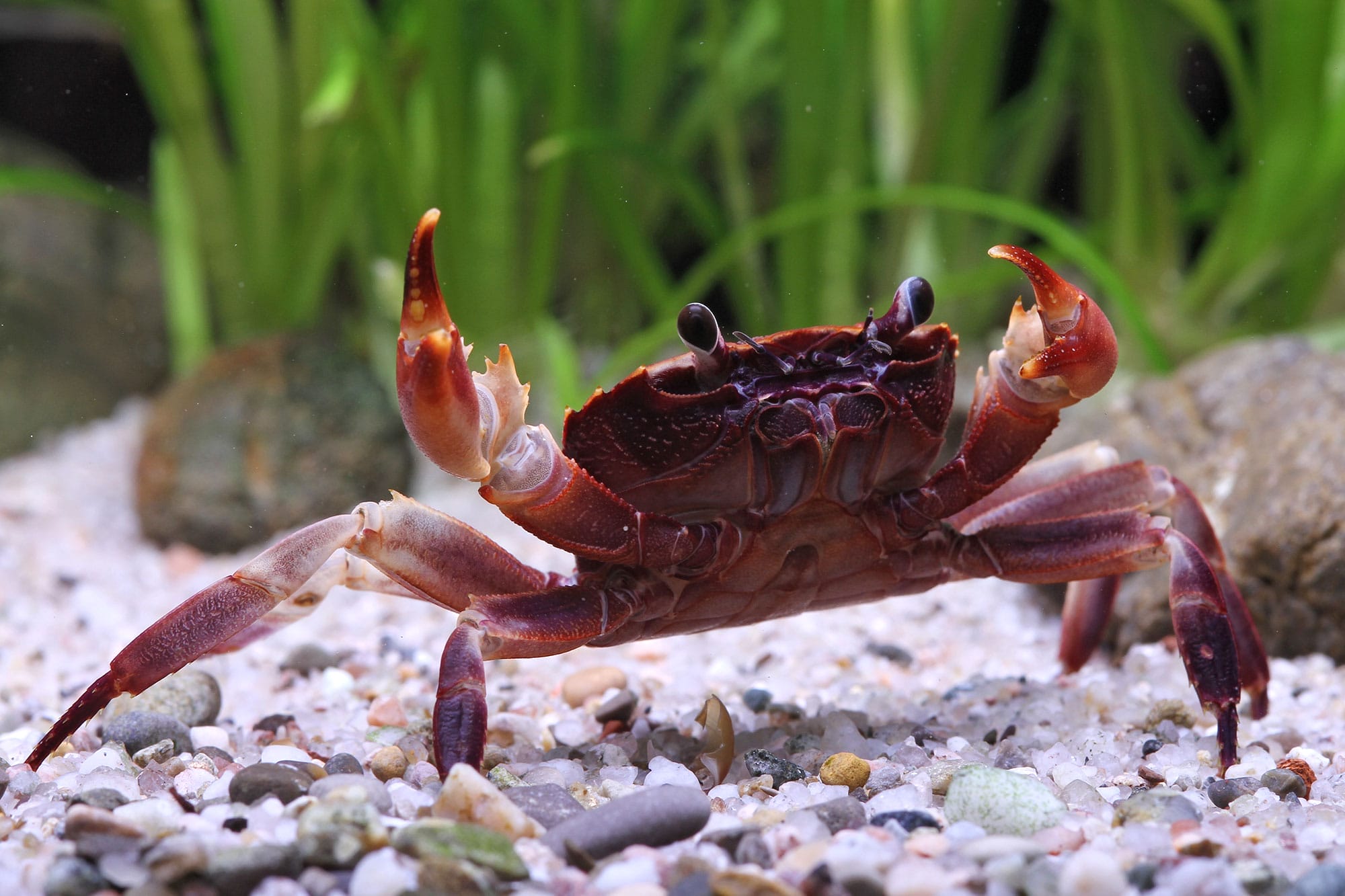
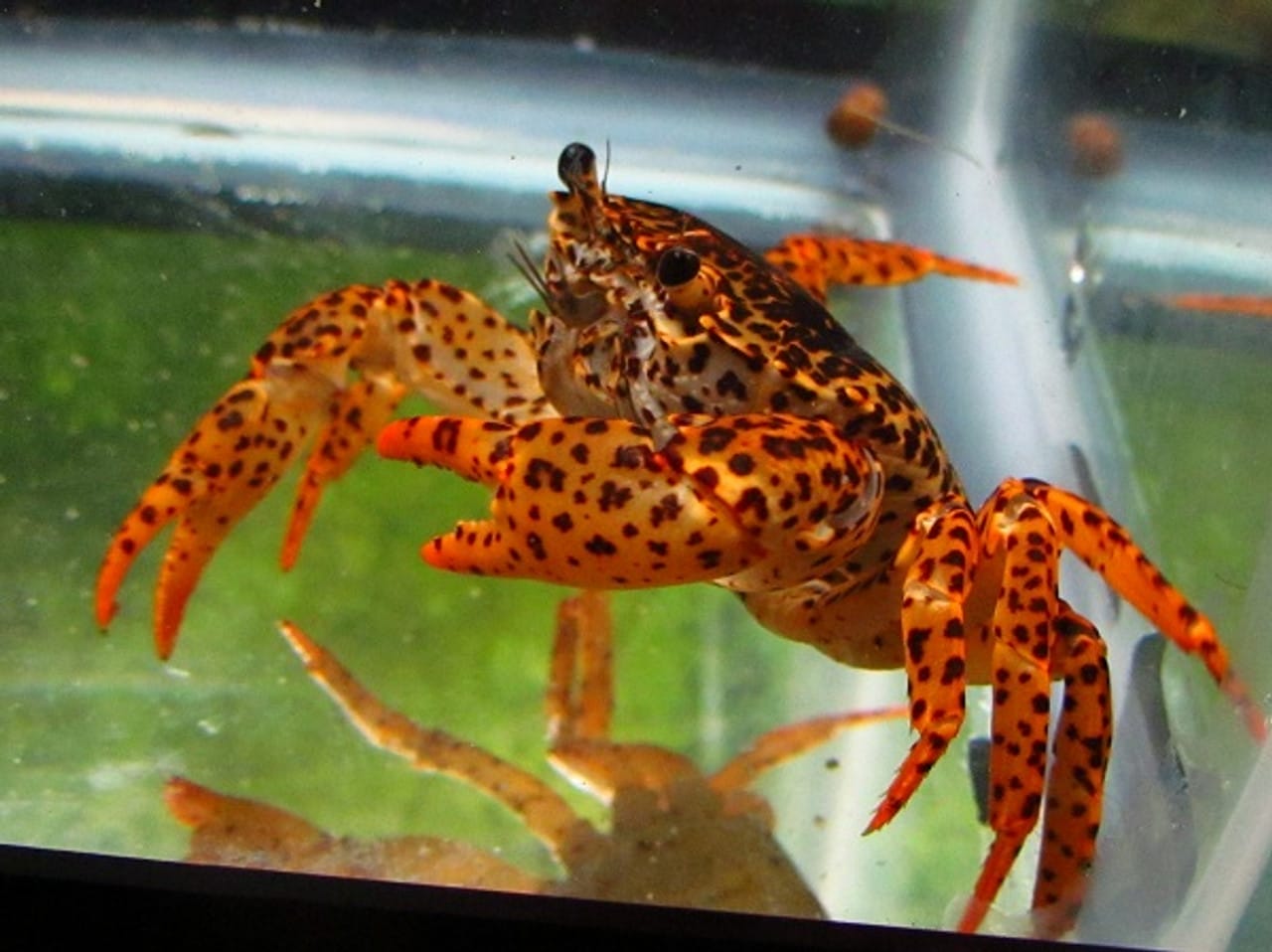
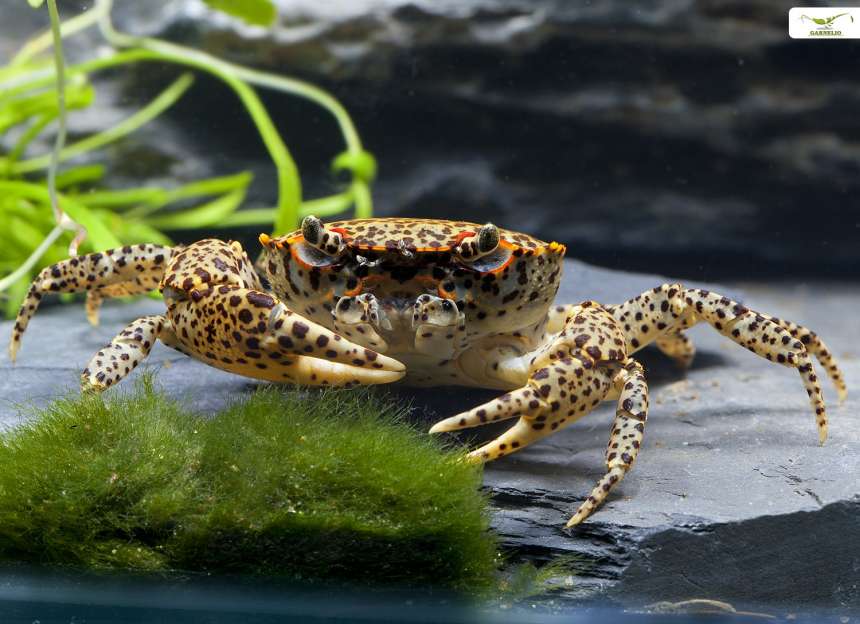
Panther Crabs catch your eye with their bright orange shells, dotted with dark spots that get smaller as they go down to the legs. Their shell, also known as a carapace, shines in any aquarium setting.
When it comes to how they act, Panther Crabs are always on the hunt for something to munch on. They’re not picky eaters and will happily chow down on various meaty snacks like sinking pellets and frozen bloodworms.
These crabs love to move around and check out every corner of their home. Even though they live underwater, don’t be surprised if you see them trying to explore beyond the tank; so having a secure lid is pretty important to keep them from making an escape.
Setting Up Your Aquarium for Panther Crabs
To make the perfect home for Panther Crabs, you need to think about what they really need. They do best in a tank that’s at least 20 gallons big so they have plenty of room. For them to feel at home, it’s crucial to set up an area on land inside the aquarium. You can use things like rocks and driftwood to make this space look natural.
In addition, your aquarium needs some key pieces of equipment and supplies such as a good substrate for the bottom, a filter system to keep the water clean, and proper lighting.
Keeping the water conditions just right is super important for keeping your Panther Crabs healthy and happy. By setting up their living space with care, you’re creating a great environment where these interesting animals can flourish.
Essential Equipment and Resources
To set up the perfect home for your Panther Crabs, you’ll need a few key things:
- For the bottom of their tank, pick something fine like sand or gravel that feels like where they come from.
- With aquariums, it’s best to go with one that holds at least 20 gallons. This gives them plenty of room to roam around.
- A good filtration system is crucial. It keeps the water clean and free from stuff that shouldn’t be there.
- Lighting is important too. You want lights that mimic what they’d experience in nature between day and night. Plus, if you’re thinking about adding plants, this will help them grow.
- Don’t forget about places for hiding! Things like rocks or driftwood work great for giving your crabs spots to tuck away when they want some privacy.
Making sure you have all these items means your Panther Crabs will have everything they need to be happy and healthy in their new space.
Water Conditions and Parameters
To keep Panther Crabs healthy and happy, it’s really important to make sure their water is just right. Here are the main things you need to watch:
- For pH levels, they do best in water that’s a little bit on the basic side, with a pH from 7.5 up to 8.5.
- When it comes to temperature, try keeping their tank between 76°F and 82°F (that’s about 24°C to 28°C), which matches where they come from originally.
- As for how hard or soft the water should be, aim for a hardness level of between 5 and 8 dKH.
Checking these water parameters regularly makes sure everything stays as it should be. By doing this consistently, your Panther Crabs will feel like they’re back in their native habitat, letting them show off all their usual behaviors.
Step-by-Step Guide to Caring for Panther Crabs
To take good care of Panther Crabs, you need to follow a few important steps. Let’s break it down:
For starters, with the aquarium setup:
- You’ll want an aquarium that holds at least 20 gallons.
- Make sure there’s a land area made from rocks or driftwood for the crabs.
- A solid filtration system and proper lighting are must-haves.
- Don’t forget to add some spots where your crab can hide away.
When bringing in your new Panther Crab:
- Get them used to their new home slowly by adding bits of water from the aquarium into their transport bag bit by bit.
- Once they’re acclimated, carefully put them into their new tank.
- -With any additional creatures joining the tank, keep an eye on how well they get along.
On taking care of them daily:
-Provide a mix of sinking pellets and frozen bloodworms among other foods suitable for meat-eaters.
-Make cleaning a regular part of your routine to clear out waste and debris.
-Watching over water parameters is crucial so everything stays balanced just right.
And when checking on health and behavior:
-Lookout for signs that might indicate sickness or unusual behaviors like changes in eating habits, coloration shifts or if they’re less active than usual.
-In case something seems off, getting advice from a vet who knows about aquatic animals would be wise.
By sticking closely to this guide step-by-step ensures not only will you provide excellent care but also create a healthy environment for your Panther Crabs ensuring their happiness and wellbeing.
Step 1: Aquarium Setup
To make sure your Panther Crabs are happy and healthy, setting up their aquarium just right is key. Here’s how to do it:
- Start with picking the right tank: You’ll need at least a 20-gallon tank so they have plenty of room.
- For a land area, use rocks or driftwood to give them spots above water.
- Putting in a good filter will keep the water clean by getting rid of unwanted stuff.
- Make sure you’ve got the lighting sorted out too; it should mimic natural light cycles and help plants grow if you’re adding any.
- Don’t forget about places for them to hide like more rocks or pieces of driftwood. They really need these spots to feel safe and act naturally.
By doing all this, you’re on your way to creating an awesome home for your Panther Crabs where they can be comfortable and flourish.
Step 2: Acclimating Your Panther Crab
Getting your Panther Crabs used to their new tank is key for a smooth changeover. Here’s the best way to do it:
- With water parameters, begin by slowly mixing in a bit of aquarium water into the crab’s transport bag over some time.
- For introducing crabs to their new home, carefully place them in the aquarium once they’re ready. It’s important not to hurt their sensitive legs.
- When adding any new tank mates, watch how they get along with each other closely. This helps avoid fights and makes sure everyone gets along.
- Since Panther Crabs like having places where they can hide out and be on their own, make sure there are plenty of spots for them.
By sticking to these guidelines, you’ll make moving into a new environment easier for your Panther Crabs and help keep them calm throughout getting used to everything.
Step 3: Daily Care Routine
To keep your Panther Crabs happy and healthy, it’s really important to have a daily care plan. Here’s what you should include:
- Feeding: They need a mix of food like sinking pellets and frozen bloodworms, plus other meaty stuff. Make sure they get fed once or twice every day with enough food so they’re well-fed.
- Cleaning: With the aquarium, you’ve got to stay on top of cleaning by getting rid of any mess or leftovers. Also, changing some of the water regularly helps keep their home clean.
- Routine observation: Every day, take some time to watch your crabs for anything odd like sickness signs or if they’re not eating much. Catching problems early can make a big difference.
- Maintenance: Keep an eye on all the gear like filters and lights in the aquarium to make sure everything’s working right.
Sticking to these steps will help ensure your Panther Crabs are looked after in the best way possible.
Step 4: Monitoring Health and Behavior
Keeping an eye on your Panther Crabs’ health and how they act is really important to catch any issues early. Here’s what you should look out for:
Also Read: Marble Crab Care 101: A Beginner’s Manual
- If they’re not as hungry as usual or stop eating, it might mean something’s wrong.
- A change in their color or if they start looking pale could be a clue that they’re stressed or sick.
- Acting differently, like hiding more than normal or being mean to their tank mates, is something to pay attention to.
- Look for signs of sickness like sores, weird growths, or too much slime on the crab.
If you see anything worrying about your crab, getting help from a vet who knows about water animals is the best next step.
Feeding Your Panther Crab
Feeding your Panther Crabs the right way is key to keeping them healthy and happy. Here’s what you need to know:
Panther Crabs eat pretty much anything, so it’s important to mix things up when it comes to their meals. Make sure these are part of their diet:
- Sinking pellets: Pick top-notch sinking pellets made just for crustaceans.
- Frozen foods: Bloodworms and similar frozen treats are great for protein.
- Algae wafers: These help fill in any dietary gaps and make sure they’re getting all the nutrients they need.
It’s best to feed your Panther Crabs once or twice daily with enough food but watch how much they eat. If you notice they’re not eating as much, you might want to tweak how often you feed them.
Understanding Nutritional Needs
To make sure your Panther Crabs stay healthy, it’s really important to know what they need to eat. Here are some things you should keep in mind:
- For a balanced diet: Since Panther Crabs eat both meat and plants, you’ll want to give them a mix of food like sinking pellets, frozen bloodworms, and algae wafers. This helps them get all the nutrients they need.
- About calcium: These crabs also need plenty of calcium for their shells to grow strong and keep their bodies healthy. You can use cuttlebone or other calcium supplements for this.
- Why variety matters: Mixing up their diet is key so they get every nutrient required. Try offering different kinds of foods.
By paying attention to these dietary needs, your Panther Crabs will be healthier and live longer lives.
Recommended Foods and Feeding Schedule
Panther Crabs are like those friends who eat pretty much anything but still need a good mix of foods to stay healthy. They’re omnivorous scavengers, which means they aren’t picky about their meals but do best with variety.
- For starters, algae wafers are perfect for them. Think of these as the main part of their diet.
- Then there’s brine shrimp. Panther Crabs really dig into this stuff because it’s packed with the proteins they need.
When it comes to feeding time, once a day is enough. You should give them some algae wafers and brine shrimp in each meal. But here’s the trick: only feed them what they can finish off in just a few minutes so you don’t end up making their home messy or harming the water quality where they live.
Panther Crabs and Community Tanks
When it comes to keeping Panther Crabs in a shared tank, picking the right tank mates is crucial. These crabs have their own territories and might not play nice with fish that are slow or like to sleep a lot.
But don’t worry, they can still get along well with some types of peaceful fish that move quickly and share similar living needs. To keep everyone happy and reduce fighting over space, make sure your aquarium has plenty of spots for hiding and claiming as their own territory.
Compatible Tank Mates
Choosing the right tank mates for Panther Crabs is crucial to maintain a harmonious community tank. Here are some peaceful fish and scavengers that can coexist with Panther Crabs:
| Peaceful Fish | Scavengers |
| Guppies | Malaysian Trumpet Snails |
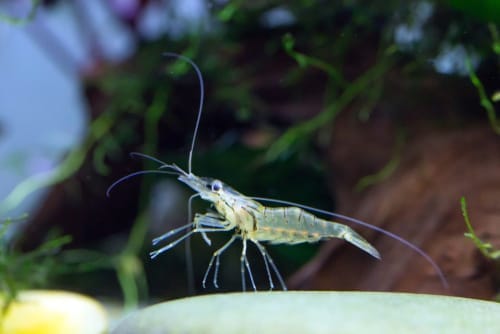
| Neon Tetras | Amano Shrimp |
| Harlequin Rasboras | Cherry Shrimp |
| Corydoras Catfish | Nerite Snails |
| White Cloud Mountain | Rabbit Snails |
| Minnows |
These tank mates are known to be compatible with Panther Crabs, as they have similar requirements and behavior. However, it’s important to monitor the tank dynamics and ensure that all the inhabitants have enough space, hiding places, and resources.
Avoiding Common Compatibility Issues
To keep things smooth in a tank with Panther Crabs, it’s key to remember they like their space and can sometimes pick fights. Here are some ways to make everyone get along:
- With hiding spots all over: Since Panther Crabs claim territories, having lots of places for them to hide helps calm down any urge to fight with their tank mates.
- By keeping an eye on how big the tank is: These crabs need at least 20 gallons of room so they and their friends aren’t too squished together. Too many critters in one place could mean more crabby behavior.
- By choosing quick fish: Because Panther Crabs might snack on slower or sleeping fish, picking speedy ones as tank mates reduces chances of trouble.
By paying attention to these points and setting up your tank size properly, you can have a chill community where Panther Crabs live happily with others.
Hi, I'm Millie a passionate fish enthusiast and blogger. I loves learning about all kinds of aquatic creatures, from tropical fish to stingrays.