
Platy Fish: A Complete Care Guide
 Millie Douglas
Updated on: September 3, 2024 .
14 min read
Millie Douglas
Updated on: September 3, 2024 .
14 min read

Platy Fish are a popular choice for aquarium enthusiasts. Their vibrant colors, playful behavior, and easy maintenance make them an ideal fish to keep in your tank. However, taking care of these beautiful creatures can be tricky if you don’t know the required steps. In this blog post, we will cover everything you need to know about Platy Fish.
From their origins and behavioral patterns to ideal tank conditions and suitable tank mates, we have got you covered. We will also delve into the different types of Platy Fish available in the market today and what makes them unique.
So, whether you are a new aquarium hobbyist or a seasoned one looking for some tips on how to take care of these little beauties, this guide is for you!

Uncovering the World of Platy Fish
Platy fish are a peaceful species of freshwater fish that are native to Central America and southern Mexico. Their livebearing nature makes them well suited for community tanks and popular among both novice and experienced aquarists.
With an array of color variations, including the southern platyfish or xiphophorus variatus, they add a vibrant touch to any aquarium. These fish thrive on a diet consisting of brine shrimp, algae, spinach, and bloodworms.
To create an optimal environment for platy fish, it is crucial to understand their scientific name, genus, and preferred habitats. They belong to the genus Xiphophorus which includes other species like swordtails and mollies.
Platies prefer environments with plenty of vegetation and shaded areas to hide in. Maintaining proper water parameters is also important for their health and well-being.
One interesting fact about platy fish is that they have been selectively bred over time to produce different colors and patterns. This has resulted in a wide variety of color variations such as red wagtail platies, sunset firework platies, and pineapple platies.
Overall, platy fish are a great addition to any aquarium due to their peaceful nature, visual appeal, and ease of care. Keeping them healthy requires understanding their unique needs and providing them with a suitable environment. Platy fish are also known for their variety of colors and patterns, making them a popular choice among aquarists. In fact, they are often included in the top 10 aquarium fish for beginners due to their hardy and adaptable nature. With proper attention to their diet, water conditions, and tank mates, platy fish can thrive in a well-maintained aquarium.
A Glimpse into their Origins
The platy fish, scientifically known as Xiphophorus maculatus, were first found in Central America and southern Mexico during the 19th century. They have since become a popular choice for aquarium hobbyists due to their ability to adjust to different tank conditions.
These warm water fish prefer temperatures between 70-80°F and are often seen in streams, ditches, and warm bodies of water. Their adaptability makes them an ideal option for aquarists who want to incorporate different aquatic environments into their tanks.
Platies come in various colors and patterns, making them an aesthetically pleasing addition to any aquarium. They are also peaceful and easy to care for, making them a great choice for beginners in the hobby.
Understanding their Lifespan and Size
Platies are small freshwater fish that usually grow to be between 1.5 and 2.5 inches long, with females typically being slightly larger than males. With proper care, they can live for up to 3-4 years or even longer if kept in optimal conditions as warm-water fish.
As livebearers, they give birth to live fry, which makes them fascinating to observe and study. These peaceful and social fish thrive in groups of three or more, displaying playful and active behavior that adds vibrancy to any aquarium setting. If you’re looking for a low-maintenance pet that is easy to care for and enjoyable to watch, platies are an excellent choice.
The Color Palette and Patterns
Platies are known for their stunning and diverse coloration, which can range from red, orange, yellow, blue to black, depending on their natural habitat and selective breeding. Their unique patterns can feature black spots or solid and variegated designs.
Some of the most popular platy species include the red wagtail, wagtail, and variatus, with the variable platy being especially striking due to its black fins. These vibrant colors and patterns make platies a visually captivating addition to any aquarium. Additionally, they are easy to care for and adaptable to various water conditions, making them an excellent choice for beginner aquarists.
Fins and Sex Differences
Male platies have a distinctive gonopodium, which is an anal fin that is specifically used for mating purposes. Similarly, female platies can be identified by the gravid spot near their anal fin, which signifies their readiness to reproduce. Platies are also equipped with dorsal fins, anal fins, and tail fins to aid in their elegant swimming movements.
To prevent fin nipping, particularly for male platies, it is essential to provide compatible tank mates. Additionally, regularly inspecting their fins for abnormalities or signs of fin rot is crucial for maintaining their overall health and well-being. It’s important to note that proper care and maintenance of the aquarium environment can significantly affect the lifespan of these beautiful fish.
The Behavioral Patterns of Platy Fish
Platies are known for their lively and playful personalities, constantly exploring their surroundings while exhibiting peaceful and sociable behavior towards other fish in the tank. They tend to feel safe when kept in small groups due to their schooling behavior and can adapt well to varying tank conditions.
Interestingly, female platies display maternal instincts, protecting their young fry and seeking hiding spots, demonstrating resilience and adaptability.
Their playful nature and ability to thrive under different circumstances make them an ideal addition to any aquarium. It’s important to note that they require a balanced diet and regular water changes to maintain good health.
Overall, platies are a great choice for both beginner and experienced aquarists looking for a colorful and entertaining fish species to add to their collection.

Tank Requirements for a Healthy Platy Fish
Creating an optimal habitat involves considering tank size, plants, and hiding spots. The ideal tank conditions for platy fish include maintaining stable water parameters, controlling algae growth, and providing a balanced diet with options like brine shrimp and spinach.
Dealing with diseases may require monitoring for common fish diseases and promptly treating any signs of illness. By carefully selecting suitable tank mates and creating a well-maintained environment, the southern platyfish, scientifically known as Xiphophorus variatus, can thrive in home aquariums.
Creating a Suitable Habitat
When preparing a tank for platies, it is advisable to add live plants to replicate their natural habitat. To provide hiding spots for the fish, use decorations such as rocks and driftwood. To maintain a balanced diet, incorporate algae and spinach, and occasionally introduce bloodworms for variety.
Consistent water parameters and cleanliness are essential to prevent fish diseases. Southern platyfish or xiphophorus variatus can be added as suitable tank mates to encourage a harmonious environment.
It’s important to note that platies are social creatures, so it’s best to keep them in groups of at least four or five to ensure they feel comfortable in their surroundings.
Additionally, keeping the aquarium well-lit can help promote the growth of healthy plants and create an aesthetically pleasing environment for both the fish and the owner.
Ideal Tank Conditions
Providing a suitable tank environment is crucial for the well-being of platies. Maintaining the water temperature between 70-80°F and pH levels around 7.0-8.3 is essential. Feeding them with brine shrimp and bloodworms ensures they receive vital nutrients. Adding live plants to their tank not only replicates their natural habitat but also helps control algae growth.
When it comes to tank mates, Xiphophorus variatus thrives in a community tank, so choosing suitable companions that won’t provoke aggression is necessary. Platies are peaceful fish that enjoy swimming in schools, so it’s essential to keep them in groups of at least three.
Apart from these factors, it’s important to maintain proper filtration and regular water changes to ensure optimal water quality. Overcrowding should also be avoided as it can lead to stress and disease among the fish.
By providing your platies with these ideal living conditions, you can ensure their health and happiness in your aquarium.
Dealing with Diseases
Dealing with diseases in platy fish requires vigilance and quick action. Regularly monitor your fish for any signs of fish diseases, such as loss of appetite, abnormal swimming behavior, or changes in appearance.
If you notice any symptoms, promptly isolate the affected fish to prevent the spread of the disease to other tank mates. Consider incorporating natural remedies like feeding them spinach or algae to boost their immune system. Additionally, introduce brine shrimp or bloodworms to provide essential nutrients for faster recovery.
Suitable Tank Mates for Platy Fish
Platies, known for their peaceful nature, thrive alongside suitable tank mates such as tetras, mollies, snails, and peaceful livebearers like swordtails and guppies. These Southern platyfish can be a great addition to community tanks with proper care.
Ensuring harmony in the tank, these freshwater fish coexist well with other community fish, contributing to a vibrant ecosystem. With the right mix of species, platies create a tranquil and balanced aquatic environment.
Breeding of Platy Fish
Platies, known as livebearers, give birth to live fry. Female platies develop a gravid spot, signifying pregnancy, and can store sperm for future pregnancies.
It’s common for breeders to separate pregnant females into another tank to safeguard the fry from being eaten. The gestation period of platies lasts between 4-6 weeks, resulting in a brood of fry. With proper care, platy fish readily breed, attracting aquarists.
Tank mates
When considering tank mates for platies, it’s important to choose species that share similar water conditions. Platies coexist peacefully with other livebearers like swordtails, guppies, and mollies. Additionally, they get along well with tetras, snails, and peaceful community fish.
However, it’s crucial to avoid pairing platies with aggressive or fin-nipping fish to maintain a harmonious community tank. For a balanced environment, ensure an equal ratio of males to females among the tank mates. This will contribute to a peaceful cohabitation and a thriving aquarium community.
Common Diseases
Platy fish are prone to diseases such as ich, velvet, and fin rot. Parasites like ich can be managed with proper medications and water conditions. Velvet appears as small yellow/gold spots on the fish, while fin rot is characterized by black spots on the fins. Good water quality and a diverse diet play a crucial role in preventing common platy diseases. Maintaining a healthy environment is essential.
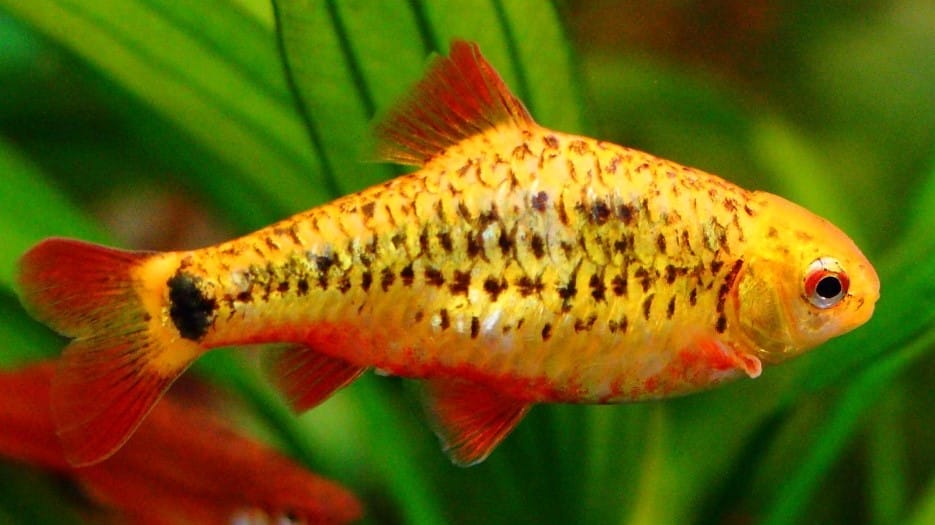
Also Read: Gold Barbs: A Comprehensive Guide
Tank Size
When housing platies, a minimum of a 10-gallon tank suffices for a small community. Opting for larger tanks, like a 20-gallon one, allows for more platies and additional tank mates.
It’s essential to consider the number and size of fish when selecting the tank size. A larger tank not only offers more swimming space but also contributes to better water conditions and a healthier environment for both platies and their tank mates.
Water Parameters
Maintaining the ideal water conditions is crucial for the well-being of platies. They thrive in water with stable pH levels, ideally between 7.0 and 8.0, and temperatures ranging from 70-80°F, replicating their natural habitat.
Additionally, it’s essential to ensure good water quality, low ammonia levels, and proper filtration. Platies also prefer water conditions with minimal nitrites, nitrates, and ammonia. By upholding these water parameters, you can support the overall health and vitality of your platy fish.
How To Decorate Their Tank
Enhancing the tank environment with live plants, such as java moss, provides natural shelter and oxygenation for platies. Mimicking their natural habitat, planted tanks with live plants contribute to the well-being of platies.
Adding driftwood, rocks, and caves creates essential hiding spots, while broad-leafed and floating plants further simulate their natural environment. A well-decorated tank, complete with live plants and natural hiding spots, encourages and promotes typical platy fish behavior.

Common Platy Fish Types
Exploring the variety of Platy fish types reveals the charming Mickey Mouse Platy and the vibrant Red Wag Platy. Each type brings its own unique characteristics and colors to the aquarium, adding diversity to the aquatic ecosystem.
With their distinct features and behaviors, these Platy fish types are popular choices among aquarists seeking a lively and visually appealing fish community in their tanks.
Mickey Mouse Platy
Named for the black spots on their bodies, resembling Mickey Mouse ears, these platies display color variations including red, black, gold, and silver hues. Male Mickey Mouse platies have a gonopodium, a modified anal fin used for reproduction. They are a variable platy species, showcasing different coloration and patterns. Peaceful freshwater fish, they are suitable for community tanks.
Red Wag Platy
With vibrant red tails, Red Wag platies make a visually striking addition to aquariums. These fish show off stunning color variations, with red, orange, and black accents on their bodies.
In community tanks, female platies sport black spots and fins, while the males display vibrant red coloration. Red Wag platies contribute lively activity and vivid color to aquariums when properly cared for, thriving and displaying their vibrant colors.
Sunburst Platy
Known for their striking and vibrant color variations, sunburst platies are peaceful freshwater fish that thrive in community tanks. Proper care and a varied diet are essential for their well-being, and they make wonderful additions to aquariums with live plants.
Maintaining warm water conditions is crucial for these beautiful fish to flourish. By providing the right environment and diet, pet owners can ensure that sunburst platies display their stunning colors and exhibit their natural behaviors to the fullest.
Green Lantern Platy
With their stunning color variations, green lantern platies are a visually striking addition to any aquarium. These peaceful fish thrive in community tanks and are compatible with a variety of tank mates. Proper care and water quality are crucial for their well-being, as they prefer warm bodies of water that replicate their natural habitat.
Ensuring suitable tank conditions and a varied diet, including brine shrimp and spinach, will help these xiphophorus variatus thrive in a home aquarium.
Dalmatian Platy
Dalmatian platies, named for their resemblance to Dalmatian dogs, thrive in peaceful community tanks, showcasing their striking black spots and fins. Maintaining proper water conditions is crucial, alongside a varied diet of flakes, pellets, and live food.
These Southern platyfish add vibrancy to aquariums and are best sourced from local pet stores, ensuring they’ve been properly cared for. Considering their susceptibility to fish diseases, providing a balanced diet including brine shrimp and bloodworms will keep them healthy.
Blue Wag Platy
Blue wag platies are an excellent choice for community tanks due to their peaceful nature. It’s crucial to maintain warm water conditions and provide proper care to ensure their well-being. These stunning fish are renowned for their beautiful coloration and striking black tails, adding vibrancy to any aquarium.
Blue wag platies coexist harmoniously with a variety of tank mates, such as mollies and guppies. To create a conducive environment, live plants and suitable companions for blue wag platies should be included in their habitat.

Conclusion
In conclusion, Platy fish are fascinating creatures that bring vibrancy and beauty to any aquarium. Understanding their origins, lifespan, color palette, and behavioral patterns is crucial in providing them with the care they need.
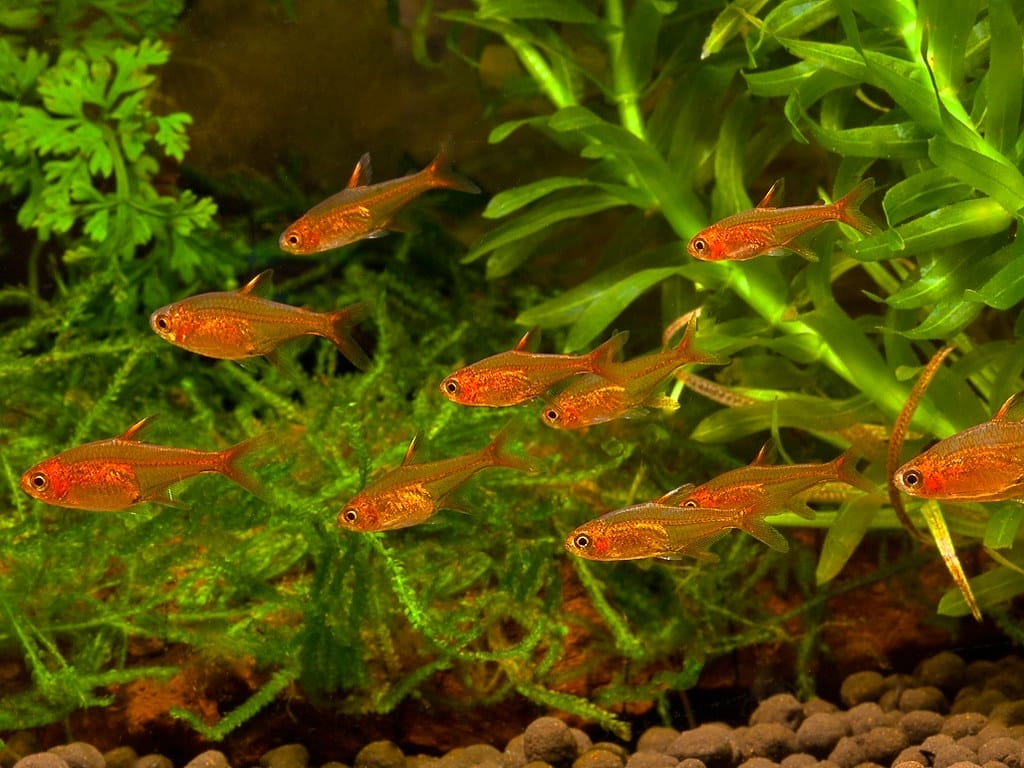
Also Read: Ember Tetras: Ultimate Care Guide
Creating a suitable habitat, maintaining ideal tank conditions, and choosing compatible tank mates are essential for their overall health and well-being. Additionally, being aware of common diseases and taking preventive measures is important in keeping them thriving.
Whether you’re a beginner or an experienced fishkeeper, Platy fish are a great addition to any tank. So dive into the world of Platy fish and enjoy the wonders they bring to your aquatic ecosystem.
Hi, I'm Millie a passionate fish enthusiast and blogger. I loves learning about all kinds of aquatic creatures, from tropical fish to stingrays.