
Setting Up Your Quarantine Tank: Easy and Effective
 Millie Douglas
Updated on: July 16, 2025 .
10 min read
Millie Douglas
Updated on: July 16, 2025 .
10 min read
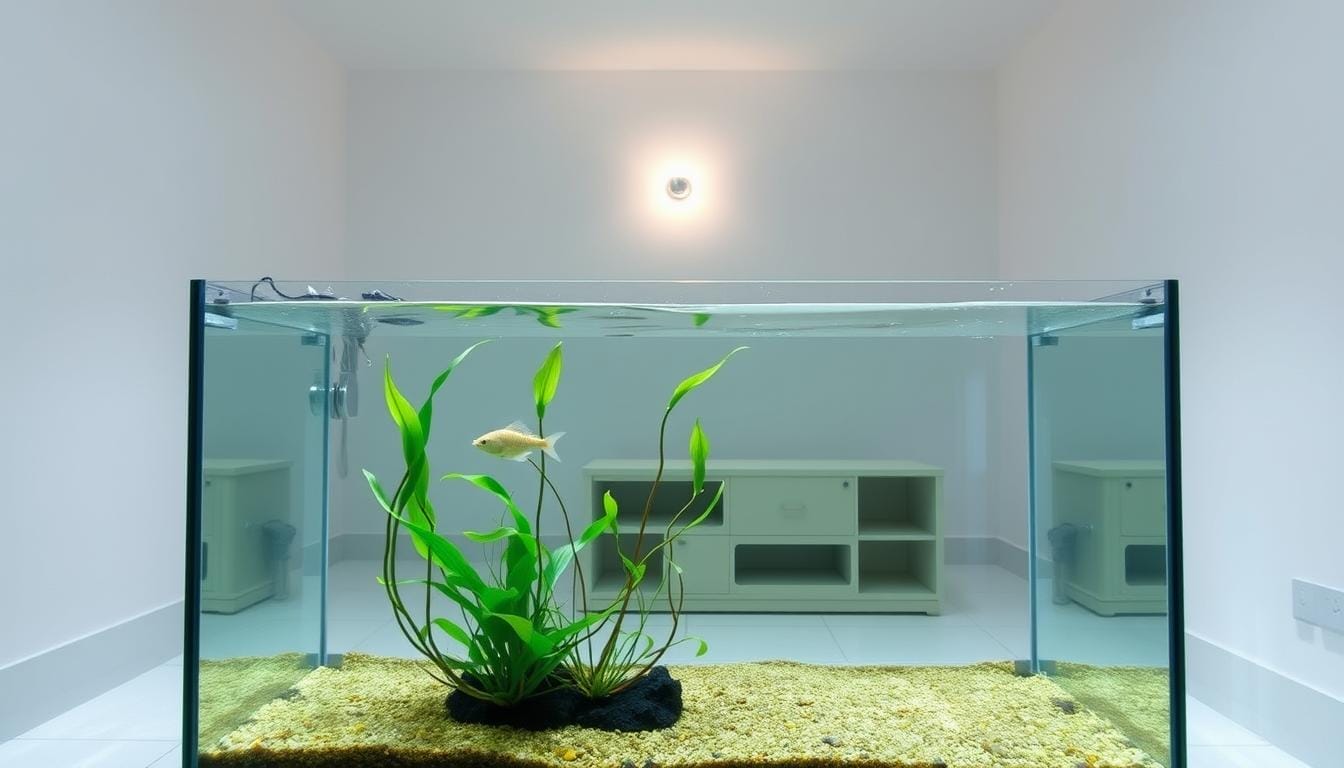
Did you know 83% of aquarium disease outbreaks start with new fish introductions? A single sick specimen can endanger your entire aquatic community. This startling reality makes temporary isolation systems essential for protecting your underwater ecosystem.
Creating a separate environment for newcomers or ill aquatic pets isn’t just about safety—it’s a smart financial move. Treating illnesses in smaller spaces requires less medication and simplifies maintenance. You’ll preserve your main aquarium’s delicate balance while giving fragile species targeted care.
Many hobbyists avoid this practice, thinking it’s complicated or expensive. The truth? You only need basic equipment like a simple container, heater, and filter. Proper preparation prevents cross-contamination and safeguards your existing fish population from invisible threats.
By dedicating just a few hours to this process, you’ll gain peace of mind knowing your finned friends stay healthy. Let’s explore how this simple solution can transform your fishkeeping experience and keep your aquatic family thriving.
Why a Quarantine Tank is Essential for Healthy Fish
New aquatic arrivals face a hidden crisis: 1 in 3 fish don’t survive their first month after shipping. This shocking statistic reveals why temporary holding spaces aren’t optional—they’re lifesavers for your entire collection. Many invisible dangers travel with purchased specimens, waiting to explode into full-blown outbreaks.
Stopping Contagions Before They Strike
Microscopic parasites cling to scales and gills like unwanted hitchhikers. Your established community has no immunity to these invaders. By isolating newcomers, you create a safety zone where medications work better and symptoms become visible. Velvet disease alone can wipe out entire populations within days if undetected.
Safeguarding Your Aquatic Investment
Your primary aquatic habitat represents countless hours of care and nurturing. Retailers often rush specimens from delivery boxes to sales displays within 24 hours—a practice called “burn and turn.” This leaves you responsible for completing the protection process they started.
Stress from transportation weakens immune systems, making fresh arrivals prone to illness. Through proper isolation, you:
- Spot health issues before they spread
- Allow recovery time from shipping trauma
- Preserve water quality in your display habitat
Smart aquarists order 20-30% extra specimens expecting losses, but you can beat those odds. A well-managed holding environment gives every new creature its best chance while shielding your existing community.
Key Considerations Before Starting Your Setup
Choosing the right environment for your aquatic newcomers starts with smart sizing decisions. Proper dimensions and safety features create a stable space for observation and care. Let’s break down what matters most when preparing this temporary home.
Assessing Tank Size and Layout
The gallon aquarium you select depends on your fish’s needs. A 60cm (24-inch) container comfortably houses species up to 4 inches long. Smaller pets like bettas thrive in 1-3 gallons, but always opt for 5 gallons or more for active swimmers like cichlids.
Match the size to your current situation. Treating three 2-inch fish? A 10-gallon aquarium works perfectly. Managing larger groups requires scaling up—30 gallons handles multiple medium-sized specimens without overcrowding.
Safety Measures and Essential Equipment
New arrivals often panic in unfamiliar spaces. A tight-fitting lid prevents escapes—glass tops work best for jumpers. Your equipment list should include:
- Adjustable heater (5 watts per gallon)
- Sponge filter for gentle water movement
- Basic thermometer for temperature checks
Remember: Function beats beauty here. Focus on creating a stress-free zone rather than decorative elements. Simple setups make monitoring easier and reduce cleaning time between uses.
quarantine tank setup: A Step-by-Step Guide
Your aquatic newcomers deserve a gentle introduction. Start with a spotless glass or acrylic container—bare floors help you spot health issues instantly. Remove decorations and substrate where harmful organisms might hide, creating a no-frills space focused on fish wellness.
Preparing the Tank Environment
Wipe surfaces with white vinegar, not soap, to avoid chemical residue. Position your container near the main aquarium for easy water matching. Use a dedicated thermometer to maintain identical temperatures between systems, preventing thermal shock during transfers.
Installing Filters, Heaters, and Air Pumps
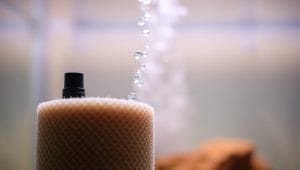
An air-driven sponge filter works best here. Connect it to a small air pump using silicone tubing. Always install a check valve above the waterline—this $2 part stops backflow during power outages. For extra safety, place pumps higher than the water surface.
Season your sponge in the main habitat’s filter for 3-4 weeks first. This builds beneficial bacteria colonies that neutralize toxic ammonia. Pair this with weekly 25% water changes using conditioned water matching your display tank’s parameters.
Rushed setups cause 90% of isolation system failures. Test water daily for ammonia and nitrites during the first week. Your patience now prevents frantic emergency treatments later, giving every fish a healthy start.
Choosing the Right Equipment for Your Quarantine Tank
Your filtration system forms the backbone of a healthy environment. Quality components maintain stable conditions while minimizing stress for recovering fish. Let’s explore how to build an efficient system that adapts to your needs.
Filtration Options and Air Pump Selections
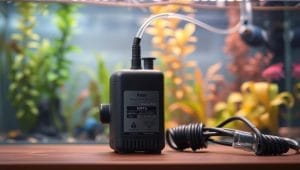
The OxyMax 400 delivers reliable airflow for single-species observation. For multi-fish scenarios, upgrade to the Hydra Aquatics Silent Giant – its whisper-quiet operation won’t disturb sensitive specimens. Both pumps handle sponge filters and box filters simultaneously.
Budget-friendly options exist at every price point. Look for adjustable airflow controls and rubber feet to reduce vibration. Pair your pump with an internal box filter when housing multiple fish. These units accept biological media from your main system, accelerating beneficial bacteria growth.
Smart aquarists use layered filtration approaches:
- Mechanical: Filter floss traps debris
- Biological: Seeded media processes waste
- Chemical: Activated carbon removes medications
For heavy bioloads, add a second sponge filter powered by the same air pump. This addition boosts oxygen exchange while providing backup filtration. Always test new equipment for 48 hours before introducing fish – this time investment prevents last-minute surprises.
Maintaining Optimal Water Quality
Crystal-clear water hides invisible threats that could harm your aquatic companions. Proper care requires understanding how treatments and testing work together to create safe conditions.
Water Conditioners and Testing Kits
Start by treating your water with aquaLife Complete to neutralize chlorine and heavy metals. If using copper-based medications, switch to aquaLife Procondition—it protects delicate gills while enhancing treatment effectiveness. Both formulas heal minor injuries and neutralize harmful ammonia within minutes.
Avoid carbon filtration completely during treatments. These filters act like sponges, soaking up medications before they can help your fish. Instead, focus on biological filtration from pre-cycled media to process waste naturally.
Test ammonia nitrite levels every morning using liquid test kits. These toxic compounds spike quickly in small environments, especially when using antibiotics. If levels rise:
- Replace 30% water every other day
- Re-dose medications after each change
- Monitor fish behavior closely
Consistency matters most. Mark your calendar for daily checks and weekly deep cleanings. Your vigilance ensures medications work properly while keeping water parameters stable for recovering fish.
Heating and Lighting: Creating a Stress-Free Environment
Imagine your fish recovering in a space that actively supports their healing. Temperature stability and controlled illumination work together to accelerate recovery while minimizing anxiety.
Precision Temperature Control
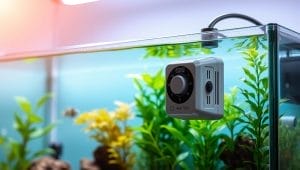
A submersible heater with 1°F adjustments becomes your best ally. Many aquatic illnesses respond dramatically to warmth—raising water to 86°F for three weeks effectively fights Whitespot without harsh chemicals. Always match temperatures to your main habitat before transfers to prevent thermal shock.
Your temporary habitat benefits from daily heat monitoring. Digital thermometers help maintain the sweet spot between 78-80°F for general observation. When treating specific conditions, follow proven protocols for gradual temperature increases to avoid stressing delicate species.
Strategic Light Management
Bright illumination intensifies stress in already vulnerable fish. Keep ambient room lighting sufficient for routine checks—only use tank lights during health inspections. If your system has built-in fixtures, limit usage to 10-minute intervals when you need to:
- Examine scales for parasites
- Check fin condition
- Monitor feeding responses
Darkness promotes faster healing by mimicking natural resting environments. New arrivals often recover 30% faster in dim conditions compared to brightly lit spaces. Your patience during these critical weeks ensures healthier transitions to permanent homes.
Decorations and Safe Hiding Spots for Fish
Your fish’s stress levels drop by 40% when they have proper hiding spots—a fact that transforms temporary habitats into healing spaces. The right decor choices protect sensitive species while keeping treatments effective. Balance is key: comfort for aquatic residents versus practicality for disease management.
Smart Shelter Solutions That Work
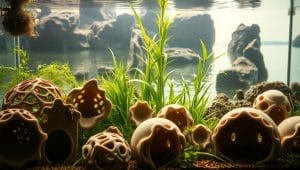
PVC pipe fittings shine in medical environments. These smooth tunnels provide instant refuge without absorbing medications. Cut 4-inch diameter sections to match your fish’s size—larger species need elbow joints for turning space. Rinse with hot water between uses to maintain sterility.
Plastic plants offer visual barriers that calm skittish swimmers. Choose silk-leaf varieties without sharp edges. Anchor them with suction cups to create floating “safe zones”. Unlike live plants, these artificial versions won’t decay or alter water chemistry.
Avoid these common mistakes:
- Calcium-based rocks that leach minerals
- Porous driftwood absorbing treatments
- Gravel beds hiding parasite eggs
Ceramic caves and inverted flowerpots complete your shelter method. These non-reactive materials withstand frequent scrubbing. Place multiple hideouts to prevent territorial disputes—one per fish plus an extra. Your aquatic friends will feel secure, speeding their recovery while you maintain full treatment control.
Wrapping Up Your Quarantine Tank Setup
Your journey toward healthier aquatic companions reaches its most critical phase here. The 4-week observation period acts as both shield and training ground, protecting your main habitat while preparing newcomers for community life.
This method serves dual purposes beyond illness prevention. New arrivals build strength in safe conditions, learning to eat vigorously before facing established tankmates. You’re not just isolating – you’re empowering.
Smart aquarists keep dedicated isolation systems ready year-round. Permanent setups allow immediate response to health concerns and simplify introducing future additions. Consistency breaks dangerous cycles where stress weakens immunity, making specimens vulnerable to pathogens.
Through this process, you create resilient fish capable of thriving in competitive environments. While requiring patience, the rewards – vibrant communities free from preventable outbreaks – prove why this practice defines responsible fishkeeping.
FAQ
How long should new fish stay in isolation?
Most aquatic pets need 2–4 weeks in temporary housing. This allows you to monitor for parasites like ich or bacterial infections before introducing them to your main aquarium. Always test ammonia and nitrite levels weekly during this period.
Can I use decorations from my established aquarium?
Avoid transferring ornaments or plants between systems. PVC pipes or silicone-coated plastic caves work best for stress reduction without risking cross-contamination. Rinse new items thoroughly with dechlorinated water first.
Do I need a heater for short-term setups?
Yes—stable temperatures prevent stress. Use adjustable heaters like the Cobalt Aquatics Neo-Therm set to match your main tank’s conditions. Even a 10-gallon quarantine aquarium benefits from precise thermal control.
How often should I change the water?
Perform 25–30% water changes every 3 days using a gravel vacuum. Treat new water with conditioners like Seachem Prime to neutralize chlorine and bind toxins. Test parameters with the API Freshwater Master Test Kit before each change.
Can sponge filters replace hang-on-back models?
Absolutely! Sponge filters from brands like Hydro provide gentle flow and biological filtration. Pair them with an air pump like the Tetra Whisper series for optimal oxygenation without stressing delicate species.
Should I feed fish differently during observation periods?
Offer high-quality foods like Hikari Bio-Pure but avoid overfeeding. Remove uneaten portions within 5 minutes to maintain water clarity. Soak pellets in garlic guard for immune support if parasites are suspected.
Hi, I'm Millie a passionate fish enthusiast and blogger. I loves learning about all kinds of aquatic creatures, from tropical fish to stingrays.