
Discover Your Perfect rare tropical fish for Your Aquarium
 Millie Douglas
Updated on: December 1, 2025 .
9 min read
Millie Douglas
Updated on: December 1, 2025 .
9 min read
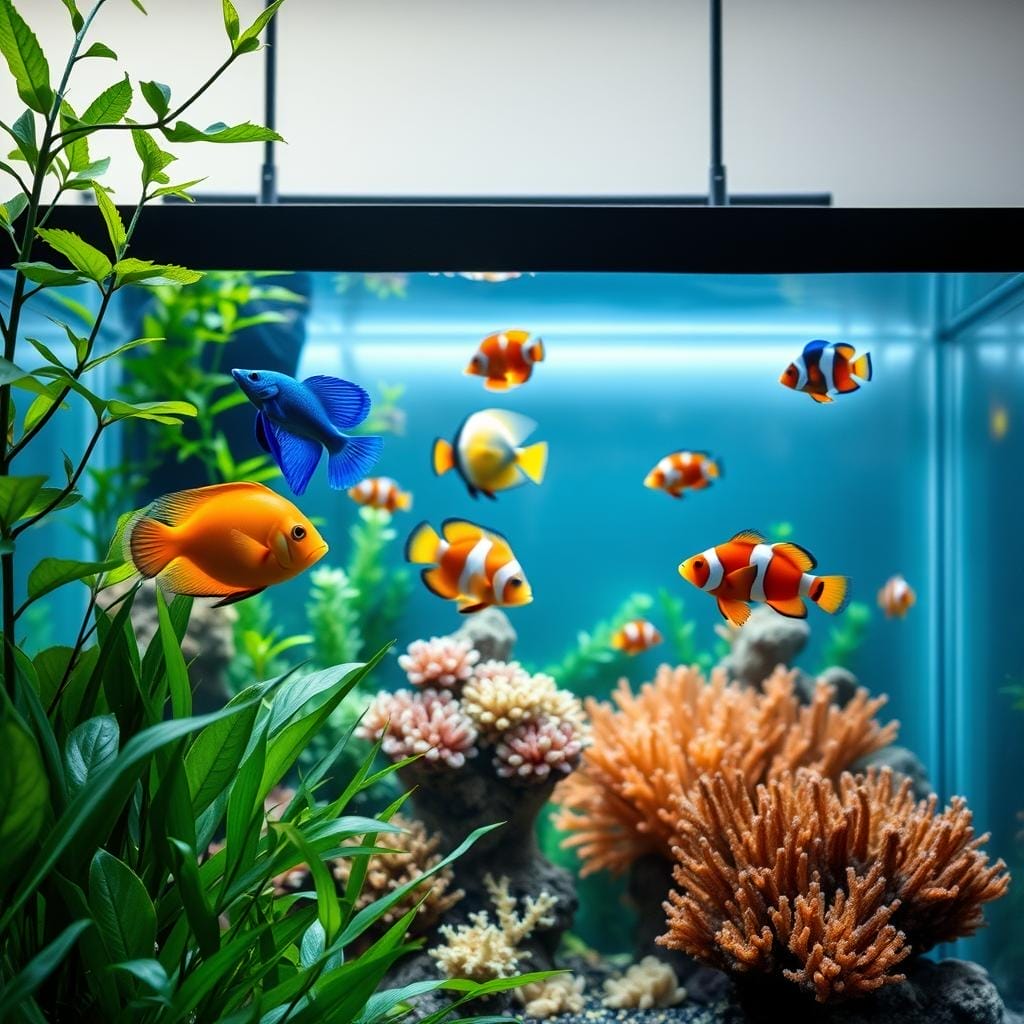
Have you ever wondered if the most extraordinary aquatic life could truly thrive in your own home?
Welcome to a journey into a fascinating underwater world. You are about to discover stunning aquatic companions that can transform your tank into a breathtaking showcase. These unique creatures bring a piece of nature’s wonder right into your living space.
The hobby of keeping an aquarium has grown beautifully over the last fifty years. Today, there is a wonderful demand for exotic specimens that make a tank one-of-a-kind. This guide is here to walk you through every step as a buyer.
We will help you understand what makes a species uncommon. You will learn to make informed, responsible choices that benefit both you and your pets. It’s exciting to know that rarity in the trade doesn’t always mean the same thing in the wild.
Choosing captive-bred specimens is a powerful way to protect threatened species. You can still enjoy extraordinary aquatic life while supporting sustainable practices. This guide will give you the confidence to select, care for, and maintain a thriving home aquarium. It’s an experience you will treasure for years.
Understanding the World of Rare Tropical Fish
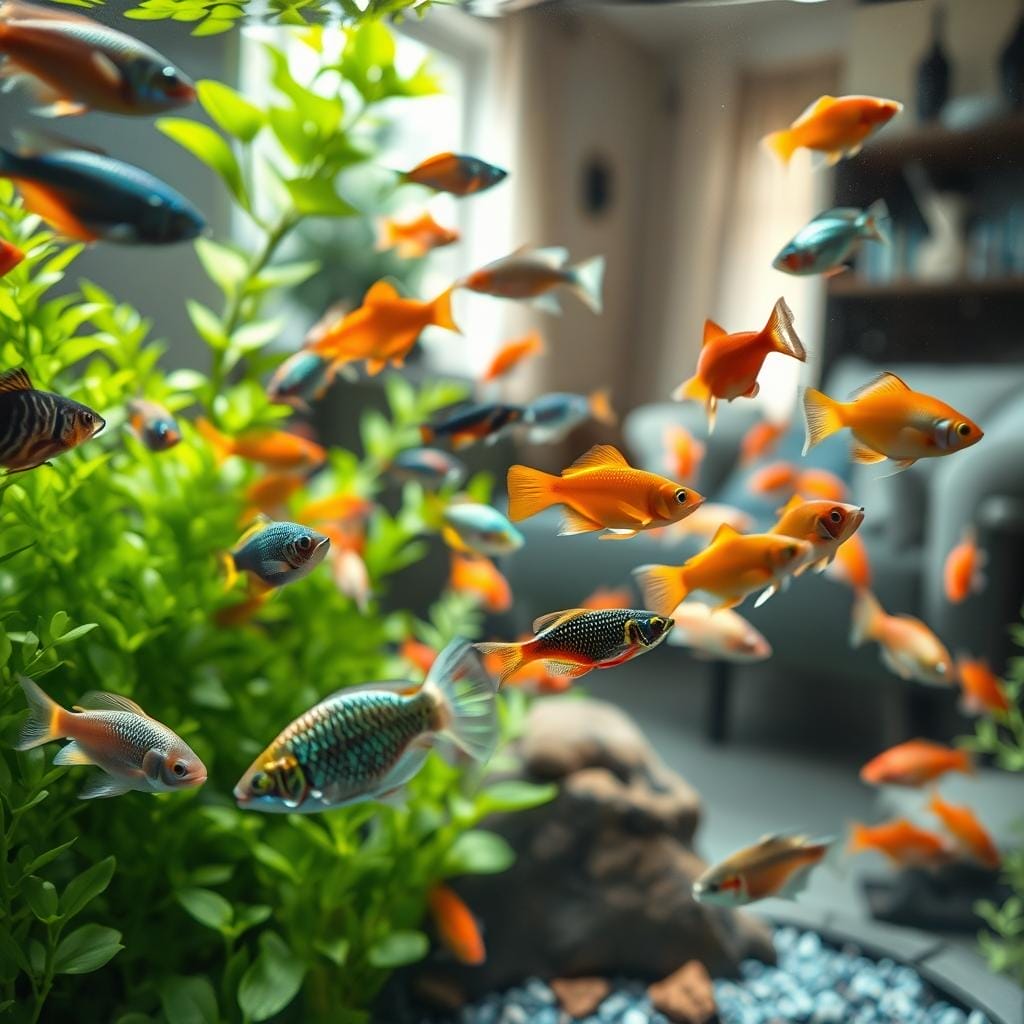
Exploring uncommon aquarium species reveals a spectrum of colors, behaviors, and origins. The aquarium industry has grown beautifully over decades, creating more opportunities to discover exceptional specimens.
Exploring Unique Species and Their Traits
You’ll find remarkable diversity in both freshwater and saltwater environments. Some creatures stand out for their extraordinary patterns, while others captivate with unusual behaviors.
The Imperial flower loach grows over two feet with golden coloring. Zebra plecos display striking black stripes on white backgrounds. Vibrant African cichlids like the Petrochromis offer fiery orange hues.
Market Trends and the Growing Demand for Rarity
Current trends show increasing interest in distinctive aquatic life. Prices reflect this demand, ranging from $225 for social loaches to extraordinary values for platinum arowanas.
Remember that rarity in the trade doesn’t always mean scarcity in nature. Your focus should be on finding specimens that match your experience level and tank setup.
Always verify that uncommon species come from sustainable sources. This ensures your aquarium supports responsible practices while bringing you joy.
Essential Aquarium Setup for Your Unique Fish Habitat
The foundation of a thriving underwater ecosystem lies in thoughtful preparation and setup. Your aquarium should become a stable environment where your aquatic companions can flourish for years to come.

Tank Size, Filtration, and Environmental Considerations
Choosing the right tank dimensions is your first critical decision. Some unique species like the Golden gar need an enormous 400-gallon minimum. Social creatures such as the Imperial flower loach require space for groups of four or more.
Your filtration system must handle the specific needs of each specimen. Robust equipment maintains the clear, well-oxygenated water that mimics natural river habitats. This prevents stress and supports optimal health.
Environmental factors extend beyond basic measurements. Consider water parameters, temperature stability, and plenty of hiding spots. Sensitive species like the Zebra pleco thrive only in well-established tanks managed by experienced keepers.
Investing the right time in proper setup from the start saves you future challenges. Planning for adult sizes means you won’t need multiple tank upgrades. Your careful preparation ensures a beautiful, sustainable home for your extraordinary aquatic life.
Selecting the Right Species for Your Aquarium – A Buyer’s Perspective
The art of selecting the right inhabitants for your tank requires balancing beauty with practical reality. Your perfect choice depends on honest self-assessment and understanding what makes each creature unique.
Key Selection Criteria for Your Tank
Begin your selection process by evaluating your experience level and available time. These factors guide you toward species that match your capabilities.
Consider compatibility carefully. Not all aquatic life cohabitates peacefully. Pairing incompatible creatures can lead to stress or aggression.
Freshwater fish generally need less maintenance than saltwater varieties. This makes them excellent for those seeking stunning specimens without complex marine systems.

Balancing Aesthetics, Maintenance, and Cost
Work with knowledgeable staff who understand specific habitat requirements. They provide accurate guidance on tank size and care needs before purchase.
Balance visual appeal with practical considerations. The most beautiful aquarium features healthy, well-selected species thriving in suitable environments.
Evaluate each potential addition beyond appearance. Consider adult size, dietary needs, and whether your current setup accommodates their requirements.
Create a selection checklist including water parameters and compatibility. This ensures you make informed choices for long-term success.
Caring for Your Rare Tropical Fish: Maintenance and Feeding Tips
The bond between you and your aquatic companions grows strongest through regular feeding and care. Your daily routine creates the stable environment these special pets need to thrive. Consistent attention prevents problems before they start.
Effective Feeding Practices for Optimal Health
Proper feeding is crucial for your pets’ health and longevity. Different species need specialized diets, from live foods to carefully selected prepared options. The Golden gar has a substantial appetite that impacts your ongoing costs.
Some unique specimens demand special attention. The polka-dot stingray with its u-shaped body requires daily hand feeding. This shows the commitment level some special aquatic life need from their owners.

Routine Cleaning and Tank Maintenance Essentials
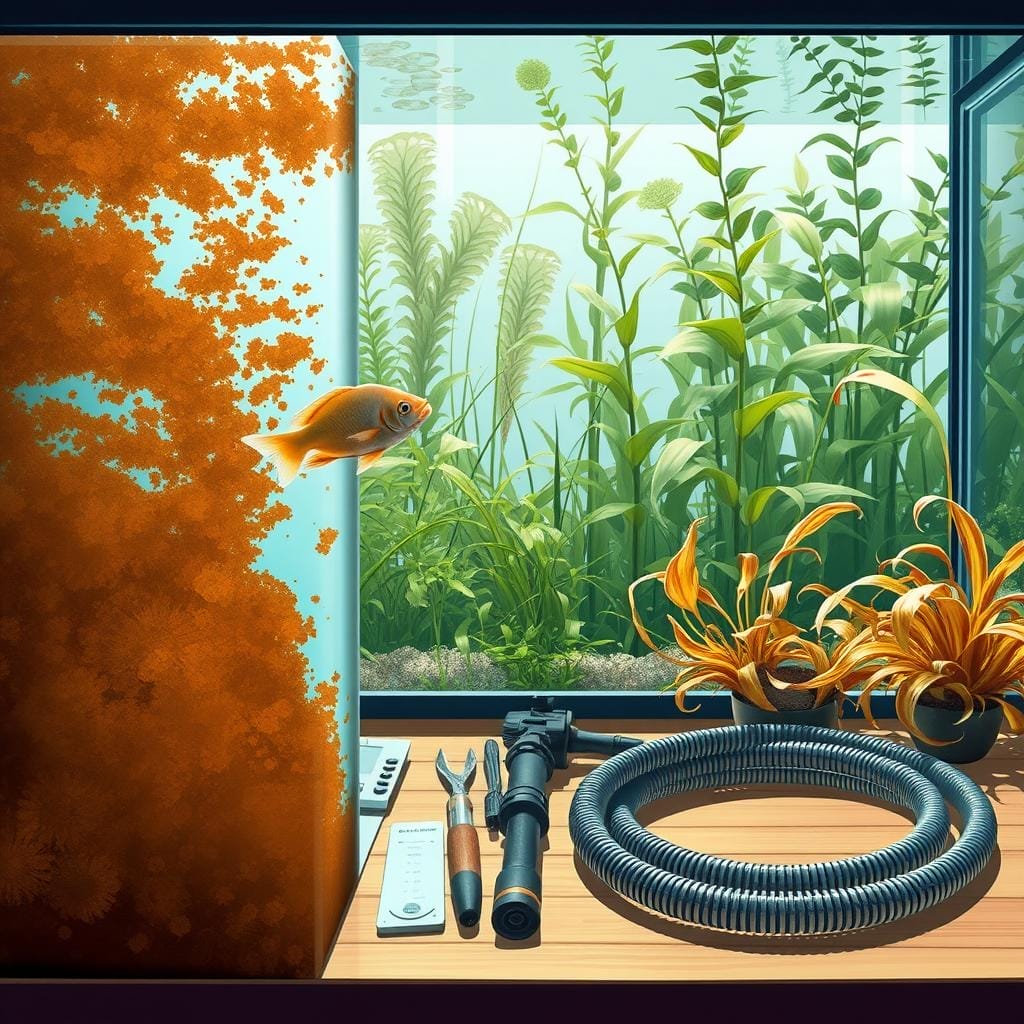
Regular maintenance is just as important as proper feeding. Water changes, filter cleaning, and parameter testing create the stable environment your pets need. Think of aquarium care like maintaining your own home.
Consistent care prevents problems and creates a healthier space. Practical cleaning schedules should fit your lifestyle while meeting your pets’ needs. This ensures caring for your tropical freshwater fish remains enjoyable.
Establishing a Stable and Thriving Environment
Establish a consistent feeding schedule that works with your daily routine. Your tropical fish will thrive on predictability. You’ll find it easier to monitor their health when feeding times are regular.
Learn water quality parameters and what actions to take when readings fall outside ideal ranges. Staff should provide instruction for proper care and feeding. This knowledge helps you create the perfect home for your aquatic companions.
Expert Insights on Captive-Bred vs Wild-Caught Specimens
Understanding the origin of your aquatic pets is one of the most responsible decisions you can make. Your choice directly affects wild populations and the sustainability of our hobby.
Some species labeled as uncommon in the trade might actually be plentiful in nature. Others face serious threats in their natural habitats. Always research before you buy.
Advantages of Choosing Captive-Bred Fish
Captive-raised specimens offer significant benefits for both you and the environment. They’re typically healthier and better adapted to life in aquariums.
These animals experience less stress during transport and acclimation. They’ve never known wild environments, making them more comfortable in home setups.

- Better adaptation to prepared foods and tank conditions
- Reduced impact on wild populations of threatened species
- Generally hardier constitution and lower disease risk
- Support for sustainable aquarium trade practices
Many previously wild-caught species now have captive-bred options. The prized Zebra pleco from Brazil’s Xingu River is one success story. Various freshwater stingray varieties are also being bred in captivity.
Always verify sources when considering uncommon animals. For threatened species like the Imperial flower loach, choosing captive-bred specimens is crucial. Your informed choices help protect vulnerable wild populations while enjoying beautiful aquatic companions.
Navigating the Market: Where to Find Your Rare Tropical Fish
Finding the perfect source for your aquatic companions requires careful research and trusted guidance. You want suppliers who understand your passion for unique specimens and prioritize animal welfare above all else.
Trusted Suppliers and Online Retailers
Companies like Predatory Fins import exceptional aquatic life from around the world, shipping directly to your door across the USA and Canada. They maintain a wide selection and offer strong live arrival guarantees for peace of mind.

When searching online, look for retailers appearing on the first page of results with established reputations. The top suppliers receive weekly shipments, ensuring fresh variety for both freshwater and saltwater enthusiasts.
Evaluating Quality, Health, and Authenticity
Local stores like Aquatech Aquarium Service provide personalized support through knowledgeable staff. They understand habitat requirements and offer maintenance plans tailored to your experience level.
Always verify animal health by observing active behavior and clean displays. Ask about origins and check if prices reflect true market value. Building relationships with top suppliers creates long-term value for your collection.
For more guidance on finding quality sources, explore this comprehensive guide to purchasing aquatic pets. Your careful supplier selection ensures you find healthy specimens that thrive in your care.
Bringing Your Aquarium Vision to Life
Your journey toward creating a spectacular underwater world is now within reach. You’ve learned about proper setup, thoughtful species selection, and sustainable practices. This knowledge prepares you to build an aquarium that becomes a source of daily joy rather than a maintenance burden.
Whether you choose freshwater or saltwater species, your investment of time and research will pay off beautifully. Start with creatures matching your current experience level, then gradually expand your collection. The right selection ensures your tropical fish thrive in their environment.
Remember that your tank should be more than just housing for fish—it’s a living work of art. For ongoing support and expert guidance, connect with the team at Island Fish and Scale. They share your commitment to creating healthy, beautiful aquatic habitats that bring lasting satisfaction.
FAQ
What should I consider before adding a new species to my freshwater or saltwater aquarium?
Before selecting any new addition, think about your tank’s current inhabitants, its size, and your experience level. Research the specific needs of the species, including water parameters, temperament, and diet, to ensure a smooth transition and a healthy community.
How do I create a stable environment for my unique aquarium pets?
Focus on consistency. Use a reliable filtration system, perform regular partial water changes, and monitor water quality with test kits. A stable temperature and consistent feeding schedule are also key to reducing stress and promoting long-term health for all your aquatic life.
Where is the best place to find healthy, high-quality specimens?
Start with reputable local fish stores with knowledgeable staff or established online retailers like LiveAquaria. Look for clear signs of health, such as active swimming and bright colors, and always ask about the source, preferring captive-bred options from suppliers like Aquatic Arts when available.
What are the benefits of choosing captive-bred fish over wild-caught ones?
Captive-bred animals are often hardier and better adapted to life in an aquarium. They are typically less prone to disease and stress. This choice also supports sustainable practices within the hobby, helping to preserve natural wild populations and ecosystems.
How often should I clean my tank and what does routine maintenance involve?
A good routine includes weekly tasks like wiping algae from the glass, vacuuming the substrate, and changing 10-25% of the water. Monthly maintenance should involve checking and cleaning filter media. Always treat new water with a conditioner to remove chlorine before adding it to your habitat.
Aquascaping ideasAquatic BiodiversityAquatic Rarity CollectionColorful Fish VarietiesExotic Aquarium FishExquisite Fish SpeciesRare Fish SpeciesRare Fishkeeping TipsTropical Fish TankUnique Aquarium Pets
Hi, I'm Millie a passionate fish enthusiast and blogger. I loves learning about all kinds of aquatic creatures, from tropical fish to stingrays.