
Reduce Stress in Fish: Tips for a Healthier Aquarium
 Millie Douglas
Updated on: December 1, 2025 .
7 min read
Millie Douglas
Updated on: December 1, 2025 .
7 min read
You pour your heart into creating a beautiful underwater world. You want your aquatic pets to thrive. But what if the environment you built is causing hidden harm?
Just like us, our finned friends feel pressure. Unseen factors in their home can quietly weaken their defenses. This can impact their immune system and shorten their lifespan.
Recognizing these challenges is your first step toward becoming a more attentive caretaker. Your tank should be a sanctuary, not a source of chronic anxiety.
This guide will empower you with knowledge. You will learn to spot subtle signs and create truly stable, healthy conditions. We will provide practical strategies to support your pets’ overall well-being.
Let’s build a peaceful aquarium where every creature can live its fullest life.
Understanding Stress in Fish: Causes and Impacts
While you strive to build a perfect aquatic home, various elements can unexpectedly disrupt your pets’ well-being. Recognizing these challenges helps you create a truly supportive environment.
What Triggers Stress in Your Aquarium
Your aquatic companions evolved in stable natural habitats. Even small changes in their surroundings can trigger significant defensive responses.
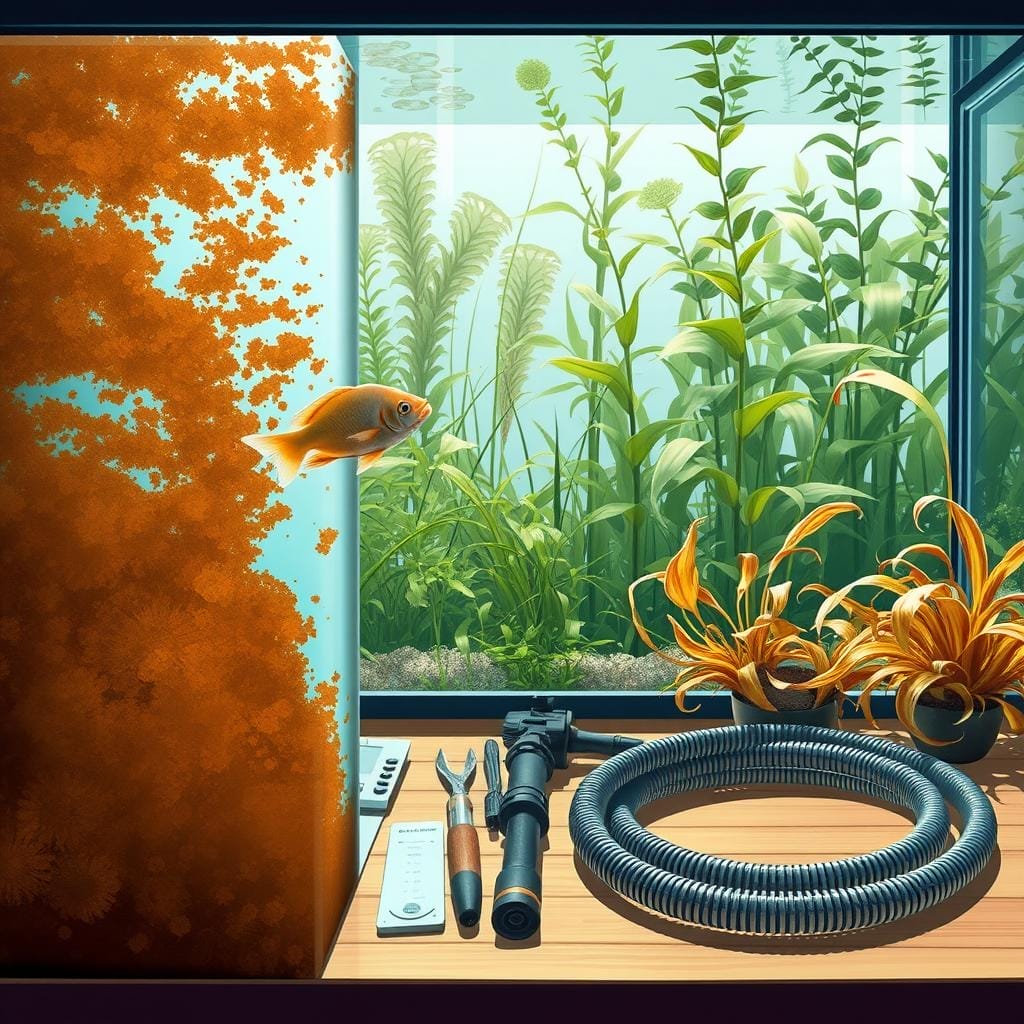
Common tank stressors include overcrowding, poor water quality, and aggressive companions. Sudden environmental shifts and improper handling also create tension.
Physical and Behavioral Signs of Trouble
Watch for unusual behaviors like hiding constantly or rapid gill movement. Physical changes might include faded colors or clamped fins.
Your pets may show reduced appetite or erratic swimming patterns. These signs indicate they’re struggling to adapt.
Short-Term vs. Long-Term Stress Effects
A single frightening event causes temporary tension that can take days to resolve. The body prioritizes immediate survival over long-term health.
Ongoing problems force continuous adaptation, weakening the immune system. Prevention is always better than cure, which is why proactive care strategies make such a difference.
Chronic conditions create extended adaptation periods lasting weeks. During this time, your pets remain vulnerable to illness.
Identifying and Monitoring Stress in Fish
Even the most well-maintained aquarium can develop issues that affect your pets’ wellbeing, making regular monitoring essential. Learning to spot early warning signs helps you address concerns before they escalate.
Recognizing Visual and Behavioral Cues
Your aquatic companions communicate through their appearance and actions. Watch for color variations—some species like Oscars may pale when unhappy, while others darken significantly.
Behavioral shifts often appear first. Look for increased hiding, bottom-dwelling, or reduced feeding interest. Aggressive territorial disputes or erratic swimming patterns also signal discomfort.

Each species has unique normal patterns. Knowing your pets’ typical behavior helps you quickly identify when something feels off.
Testing Water Quality and Environmental Conditions
Poor water conditions are the leading cause of aquarium tension. Regular testing helps catch invisible problems before visible symptoms emerge.
Your test kit detects ammonia buildup, nitrate spikes, or pH fluctuations. Even when parameters seem acceptable, ensure temperature and hardness match your species’ specific needs.
Amazonian varieties like cardinal tetras are particularly sensitive to water changes. Weekly monitoring and behavior logs help you catch small issues before they become serious problems.
Expert Strategies to Manage Stress in Fish
Your journey to a truly peaceful aquarium continues with proactive management. You can build a resilient environment where your aquatic companions flourish.
Let’s explore practical steps to support their well-being every day.
Setting Up a Fish-Friendly Environment
Begin with powerful filtration. Choose a unit rated for a larger tank than yours. This ensures crystal-clear water and removes harmful waste.
Mimic your pets’ natural habitat closely. Match the water’s pH, hardness, and temperature to their wild home. This familiarity provides comfort and security.
Offer a balance of hiding spots and open swimming areas. Nocturnal species need shelter, while active swimmers require room to explore. The right substrate is also crucial for bottom-dwellers.

Adjusting Tank Conditions and Handling Procedures
Test your water weekly. If ammonia or nitrate levels rise, act quickly. Perform partial water changes and clean your filter or substrate—but never both at once.
Handle your pets only when absolutely necessary. Netting is a significant event that can trigger alarm. A calm, quiet space helps them feel safe.
Enhancing the Immune System Through Diet and Care
Feed a varied, nutritious diet suited to their dietary type. Offer only what they can eat in two minutes. This prevents overfeeding and keeps the water clean.
Proper nutrition is your best defense against health challenges. It strengthens their natural ability to resist parasites and other threats.
Preventing Stressors with Proper Tank Mates and Space
Choose companions carefully. Avoid mixing shy and aggressive species. Provide schooling friends for social animals to prevent loneliness.
Maintain stable conditions to avoid chronic tension. This proactive approach is key to long-term vitality. For a deeper dive, explore our guide on understanding aquatic stress.
Your consistent care creates a sanctuary where every creature can thrive.
Next Steps for a Thriving, Stress-Free Aquarium
Now that you understand the fundamentals of aquarium wellness, it’s time to put your knowledge into action. Your commitment to prevention will transform your aquatic environment into a true sanctuary.
Begin with a thorough assessment of your current setup. Test water parameters and observe behavior closely. Identify any potential issues affecting your pets’ wellbeing. Create an action plan that addresses the most critical concerns first.
Remember that small, consistent improvements make a significant difference. Establish a maintenance routine with weekly testing and regular water changes. This proactive approach is your best defense against health challenges. For detailed guidance, explore this comprehensive 30-day aquarium care plan.
Chronic tension can create vulnerability to illness over time. Your consistent care prevents this cycle. Stay connected with the aquarium community and continue learning about your specific species’ needs. Additional resources like this aquarium health guide can support your journey.
Your efforts create an environment where every creature can express natural behaviors and live fully. This foundation of prevention ensures long-term vitality and joy in your underwater world.
FAQ
How can I tell if my fish is experiencing stress?
You can spot trouble by watching for changes in behavior. Look for signs like hiding more than usual, rapid gill movement, loss of appetite, or rubbing against objects in the tank. These cues often mean your pet is uncomfortable with its environment.
What is the most common cause of stress in an aquarium?
Poor water conditions are the top cause. Sudden shifts in temperature, high levels of ammonia or nitrite, and incorrect pH can seriously disrupt your aquatic friend’s well-being. Regular testing and maintenance are your best tools for prevention.
Can stress lead to disease in my aquarium?
Yes, prolonged stress weakens the immune system, making your fish more vulnerable to illnesses like fin rot or parasite infections. A healthy, low-stress environment is crucial for supporting their natural defenses against disease.
How does handling and tank maintenance affect my fish?
Netting, moving, or loud noises during cleaning can be significant stressors. To minimize this impact, perform tasks gently and slowly. Using a tank divider during maintenance can help keep your fish feeling secure.
What role does diet play in managing stress levels?
A high-quality, varied diet strengthens your fish’s body and immune response. Proper nutrition provides the energy needed to cope with minor environmental changes, helping them stay resilient and healthy.
How long does it take for a fish to recover from a stressful event?
Recovery time depends on the species and the severity of the problem. Once you fix the underlying issue, you might see improvement within a few hours to several days. Consistency in their care is key to a full recovery.
Aquarium healthAquarium stress factorsAquatic stress reductionFish stressFish tank tipsHealthy fish care
Hi, I'm Millie a passionate fish enthusiast and blogger. I loves learning about all kinds of aquatic creatures, from tropical fish to stingrays.