
Mastering Substrate Cleaning for a Healthy Aquarium Environment
 Millie Douglas
Updated on: December 1, 2025 .
7 min read
Millie Douglas
Updated on: December 1, 2025 .
7 min read
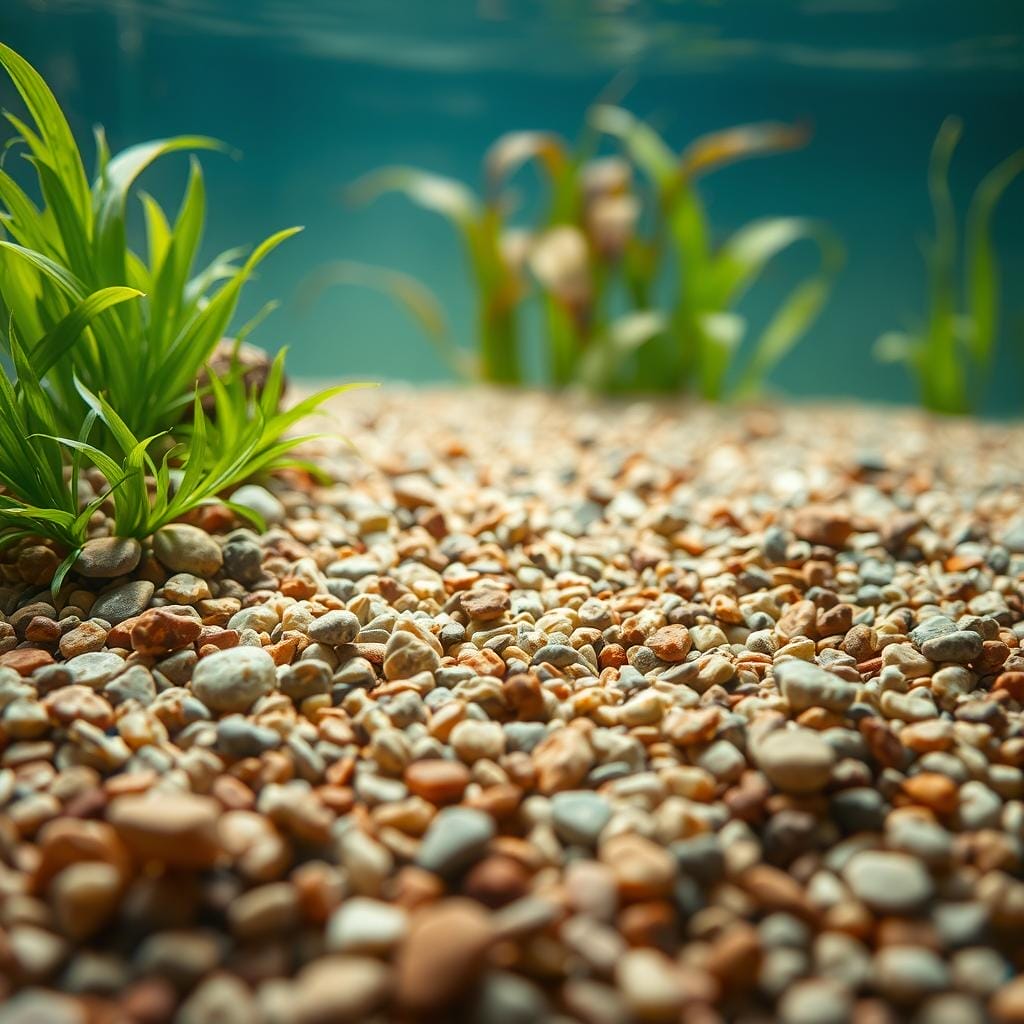
Have you ever wondered if the colorful gravel at the bottom of your fish tank is secretly harming your aquatic pets?
Many aquarium owners focus on water changes and filter maintenance, overlooking the foundation of their entire ecosystem. Your tank’s bottom layer is far more than just decoration. It plays a vital role in water quality and the well-being of your fish.
Whether you have gravel, sand, or a specialized bottom layer, learning the right maintenance techniques is a game-changer. Proper care saves you time, protects your fish, and makes upkeep feel simple.
This guide will show you how to transform your aquarium into a thriving underwater paradise. You will learn why waste buildup happens and how addressing it is essential for your fish’s health.
We provide clear, step-by-step methods for all experience levels. By the end, you will feel confident maintaining a pristine environment where your aquatic life can flourish.
Understanding the Importance of Clean Substrates in Aquariums
The material lining your aquarium floor serves as a living filter system for your aquatic environment. This foundation supports your entire ecosystem in ways you might not expect.
When you maintain this critical component properly, your fish thrive and your maintenance becomes easier. Let’s explore why this bottom layer deserves your attention.
Why a Clean Gravel Substrate Matters for Fish Health
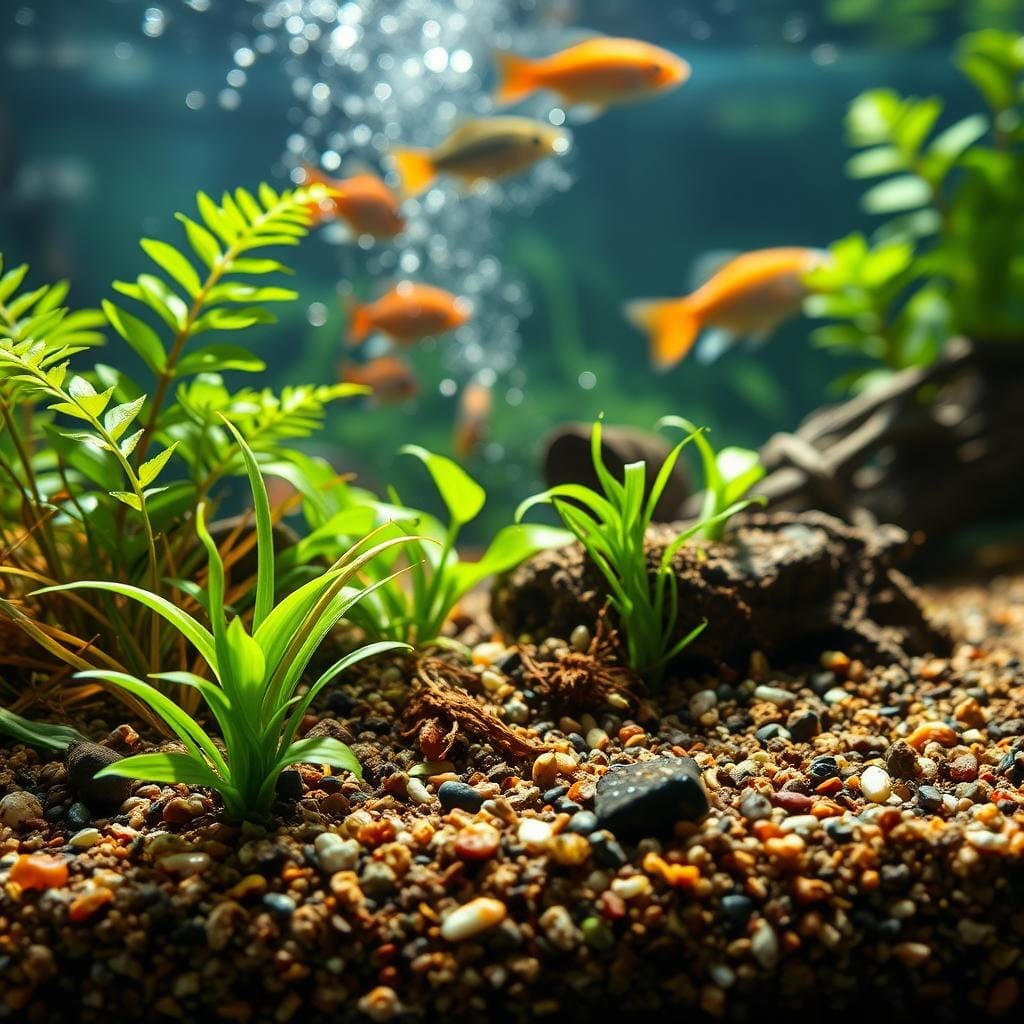
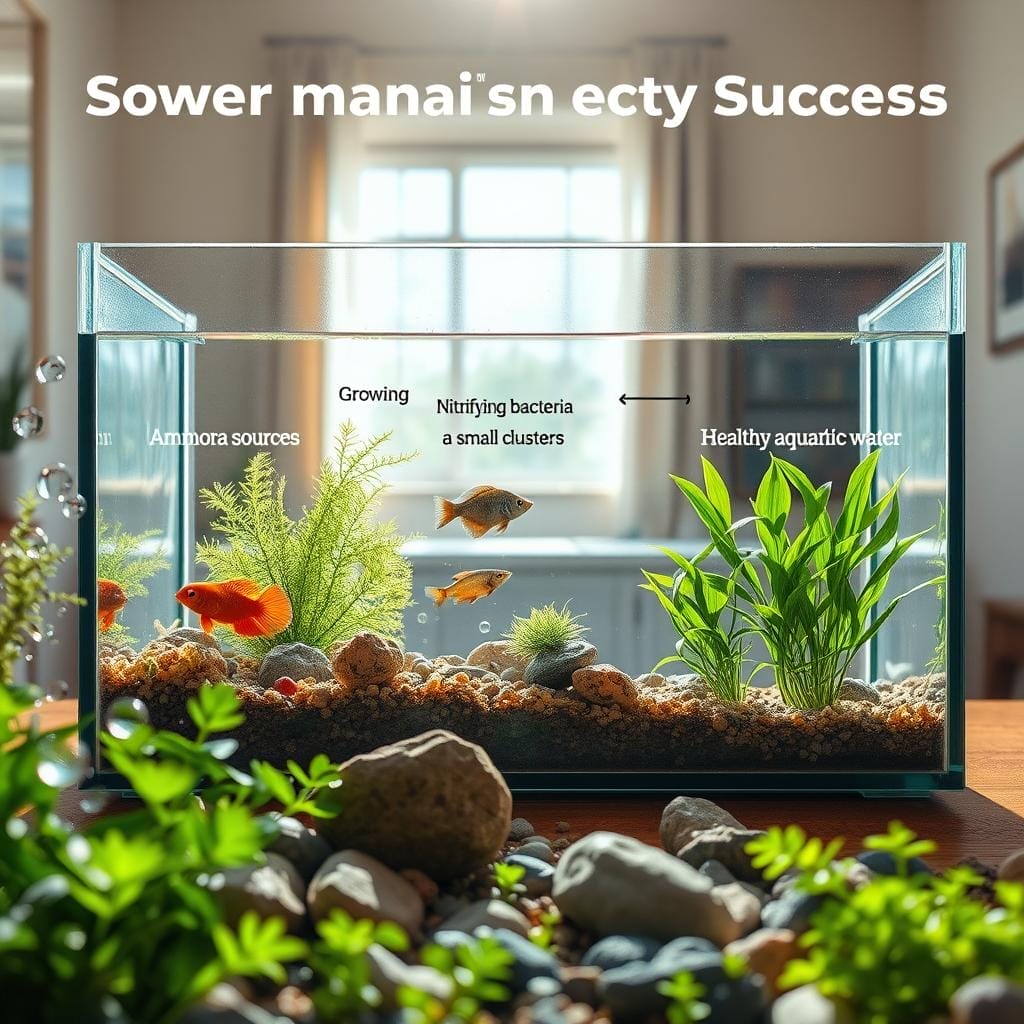
Your gravel substrate hosts beneficial bacteria that break down fish waste. These microorganisms keep your aquarium water safe by processing harmful compounds.
When organic matter accumulates, it can overwhelm these helpful bacteria. This creates stress for your fish and compromises their health. You’ll notice happier, more vibrant fish when you keep their environment clean.
How Organic Waste Affects Aquarium Water Quality
Uneaten food and fish waste settle into your gravel and begin decomposing. This process releases detritus into the water column, affecting your entire aquarium.
The breakdown of organic matter can lead to ammonia spikes and cloudy water. Regular cleaning aquarium gravel prevents these issues before they harm your aquatic life.
By understanding these connections, you create stable conditions that support a balanced ecosystem. Your proactive care makes all the difference for your tank’s inhabitants.
Step-by-Step Guide to Effective Aquarium Maintenance
Establishing a consistent maintenance schedule is the key to long-term aquarium success. When you follow a systematic approach, your weekly routine becomes efficient and rewarding.
This process helps you maintain excellent water quality while minimizing stress for your aquatic friends. Let’s break down the essential steps that will keep your tank thriving.

Preparing Your Tank and Equipment
Before starting, gather your essential tools. You’ll need a gravel vacuum, a dedicated bucket for aquarium use only, and water conditioner.
Turn off your filter and heater for safety. This prevents damage to equipment and ensures your peace of mind during the process.
Having everything ready makes your maintenance time more efficient. You’ll appreciate how organized preparation simplifies the entire experience.
Proper Vacuuming, Sludge Removal, and Water Changes
Insert your vacuum into the gravel at the tank bottom. Use gentle up-and-down motions to release trapped waste without disturbing the material.
Work systematically across each area, spending a few seconds per spot. Watch as debris flows into your bucket—this visual confirmation shows your progress.
During this process, remove about 25-30% of your tank water. This combined approach makes your maintenance incredibly time-efficient.
After vacuuming, refill with temperature-matched, conditioned water. Turn your filter back on and monitor your tank. Consistent weekly care prevents major problems and keeps your aquatic environment healthy.
Effective Substrate Cleaning: Best Practices and Techniques
What if you could maintain a pristine tank bottom without disturbing your delicate ecosystem? Modern products offer gentle solutions that complement your manual maintenance routine perfectly.
Utilizing Products like MICROBE-LIFT for Natural Sludge Breakdown
The MICROBE-LIFT gravel substrate cleaner provides a powerful way to tackle stubborn organic matter. This innovative product works 80% faster than bacterial solutions alone.
It uses natural microbes to break down waste between gravel particles or within sand beds. The formula reduces nutrients that fuel algae growth while clarifying your water.

When you apply this substrate cleaner, expect temporary water discoloration for 48-96 hours. This normal reaction shows the active ingredients are working to digest organics throughout your system.
Tips for Avoiding Disturbance of Beneficial Bacteria
Focus your manual efforts on front viewing areas and visible corners where debris accumulates. This preserves bacteria colonies in less disturbed sections of your tank.
For planted setups, gentle stirring of the top layer prevents compaction. Products like this gravel substrate cleaner offer excellent alternatives to aggressive vacuuming that might damage plant roots.
Remember that beneficial bacteria live throughout your aquarium—not just in the bottom material. Using a natural substrate cleaner won’t compromise your biological filtration like harsh chemicals would.
Alternate which sections you clean most intensively each week. This simple strategy, combined with effective techniques, maintains balance while keeping your aquarium beautifully clean.
Wrapping Up Your Aquarium Care Journey
Your journey toward aquarium mastery has brought you to one of the most rewarding aspects of fishkeeping. You now understand how proper care of your tank’s foundation directly supports water quality and fish health. This knowledge transforms maintenance from a chore into a satisfying routine.
Whether you work with gravel, sand, or specialized materials for your planted tank, you have the tools for success. Regular water changes combined with thoughtful care prevent waste buildup. Your clean gravel and sand don’t just look beautiful—they function efficiently to support beneficial bacteria.
Products like MICROBE-LIFT help manage organic matter in tricky spots, especially around delicate plant roots. As you gain experience, you’ll develop intuition for your unique setup. Every aquarium tells its own story, and your observation skills will guide your approach.
Remember that your maintenance routine should feel manageable. Breaking tasks into weekly sessions prevents overwhelm. For more guidance on establishing your tank, explore this step-by-step aquarium setup guide. If you need refreshers on techniques, this freshwater tank maintenance resource offers valuable insights.
Celebrate each successful session as progress toward confidence. Your commitment creates a thriving underwater world that brings joy for years to come.
FAQ
How often should I clean my aquarium gravel?
A good rule of thumb is to perform a partial water change and vacuum your gravel every one to two weeks. This helps remove fish waste and excess food before it breaks down and affects your tank water quality. The frequency can depend on your tank’s bio-load and whether you have live plants.
What is the best way to clean a gravel substrate without harming beneficial bacteria?
The key is gentle maintenance. Use a gravel vacuum to clean the top layer of your gravel, focusing on areas with visible waste. Avoid deep cleaning the entire bed at once, as beneficial bacteria live within the substrate. Products like MICROBE-LIFT Gravel & Substrate Cleaner can help break down sludge naturally, preserving the vital biological filter in your system.
Can I clean the substrate in a planted tank?
Yes, you can! Be extra careful around plant roots. Gently hover the vacuum over the surface of the gravel or sand to lift detritus without uprooting your plants. It’s often easier to clean open front areas and leave the corners and densely planted spots undisturbed to protect root systems and the bacteria living there.
What is the difference between cleaning gravel and sand?
Sand is finer and denser than gravel. When vacuuming sand, you need to hover the siphon tube just above the surface to pull up waste without sucking up the sand itself. With gravel, you can push the vacuum tube into the top layer to stir and clean more deeply. Both methods effectively remove muck and help maintain a healthy environment for your fish.
Do I need a special product for substrate maintenance?
While a gravel vacuum is the essential tool, using a product like MICROBE-LIFT Gravel & Substrate Cleaner can greatly enhance your routine. It contains specialized microbes that naturally break down organic matter and sludge between water changes, improving water clarity and reducing manual labor.
Algae control methodsAquarium cleanliness tipsAquatic substrate maintenanceFish tank substrate careGravel vacuuming techniquesHealthy aquarium ecosystem
Hi, I'm Millie a passionate fish enthusiast and blogger. I loves learning about all kinds of aquatic creatures, from tropical fish to stingrays.