
Tropical Fish Breeding Made Easy: Your Step-by-Step Guide
 Millie Douglas
Updated on: December 1, 2025 .
10 min read
Millie Douglas
Updated on: December 1, 2025 .
10 min read
Have you ever wondered if the secret to a thriving home aquarium is simpler than you think? Many people believe that raising new aquatic life is a complex task reserved for experts. But what if you could unlock this rewarding part of the hobby with confidence?
This guide is here to show you how. We will walk you through the entire process, from the very basics to the more advanced aquarium fish breeding techniques. You’ll see that it doesn’t require a huge investment or a science degree.
With a little patience and the right knowledge, you can create an environment where your aquatic pets flourish. Whether you are new to the hobby or have years of experience, this article provides clear, actionable steps for your journey.
Understanding the Basics of Tropical Fish Breeding
Creating new life in your tank is one of the most fulfilling achievements for any aquarium keeper. It’s about more than just increasing your numbers. You get a front-row seat to the incredible full life cycle of your aquatic pets.
Why Breed Your Aquatic Pets?
This process deepens your connection to their natural world. You gain a richer understanding of their behaviors and needs. It’s a rewarding challenge that builds your confidence.
Key Environmental and Biological Factors
In nature, creatures focus on survival and reproduction. Your tank can mirror ideal conditions. A safe space, proper tropical freshwater fish pairings, and plenty of nutritious food set the stage.
Water quality is critical. Parameters like pH and hardness must suit your specific species. The right conditions encourage spawning and healthy egg development.
Temperature acts as a powerful trigger. A slight, controlled drop can mimic seasonal rains for many types. This signals that it’s the perfect time for reproduction.
Nutrition is non-negotiable. Egg production demands huge energy and protein. Well-fed pets, with males and females in prime condition, are ready for this demanding process.
Preparing Your Breeding Tank and Equipment
Your breeding setup doesn’t need to be complicated to be effective for raising healthy young. A simple 10- or 20-gallon aquarium works perfectly for most beginner-friendly species. This keeps your initial investment manageable while providing ample space.
Choosing the Right Tank and Tools
Selecting the proper tank size is crucial for success. Most small species thrive in compact setups. An air-powered sponge filter is your best choice for filtration.
This type of filter protects tiny eggs and fry from being sucked into powerful inlets. Different aquatic creatures have unique spawning methods that require specific setups.
Egg scatterers need bare tanks with spawning mops or marble beds. Egg depositors prefer surfaces like slate or flowerpots. Bubble nesters require still, shallow water with floating anchors.
Creating Ideal Water Conditions and Temperature
Water quality parameters are essential for encouraging reproduction. Test and adjust pH and hardness to match your specific species’ needs. Temperature acts as a powerful spawning trigger.
Keep your breeding environment simple without substrate or elaborate decorations. This approach makes maintenance easier and gives you better water quality control. A heater and basic lighting complete your essential equipment list.
Step-by-Step Guide to Breeding Your Tropical Fish
Ready to take the exciting leap into the actual reproduction process with your aquatic pets? This section walks you through each phase, from recognizing mating readiness to caring for the newest arrivals.
Mating, Spawning, and Raising Fry
Start with livebearers like guppies for your first attempt. Their babies arrive swimming and can eat crushed flake food immediately. This makes them much simpler to raise than tiny egg-layer fry.
Watch for signs that your pets are ready. Look for rounded bellies in females, indicating developing eggs. Some species show visible egg tubes. Males may display brighter colors or more active chasing behaviors.
Healthy adults are essential for success. Ensure your potential parents show no signs of disease or stress. Sick creatures simply won’t reproduce successfully.
Protect eggs and newborn fry from being eaten. Use breeding boxes or separate tanks when necessary. Sometimes moving adults works better than isolating babies.
Managing Breeding Cycles and Timing
Be prepared for rapid reproduction. A single angelfish spawn can produce enough offspring to supply you for a year. Don’t raise more than you can handle.
It’s perfectly acceptable to let nature manage population size. Subsequent spawns can be naturally consumed if you have limited space. This approach reduces overcrowding stress.
Patience is crucial when raising young. Rushing growth or overcrowding leads to health issues. Give each generation time to develop properly before considering the next cycle.
Maintaining Healthy Aquarium Conditions for Breeding Success
The secret to raising healthy aquatic babies lies in mastering simple daily care habits. Your consistent attention creates a stable environment where new life can flourish without stress.
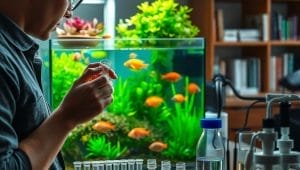
Clean water is your most important tool. Perform small, frequent water changes instead of large ones. This approach keeps conditions stable without shocking your delicate aquatic pets.
Regular Water Quality and Filter Maintenance
Make sure your aquarium filter gets gentle cleaning during water changes. Rinse media in removed tank water to preserve beneficial bacteria. This prevents cycle crashes that could harm your breeding efforts.
Test water parameters regularly. Simple kits take just minutes but provide crucial information. They help you catch problems before they affect your aquatic family.
Remove uneaten food promptly. Decomposing meals pollute water quickly. Tiny fry are especially vulnerable to poor water conditions.
Establish a maintenance schedule that becomes second nature. Consistent care doesn’t need to consume all your time. It simply becomes part of your rewarding routine.
Monitor temperature closely. Even small fluctuations can stress breeding adults or harm developing eggs. Stable conditions encourage successful reproduction cycles.
By staying on top of these basics, you create a safe haven. Your aquatic pets can then focus their energy on raising the next generation successfully.
Profitable Practices in Fish Breeding
What if your passion for raising aquatic life could also help support your hobby financially? Many people find that their breeding efforts can generate meaningful income while covering aquarium expenses.
Starting small is the smartest approach. Begin with just one or two tanks to prove your concept works before expanding. This keeps your initial investment manageable.
Connecting with Local Fish Stores
Building a relationship with one local shop is far more valuable than trying to sell to multiple stores. Big brand pet stores typically won’t buy from local breeders, but independent shops often welcome quality stock.
When approaching a shop, bring a free sample of your aquatic creatures along with a clear pricing list. This demonstrates good faith and lets them test the market without risk. Focus on breeding species that match what the store already sells.
Cost Management and Revenue Growing Tips
A single 20-gallon setup can generate impressive returns. For example, selling 50 guppies monthly at 50¢ each brings $25. Add red cherry shrimp and java moss, and you could earn around $840 annually from one tank.
Price your offerings at approximately 25% of the retail customer price. This gives the shop room for profit while keeping your prices attractive. Consistency matters most—being the reliable supplier who always delivers healthy stock builds lasting business relationships.
By following these profitable practices, you can enjoy your breeding hobby even more knowing it helps fund your passion.
Expert Tropical Fish Breeding Tips and Techniques
What if the key to breeding challenging species lies not in complex equipment, but in smart feeding practices? Advanced nutrition strategies can dramatically improve your success rates with even the most delicate aquatic creatures.
Advanced Feeding Strategies and Live Food Cultures
Tiny babies have tiny mouths that need perfectly sized meals. Crumbled flakes work for larger livebearer offspring, but egg-layers require specialized microscopic foods like infusoria when they first hatch.
As your aquatic babies grow, they need different nutrition. Powdered food and crushed dry options work well. But live options like brine shrimp and microworms create healthier, faster-growing offspring.
All aquatic creatures thrive with some live food in their diet. Feeding bloodworms or mosquito larvae for several days before spawning signals that conditions are perfect. This triggers their natural instincts to reproduce.
Separate males and females for about a week while feeding premium live foods. When you reunite them in peak condition, they’re ready for successful reproduction. Plants like java moss provide double benefits—cover for babies and natural micro-organisms to nibble.
By mastering these expert feeding techniques, you’ll raise robust offspring that grow quickly. The right food at the right time makes all the difference in your breeding journey.
Final Thoughts on Building a Thriving Aquarium Breeding Hobby
Starting your breeding adventure is about embracing the learning process as much as the results. Remember that this is a long-term hobby where patience and consistency pay off beautifully.
Keep a simple journal to track your project progress. This helps you learn from each attempt. Focus on one species at a time to give your aquatic pet the attention they deserve.
Don’t get discouraged if your first attempt isn’t perfect. Each effort teaches valuable lessons. The aquarium community is full of supportive people who love sharing knowledge about selective breeding techniques.
You now have the foundation to create a thriving breeding program that deepens your connection to this wonderful hobby. Your real education begins when you set up that tank and watch life respond to your care.
FAQ
What is the first thing I need to start breeding my aquatic pets at home?
The most important first step is setting up a separate, dedicated aquarium. This gives you control over the environment, protecting both the adults and the future babies from stress and other tank mates.
How can I tell if my guppies or other livebearers are ready to mate?
Look for clear signs! Males will often display vibrant colors and actively chase females. For many species, a female that appears fuller or has a darkened gravid spot near her abdomen is likely ready.
What should I feed the tiny fry after they hatch or are born?
Newly hatched babies need very small, nutritious foods. Excellent options include specially formulated fry food, infusoria, or freshly hatched brine shrimp. These provide the essential nutrients for healthy growth.
Do I need a special filter for a tank with eggs or small shrimp?
A> Yes, safety is key. A standard power filter can suck up small creatures. A gentle sponge filter is a perfect choice because it provides filtration and water flow without posing a danger to your delicate new arrivals.
Is it possible to make a profit from this hobby by selling to a local pet shop?
Absolutely. Many local fish stores are happy to buy healthy, home-bred stock. Focus on breeding quality species and maintaining their health. Building a good relationship with your local shop is a great way to support your project.
How do I manage water quality to ensure the highest survival rate for the young?
Consistent maintenance is crucial. Perform small, frequent water changes to keep the environment clean without causing sudden shifts. Regularly test your water parameters like ammonia and nitrite, keeping them at zero for the best results.
Also Read: Common Aquarium Problems and How to Fix Them
Aquarium Fish BreedingBreeding ProcessBreeding Tropical FishFish Breeding GuideFish Breeding TipsFish ReproductionLivebearer Fish BreedingSpawning TechniquesTropical Fish Care
Hi, I'm Millie a passionate fish enthusiast and blogger. I loves learning about all kinds of aquatic creatures, from tropical fish to stingrays.