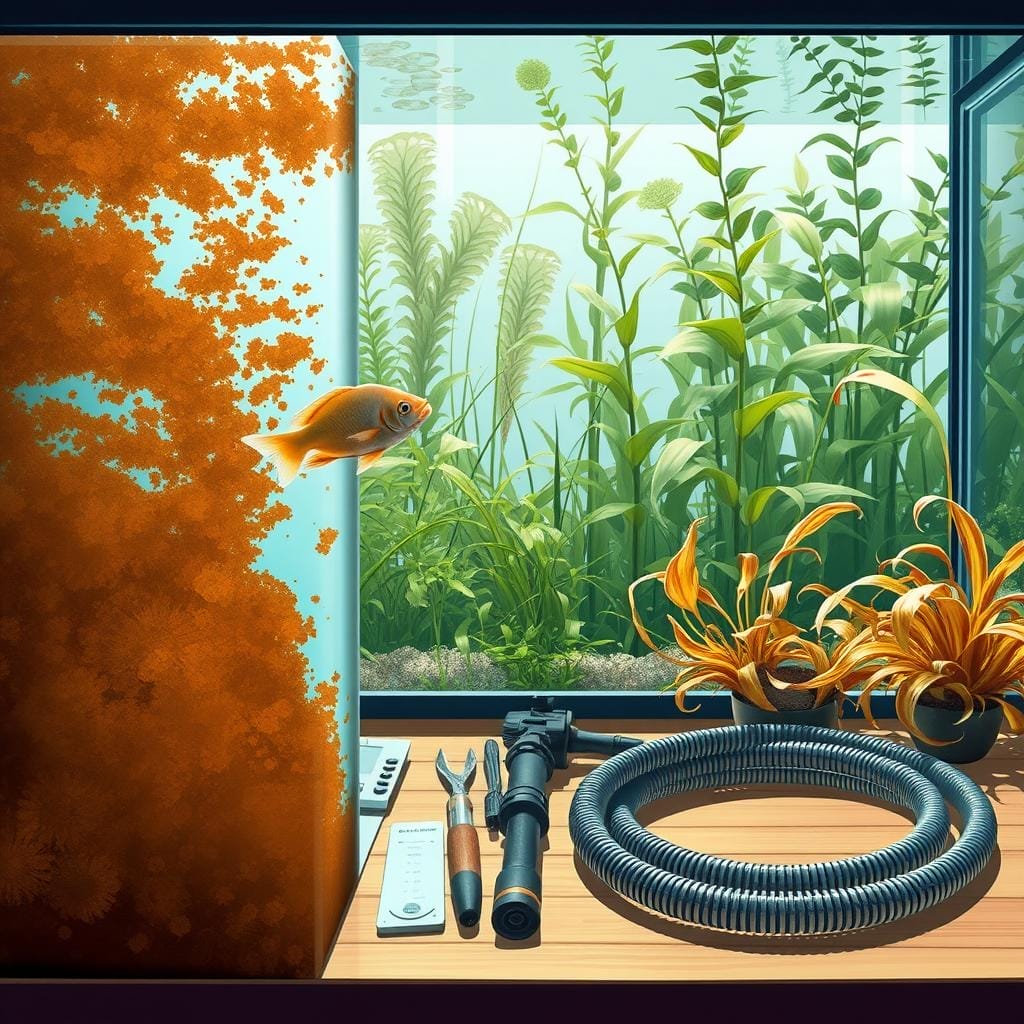

Keep Your Aquarium Safe with Regular Equipment Checks
 Millie Douglas
Updated on: December 1, 2025 .
11 min read
Millie Douglas
Updated on: December 1, 2025 .
11 min read
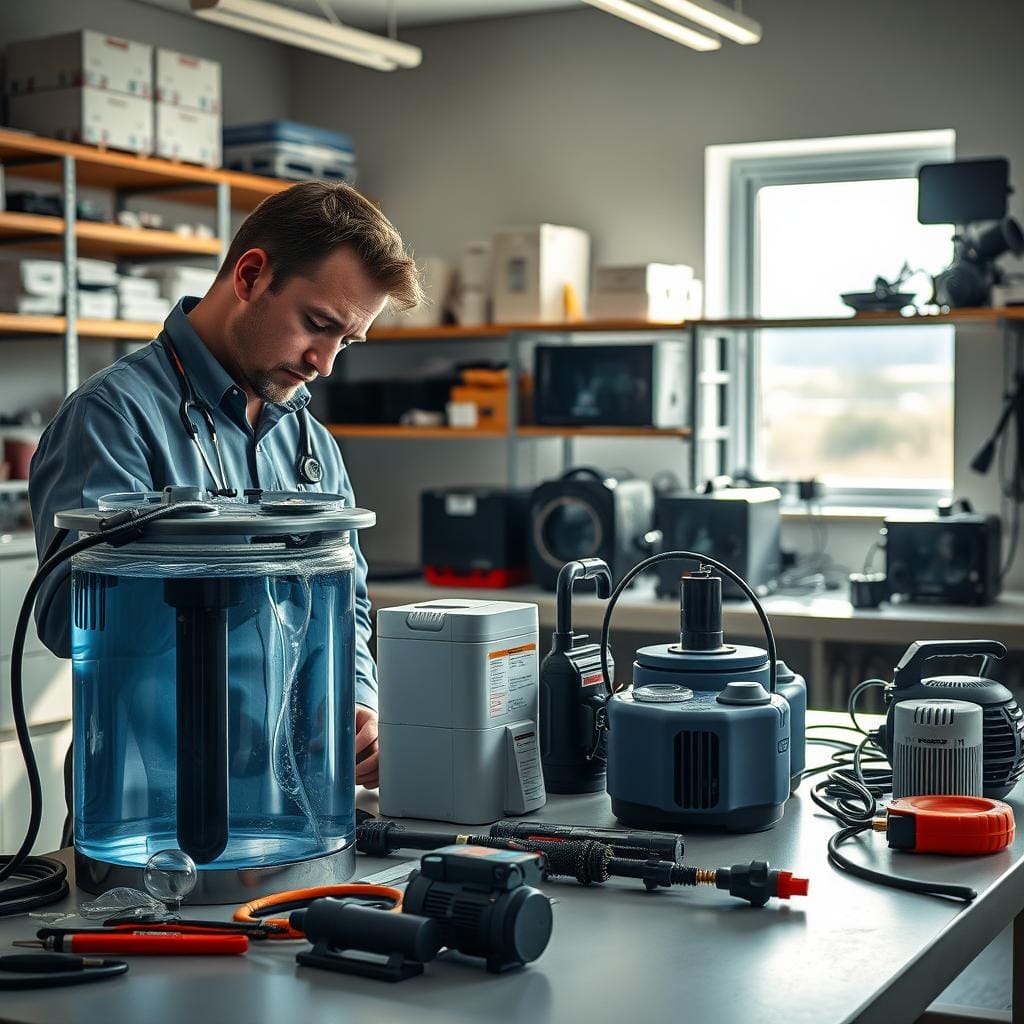
What if the biggest threat to your beautiful underwater world wasn’t something you could see swimming around, but something silently failing behind the scenes?
Your aquarium is a delicate ecosystem. Your fish and plants rely completely on their environment to stay healthy. A simple malfunction can have serious consequences. That’s why a proactive approach to maintenance is so vital.
Many aquarium owners use manual methods to monitor their setup. These methods can be inconsistent. They make it hard to spot small issues before they become big problems. Establishing a solid routine gives you peace of mind.
This guide will show you how simple, regular inspections can protect your aquatic pets. You’ll learn practical techniques for your filter, heater, and other essential components. These strategies fit into any schedule.
Whether you’re just starting out or have years of experience, these steps will help you maintain a stable, thriving habitat. You’ll gain confidence knowing you’re providing the best possible home.
Why Regular Equipment Checks Are Essential for Safety
Small, consistent actions today can prevent major disruptions tomorrow in your aquarium ecosystem. Your commitment to routine monitoring builds a foundation of safety that protects your aquatic pets from unexpected hazards.
Think of these inspections as your early warning system. They help you spot potential issues before they escalate into emergencies that threaten your fish’s well-being.
Avoiding Downtime and Costly Repairs
When your aquarium systems experience unexpected downtime, your fish face immediate stress and health risks. A malfunctioning heater or filter can create dangerous conditions within hours.
Regular maintenance helps you identify small problems early. This proactive approach saves you money by preventing expensive emergency repairs when components break down completely.
Simple fixes like cleaning a clogged intake or tightening connections are quick and affordable when caught during routine inspections.
Enhancing Operational Efficiency
Consistent monitoring maintains your aquarium’s operational efficiency, keeping everything running smoothly. You’ll spend less time troubleshooting emergencies and more time enjoying your underwater world.
This preventive approach helps you spot wear patterns and plan for part replacements before failure occurs. Your dedication to safety through consistent care shows responsible pet ownership.
You protect the delicate ecosystem you’ve worked hard to create while ensuring your fish thrive in a stable, healthy environment.
Key Aspects to Inspect During Equipment Safety Checks
Imagine your aquarium as a finely tuned machine where every part plays a crucial role in maintaining your fish’s perfect environment. Your regular inspection routine should cover several critical areas to ensure everything works harmoniously.
Structural Integrity and Mechanical Components
Start by examining your tank’s framework and stand for any cracks or warping. Look closely at moving parts like filter impellers and pump motors for signs of wear. These mechanical components need proper alignment to prevent malfunctions.
Check seals and gaskets on canister filters to avoid leaks. Listen for unusual noises that might indicate bearing issues. Catching small problems early protects your entire setup from damage.
Electrical, Hydraulic, and Pneumatic Systems
Your electrical systems require careful attention during each inspection. Examine cords and plugs for fraying or corrosion. Ensure all connections remain secure to prevent safety hazards.
Monitor water flow through pumps and powerheads. Remove mineral buildup or debris that reduces functionality. Consistent performance across all systems keeps your aquatic pets safe.
Safety Devices and Operational Performance
Test safety features like heater thermostats and GFCI outlets regularly. Confirm automatic shutoff valves will activate if needed. These protective measures provide essential backup protection.
Observe your equipment during operation to spot performance issues. Watch for reduced water flow or inconsistent heating. Regular verification ensures each part functions as intended.
Diverse Types and Frequencies of Equipment Inspections
Your aquarium maintenance doesn’t have to follow just one rigid pattern. Different situations call for different approaches to keeping your aquatic environment safe.
By mixing various inspection types, you build layers of protection. This comprehensive strategy catches issues at different stages before they become serious.
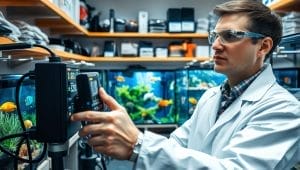
Pre-Operation and Routine Inspections
Start each day with a quick visual scan of your setup. These brief pre-operation reviews take just minutes but spot obvious problems immediately.
Your routine inspections follow a regular schedule. Daily glances catch sudden changes. Weekly reviews allow for deeper cleaning and testing. Monthly examinations involve thorough component analysis.
This structured approach helps you identify wear patterns over time. You’ll notice when filters need attention or pumps show early signs of stress.
Condition-Based and Post-Incident Reviews
Smart maintenance also includes responsive inspections. Condition-based reviews happen when performance indicators suggest attention is needed.
After any incident, conduct a post-incident review. This process helps you understand what went wrong and prevents future occurrences.
By varying your inspection frequency during critical times, you create a safety net that adapts to your aquarium’s changing needs.
Step-by-Step Guide to Performing Equipment Inspections
You can create a reliable inspection process that fits perfectly into your maintenance routine. This approach transforms what might feel like a chore into a satisfying ritual that protects your aquatic friends.
Planning, Preparation, and Using a Digital Checklist
Start with a clear plan that identifies which components need attention. Gather your information—manuals, maintenance records, and notes about past issues.
Using a digital checklist keeps you organized throughout the inspection process. This tool ensures you never miss critical steps while documenting your findings efficiently.
Prepare your workspace with good lighting and necessary tools. Safety comes first when examining your aquarium systems.
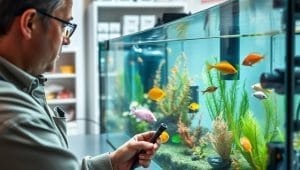
Executing the Inspection Process and Documenting Findings
Work through your checklist systematically. Begin with visual external reviews before moving to detailed internal assessments.
Document everything you discover during the inspection process. Take photos of wear patterns or concerns for future reference.
Note specific details like filter flow rates and heater performance. This information helps you track changes over time.
After completing your inspection, review findings to prioritize actions. Schedule necessary repairs immediately and set follow-up reminders.
Digital tools make this process easier for sharing with other aquarium technicians or hobbyists. You’ll build valuable historical data for better maintenance decisions.
Implementing Equipment Pre-Use Checks for Maximum Reliability
Before making any significant changes to your tank, a quick pre-use review can prevent stressful situations for both you and your fish. This simple habit ensures your aquarium systems operate at peak performance when they matter most.
Real-World Scenarios Across Industries
Just like operators of heavy equipment verify their machinery before starting work, you should test your aquarium components before critical moments. These quick checks catch issues when your tank assets face their greatest stress.
Imagine testing your heater before winter temperatures drop. Or verifying your filtration system before leaving on vacation. These real-world scenarios show how pre-use inspections prevent problems during important transitions.
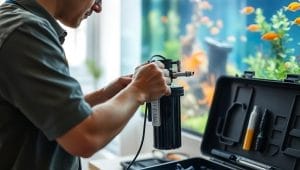
Your aquarium’s essential machinery—like canister filters and high-powered pumps—benefits greatly from this approach. Following industrial reliability practices adapted for home aquariums builds consistent performance.
Essential Elements for an Effective Pre-Use Check Form
Create a simple form that anyone can use. Include basic information like date, time, and which components you’re reviewing. This creates accountability and ensures compliance with your maintenance schedule.
Add fields for recording model information and any unusual observations. Note unusual sounds, smells, or performance issues during your inspection. This documentation helps track your system’s reliability over time.
A sign-off section ensures everyone understands who performed the review. Whether you’re using advanced water pumps or simple filters, this process protects your aquatic investments.
Leveraging Digital Solutions for Efficient Equipment Inspections
Technology can transform your aquarium maintenance from a chore into a smooth, efficient routine. Digital tools address the frustrations of paper logs—like misplaced notes and forgotten schedules—by creating a reliable system that works for you.
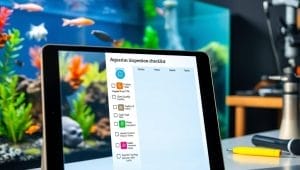
Streamlining Data Collection and Reporting
Your smartphone becomes a powerful tool with digital inspection checklists. These guides walk you through each step, ensuring you capture all essential information. You can take photos of concerns and attach them directly to your digital inspection report.
This creates a detailed history that helps you track changes over time. The data you collect makes it easy to make informed decisions about maintenance needs.
Ensuring Compliance and Accountability
Digital solutions automatically record dates and times for each review. This built-in tracking helps maintain compliance with your maintenance plan through automated reminders.
You can share tasks with family members or aquarium teams, creating clear accountability. Everyone involved can access the same inspection report, leading to better results for your aquatic pets. This approach mirrors professional inspection processes adapted for home use.
Your consistent documentation builds a valuable knowledge base. You’ll spot patterns that predict issues before they affect your fish’s health.
Essential Equipment Checks: Techniques and Best Practices
Creating a truly effective aquarium maintenance routine means moving beyond generic approaches and customizing your process. Your unique setup deserves attention tailored to its specific needs and components.
The most successful aquarium owners develop systems that work for their particular situation. They combine proven techniques with personal observations to create comprehensive protection for their aquatic environment.
Tailoring Checklists to Meet Specific Needs
Your inspection checklist should reflect what matters most in your aquarium. A small freshwater tank has different priorities than a large reef system with complex life support.
Consider your tank’s specific components when creating your maintenance plan. Note which parts need weekly attention versus monthly reviews. This personalized approach helps you spot problems before they escalate.
Advanced hobbyists and technicians often adapt machine inspection techniques for aquariums. They listen for unusual sounds and feel for excessive vibration during their equipment inspection routine.
Also Read: Common Aquarium Problems and How to Fix Them

Integrating Preventive and Predictive Maintenance
Your preventive maintenance strategy should include regular tasks like cleaning filter media and testing backup systems. These best practices create layers of protection for your aquatic pets.
Think beyond simple cleaning to predictive approaches. Monitor performance data to spot declining efficiency before malfunctions occur. This helps you make informed decisions about repairs versus replacements.
Following established equipment inspections best practices ensures you cover all critical areas. Your consistent attention keeps your aquarium thriving while preventing emergency situations.
Enhancing Reliability and Prolonging Equipment Lifespan
Think of your aquarium maintenance as an investment that pays dividends in peace of mind and thriving aquatic life. Your consistent care builds a foundation of reliability that protects your entire aquatic ecosystem.
By catching small issues early, you significantly extend the usable life of your valuable aquarium assets. This proactive approach prevents premature failures that could compromise your tank’s stability.
Quality aquarium components represent significant investments. Proper care through regular maintenance helps you maximize that investment over many years. When you maintain efficiency through consistent inspection and cleaning, your system uses less energy and performs better.
The results are clear: aquarists who follow consistent schedules experience fewer emergencies and healthier tanks. These practices mirror professional asset lifespan extension strategies adapted for home use.
Your dedication to regular equipment inspections creates a stable environment where both your aquatic pets and your investment can thrive for years to come.
FAQ
How often should I perform a maintenance check on my aquarium equipment?
It’s best to do a quick visual inspection daily before turning on your systems. A more thorough review of components like filters and pumps should be done weekly. This routine helps catch small issues before they become big problems.
What are the most critical parts of my setup to inspect for safety?
Focus on electrical cords, heaters, and filter intakes first. Look for frayed wires, cracks, or signs of wear. Ensuring these key items are functioning correctly is vital for preventing malfunctions and keeping your aquatic pets safe.
Can using a digital checklist really make my inspection process better?
Absolutely. A digital tool helps you standardize your process, ensures you don’t miss any steps, and makes it easy to track results over time. This leads to better accountability and helps you make informed decisions about maintenance.
What should I do if I find a problem during an inspection?
If you discover any damage or a potential failure, unplug the item immediately. Address minor repairs if you’re confident, but for complex issues, consult the manufacturer’s guide or a professional technician to ensure a proper fix.
How does regular maintenance prolong the life of my machinery?
Consistent care prevents the buildup of debris and strain on components. This proactive approach reduces wear and tear, minimizing unexpected downtime and helping your assets last much longer.
Aquarium healthAquarium maintenanceAquatic safetyfilter maintenanceFish tank equipmentPreventative measuresRoutine inspectionsWater quality testing
Hi, I'm Millie a passionate fish enthusiast and blogger. I loves learning about all kinds of aquatic creatures, from tropical fish to stingrays.