
Lemon Tetra Care Guide: Expert Tips for Fish Enthusiasts
 Millie Douglas
Updated on: September 3, 2024 .
7 min read
Millie Douglas
Updated on: September 3, 2024 .
7 min read
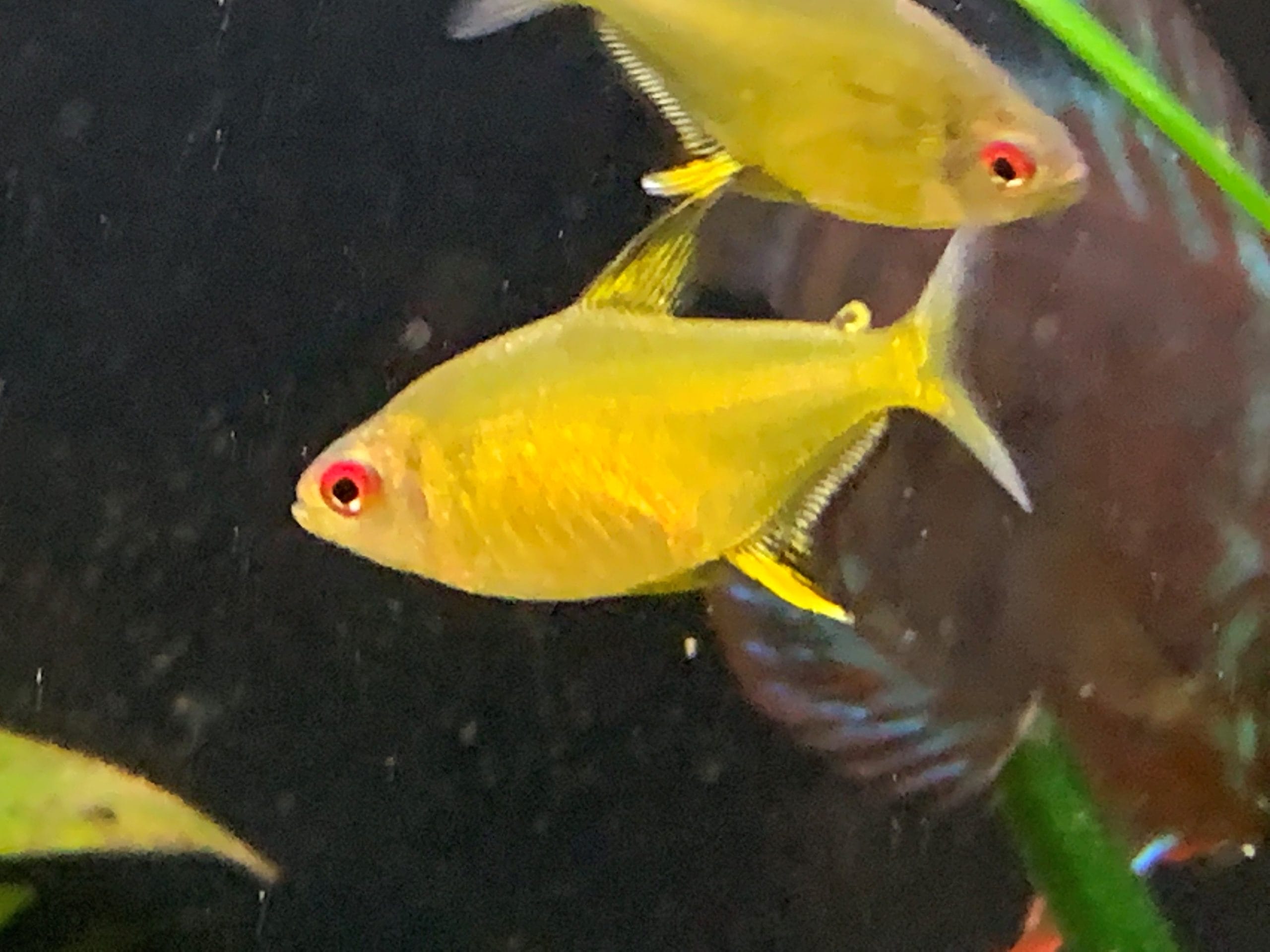
The lemon tetra, scientifically known as Hyphessobrycon pulchripinnis, is a popular species among freshwater fish enthusiasts. These small, vibrant fish are native to the streams and rivers of South America, particularly the Amazon basin.
With their striking coloration and peaceful temperament, lemon tetras make a beautiful addition to any aquarium. In this comprehensive guide, we will explore the unique features of the lemon tetra, understand its natural habitat, discuss the ideal aquarium setup, and provide valuable tips for its care and maintenance.
Exploring the Lemon Tetra Species
Lemon tetras are a type of tetra species, belonging to the family Characidae. They are known for their vibrant coloration and graceful appearance.
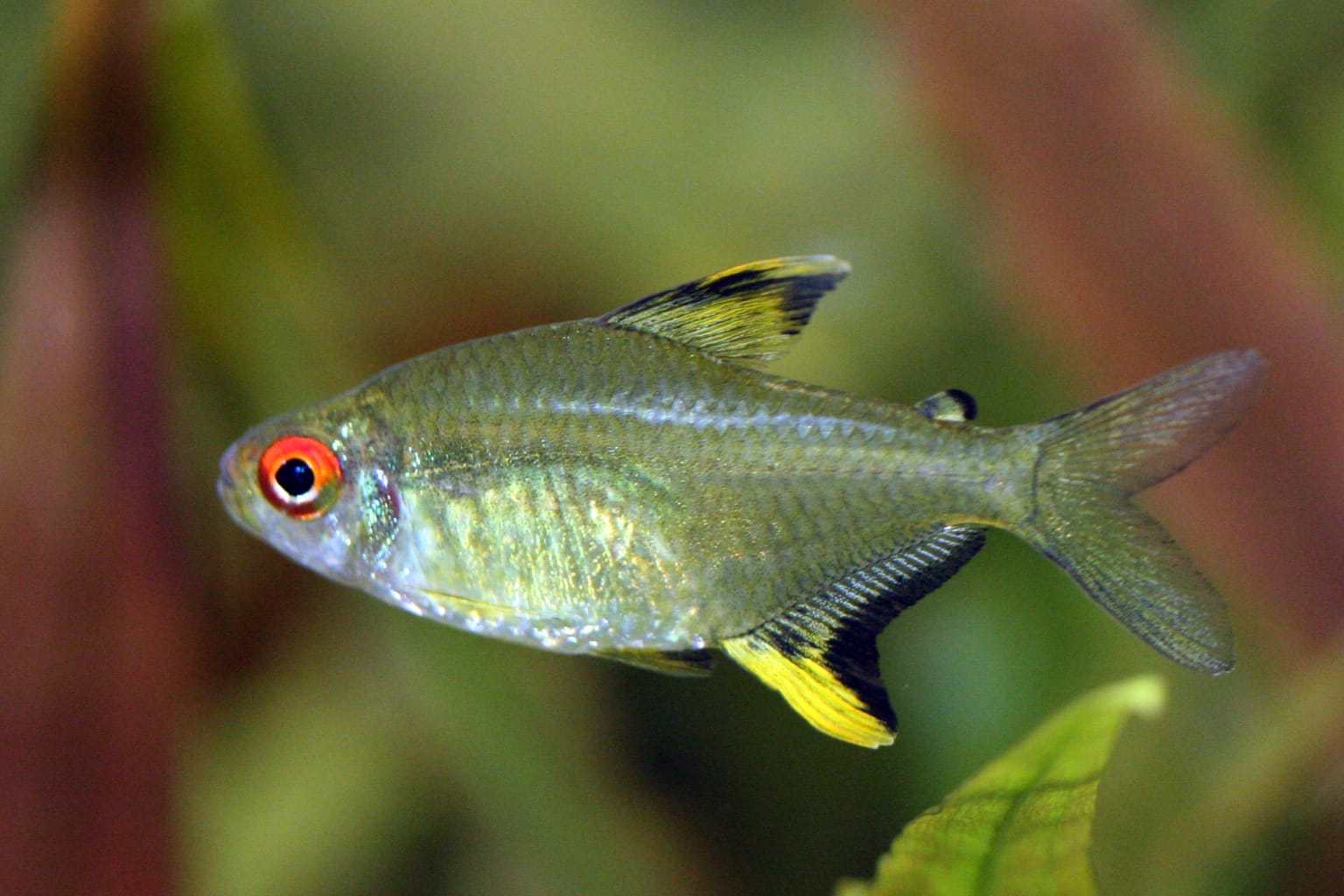
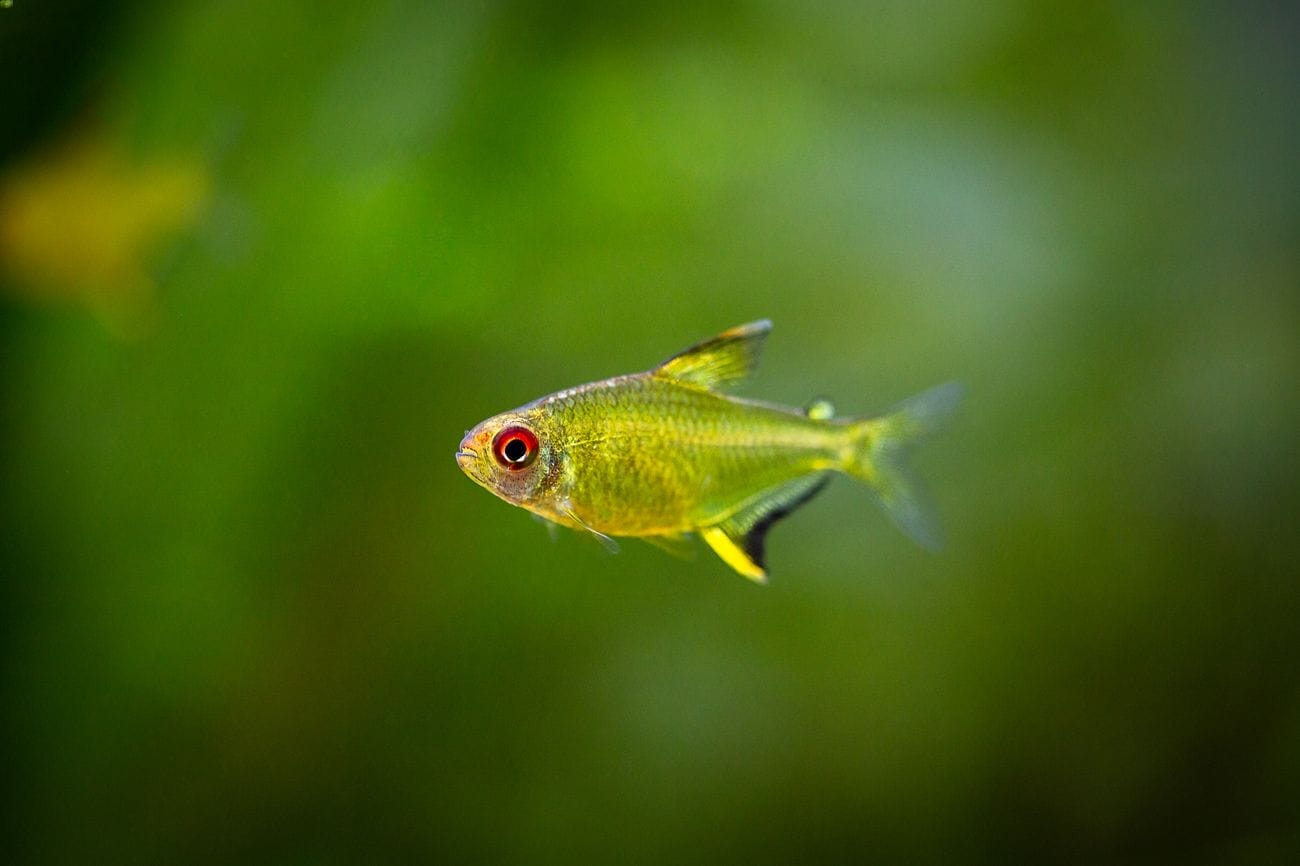
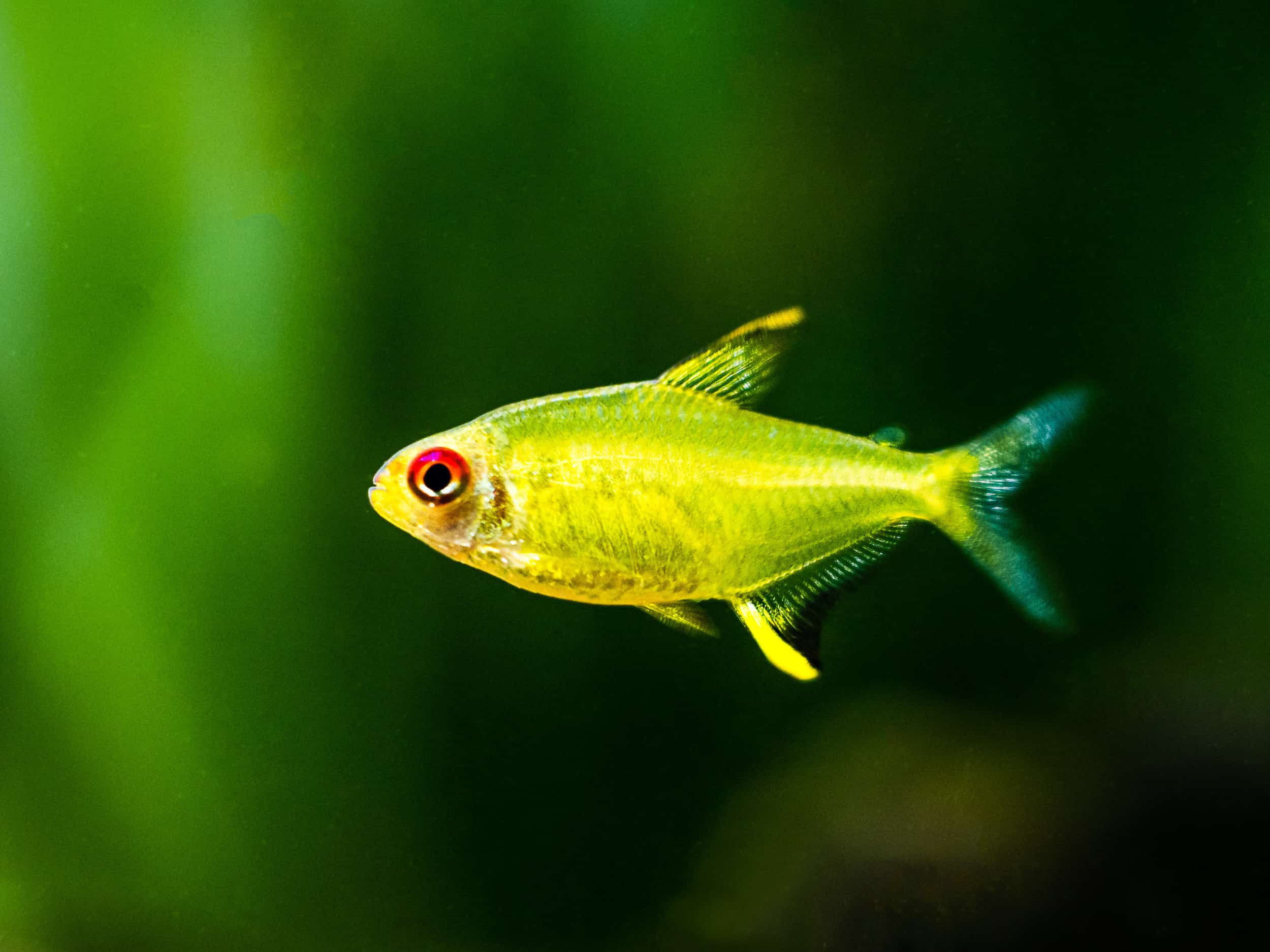
In the aquarium trade, lemon tetras are highly sought after for their striking lemon-yellow hue and the black line that runs from their eyes to their caudal fins.
These small fish typically grow to about 1.5 inches in length, making them suitable for medium-sized community aquariums. Lemon tetras are omnivores, enjoying a diet of both meaty and plant-based foods.
A Quick Overview of the Species
The lemon tetra, scientifically known as Hyphessobrycon pulchripinnis, is a member of the tetra species, which are popular freshwater fish in the aquarium hobby. They are peaceful and social fish, making them ideal for community aquariums.
One of the most distinctive features of lemon tetras is the black line that runs from their eye to the caudal fin, contrasting beautifully against their lemon-yellow coloration.
These fish prefer swimming in the upper half of the aquarium, creating a lively and active display. With proper care, lemon tetras can live for several years, bringing joy to fishkeepers.
Lemon tetras thrive in clean water with the right tank mates. They are hardy fish, able to adapt to a range of water parameters, making them suitable for beginners and experienced fishkeepers alike.
When provided with a balanced diet and a well-maintained environment, lemon tetras can exhibit their vibrant coloration, especially during breeding. Their anal fin, with its distinct yellow hue, adds to their unique appearance.
These small fish are active swimmers, adding life to any aquarium. Despite their small size, lemon tetras are known for their peaceful demeanor towards other fish, making them ideal tank mates in community setups.
Unique Features of the Lemon Tetra
Known for their vibrant coloration, particularly during breeding, lemon tetras grow to around 1.5 inches. Their anal fin displays a striking yellow hue, enhancing their visual appeal.
These small fish are dynamic swimmers, bringing energy to aquariums. Renowned for their peaceful coexistence with other fish, lemon tetras contribute to a harmonious aquatic community.
Understanding the Natural Habitat
In the wild, lemon tetras are found in the freshwater streams of South America. They inhabit narrow streams, minor tributaries, and main river channels, particularly in the Amazon basin. Lemon tetras are commonly encountered in areas with dense vegetation, where they can find cover and subdued lighting.
These fish have adapted to the specific conditions of their natural habitat, including water parameters, food sources, and social behavior.
Understanding the lemon tetra’s natural habitat is crucial when replicating ideal conditions in the aquarium to ensure the fish’s overall health and well-being.
Habitat
Creating the right habitat is essential for the well-being of lemon tetras. Mimicking their natural environment can help encourage their natural behaviors and promote their overall health. Here are some key considerations for creating an ideal lemon tetra habitat:
- Lemon tetras are South American species, native to the streams of the Amazon basin.
- Use clean, freshwater in the aquarium, keeping water parameters within the appropriate range for the tetras.
- Provide a suitable substrate, such as fine gravel or sand, to mimic the riverbeds of their natural habitat.
- Include driftwood, rocks, and live plants to create hiding spots, mimic the dense vegetation of their natural habitat, and provide areas for the fish to explore and feel secure.
- Ensure proper filtration and regular water changes to maintain water quality and prevent the buildup of harmful substances.
Aquarium Setup for Lemon Tetra
When setting up an aquarium for lemon tetras, it is essential to create an environment that mimics their natural habitat. Providing the right tank size, water parameters, and tank mates is crucial for their well-being. Let’s explore the key factors to consider when setting up an aquarium for lemon tetras.
Ideal Tank Size for Lemon Tetra
Lemon tetras are active swimmers, and they need adequate space to exhibit their natural behavior. For a small school of lemon tetras, a tank size of at least 10 gallons is ideal. Larger tanks provide more swimming space, reducing the risk of aggression and allowing the tetras to thrive.
It’s important to consider the number of lemon tetras you plan to keep when determining tank size, as overcrowding can lead to stress and health issues.
Providing ample swimming space in the upper half of the tank will ensure that the lemon tetras can explore their environment comfortably.
Also Read: Discover the World of Goldfish
Essential Elements for the Aquarium
Creating the right environment for lemon tetras involves more than just tank size. Here are some essential elements to consider when setting up the aquarium:
- Lemon tetras are social fish, and they thrive in community aquariums. Consider compatible tank mates that share similar water parameters and temperament.
- Include driftwood, rocks, and live plants in the aquarium to create hiding spots and mimic the natural environment of the lemon tetras.
- Provide a varied diet for the tetras, including live foods, such as brine shrimp and daphnia, as well as high-quality flake food. This will ensure they receive the necessary nutrients for their overall health and coloration.
Maintaining Preferred Water Parameters
Lemon tetras prefer slightly acidic water with a pH range of 6.0 to 7.0. It’s important to maintain clean water conditions, with zero levels of ammonia and nitrite, as these can be harmful to the fish.
Regular water changes, along with proper filtration, will help keep the water clean and ensure the tetras’ well-being. Monitor water parameters regularly using appropriate test kits to ensure optimal water quality. Temperature fluctuations should also be avoided, as lemon tetras thrive in a stable water temperature between 72-78°F.
Lifespan
The lifespan of lemon tetras typically ranges from 3 to 5 years, although with proper care, they can live even longer. Genetics, environmental factors, and the overall care provided to the fish can influence their longevity.
To promote a healthy and extended lifespan for lemon tetras, it’s important to provide a suitable habitat, maintain proper water conditions, and feed them a balanced diet.
Regular maintenance, observation, and prompt action in the event of any potential health issues or changes in behavior can also contribute to the well-being and lifespan of the lemon tetras.
Conclusion
In conclusion, the Lemon Tetra is a fascinating species that brings vibrancy to any aquarium. Understanding their unique features, natural habitat, and ideal tank conditions is crucial for their well-being and longevity.
By providing a suitable environment with proper care and maintenance, you can enjoy the beauty of these fish for years to come. Whether you are a beginner or an experienced aquarist, the Lemon Tetra is a delightful addition to any aquatic ecosystem. Dive into the world of fishkeeping with these charming creatures and create a thriving underwater paradise in your own home. To ensure the health and longevity of your Lemon Tetra, it is important to familiarize yourself with neon tetra fish care tips. This includes maintaining a stable water temperature, providing a balanced diet, and keeping their habitat clean. With the right knowledge and attention to detail, you can watch your Lemon Tetra flourish and bring joy to your underwater sanctuary.
Hi, I'm Millie a passionate fish enthusiast and blogger. I loves learning about all kinds of aquatic creatures, from tropical fish to stingrays.