
Leopard Bush Fish: A Complete Guide for Fish Enthusiasts
 Millie Douglas
Updated on: September 3, 2024 .
13 min read
Millie Douglas
Updated on: September 3, 2024 .
13 min read
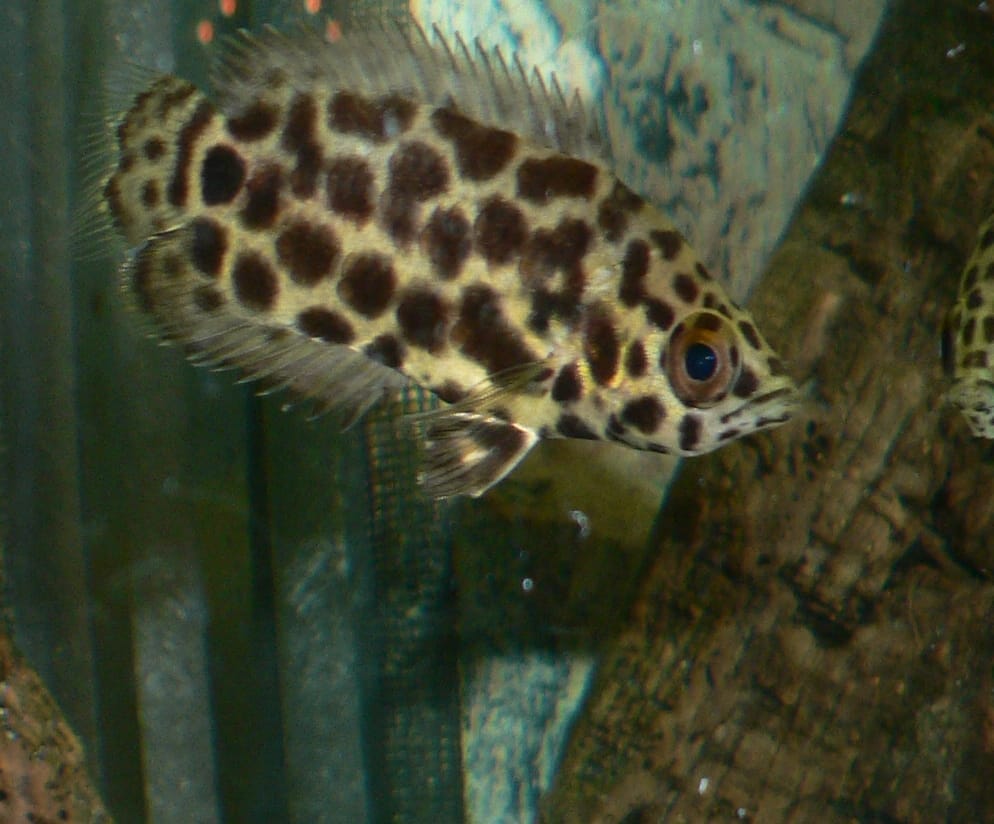
The leopard bush fish, or Ctenopoma acutirostre, comes from the complex waters of the Congo River Basin. With its interesting looks and behavior, this beautiful fish brings a special element to aquatic life. In this guide, we will look into how to take care of these amazing fish, covering everything from making the perfect environment for them to figuring out what they like to eat. If you are interested in caring for red devil fish, you will find that many of the same principles apply to taking care of leopard bush fish. Both species require a carefully curated environment with plenty of hiding spots and a balanced diet. By following the tips in this guide, you’ll be well on your way to successfully caring for red devil fish as well.
Read More : https://realacas.com/the-most-aggressive-freshwater-fish/
Understanding Leopard Bush Fish
Leopard bush fish, which are often called spotted ctenopoma, really stand out because they fascinate both new and experienced fish keepers. With their stunning appearance and clever ways of hunting, like pretending to be fallen leaves to surprise their food, they add a lot to the right aquarium.
For their health in captivity, it’s important to know their natural behaviors and needs. Around the right tank size and proper water parameters, along with choosing compatible tank mates, providing a good environment helps these amazing fish live happily and healthily.
Origin and Species Overview
From the Congo River, the leopard ctenopoma mainly lives in the Democratic Republic of the Congo and the Central African Republic. In warm and slow-moving waters, these fish can thrive. They have also found ways to adapt to different habitats, including tributaries like the Ubangi, Tshuapa, Kasai, Lefini, and Lomami.
Within these varied environments, the leopard bush fish demonstrates its excellent camouflage abilities. By pretending to be part of aquatic debris and fallen leaves, it waits quietly for its prey to come near. With quick reflexes, it attacks its victim, revealing itself as a clever and stealthy hunter.
Thanks to their ability to adapt to different places and their fascinating way of hunting, they are really interesting additions to home aquariums. Yet, because of their predatory nature, it’s important to think carefully about tank mates to make sure they create a peaceful aquatic community.
Physical Characteristics and Varieties
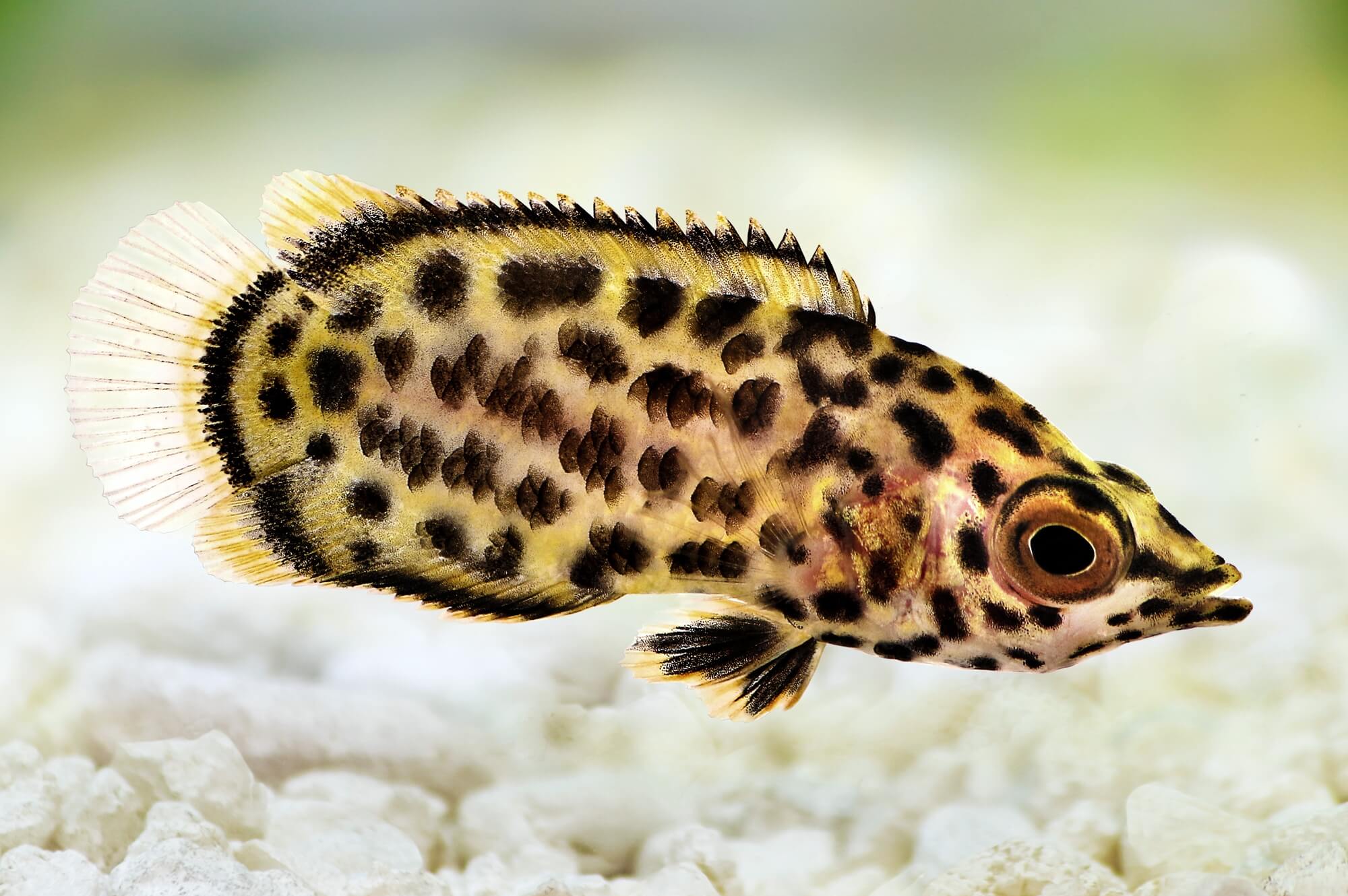
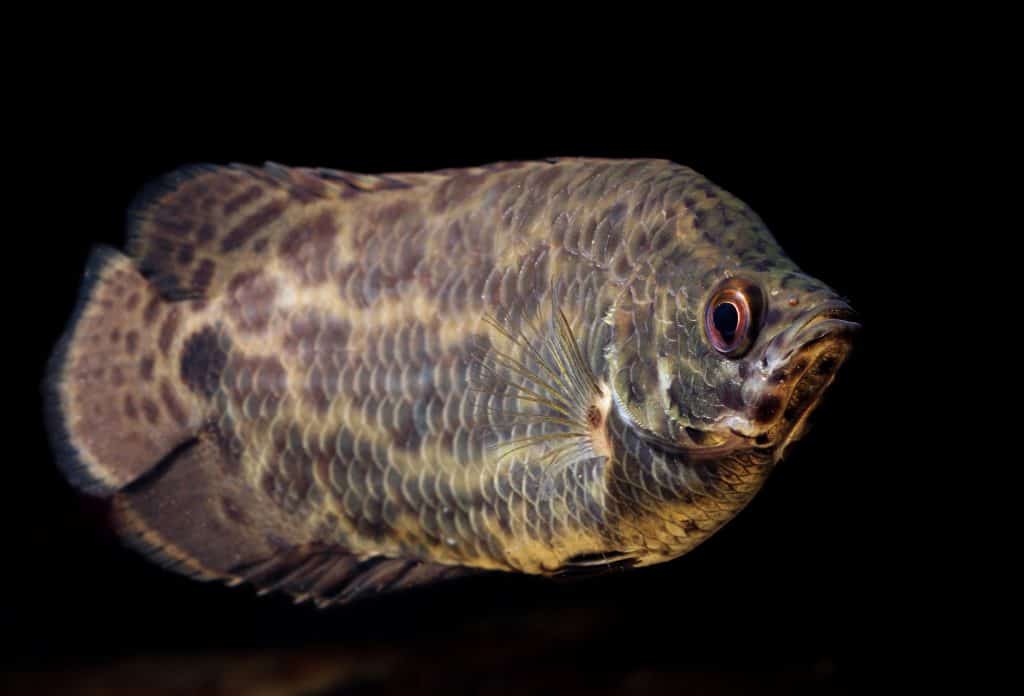
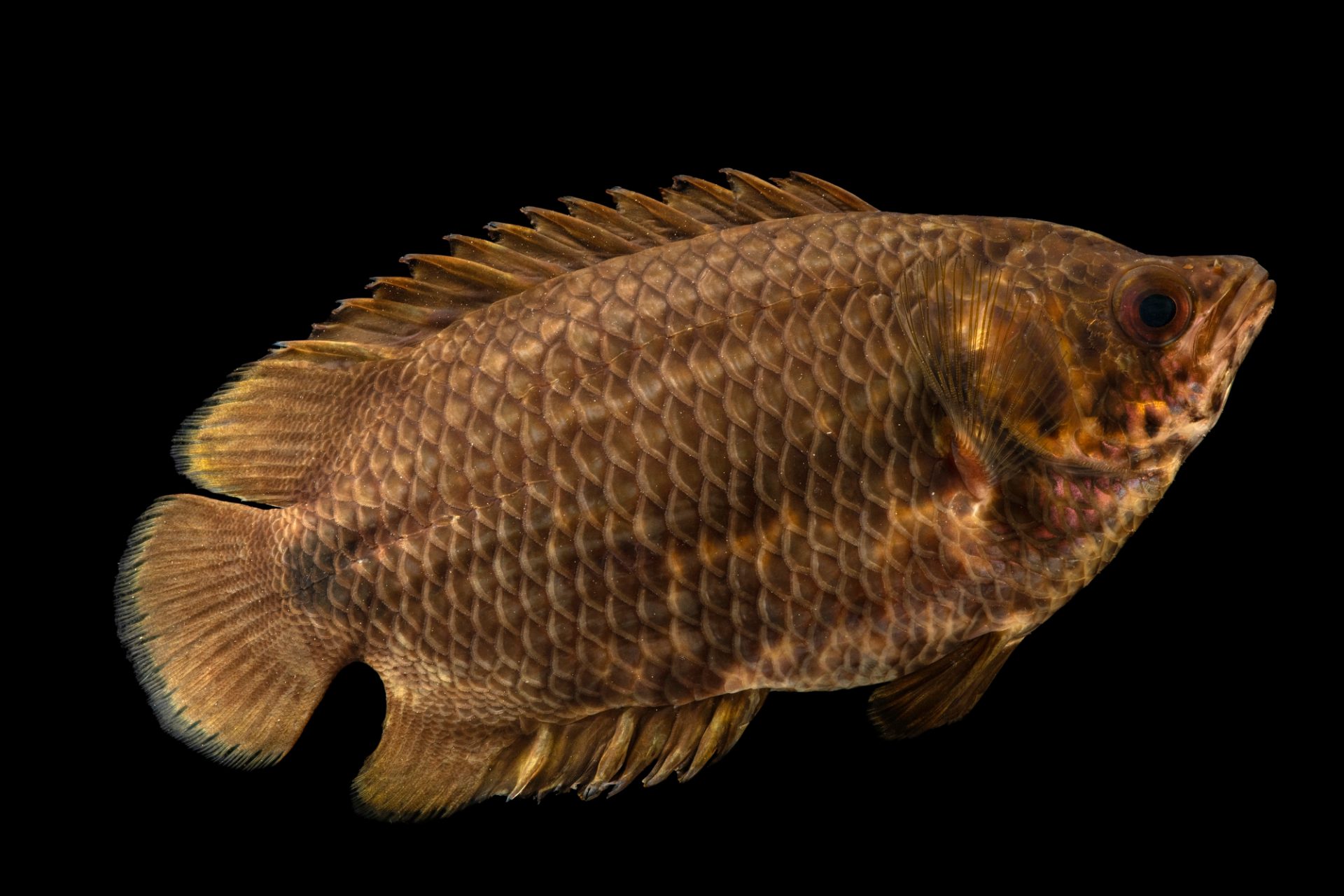
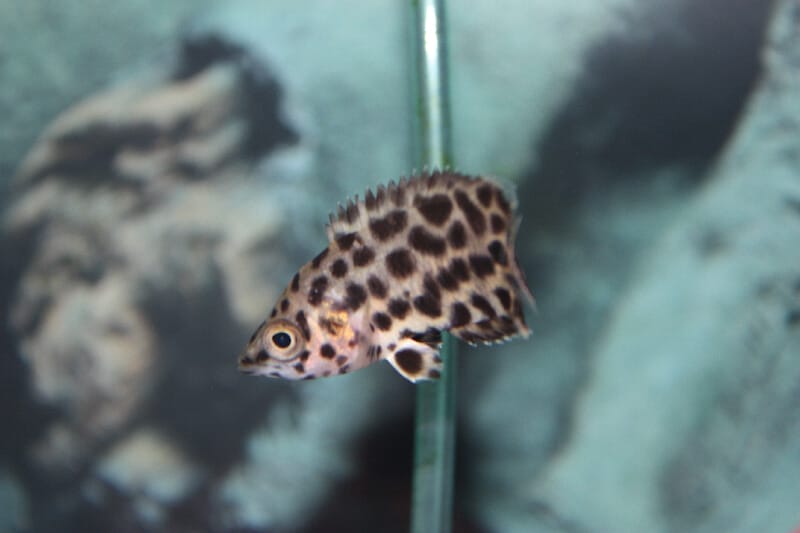
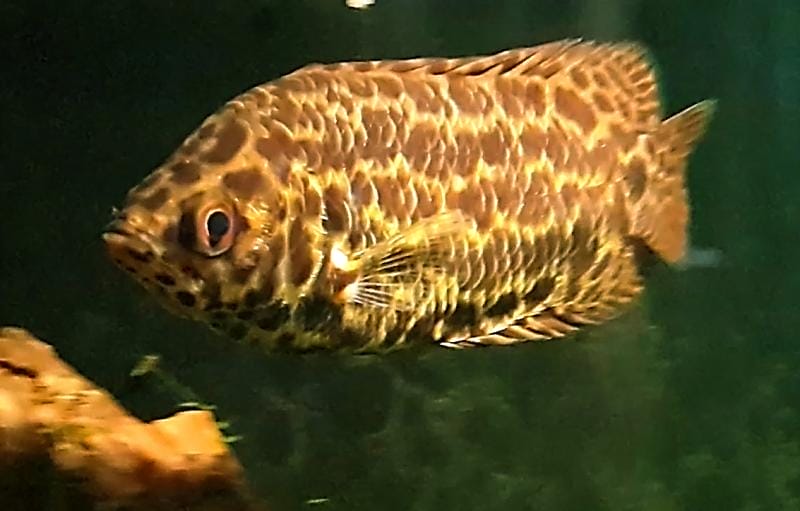
The leopard bushfish, which has a unique look, is easily spotted because of its brown spots on a light brown body, which is similar to its name. For better hiding, this natural camouflage is made stronger by a large mouth and an elongated snout, ideal for catching prey.
Known also as the spotted ctenopoma, this fish has a rounded, laterally compressed body, so it can easily move through thick plants. From its long dorsal fin, you can see an elegant shape, and its large, expressive eyes give it a charming appeal.
Although there are different colors, the noticeable leopard-like design stays the same. Factors like mood, surroundings, and even age can change the intensity of the spots. This changing feature makes these fascinating fish even more interesting.
Setting Up Your Aquarium
Building a cozy and exciting living space is really important for your leopard bush fish’s happiness. By copying features from their natural surroundings, they can feel safe and act like they usually do in the wild.
When planning your aquarium, think about their size, their liking for places to hide, and their need for open areas to swim around. Including the correct tank size, substrate, and decorations is key when creating a healthy habitat.
Choosing the Right Tank Size
When choosing a tank size for your leopard bush fish, it’s generally true that bigger is better. Given their active nature as predators, they need enough room to swim and explore.
For one fish, a tank of at least 20-30 gallons would be best. On the other hand, for keeping a pair or a small group, a tank size of 50 gallons or more is preferred. Also, keep in mind that these fish can grow to be about 6 inches long. By providing enough space, you help ensure they thrive while minimizing any chances of fighting over territory.
With a larger tank, you can also create a richer environment for them. By adding plants, caves, and hiding spots, you help to mimic their natural environment found in moving waters and stagnant ponds. This caters to their instinctual need for both security and cover.
Essential Water Parameters for Health
Keeping the water quality good is really important for the health and lifespan of your leopard bush fish. These fish do well in certain water parameters that are similar to their homes in tropical areas.
For best results, the ideal water temperature for leopard bush fish should be between 72°F and 82°F (22°C to 28°C). By keeping a stable temperature in this range, you help their metabolism and immune systems work properly. It’s best to avoid quick changes in temperature, since those can stress the fish and increase the chances of them getting sick.
Also, doing regular water changes is important for good water quality. You should aim to change out 25-30% of the tank water every two weeks, making sure to use a gravel vacuum to get rid of built-up waste and debris.
Regularly testing the water parameters is a good idea too, so you can check that ammonia and nitrite levels are at 0 ppm and that nitrate levels stay below 20 ppm.
Substrate and Decoration: Mimicking the Natural Habitat
Replicating the natural habitat of the leopard bush fish in your aquarium really helps their well-being and encourages their natural actions. For the substrate, you should use fine gravel or sand. This choice promotes easy movement and allows for burrowing.
Using dense aquarium plants is important. You can choose species like Java fern, Anubias, and Amazon swords to copy the lush aquatic vegetation found in their wild home. These plants provide visual beauty and give essential hiding places, which can reduce stress and help them feel secure.
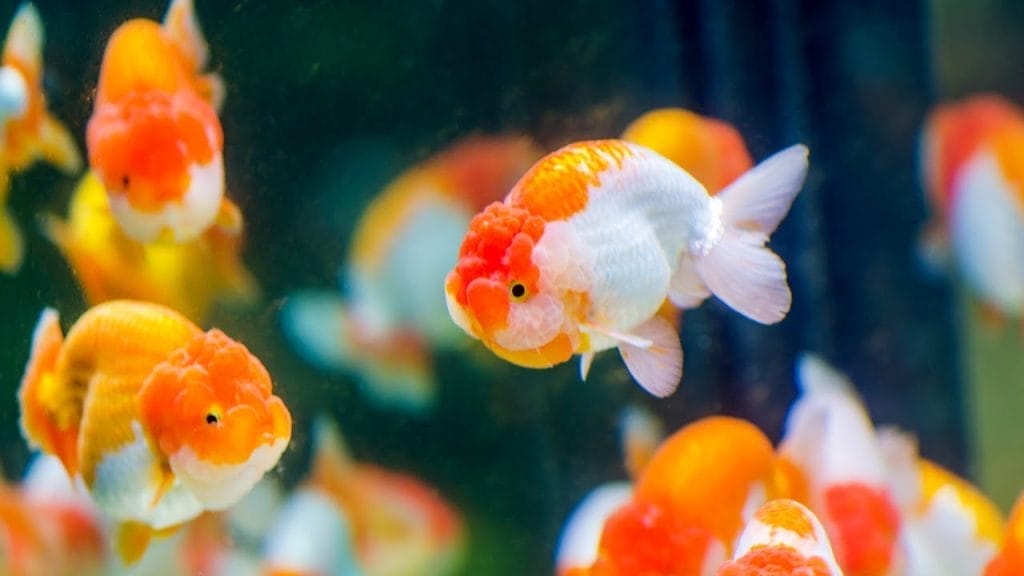
Also Read: Discover the World of Goldfish
By adding items like driftwood, rocks, and caves, you can further create a natural atmosphere. Driftwood, especially, looks like fallen trees from their native areas, and it helps beneficial microorganisms grow, making a healthy ecosystem. Additionally, consider including some leaf litter, like dried Indian almond leaves. This can not only imitate their natural surroundings but also release tannins into the water, making conditions that feel like their real habitat.
Diet and Nutrition
As natural carnivores, leopard bush fish do best when they eat foods high in protein. For their well-being, it’s important to mimic their wild diet as much as we can, even when they are in captivity.
Providing different kinds of food, whether live or frozen, helps keep them happy and avoids problems with nutrition. From this, we can look into good food options and feeding habits to ensure your leopard bush fish stay healthy.
What to Feed Your Leopard Bush Fish
Leopard bush fish like to eat meat and need a diet that has a lot of protein. For their meals, live foods work best since they are similar to what these fish naturally eat. From this point, you can give them different kinds of food such as bloodworms, blackworms, and brine shrimp.
In addition to live foods, frozen food can also be an important part of their diet. Just make sure you thaw it the right way before you feed it to them. You should choose good-quality frozen foods like mysis shrimp, krill, and daphnia. These foods provide important nutrients and you can easily find them in pet stores.
Despite being appealing, you should not give your leopard bush fish feeder fish. This can bring diseases or parasites into your tank and doesn’t offer much nutrition. Furthermore, it’s important to keep in mind that smaller fish might become potential prey, given their carnivorous nature. For this reason, make sure any tank mates you choose are big enough to not get eaten.
Feeding Schedule and Portion Sizes
Creating a regular feeding schedule is important for your leopard bush fish’s health. For adults, one feeding each day works well, but young fish need two smaller meals daily because they grow quickly and need more energy.
Finding the right portion sizes is essential to avoid overfeeding, which can harm water quality. It’s helpful to give your fish just enough food they can eat in about 2-3 minutes. Keep an eye on how they eat and change the amount if needed.
Being mindful of overfeeding is necessary, as it’s a frequent issue in aquariums and can cause different health problems. If you see leftover food after the feeding time, make sure to take it out to keep the water clean.
Behavior and Compatibility
Leopard bush fish, even though they are usually peaceful, have a tendency to be solitary. Due to this nature, it’s important to think carefully about their tank mates. Since they are natural hunters, they might not get along well with smaller and gentler fish, which can cause problems in the tank.
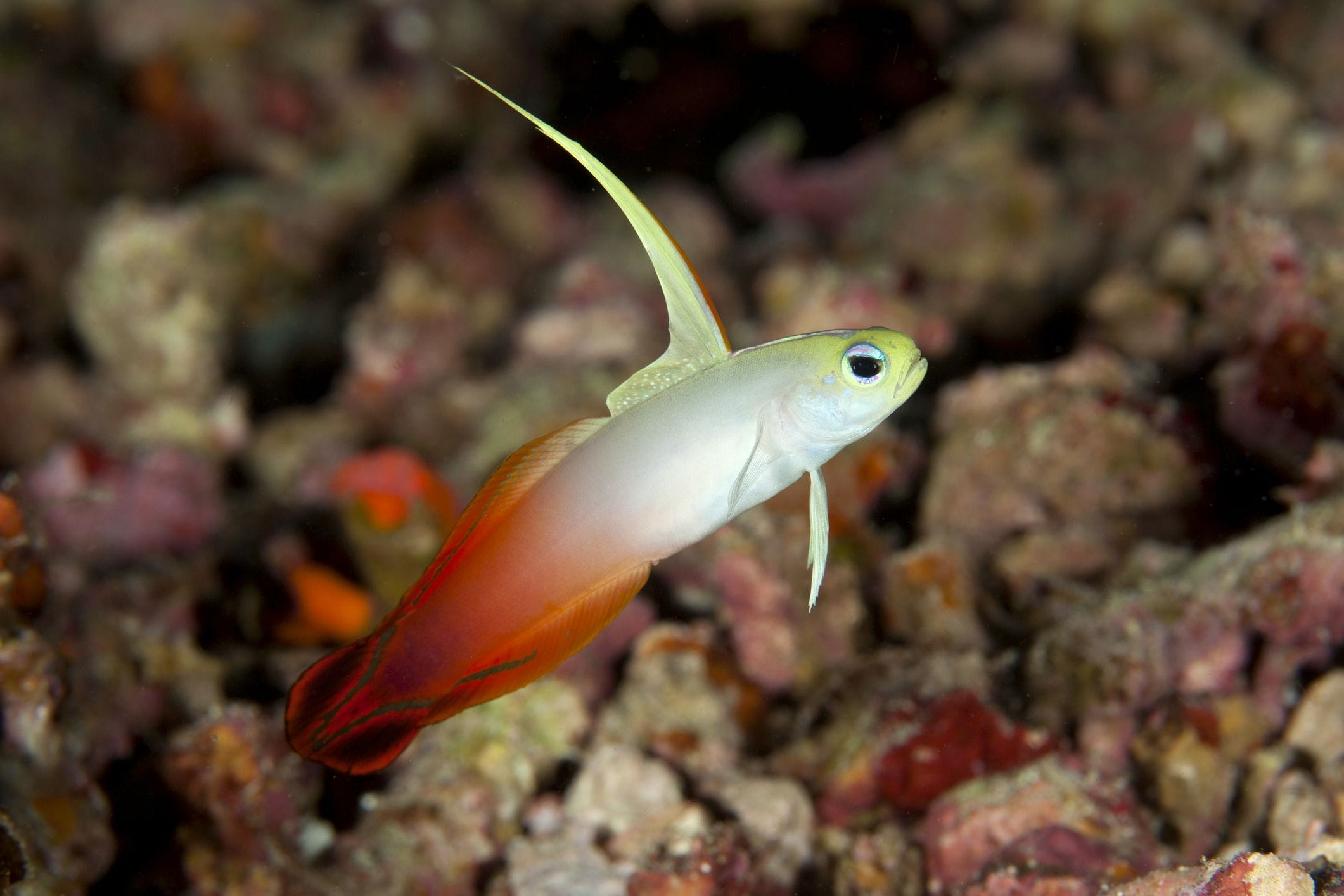
Also Read: Purple Firefish Goby Care Tips and Tricks
By understanding how these fish interact and choosing the right species to keep with them, you can create a community that is happy and healthy for everyone living there.
Social Behavior: Solitary or Community Fish?
Leopard bush fish, while not too aggressive, show social behavior that tends to be solitary. They don’t swim in schools and like to mark their own areas in the tank. Even though they can be kept as part of a group, it takes careful planning and a big aquarium.
To avoid fights over territory, introducing several leopard bush fish at the same time is important. If new fish are added to a group that’s already set up, it can cause aggression and stress. For a community setup, it’s best to place them in the tank when they are still young, since they’ll be able to form a social order with less fighting.
Providing many hiding spots in the aquarium is always a good idea. This helps create separate territories and easy ways for the fish to hide. It also lowers stress and makes everyone feel more secure, resulting in a happier fish environment.
Suitable Tank Mates and Avoidable Species
Choosing the right tank mates for your leopard bush fish is important for making a calm community aquarium. Look for suitable species that have similar water needs and are big enough to not be seen as potential food.
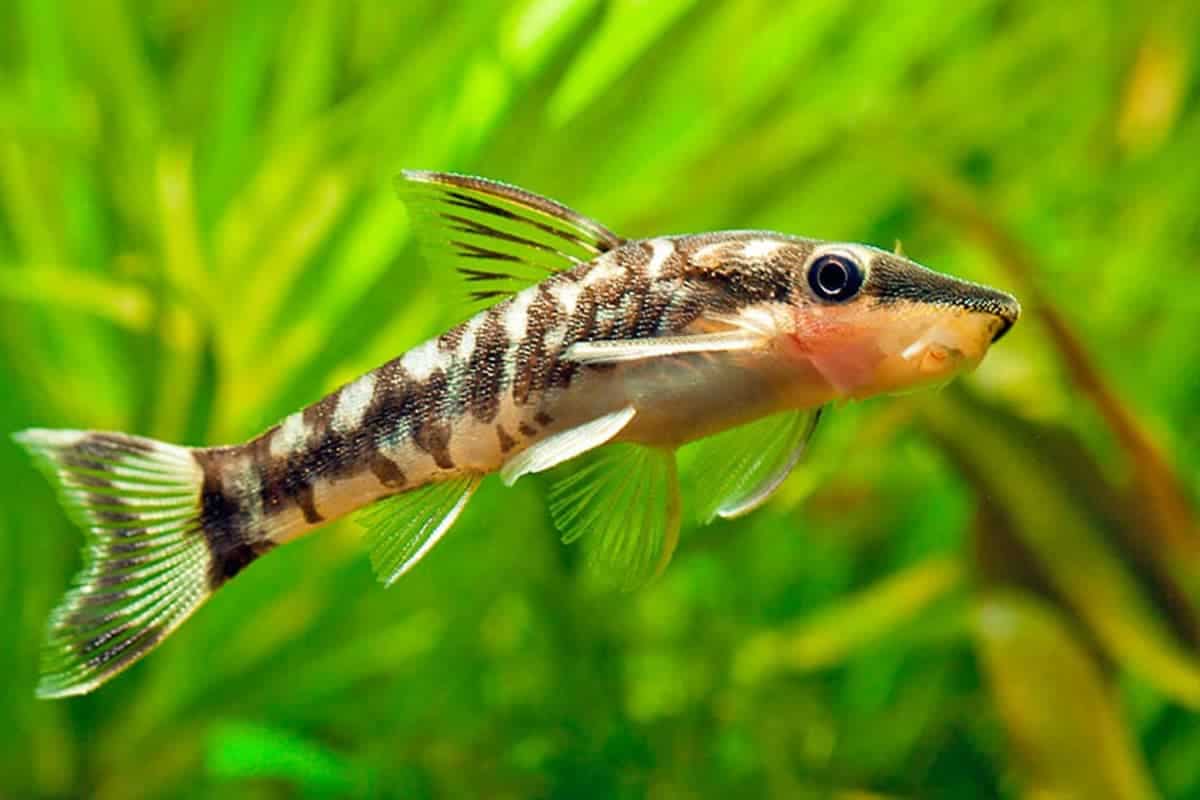
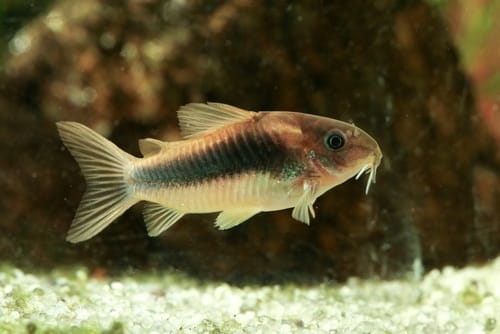
Some fish that can get along well are larger peaceful cichlids, certain loach types, and some catfish like Synodontis. With these choices, your leopard bush fish can live together without issues, and they’re less likely to bring out the hunting side of your leopard bush fish.
Stay away from any small, peaceful fish, since they could easily become dinner for your leopard bush fish. This group includes common community tank fish like neon tetras, guppies, and shrimp. Moreover, you should also avoid aggressive or very lively fish, as they can upset your leopard bush fish and create conflicts over space.
Breeding Leopard Bush Fish
Breeding leopard bush fish in a home aquarium can be tough, but it’s possible if you are dedicated and have the right setup. With optimal conditions, you can better understand their breeding behaviors, which improves your chances of success.
From creating a good breeding tank to conditioning the breeding pair, and also recognizing the signs of spawning, these steps are important in helping you successfully breed these fish.
Recognizing Breeding Conditions
Leopard bush fish are known to be seasonal spawners. They’re thought to need special breeding conditions for successful reproduction in captivity. To encourage breeding, you should simulate their natural environment by focusing on water parameters and other environmental cues.
With this in mind, it’s a good idea to set up a dedicated spawning tank. For this tank, it should be larger than their typical aquarium, ideally between 30-40 gallons.
The tank should also be well-planted with fine-leaved plants to provide plenty of spots for spawning. About the water temperature, keeping it slightly higher, around 82-84°F (28-29°C), can help encourage spawning.
As you watch the fish, take note of the signs that indicate they are ready to spawn. Males often get more territorial and show brighter colors. In contrast, females usually look plumper when their bellies fill up with eggs.
Steps for Successful Breeding and Fry Care
After spawning happens, the male leopard bush fish usually takes care of guarding the fish eggs found among the plants. Despite this, the parental care in this species is quite low, and adults might eat the eggs or fry if they aren’t taken out.
For good survival chances, it’s important to slowly move the eggs to a different rearing tank that has similar water parameters to the breeding tank. The eggs will hatch in around 48 hours, and the fry will live off their yolk sacs at first.
Once the yolk sacs are used up, which takes about 2-3 days, the fry will need feeding. You can start with infusoria or stores’ fry food. As they continue to grow, newly hatched brine shrimp and other small live foods can be added gradually. Fry care includes regular water changes and keeping the environment stable for the best growth.
Health and Wellness
Leopard bush fish are usually tough, but they can get sick like other fish in an aquarium. It’s important to notice when they might be unwell and to know the usual problems they can face. This way, you can act early and help them stay healthy for a long time.
By focusing on regular care of the aquarium and giving them a good diet, you can really help their immune system. Doing these things can lead to a happier and longer life for them.
Common Health Issues and Preventive Care
Like many types of freshwater fish, leopard bush fish can get common health issues like ich, fin rot, and parasites. With proper preventive care, you can help improve their survival rate and make sure they enjoy a long, healthy life.
By keeping up with regular water changes, you ensure preventive care remains effective. In maintaining great water quality, you can stop harmful toxins from building up and lower the chances of disease outbreaks. Also, by quarantining new fish for at least two weeks before adding them to your main tank, you can avoid spreading contagious illnesses.
Also Read: Sparkling Gourami Care Tips & Size Guide
For a strong immune system, a well-balanced diet is super important. With a variety of high-quality food options, you can meet their nutritional needs. To avoid overfeeding, remember it can lead to digestive problems and poor water quality. Frequently check on your fish for any signs of illness like being inactive, not eating, or swimming strangely. By finding problems early and treating them, successful recovery becomes possible.
When to Consult a Vet: Signs of Distress
For good aquarium care and a nutritious diet, most health problems can be avoided. However, at times, a vet consultation is needed. By realizing signs of distress in your leopard bush fish, you can act quickly.
Whenever you see any of these symptoms, it is important to talk to a qualified aquatic veterinarian: loss of appetite, lethargy, rapid breathing, white spots or patches on the body, fin clamping, or any strange swimming behavior.
Changes in water parameters can often lead to stress and illness too. By keeping a close eye on the water quality and making sure to do regular water changes, you can keep a stable and healthy home for your fish.
Hi, I'm Millie a passionate fish enthusiast and blogger. I loves learning about all kinds of aquatic creatures, from tropical fish to stingrays.