
Your Guide to Maintenance Log Keeping for Aquarium Success
 Millie Douglas
Updated on: December 1, 2025 .
11 min read
Millie Douglas
Updated on: December 1, 2025 .
11 min read
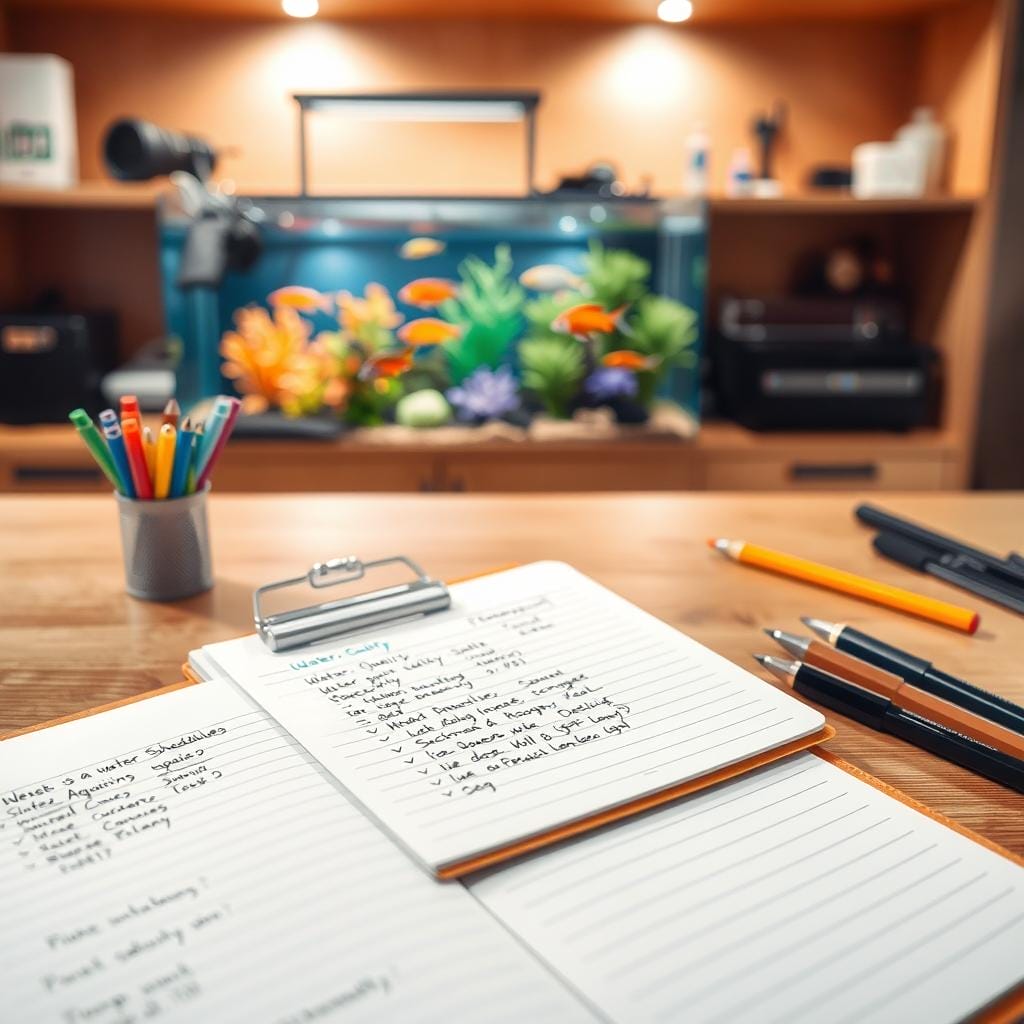
What if the secret to a crystal-clear, thriving aquarium wasn’t a magic potion, but a simple habit? Many aquarists spend a fortune on the best filters and lights, yet overlook the most powerful tool for long-term success: organized record-keeping.
Think of detailed maintenance logs as your aquarium’s personal diary. They track every important action, from water parameter checks to equipment adjustments. These logs create a reliable history, so you never have to guess when you last cleaned the filter or changed the water.
This simple practice transforms how you care for your aquatic pets. It gives you confidence and control. Proper maintenance documentation helps you spot trends in your water quality data. You can prevent problems before they even start.
This guide will show you how to build this powerful habit with friendly, manageable steps. You’ll learn to create a thriving underwater world for your fish, backed by clear information. Let’s begin your journey to a healthier, happier aquarium.
Importance of Regular Maintenance for Aquarium Success
Imagine your aquarium as a miniature world where balance and consistency are the keys to thriving aquatic life. Each component—from your filter to heater—works together to create a stable environment. When one piece falters, the entire system can become unstable.
Understanding Aquarium Ecosystem Health
Your tank is a delicate living system that depends on regular attention. Beneficial bacteria, water chemistry, and equipment performance must work in harmony. This balance ensures your fish stay healthy and stress-free.
Studies show that equipment failure causes many system problems. In industrial settings, equipment issues accounted for numerous accidents. Your aquarium faces similar risks when critical systems fail unexpectedly.
How Logs Improve Maintenance Efficiency
Documenting your care activities transforms random tank care into an organized system. You’ll track patterns in water parameters and equipment performance. This helps you respond quickly when something changes.
Keeping records saves you time by eliminating guesswork. You create a personalized reference guide for your specific setup. This organized approach means less troubleshooting and more enjoyment of your beautiful underwater world.
Proper documentation helps monitor the condition of your assets. It ensures everything works correctly, minimizing repair costs. For more detailed guidance on aquarium fish health, our comprehensive resources can help you maintain optimal conditions.
Maintenance Log Keeping: Essential Steps for Aquarium Health
Starting your aquarium record system begins with a simple but powerful question: what truly matters for your tank’s health? This initial step sets the foundation for everything that follows in your documentation journey.

Defining Your Log Objectives
Think about the different types of care your aquarium needs. You have preventive tasks like regular filter cleaning that stop problems before they start. Then there are corrective actions you take when something isn’t working right.
Your recording process should match your experience level and tank setup. A beginner with a simple freshwater tank needs different tracking than someone with a complex saltwater reef system.
Focus on the activities that directly impact your aquatic environment’s stability. Water parameter checks, equipment service, and fish behavior observations often provide the most valuable insights.
Setting clear objectives makes your documentation feel purposeful rather than overwhelming. You’ll collect meaningful information that actually helps you maintain a thriving underwater world.
This thoughtful approach ensures you capture critical data without wasting time on unnecessary details. Your personalized record system becomes a trusted guide for aquarium success.
Creating an Effective Maintenance Log Template
Building your aquarium documentation system starts with a well-designed template that works for your specific setup. A good template makes recording information feel natural rather than burdensome. You’ll want something comprehensive enough to capture essential details but simple enough to use regularly.
Key Information Fields to Include
Your template should begin with basic equipment details. Include the manufacturer, model number, and installation date for each piece of gear. This creates a reliable reference point for future needs.
Track water test results, actions taken, and products used during each session. Note observations about fish behavior and health. These details build a complete picture of your aquarium’s story over time.
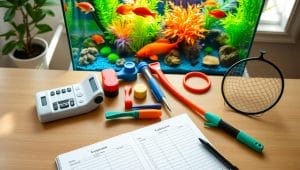
Standardizing your format eliminates confusion. Using the same structure every time makes it easy to compare information across different dates. You’ll spot trends quickly when everything follows a consistent pattern.
Strategies for Streamlined Data Entry
Make your template practical for daily use. Include checkboxes for routine tasks and abbreviations for common actions. Designate specific spaces for notes to keep everything organized.
Balance detail with simplicity. Your template should capture necessary information without requiring excessive time. This ensures you’ll maintain consistent documentation rather than skipping entries.
Thoughtful design transforms data entry from a chore into a helpful habit. You’ll appreciate having this valuable reference when making future decisions about your aquatic environment.
Implementing Preventive Maintenance Strategies
What if the most powerful aquarium protection strategy wasn’t reactive fixes but proactive planning? Preventive maintenance transforms your approach from emergency response to peaceful prevention. This forward-thinking method saves you time, money, and heartache by addressing small issues before they become big problems.
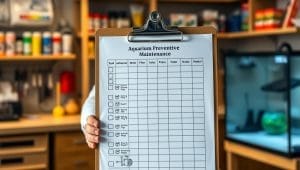
Your aquarium’s equipment needs regular attention to stay in optimal condition. Consistent care prevents unexpected breakdowns that can stress your fish and damage your system.
Scheduling Routine Checks
Create a practical schedule based on your specific setup and manufacturer recommendations. Daily checks might include temperature verification and visual inspections. Weekly tasks often involve water parameter testing.
Monthly activities could include filter media examination. Quarterly deep cleaning ensures everything runs smoothly. Your documentation helps track these maintenance activities efficiently.
Identifying Early Warning Signs
Your records become your early detection system. Notice subtle changes like slight cloudiness in water or unusual equipment noises. Gradual temperature shifts or altered fish behavior often signal developing issues.
These small observations help you address problems before they escalate. Your preventive approach ensures your aquatic friends enjoy a stable, healthy environment. Consistent equipment maintenance extends the lifespan of your valuable assets.
Remember, preventive maintenance isn’t about perfection—it’s about consistent care. Your systematic approach prevents the heartbreak of losing fish to preventable equipment failure.
Leveraging Digital Tools for Maintenance Tracking
Picture this: all your aquarium care information available instantly on your phone, safe from water damage or loss. Digital solutions transform how you manage your aquatic environment, moving beyond vulnerable paper notebooks.
Benefits of Digital Recordkeeping
Digital maintenance tracking eliminates frustrating handwriting issues and missing pages. Your records stay secure in the cloud, accessible from any device. This creates a permanent audit trail for accountability.
Automation handles tedious data entry, reducing human error significantly. You get automatic service reminders and real-time access to historical data. Graphing capabilities help visualize trends in water parameters.

Choosing the Right Software for Your Aquarium
Look for software that simplifies your routine rather than complicating it. The best tools offer photo attachments, water parameter tracking, and equipment inventory management.
Consider dedicated aquarium apps or customizable templates that fit your specific needs. The right digital solution provides valuable insights while enhancing your care efficiency. For comprehensive guidance on setting up your system, explore our detailed equipment maintenance logs resource.
Your digital logs become a powerful tool for proactive aquarium care. They help you spot patterns and make informed decisions about your aquatic ecosystem.
Recording Maintenance Activities and Equipment Care
Your aquarium’s equipment tells a story through its performance and repair history. Each service record builds a complete picture of your system’s health. This documentation helps you make smarter decisions about your aquatic environment.
Documenting Repairs and Upgrades
When you fix or upgrade any component, record the details thoroughly. Note what failed, which parts you replaced, and the associated costs. This creates a valuable service history for each piece of equipment.
Tracking these repair details helps you understand component reliability. You’ll know when it’s better to replace rather than fix problematic assets. This approach maximizes your aquarium investment.
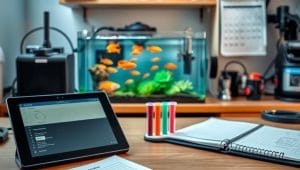
Tracking Equipment Performance Over Time
Monitor how your equipment behaves over weeks and months. Watch for gradual changes in heater accuracy or filter flow rates. These subtle shifts reveal aging patterns.
Recording specific metrics helps you anticipate needs. You’ll notice when a pump needs cleaning or lights require replacement. This proactive approach prevents unexpected failures.
Your documentation becomes a powerful tool for managing equipment maintenance logs. It guides you toward optimal performance while controlling long-term costs.
Best Practices for Ongoing Aquarium Log Keeping
Have you ever looked at your aquarium notes and wished they made more sense? Consistency transforms random jottings into a powerful tool for understanding your tank’s needs. When you establish clear standards for your recording process, every entry becomes meaningful.

Standardizing Log Formats and Procedures
Using the same structure each time creates a reliable pattern. Your data becomes easy to compare across weeks or months. This consistency helps you spot changes in water quality or equipment performance quickly.
Establish simple procedures that fit your routine. Test parameters at consistent times. Record observations immediately after care operations. These habits prevent forgotten details and ensure accurate information.
Your documentation should work for you, not against you. Keep your recording tools accessible near the tank. Many aquarists find success by following established aquarium maintenance guide principles while adapting them to their specific setup.
When technicians or family members help with tank care, standardized formats ensure everyone understands the system. This collaborative approach maintains continuity in your aquarium’s care history.
The goal is making record-keeping a natural part of your aquarium enjoyment. With consistent standards, your logs become a valuable reference that grows more helpful over time.
Interpreting Log Data for Future Maintenance
Your aquarium records hold hidden patterns that can predict your tank’s future health. When you review your documented history regularly, you move from guessing to knowing what your aquatic environment needs next.

This analytical approach transforms your care routine. You become proactive rather than reactive, addressing small changes before they become big problems.
Analyzing Trends and Predictive Maintenance
Look for gradual shifts in your water parameters or equipment performance. A slowly rising pH or filter flow rate decreasing over weeks signals upcoming needs.
Your historical data reveals these patterns clearly. You can anticipate when components might fail or when water conditions might shift. This predictive approach prevents stressful emergencies.
These insights help you schedule care at the optimal time. You address issues when solutions are simplest and most effective.
Also Read: Common Aquarium Problems and How to Fix Them
Optimizing Resource Allocation
Your records show which activities deliver the biggest impact on aquarium health. You learn where to focus your time and budget for maximum results.
Understanding true ownership costs helps you make smart decisions about repairs versus replacements. Your management becomes more efficient and effective.
Every entry teaches you about your unique aquatic ecosystem. With each review, you grow more confident in your care decisions.
Final Reflections on Achieving Aquarium Success
The true measure of aquarium success lies not in expensive equipment, but in consistent observation and recording. Your documentation habits create a powerful foundation for understanding your aquatic world’s unique needs.
Having a complete history at your fingertips builds incredible confidence. You can reference past successes and learn from challenges whenever questions arise. This organized approach transforms your hobby into a source of lasting joy.
Your records ultimately serve your fish’s wellbeing. They help you provide the stable environment creatures need to thrive. Even simple, consistent tracking delivers tremendous value for aquarium management.
The time you invest in maintenance activities pays dividends through healthier fish and reduced equipment costs. You’ll experience the deep satisfaction of mastering aquarium care. Start your journey today with a reliable aquarium log book that supports your success.
Your dedication to tracking performance and care routines ensures your underwater world remains vibrant and thriving for years to come.
FAQ
What is the main benefit of keeping an aquarium maintenance log?
A detailed log helps you track your aquarium’s health over time. By recording data entry for activities like water changes and filter cleanings, you can spot trends and prevent small issues from becoming big problems. This proactive approach supports a stable environment for your fish.
What essential information should I include in my equipment maintenance log?
Your log should capture key details for each asset, such as the date, specific tasks performed, and the condition of equipment like filters and heaters. Noting the manufacturer and model number for your gear is also wise, as it helps with future maintenance and ordering correct replacement parts.
How can a maintenance log help reduce aquarium costs?
Consistent tracking provides valuable insights into your equipment’s performance. This data allows you to schedule preventive maintenance effectively, which can extend the life of your assets and avoid costly emergency repairs or unexpected breakdowns that lead to fish loss.
Are digital tools better than a paper log for tracking aquarium care?
A> Digital tools often offer greater efficiency for management. They can send reminders for upcoming tasks, store a comprehensive maintenance history, and make it easier to analyze information. This can save you time and help you make more informed decisions about your aquarium’s needs.
How often should I review the data in my maintenance logs?
It’s a good practice to review your records regularly, perhaps monthly. This helps you analyze performance trends, plan for predictive maintenance, and optimize your resource allocation. Regular reviews ensure your actions are aligned with your aquarium’s long-term success.
Aquarium careAquarium cleaning scheduleAquarium log keepingAquarium maintenance tipsAquatic pet careFish tank maintenanceFish tank upkeepRecord-keeping for aquariumsTank log trackingWater quality monitoring
Hi, I'm Millie a passionate fish enthusiast and blogger. I loves learning about all kinds of aquatic creatures, from tropical fish to stingrays.