
Essential Care Tips for Mystery Snails
 Millie Douglas
Updated on: September 3, 2024 .
14 min read
Millie Douglas
Updated on: September 3, 2024 .
14 min read
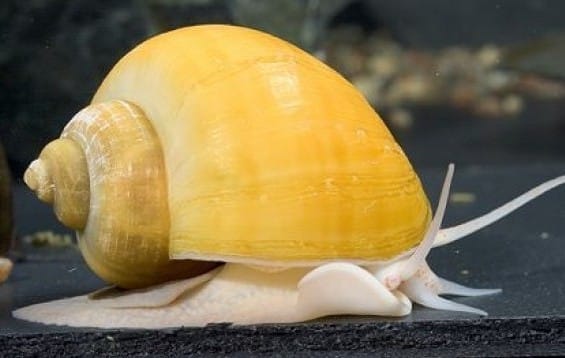
Mystery snails, also known as pomacea bridgesii, are fascinating creatures that make a great addition to any freshwater aquarium. With their vibrant colors and unique appearance, mystery snails can provide visual interest and help clean the tank by scavenging uneaten food and algae. In this blog, we will explore the essential care tips for keeping mystery snails happy and healthy in your aquarium.
Understanding Mystery Snails
Mystery snails, also known as apple snails, are fascinating creatures that belong to the apple snail family. They are indigenous to the freshwater rivers and streams of South and Central America.
These snails have garnered popularity among hobbyists because of their captivating behavior, distinct appearance, and their significant contribution to the ecological equilibrium of freshwater ecosystems.
In addition to their aesthetic appeal, mystery snails serve a crucial role in maintaining the balance of freshwater environments by consuming algae, decaying plants, and other organic matter.
Their scavenging habits help in cleaning and aerating the substrate in aquariums, which is beneficial for the overall health of aquatic plants and fish.
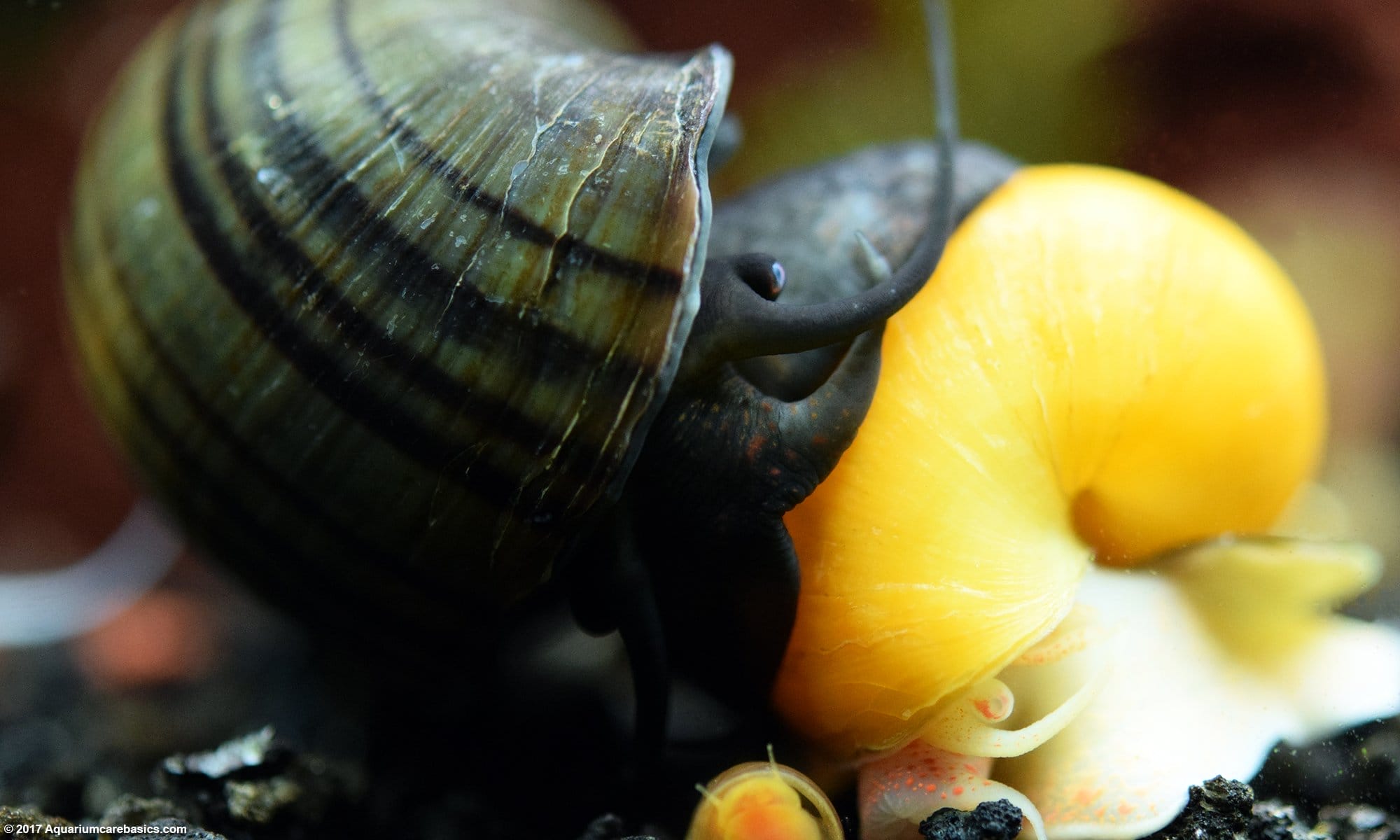
Mystery snails are known for their unique ability to retract into their shells when they feel threatened, providing them with a natural defense mechanism against predators. Their varied color patterns and shell designs make them a visually appealing addition to aquariums or aquatic habitats.
These gastropods are relatively easy to care for, making them suitable pets for both beginner and experienced aquarists. Providing them with a suitable environment that mimics their natural habitat is essential for their well-being.
Maintaining water quality, offering a balanced diet, and ensuring proper tank conditions are key factors in keeping mystery snails healthy and thriving in captivity.
By understanding the natural behaviors and requirements of mystery snails, hobbyists can create a conducive environment that promotes the overall welfare of these intriguing freshwater creatures.
Their Appearance and Characteristics
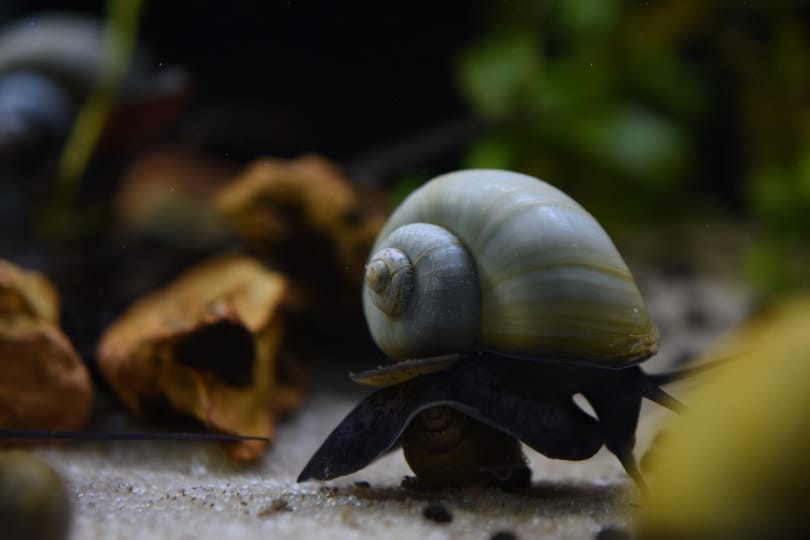
Mystery snails come in a variety of colors, including gold, blue, and pink, making them a vibrant addition to any aquarium. They have a round, spiral-shaped shell that can grow up to 2 inches in diameter, providing them with protection from predators.
With their long, thin tentacles, they can sense their surroundings and locate food. Mystery snails also have an operculum, a hard cover resembling a trapdoor, which allows them to seal themselves inside their shell for protection.
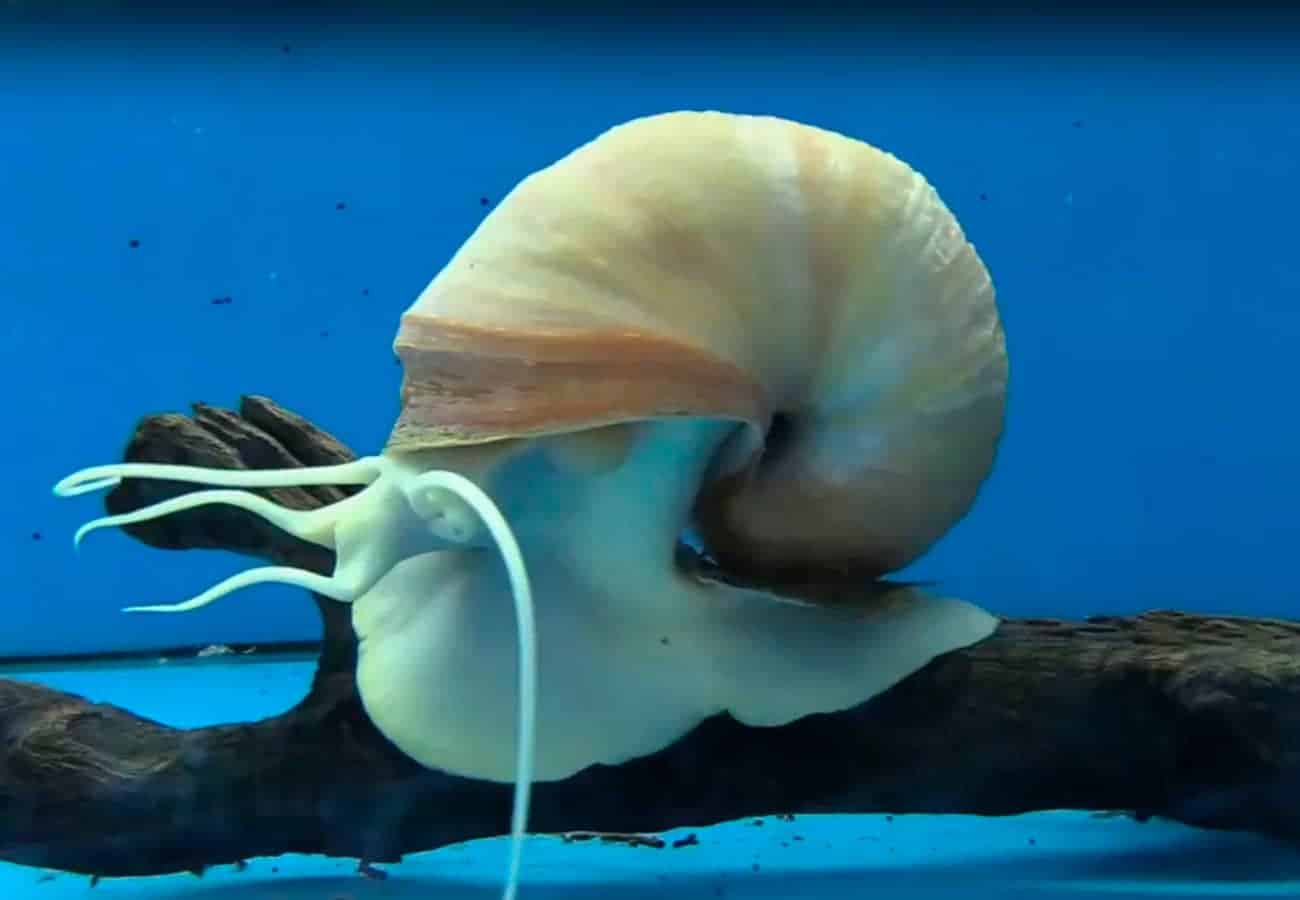
These snails have unique characteristics that set them apart from other aquarium inhabitants. One of their most fascinating traits is their ability to breathe air by protruding a long tube called a siphon, which acts as a snorkel, reaching the water surface.
Additionally, mystery snails are known for their hermaphroditic nature, meaning they possess both male and female reproductive organs. This allows them to reproduce easily in optimal conditions.
To maintain the health of their shells, mystery snails require a balanced diet that includes calcium-rich food, such as algae wafers and calcium chips.
These calcium sources help ensure the durability and strength of the snail’s shell, preventing issues like shell erosion or brittleness.
Natural Habitat of Mystery Snails
In their natural habitat, mystery snails can be found in freshwater bodies, such as rivers, lakes, and streams. While they are not native to the United States, they have become popular aquarium pets worldwide due to their unique appearance and fascinating behavior. Their scientific name, pomacea bridgesii, refers to the species of apple snails they belong to.
Mystery snails thrive in calm freshwater environments with plenty of live plants, as they use the plants for shelter and food. They prefer water temperatures between 68-82°F, making them suitable for most freshwater aquarium setups. However, it is important to ensure the water parameters are within the ideal range for their health.
These snails are particularly sensitive to copper additives and high ammonia levels, which can be harmful to their well-being. It is important to avoid using copper-based medications or additives in the tank, as well as regularly monitor the ammonia levels to keep them in check.
Now that we have a better understanding of mystery snails, let’s explore how to set up an ideal environment for them in your aquarium.
Setting Up an Ideal Environment for Mystery Snails
Creating the perfect environment for mystery snails is essential for their overall well-being. From selecting the right fish tank to maintaining water quality and providing suitable conditions, there are several factors to consider. Let’s dive into the details.
Appropriate Tank Size for Mystery Snails
Creating a suitable habitat for mystery snails requires careful consideration of several factors to ensure their well-being. One essential aspect is the size of the fish tank, with a minimum recommendation of 5 gallons to support these unique creatures adequately.
However, opting for a larger tank not only meets their basic needs but also provides more space for nerite snails to explore and thrive.
When determining the appropriate tank size, it is crucial to consider the total number of snails you plan to accommodate. Overcrowding can lead to stress and health issues among snails, so providing ample room for them to move around comfortably is essential.
Maintaining an adequate water level within the tank is also important as it allows these fascinating creatures to maneuver easily and exhibit their natural behaviors.
In addition to tank size and water level, ensuring a well-rounded habitat for mystery snails involves attention to detail in terms of water quality, temperature regulation, and feeding habits.
Regular water changes, monitoring of water parameters, and offering a balanced diet are key factors in promoting the overall health and longevity of these captivating aquatic snails.
By creating an environment that mimics their natural habitat and addressing their specific needs, you can foster a thriving ecosystem for mystery snails to flourish in your aquarium.
Preferred Water Parameters & Conditions
Creating an ideal environment for mystery snails involves more than just providing them with fresh water and neutral pH levels. These creatures also require specific water parameters to thrive, such as monitoring nitrate levels to prevent any harmful buildup.
Additionally, maintaining a stable water temperature is essential to prevent stress and ensure their well-being. Proper aeration and filtration play a crucial role in creating a suitable habitat for mystery snails, promoting their health and vitality.
Regular testing of water quality and implementing routine water changes are necessary steps to keep the tank conditions optimal for these fascinating aquatic pets.
By prioritizing these factors, you can create a safe and comfortable environment that supports the overall well-being of your mystery snails.
Ensuring Safety from Hazards
To ensure the well-being of your aquatic companions, it is crucial to keep them separated from aggressive tank mates that could pose a threat.
Sharp decorations within the fish tank should be avoided as they may harm the delicate shells of your underwater friends. Additionally, it is important to shield them from potential predators such as fish that view them as a delectable treat.
It is vital to maintain easy access to the water surface for your aquatic pets to facilitate air intake. Furthermore, exercising caution to prevent exposure to toxic substances is essential in safeguarding these intriguing creatures from harm.
Regular water quality checks and ensuring a clean environment are imperative steps in preserving the health and longevity of your underwater companions.
Mystery Snail Behavior & Temperament
Mystery Snails are truly captivating creatures to observe in a fish tank due to their intriguing behaviors and habits. These snails are known for their unique ability to climb tank walls and ceilings, as well as their tendency to consume uneaten food, helping to keep the tank clean.
Their activity levels can vary throughout the day and night, often influenced by their environment and interactions with other tankmates.
One fascinating behavior of Mystery Snails is their response to perceived danger; when threatened, they retract into their shell for protection until they feel safe again.
This adaptation showcases their instinctual survival mechanisms in an aquarium setting. Additionally, the vibrant and colorful shells of Mystery Snails make them a visually appealing addition to any freshwater ecosystem, adding a pop of color and interest to the underwater landscape.
For aquarists and enthusiasts alike, observing the intricate behaviors and habits of Mystery Snails can provide endless fascination and enjoyment.
Whether it’s watching them explore their surroundings, interact with other tank inhabitants, or retreat into their shells for safety, these snails offer a unique glimpse into the fascinating world of aquatic life within a home aquarium.
Dealing with Health Issues
When it comes to caring for your aquatic pets, vigilance is key in ensuring their well-being. It is essential to keep a close eye on your pets for any signs of illness, such as unusual lethargy or abnormal floating behavior.
Elevated levels of ammonia in the fish tank can induce stress and health complications in your snails, underscoring the importance of maintaining optimal water quality.
A balanced and nutritious diet plays a pivotal role in enhancing the immune system of your aquatic snails. Providing them with a varied and wholesome diet can help bolster their overall health and resilience. Additionally, creating and maintaining suitable freshwater conditions is crucial for the well-being of your aquatic companions.
Should you notice any peculiar behaviors or physical changes in your snails, swift action is imperative. Seeking guidance from experienced aquarists or consulting with a veterinarian specializing in aquatic animals can aid in promptly addressing any health issues that may arise.
By staying attentive and proactive in monitoring the health of your aquatic pets, you can ensure their longevity and well-being.
Tips for Regular Care
Taking care of snails in your aquarium requires attention to detail and a commitment to maintaining optimal conditions for their health and well-being.
In addition to conducting routine water assessments to ensure the water quality meets their needs, it is essential to establish a regular cleaning schedule to keep the aquarium environment healthy.
Snails thrive on a diverse diet that includes nutritious options such as kale and lettuce. By offering a variety of foods, you can ensure they receive the necessary nutrients for growth and vitality.
Monitoring your snails’ daily activities is crucial for spotting any early signs of change in behavior or appearance, which could indicate potential health issues.
Creating a calm and stress-free ambiance in the aquarium is also important for the well-being of your snails. Minimizing disturbances and providing hiding spots within the tank can help reduce stress levels and promote natural behaviors.
By following these care tips and observing your snails closely, you can create an ideal environment for these fascinating creatures to thrive. Additionally, maintaining proper water quality and ensuring that the tank is not overcrowded will also contribute to the well-being of your snails. It’s important to regularly clean the tank and monitor the water parameters to ensure that they are within the appropriate range for snail health. If you have other tank mates, such as silver dollar fish, be sure to research their specific care needs and ensure that they are compatible with snails in terms of water parameters, diet, and behavior. Proper silver dollar fish care will also contribute to a harmonious and thriving tank environment for your snails.
Lifespan
Mystery snails, with a lifespan typically ranging from 2-3 years, are intriguing creatures that can be influenced by tank conditions and diet.
To ensure their longevity, it is crucial to provide proper care and attention. Monitoring water quality plays a vital role in extending their lifespan, as these freshwater snails are highly sensitive to their environment.
These captivating snails come in various colors and thrive in freshwater tanks. Creating an ideal habitat with suitable conditions and offering a balanced diet that includes vegetables such as kale and lettuce can significantly contribute to their overall well-being.
For those interested in expanding their snail community, breeding mystery snails can lead to the emergence of baby snails, adding a delightful diversity to the tank.
Proper care, attention to water quality, and a nutritious diet are key factors in ensuring the health and longevity of these fascinating creatures in your aquarium.
Tank Requirements
Creating an ideal environment for mystery snails involves several considerations to ensure their health and well-being. Adequate tank size is vital, with a minimum of 5 gallons recommended to provide enough space for these aquatic creatures to thrive. Maintaining optimal water quality and parameters, such as temperature and pH levels, is essential for their overall health.
When selecting tank mates for mystery snails, it’s crucial to choose peaceful companions that won’t harm or stress them. Additionally, carefully choosing decorations and substrate in the aquarium is important, as mystery snails may need surfaces to climb and explore.
In terms of nutrition, providing a varied diet rich in plant matter is essential for mystery snails. They are known to feed on algae, dead plant matter, and vegetables like zucchinis and cucumbers.
Occasionally supplementing their diet with calcium sources like cuttlebone can help prevent shell deformities and ensure proper growth. By paying attention to these factors and creating a suitable habitat for mystery snails, enthusiasts can enjoy observing these unique creatures thrive in their freshwater tanks.
Also Read: Common Aquarium Problems and How to Fix Them
Diet & Feeding
Mystery snails, like many other aquatic creatures, require a diverse diet to maintain their health and well-being. In addition to vegetables such as zucchini and spinach, they can benefit from a variety of other plant-based foods rich in essential nutrients. Observing their feeding habits closely can provide insights into their specific nutritional needs and preferences.
Supplementing their diet with fish food and algae wafers is essential to ensure that they receive a well-rounded nutritional intake. These commercial foods are formulated to meet the dietary requirements of mystery snails and can help support their overall health.
It is important to note that overfeeding can lead to water quality issues in the aquarium, so it is crucial to monitor their feeding patterns and adjust the amount of food accordingly.
By offering a balanced diet that includes a mix of fresh vegetables and specially formulated commercial foods, you can help ensure that your mystery snails thrive and remain healthy for years to come.
Tankmates
When considering tank mates for Mystery Snails, it is crucial to prioritize compatibility to ensure the well-being of these peaceful creatures. One key factor to keep in mind is avoiding aggressive or nippy fish species that may pose a threat to the snails.
Opting for tank companions such as Ghost shrimp, tetras, and loaches can foster a harmonious environment within the aquarium. These species are known to coexist well with Mystery Snails, creating a balanced ecosystem where each creature can thrive.
Additionally, providing ample hiding spots and vegetation in the tank can offer enrichment for all inhabitants and contribute to a healthy aquatic community.
By selecting appropriate tank mates and maintaining a suitable environment, aquarists can enjoy observing the interactions and behaviors of these fascinating creatures while promoting their overall welfare.
Diseases & Treatments
Early detection of diseases in pet snails is crucial for their well-being. If you notice symptoms such as white spots or sluggishness, it could indicate that your snail is unwell.
In such cases, it is important to isolate the affected snails promptly and provide them with appropriate treatment to aid in their recovery. Seeking advice and treatment from a professional veterinarian specializing in exotic pets is highly recommended.
Maintaining a clean environment in the fish tank is essential to prevent diseases among pet snails. Regularly removing uneaten food and debris helps in maintaining water quality and reduces the risk of infections. If health issues persist despite your efforts, consulting a vet experienced in treating exotic pets is advisable.
Ensuring that your pet snails have access to fresh water and a suitable diet rich in nutrients can help boost their overall health and immunity.
Monitoring your snails regularly for any changes in behavior or appearance is key to identifying potential health concerns early on and addressing them promptly. By staying vigilant and proactive in caring for your snail companions, you can help ensure their well-being and longevity.
Conclusion
Mystery snails are fascinating creatures that require specific care to thrive. By understanding their habitat, behavior, and dietary needs, you can create an ideal environment for them.
Regular maintenance, appropriate tank size, and monitoring water parameters are essential for their well-being. Being mindful of potential health issues and providing a balanced diet are key to ensuring their longevity.
Remember to research tank mates carefully and be prepared to address any diseases promptly. With proper care and attention to detail, mystery snails can make delightful additions to your aquatic family.
Hi, I'm Millie a passionate fish enthusiast and blogger. I loves learning about all kinds of aquatic creatures, from tropical fish to stingrays.