
Discover the Shimmering Brilliance of the Rummy Nose Tetra
 Millie Douglas
Updated on: September 25, 2023 .
16 min read
Millie Douglas
Updated on: September 25, 2023 .
16 min read

Bring life and color to your fish tank with the shimmering brilliance of the Rummy Nose Tetra. These fish, also known as Hemigrammus rhodostomus, are a popular choice among aquarium enthusiasts who want to add a vibrant and fascinating community fish to their tank. In this blog, we will dive deeper into the Rummy Nose Tetra’s overview, habitat requirements, and tank conditions to help you create a perfect home for your Rummy Nose Tetras.
We will also cover their typical behavior, diet and care, breeding habits, size, and common possible diseases. Read on to discover all there is to know about the shimmering Rummy Nose Tetra and add a touch of beauty to your fish tank.
Rummy Nose Tetra Overview
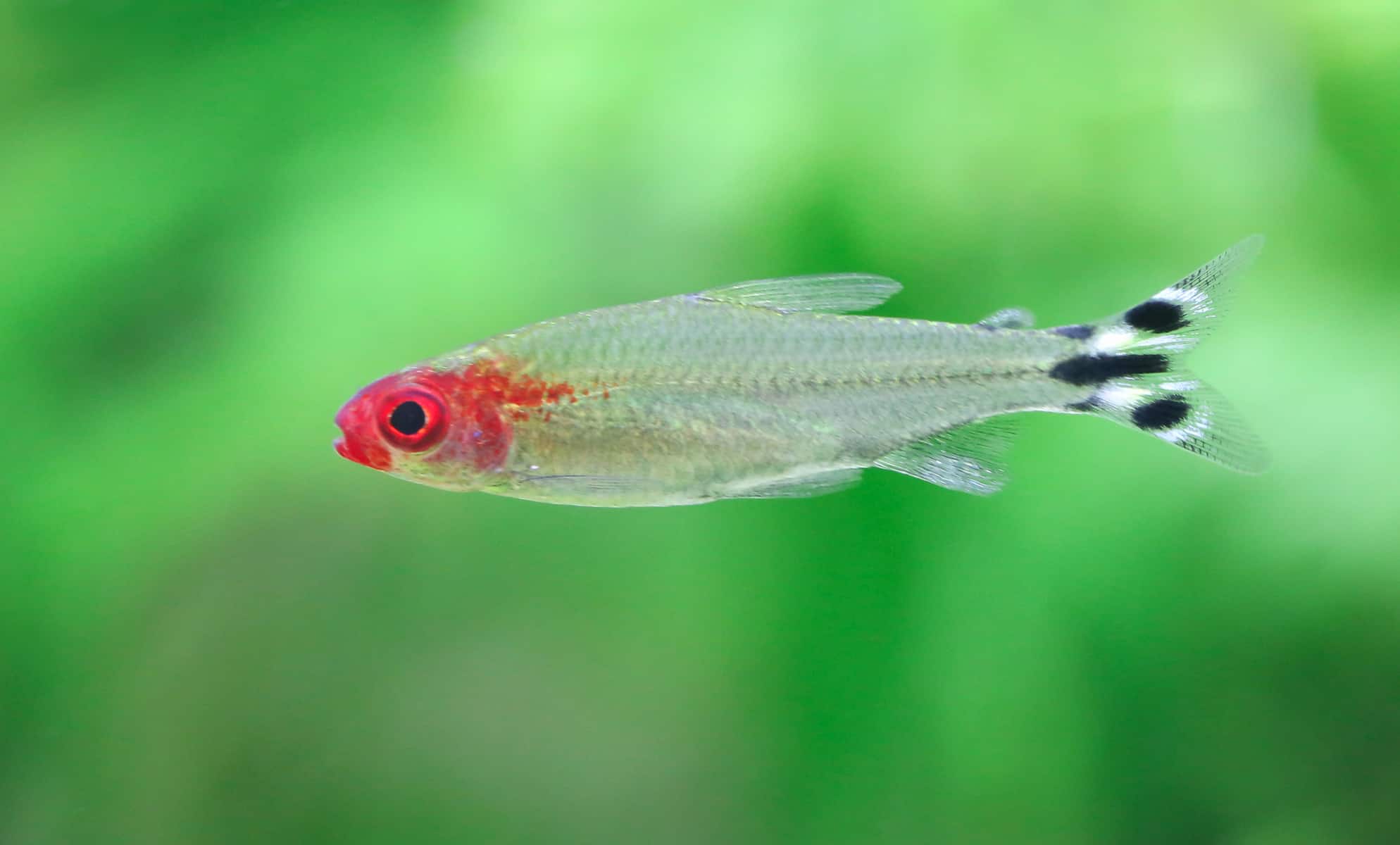
Rummy nose tetras are a popular and visually appealing addition to aquariums for their shimmering brilliance. There are three species of the tetra with distinct physical characteristics.
Rummy nose tetras are sensitive to changes in the water parameters and require vigilant care. Nonetheless, compared to other freshwater species, rummy nose tetras are relatively easy to breed and care for.
Rummy nose tetras are known for tightly schooling together and changing directions like a flock of birds. In the right environment, the tetras will dazzle and delight you with their vibrant colors and playful behavior. All in all, Rummy nose tetras are a perfect addition to your aquarium, but only if you’re ready for the responsibility of their delicate care.
Typical Behavior
The Rummy Nose Tetra is a popular South American fish from the Characidae family that is known for its shimmering brilliance. There are three main species of Rummy Nose Tetra, including the Firehead or Brilliant Rummy-Nose Tetra, the True Rummy-Nose Tetra, and the False Rummy-Nose Tetra.
These fish are sensitive to water parameter changes, and a group of Rummy Nose Tetras works well in a community tank. They tightly school together and change directions like a giant flock of birds, making for a mesmerizing display.
In terms of behavior, Rummy Nose Tetras are easy to breed and make a hardy addition to your tank. If you’re looking for a visually stunning and engaging fish, the Rummy Nose Tetra is definitely worth considering for your aquarium.
Appearance
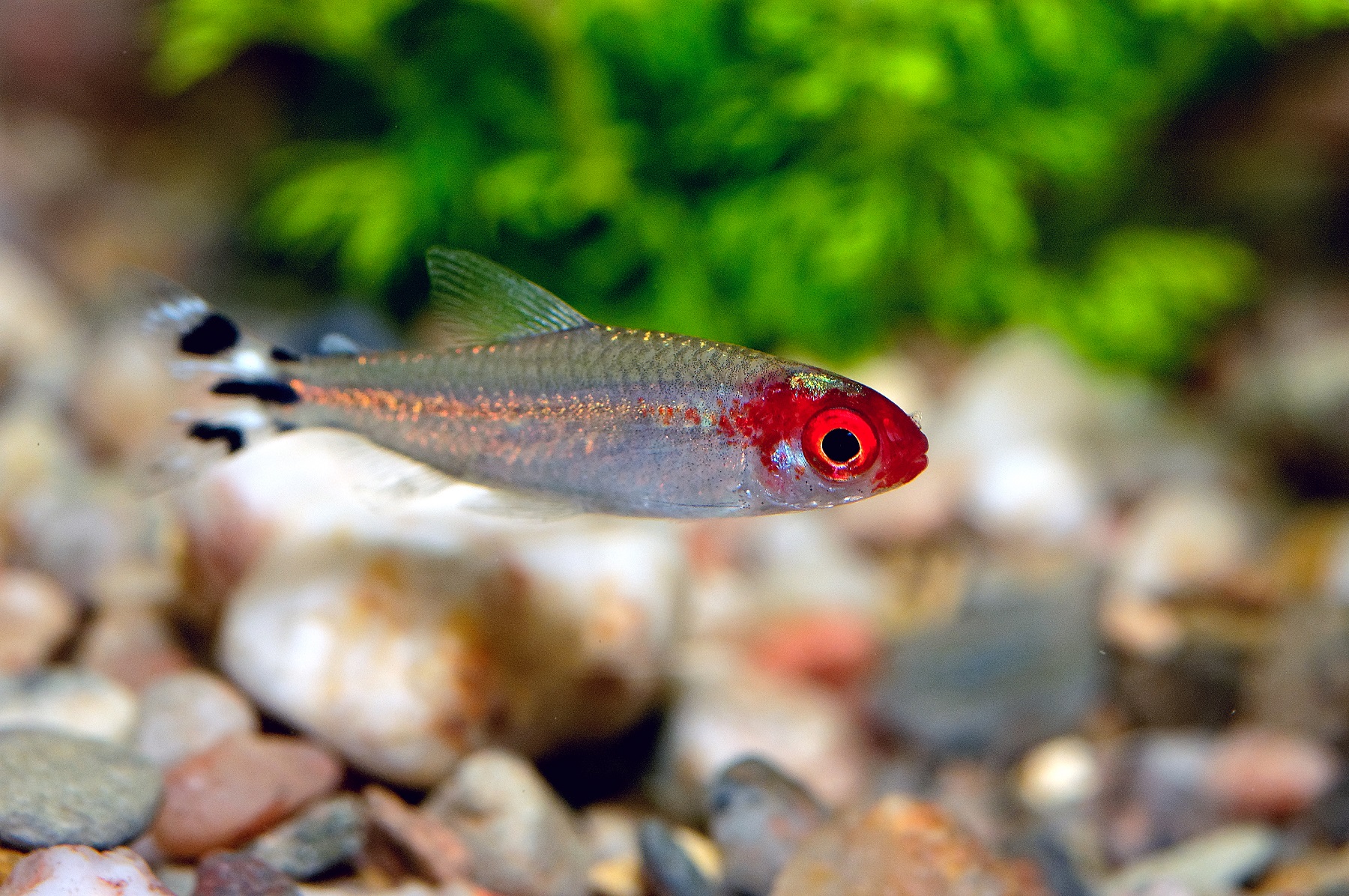
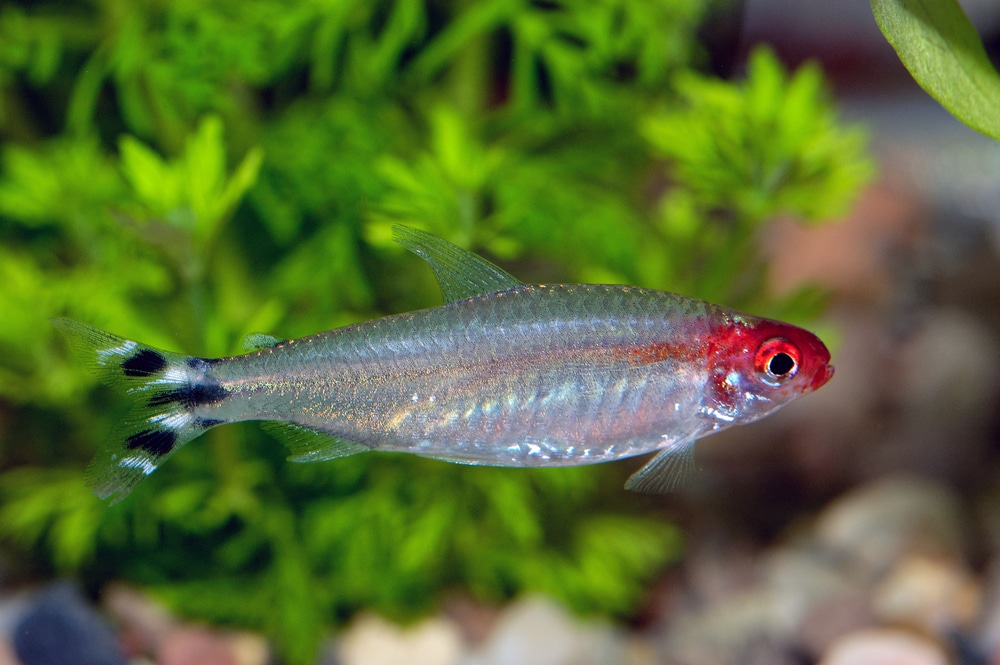
The Rummy Nose Tetra is a beautiful freshwater fish that is known for its shimmering appearance. With a bright red nose and striped tail, this fish is sure to add a pop of color to any tank. There are three species of Rummy Nose Tetras, all native to South America and sensitive to water changes, so it’s important to carefully monitor and maintain their environment.
One of the most interesting characteristics of these fish is their tendency to tightly school together and change directions like a giant flock of birds. While they may be small, these fish are fun to take care of and make a pretty yet hardy addition to your tank.
They also work well in a community tank with other peaceful fish. If you want to add some shimmering brilliance to your aquarium, consider adding Rummy Nose Tetras to your collection.
Diet
The Rummy Nose Tetra is a vibrant and eye-catching species of fish that can bring a shimmering brilliance to your aquarium. This omnivorous fish is easy to care for and has a varied diet consisting of flake or pellet food, blood worms, brine shrimp, small insects, fish eggs, and even finely chopped green veggies. They are also compatible with Betta fish, as they share similar water parameters and inhabit separate tank levels.
It’s important to note that Rummy Nose Tetra are sensitive to changes in water chemistry and temperature, so closely monitoring water parameters is crucial for their health.
These South American fish are shoaling fish that work well in a community tank, and they will eat anything that fits in their mouth, including live bloodworms and daphnias, flake and food pellets, grated or chopped vegetables, and live foods as a treat. Overall, the Rummy Nose Tetra is a beautiful and fascinating fish species that can make an excellent addition to your aquarium.
Care
The Rummy Nose Tetra is known for its shimmering brilliance and is a popular choice among aquarium enthusiasts. These small, peaceful fish are native to South America and are relatively easy to care for with the right conditions.
When it comes to caring for Rummy Nose Tetras, it’s important to keep them in water temperatures of 75-85°F and a pH level of 6.2-7.0. These fish are highly sensitive to changes in water conditions, so it’s essential to monitor the water closely and make adjustments as needed.
In terms of feeding, Rummy Nose Tetras enjoy a varied diet that includes flake or pellet food, blood worms, brine shrimp, and finely chopped green veggies. It’s also important to change out 10% of their water twice a week and test the water regularly.
For optimal water quality, consider adding Indian almond leaves or alder cones to their tank. With proper care, the Rummy Nose Tetra can flourish in your aquarium and add a beautiful shimmering brilliance to your underwater world.
Breeding
The Rummy Nose Tetra is a beautiful and popular freshwater fish that is found in South America. While it is an easy-to-keep fish, breeding Rummy Nose Tetras can be challenging. To breed them, a separate breeding tank with a raised temperature and slightly acidic pH is required, along with the use of leafy plants or a spawning mop.
Identifying females for breeding can be difficult, but observing a group of 6 males and 6 females can help in pairing. Breeding pairs require a protein-rich diet and softer water. The breeding process for Rummy Nose Tetras requires the removal of parents from the breeding tank after laying eggs to increase the survival rate of the fry.
Although breeding Rummy Nose Tetras can be a bit of a challenge, the effort is well worth it for the shimmering brilliance of these beautiful fish.
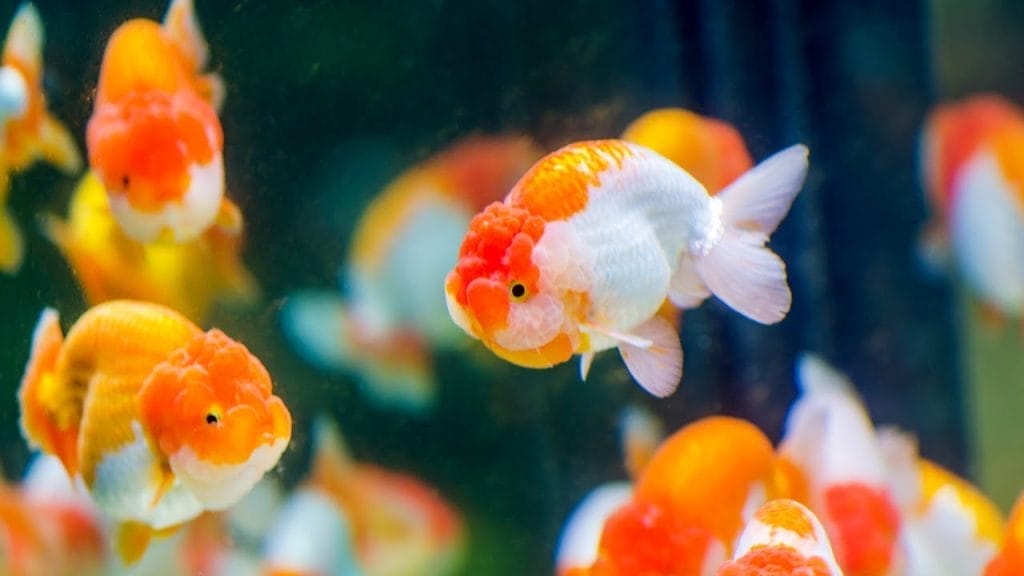
Also Read: Discover the World of Goldfish
Size
The Rummy Nose Tetra is a popular freshwater fish that is known for its shimmering brilliance and tight schooling behavior. Growing up to 2.5 inches in length, it is a great option for owners with small aquariums.
There are three main species of Rummy Nose Tetra, each with its own unique appearance and characteristics. These peaceful omnivore fish have a preferred pH range of 6.2-7 and require a minimum tank size of 20 gallons.
While the average size of the Rummy Nose Tetra is around 2 inches, some specific species can grow up to 2.5 inches. It’s important to avoid overstocking the aquarium with Rummy Nose Tetra despite their attractive qualities.
Overall, the Rummy Nose Tetra is a beautiful and lively addition to any aquarium, and its tight schooling behavior adds an extra level of interest and intrigue to its already striking appearance.
Common Possible Diseases
The Rummy Nose Tetra is a popular addition to tank communities due to their shimmering brilliance and ease of breeding. However, they are also known to be sensitive to changes in their environment and prone to stress-related diseases such as Ich and Dropsy. It is important to maintain good water conditions and avoid sudden changes in water parameters to prevent these diseases.
Rummy Nose Tetra are also sensitive to poor water conditions and stress, making them challenging to care for. Despite these challenges, they are fun to take care of and their ease of breeding makes them a great addition to any tank community. By providing a stable environment and proper care, the Rummy Nose Tetra can thrive and provide a beautiful addition to your aquarium.
Food & Diet
The Rummy Nose Tetra is a beautiful and shimmering fish that thrives in warm water temperatures between 75 to 85°F and a pH level of 6.2 to 7.0. They are omnivores and can be fed flake or pellet food, blood worms, brine shrimp, small insects, fish eggs, and finely chopped green veggies to maintain a healthy diet.
When it comes to tankmates, bettas make excellent companions for Rummy Nose Tetras as they share similar water conditions. Bettas require temperatures of 75 to 81°F with a slightly acidic to neutral pH level of 6.5 to 7.5, making them compatible tankmates.
Rummy Nose Tetras are not picky eaters and consume a variety of foods ranging from proteins to plants. Their diet affects their color development, making it vital to maintain a well-balanced diet. They are sensitive to changes in their water chemistry and temperature, so closely monitoring the water parameters is crucial for their health. Changing out 10% of the water twice a week and testing the water regularly is recommended.
Indian almond leaves or alder cones can be added to the tank to tint the water and give the tank a natural look, which the Rummy Nose Tetras would appreciate. With proper care and attention, the Rummy Nose Tetra can bring shimmering brilliance and life to any aquarium.
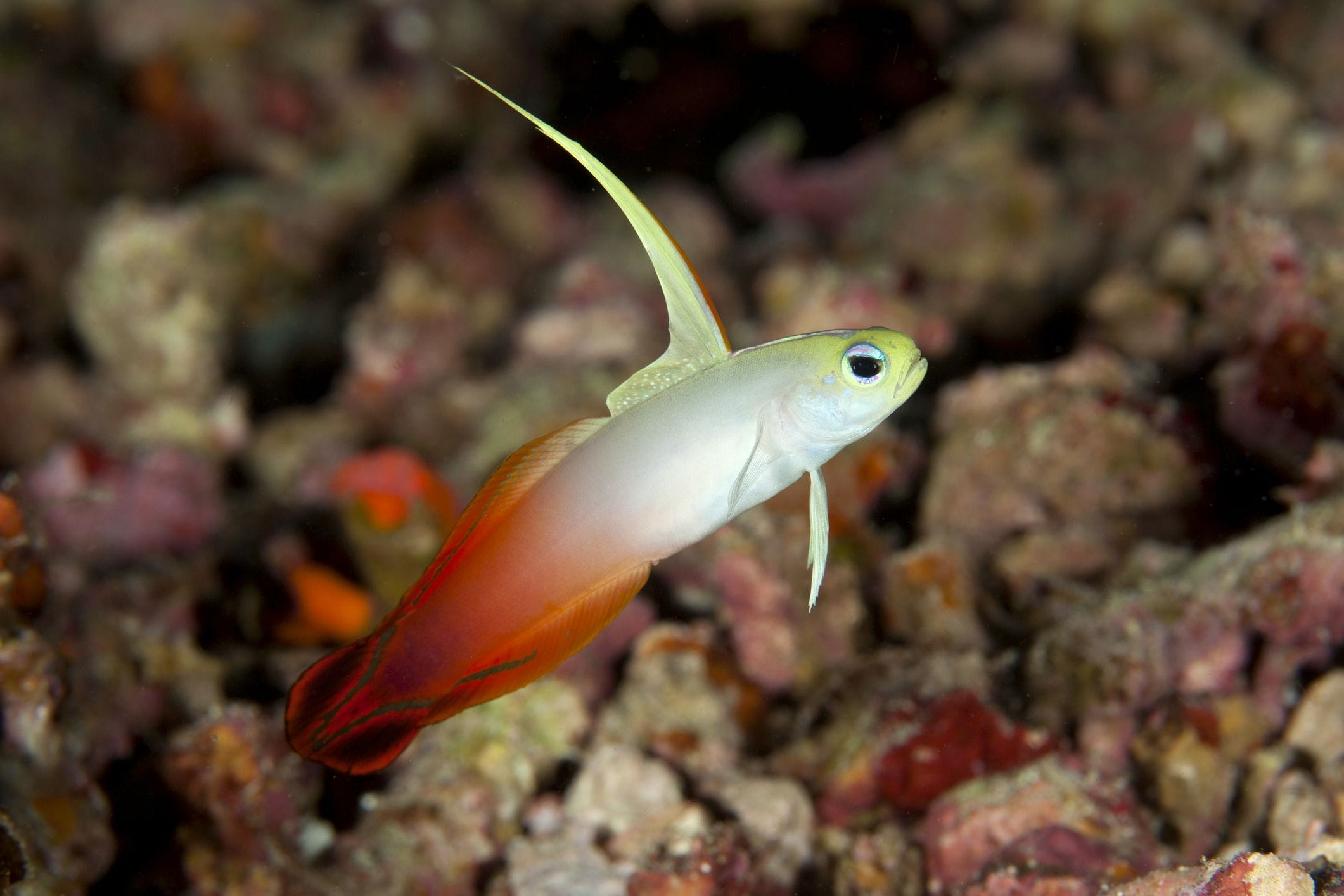
Also Read: Purple Firefish Goby Care Tips and Tricks
Types and varieties of Rummy Nose Tetras
The Rummy Nose Tetra is a beautiful and popular species of fish that is native to South America. There are three species of Rummy Nose Tetra, including Hemigrammus rhodostomus, Hemigrammus bleheri, and Petitella georgiae.
True Rummy Nose Tetra is Hemigrammus rhodostomus, the Common Rummy Nose Tetra is Hemigrammus bleheri, and the False Rummy Nose Tetra is Petitella georgiae.
Despite their popularity, Rummy Nose Tetras are not currently listed as vulnerable or endangered species. However, they do require careful maintenance as they are sensitive to water parameter changes. Rummy Nose Tetras are known for tightly schooling together and changing directions like a flock of birds, making them a beautiful sight in any aquarium. With their shimmering brilliance, the Rummy Nose Tetra is a wonderful addition to any fish enthusiast’s collection.
Habitat and Tank Conditions
Rummy Nose Tetra aquarium fish are slightly sensitive and prefer slightly acidic to neutral water pH conditions of 6.2-7.0 with temperatures ranging between 75-85°F. They are omnivorous, and their diet includes flakes, frozen or live small insects, and algae.
They make good tank mates with Betta fish because they share similar water conditions. Betta fish require a water temperature range of 75-81°F and a pH level of 6.5-7.5. Guppies are also compatible with Rummy Nose Tetras as they have similar peaceful nature and water parameters.
While Rummy Nose Tetras are relatively low maintenance, they are highly sensitive to changes in water chemistry and temperature. Ensure you keep a watchful eye on the water conditions every week and stabilize the tank’s water conditions before introducing the fish to prevent disease or stress.
Maintaining a consistent temperature at 76-80°F can prevent the Rummy Nose Tetra from falling prey to diseases or stress. Give your aquarium fish the required care and watch their colors shimmer to yield the optimal Rummy Nose Tetra experience.
Tank Setup
To provide the best habitat for a Rummy Nose Tetra, it’s important to maintain a water temperature between 76 and 80°F for ideal conditions. Breeding requires a separate 10-gallon tank with raised temperature and slightly acidic water. To mimic their natural habitat, consider setting up a blackwater aquarium with soft, acidic water.
There are three main species of Rummy Nose Tetra, including Hemigrammus rhodostomus, Hemigrammus bleheri, and Petitella georgiae. These tetras are known for tightly schooling together, changing directions like a flock of birds.
By creating a suitable habitat and tank setup, you can help your Rummy Nose Tetra thrive in its new home.
What Size Aquarium Do They Need?
If you’re interested in adding Rummy Nose Tetras to your aquarium, it’s important to consider their habitat and tank conditions. Rummy nose tetras need a minimum tank size of 20 gallons, with 30+ gallons recommended. They prefer to live in groups of at least half a dozen, so a large tank is important for swimming and feeling safe. It’s also important not to overstock your aquarium with these peaceful omnivores.
One benefit of adding Rummy Nose Tetras to your aquarium is that they are good indicator fish that favor pristine water conditions. Additionally, their displays of varying colours and patterns make them attractive fish to watch. If you’re looking to add a new species to your aquarium, Rummy Nose Tetras are an excellent choice to consider.
How Many Can Be Kept Per Gallon?
If you’re interested in keeping rummy nose tetras, it’s important to provide them with the right habitat and tank conditions. A good rule of thumb is to keep one fish per two gallons to avoid overstocking. For a 20 gallon tank, you can comfortably house up to 10 tetras.
It’s also important to keep tetras in groups to ensure they have enough resources. Six rummy nose tetras should be kept together to make sure they feel safe and secure. However, in larger aquariums, groups of up to 20 or 30 tetras can be kept. It’s important to avoid squabbles over territory by keeping fewer tetras together or providing plenty of hiding places in the tank. With the right habitat and conditions, these shimmering and brilliant fish can thrive in your aquarium.
Tank Mates
Rummy nose tetras are peaceful fish that can live harmoniously with other fish of similar size and temperament, such as Cherry barbs and Rainbow tetras. However, it’s important to avoid larger and aggressive fish like cichlids and angelfish, as they may stress out the rummy nose tetras.
As social fish, rummy nose tetras prefer to shoal and thrive when kept in a group of at least six. Other gentle fish, such as Pearl Gourami and Corydoras catfish, can make suitable tank mates as well.
While neon tetras can be suitable tank mates for rummy nose tetras due to their similar water condition needs, they may need to be separated if they exhibit fin nipping behavior. Overall, providing the right tank conditions and choosing suitable tank mates can help ensure the shimmering brilliance of rummy nose tetras shines through in your aquarium.
Keeping Them Together
The vibrant colors and stunning patterns of the rummy nose tetra make it a popular choice for aquarium enthusiasts. To ensure their health and well-being, it’s important to keep them in groups of at least 6 to reduce stress and prevent aggression from other fish. Maintaining water quality is also crucial as they are sensitive to changes in pH and temperature.
There are three main species of rummy-nose tetras, each with their own unique physical characteristics, but all tightly school together. When swimming in unison, their shimmering brilliance creates a mesmerizing display in the tank.
To further enhance their natural environment, consider adding Indian almond leaves or alder cones to the tank water. With proper care and a suitable habitat, the rummy nose tetra can thrive and become a beautiful addition to any aquarium.
Also Read: Sparkling Gourami Care Tips & Size Guide
Tank Size
The Rummy Nose is a beautiful addition to any aquarium, but it’s important to provide proper habitat and tank conditions for them to thrive. These fish require a minimum aquarium size of 20 gallons, making them ideal for small tanks. They typically grow up to 2.5 inches in length and are peaceful, coexisting well with Mollies, Corydoras Catfish, and Dwarf Gouramis.
The ideal water temperature for Rummy Nos is between 76-80 degrees F, and it’s important to maintain a pH level of 6-7.5. They are omnivores and require a balanced diet containing small plant matter, insects, larvae, or eggs. As long as these conditions are met, the Rummy Nose can be a shimmering and brilliant addition to any aquarium.
Water Parameters
If you’re looking to introduce the vibrant Rummy Nose to your aquarium, it’s important to keep in mind its habitat and tank conditions. The Rummy Nose thrives in warmer waters, with an ideal temperature range of 75-85°F (70-29°C). It also prefers water with an optimal pH level between 6.2-7.0.
However, this fish is sensitive to changes in water chemistry and temperature. To maintain a healthy environment for the Rummy Nose, it’s important to regularly test your water parameters and perform 10% water changes twice a week. In terms of diet, Rummy Nose enjoy a mix of insects, plants, and algae.
By paying close attention to the water conditions of your aquarium and providing a balanced diet, you can enjoy the shimmering brilliance of the Rummy Nose in your home.
What To Put In Their Tank
To ensure the happiness and health of your rummy nose tetras, it’s important to provide them with the right habitat and tank conditions. These tetras require a tank of 20-25 gallons to comfortably house up to 10 of them. Breeding rummy nose requires a separate 10-gallon breeding tank with a temperature of 84°F and pH level between 6.0 to 6.2.
Maintaining water temperature between 75 to 85°F and pH level between 6.2 to 7.0 is vital for happy and healthy rummy nose. A small 100-watt heater is necessary to ensure a consistent temperature range of 72-80°F, and an aquarium thermometer is a must-have.
As omnivores, rummy nose will eat a variety of foods, including flake or pellet food, blood worms, brine shrimp, small insects, fish eggs, and finely chopped green veggies such as lettuce or cucumber. With the right habitat and diet, your rummy nose tetras will display their shimmering brilliance for all to see.
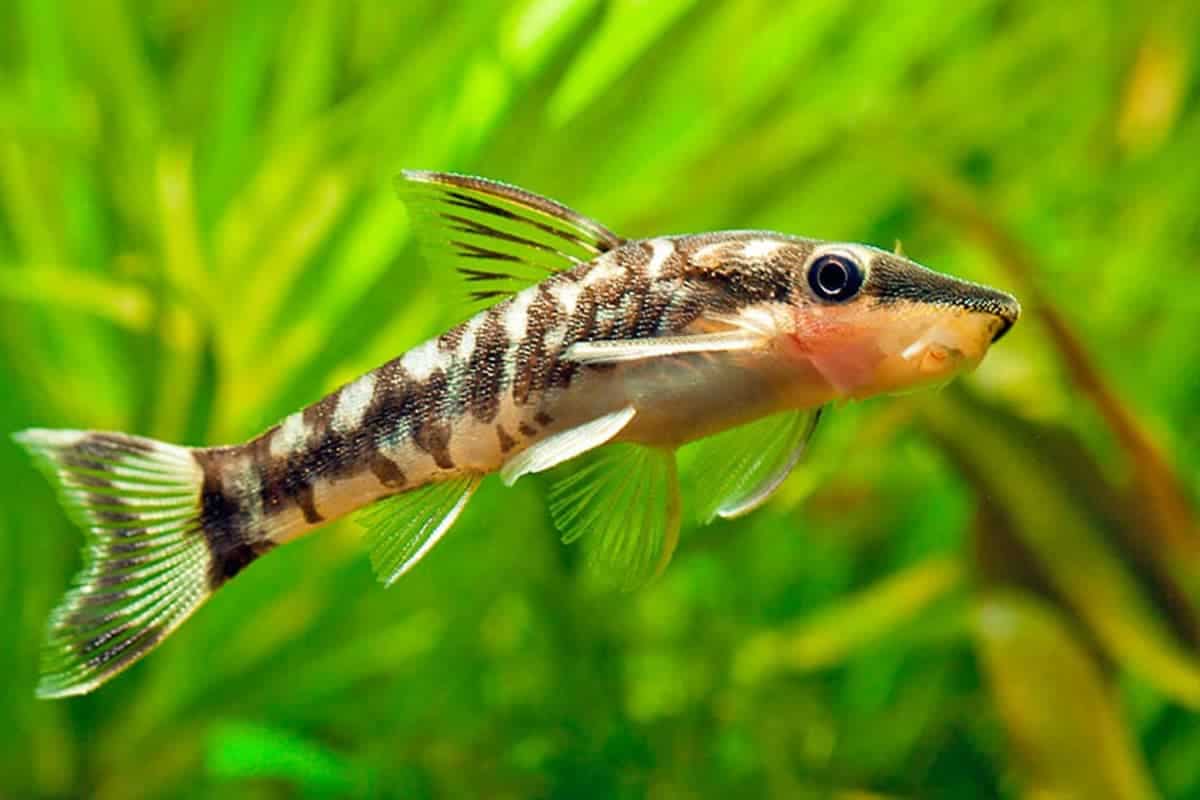
Why Are Rummy Nose Tetras Compatible with Rubber Lip Plecos in an Aquarium?
Rummy Nose Tetras and Rubber Lip Plecos make a perfect combination in an aquarium due to their compatible temperaments and water parameter requirements. The top reasons to own a rubber lip pleco include its ability to keep the tank clean by consuming algae and its peaceful nature. This compatibility ensures a harmonious coexistence, where the Tetras remain undisturbed by the Plecos’ presence.
Conclusion
The Rummy Nose is a stunning addition to any freshwater aquarium. Their unique appearance and peaceful demeanor make them an ideal choice for both beginner and experienced fish keepers.
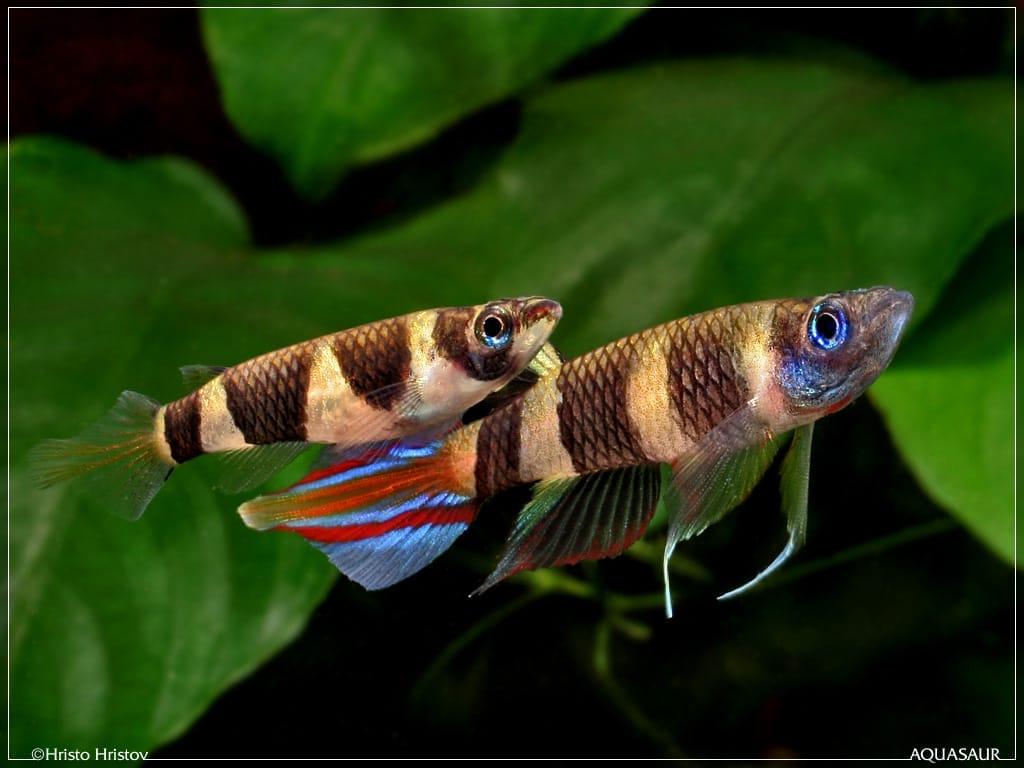
Also Read: Clown Killfish 101: A Beginner’s Guide
This guide has provided a comprehensive overview of everything you need to know about these fish, including their behavior, diet, care, and breeding. To ensure that you’re providing them with the best possible environment, we have also included tips on habitat and tank conditions. If you’re looking to add some shimmering brilliance to your tank, consider the Rummy Nose. For more information on how to care for your aquatic pets, check out our other helpful guides.
Hi, I'm Millie a passionate fish enthusiast and blogger. I loves learning about all kinds of aquatic creatures, from tropical fish to stingrays.