
Easy Guide to Setting Up a Fish Tank – Your Perfect Aquatic Home
 Millie Douglas
Updated on: September 3, 2024 .
15 min read
Millie Douglas
Updated on: September 3, 2024 .
15 min read
Are you planning to bring home some finned friends? Setting up a fish tank is a crucial step towards their well-being and happiness. Don’t worry, it’s easier than you think! In this guide, we’ll take you through the process of setting up a fish tank, from choosing the right size to selecting the perfect decoration.
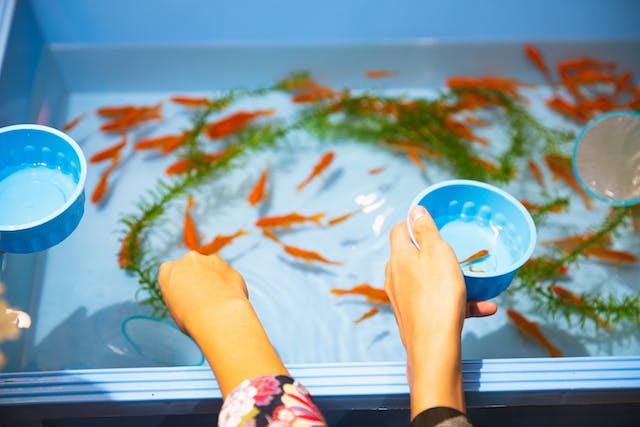
Beginner’s Guide to Fish Tank Setup
Setting up your first fish tank can seem daunting, but with the right equipment and maintenance, it’s easier than you think. In this beginner’s guide, we’ll go over everything you need to know to set up and maintain a healthy fish tank.
Fish Tank Equipment
The first step in setting up a fish tank is gathering the necessary equipment. Here’s what you’ll need:
| Item | Description |
|---|---|
| Aquarium | Select an appropriate size aquarium for your space and type of fish. |
| Filter | Choose a filter that’s appropriate for the size of your tank and type of fish. |
| Heater | Unless you’re keeping cold-water fish, you’ll need a heater to maintain a consistent water temperature. |
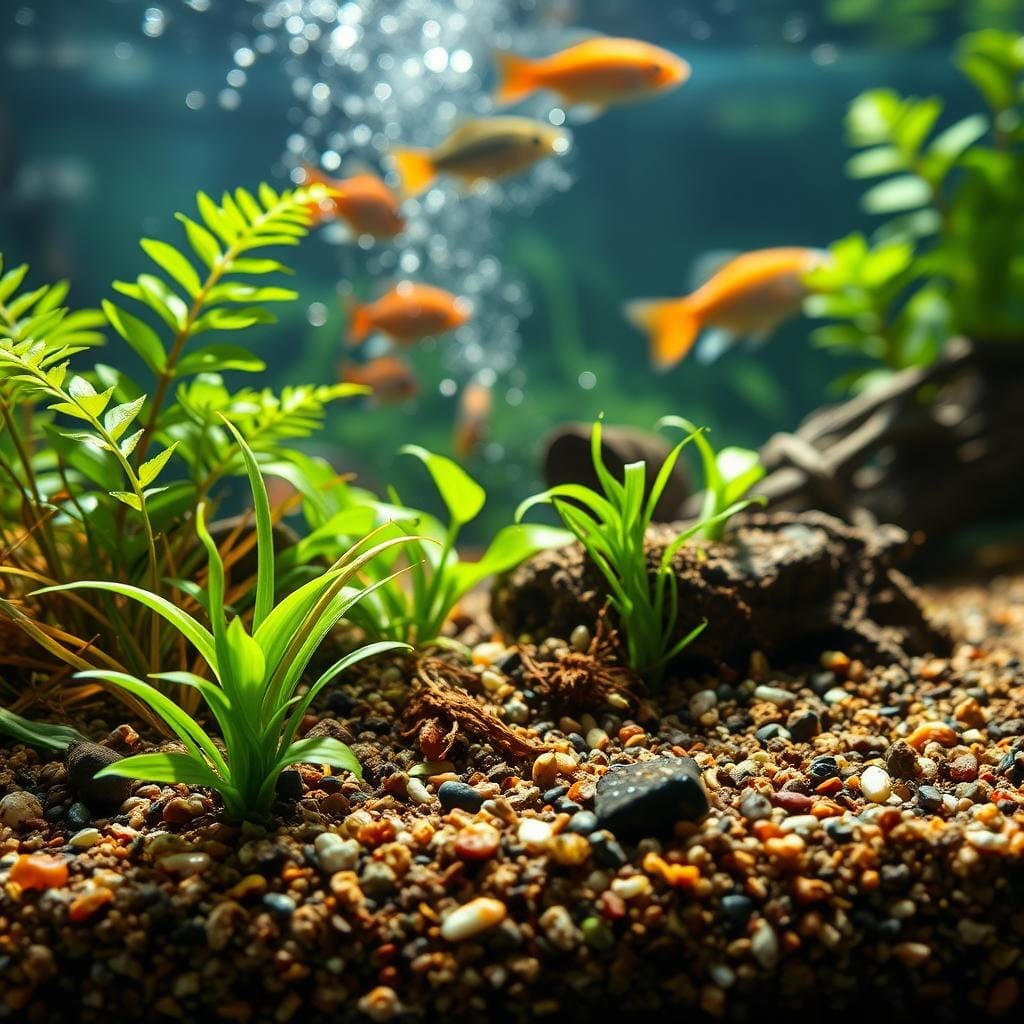
| Substrate | Add substrate to the bottom of the tank for plants and hiding spots. |
| Plants and Decorations | Add decorations and plants to create a natural environment and provide hiding spots for your fish. |
| Water Conditioner | Add water conditioner to remove harmful chemicals from tap water. |
| Water Test Kit | Test your water for ammonia, nitrite, nitrate, and pH levels regularly. |
Fish Tank Maintenance
Maintaining a fish tank doesn’t have to be a chore if you keep up with regular maintenance. Here are some essential maintenance tasks:
- Perform weekly water changes of 10-20% of the tank volume.
- Test water parameters regularly and adjust as needed.
- Check and clean the filter every 2-4 weeks.
- Remove any uneaten food and debris from the tank regularly.
- Trim plants as needed.
Cycling a Fish Tank
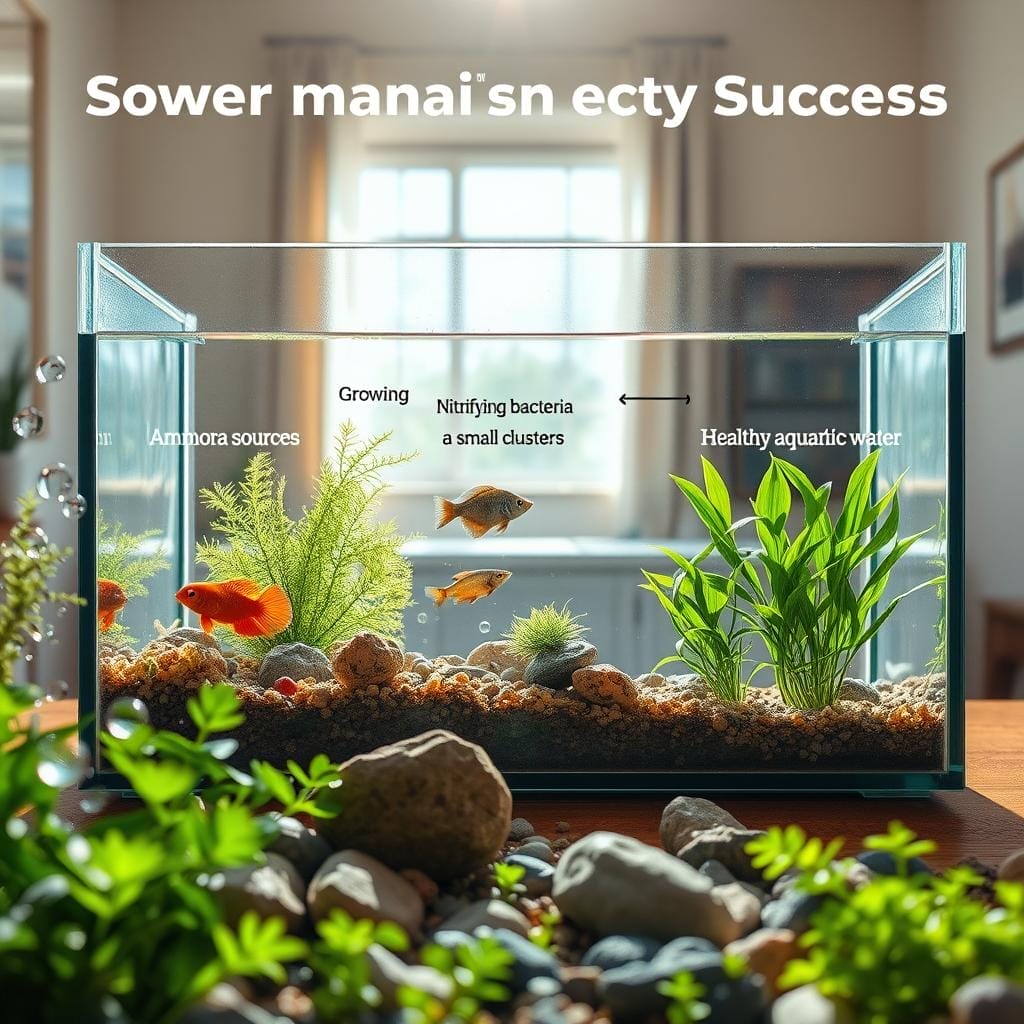
Cycling a fish tank is the process of establishing a beneficial bacteria colony to create a stable environment for your fish. Here are the steps:
- Add a source of ammonia to the tank (such as fish food or pure ammonia).
- Test water parameters regularly until ammonia and nitrite levels peak, then start to decrease.
- Add beneficial bacteria (such as Seachem Stability) to the tank to speed up the cycling process.
- Continue to monitor water parameters until ammonia and nitrite levels are consistently 0.
Once your tank is fully cycled and you’ve added your fish, be sure to acclimate them slowly to prevent stress or shock.
Following these beginner’s guide to fish tank setup and maintenance tips, you’ll be on your way to creating a healthy and thriving aquatic environment for your fish.
Selecting the Right Fish Tank Size
Choosing the appropriate size for your fish tank is crucial for the well-being of your fish. Factors to consider when selecting the right size include the number and size of fish, available space, and future expansion plans. It is always better to opt for a bigger fish tank than a smaller one, as it will ensure that your fish have ample space to swim and thrive.
| Fish Tank Size | Number of Fish (1 inch per gallon) |
|---|---|
| 10 gallons | 1-3 fish |
| 20 gallons | 4-6 fish |
| 30 gallons | 7-10 fish |
| 40 gallons | 11-15 fish |
| 50 gallons | 16-20 fish |
If you plan to keep larger fish or a higher number of fish, it is recommended to opt for a bigger aquarium. Remember to also consider the type of fish you plan to keep and their specific needs. Some fish require more swimming space than others.
Common Fish Tank Shapes
- Rectangular: The most common shape, ideal for most types of fish. The rectangular shape allows for more swimming space and better water circulation.
- Bow-front: Similar to the rectangular shape, but with a curved front that allows for a better viewing experience.
- Cube: A compact and stylish option, but may not provide enough swimming space for some fish.
- Cylinder or round: These tanks may look appealing, but they are not ideal for fish as they offer limited swimming space and poor water circulation.
It is important to choose the right size and shape for your fish tank to ensure that your fish thrive in a healthy and spacious environment.
Setting Up the Fish Tank Filtration System
Proper filtration is crucial to maintaining a healthy environment for your fish. The fish tank filtration system is responsible for removing waste, debris, and harmful chemicals, ensuring the water in the tank remains clean and safe for the fish. There are various types of filtration systems available, including mechanical, biological, and chemical filters. Choosing the right filter for your tank depends on the size of your tank, the number and type of fish, and the type of aquarium you have.
Selecting the Right Filter
When selecting a filter, consider the size of your tank and the needs of your fish. A filter should be able to process the entire volume of water in the tank at least four times per hour. For example, if you have a 20-gallon tank, you will need a filter that can process at least 80 gallons of water per hour. If you have large or messy fish, you may need a more powerful filter.
In addition to the filter itself, you will also need filter media, such as foam, carbon, and biological filtration media. The type of media you use will depend on the type of filter and your specific tank needs.
Installing the Filter
Before installing the filter, wash your hands thoroughly to avoid introducing any harmful bacteria into the tank. Follow the manufacturer’s instructions for assembling and installing the filter. Make sure to properly prime the filter before turning it on. This means filling the filter with water to allow the pump to function properly.
Position the filter near an electrical outlet and ensure that it is level and stable. A wobbly filter can cause noise and vibration and may damage the tank. Attach the filter to the tank using the provided suction cups or mounting brackets. Make sure the filter is positioned so that the water flows into the tank and doesn’t create a backflow.
Check the filter regularly to ensure it is running smoothly and replace the filter media as recommended by the manufacturer.
Cycling a Fish Tank
Cycling a fish tank is a crucial step in setting up a new aquatic home for your fish. It involves establishing a beneficial bacteria colony in the tank, which helps break down toxins and maintain a stable environment for the fish. Cycling can take several weeks to complete, but it is necessary to ensure the health and well-being of your fish.
Why is cycling important?
When you first set up a fish tank, it is a sterile environment with no beneficial bacteria. As you add fish and they produce waste, harmful toxins can quickly accumulate in the water. A properly cycled tank has a colony of beneficial bacteria that breaks down these toxins, creating a safe and healthy environment for the fish to live in.
How to cycle a fish tank
There are several methods for cycling a fish tank, but the most common one involves adding a source of ammonia to the water. This can be done using fish food, pure ammonia, or by adding some fish to the tank. Here are the step-by-step instructions:
- Add your chosen source of ammonia to the tank.
- Test the water daily using a test kit to monitor the levels of ammonia, nitrite, and nitrate.
- After a few days, you should start to see a spike in ammonia levels. As the beneficial bacteria start to grow, nitrite levels will also start to rise.
- When nitrite levels start to drop and nitrate levels begin to rise, it means the colony of beneficial bacteria is established.
- Do a large water change to bring nitrate levels down to a safe level for fish.
- You can now add your fish to the tank, but do so slowly to avoid stressing the fish or overwhelming the filtration system.
Remember to continue testing the water regularly and performing routine maintenance to keep the tank healthy and clean.
Fish Tank Decoration Ideas
Decorating a fish tank is not only about making it look attractive but also providing a suitable environment for the fish. Here are some decoration ideas to help create a perfect aquatic home:
- Plants: Adding live or artificial plants can not only enhance the appearance of the tank but also provide hiding spots for the fish. Ensure the plants are suitable for the type of fish and do not take up too much space.
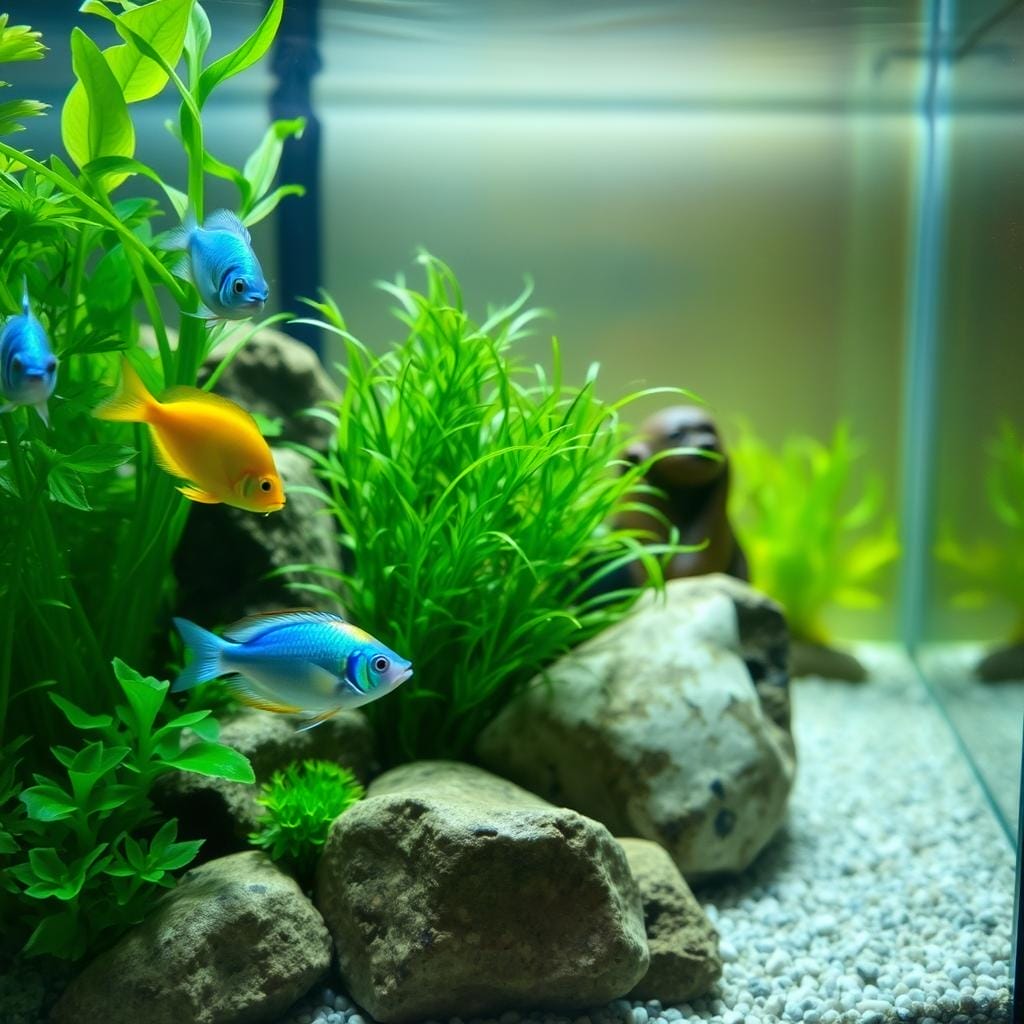
- Rocks and driftwood: Placing rocks and driftwood in the tank can create a natural-looking environment, and fish love to explore them.
- Theme-based decor: Add items like castles, pirate ships, and underwater caves to create a unique and exciting theme for your tank. Ensure these decorations do not pose a threat to the safety of the fish.
- Colored gravel: Using colored gravel can add a pop of color to the tank and provide a suitable base for plants and decorations.
Creating a Natural-looking Environment
If you want to create a natural-looking environment for your fish, it is best to stick to items like rocks, driftwood, and plants. Ensure that the decorations you choose are safe for the fish, and do not contain any harmful chemicals or sharp edges that may damage their fins or scales.
Maintaining a Clean and Healthy Tank
While decorating your tank, ensure that the decorations are easy to clean and do not accumulate debris. Regular cleaning of the tank and decorations can help maintain a clean and healthy environment for the fish.
Introducing Fish to the Tank
After the tank is set up and cycled, it’s time to add fish! It’s important to introduce fish to the new environment slowly to prevent stress or shock from sudden changes in temperature, pH, or water chemistry.
The first step is to turn off all filters and pumps to prevent the fish from getting trapped or injured. Float the fish bag in the tank for 15-20 minutes to allow the temperature to equalize. Next, add a cup of tank water to the bag every five minutes to help the fish gradually adjust to the new water conditions.
Once the bag is filled with tank water, gently release the fish into the tank. It’s best to turn off the lights and leave the fish alone for a few hours to reduce stress. Avoid overfeeding the fish during the first few days and keep an eye out for any signs of illness or distress.
It’s important to acclimate the fish slowly and carefully to prevent stress or shock. By following these steps, the fish will have a better chance of adapting and thriving in their new aquatic home.
Fish Tank Maintenance Tips
Proper maintenance is essential for the health and well-being of your fish. Below are some tips for keeping your fish tank clean and healthy:
Water Changes
Regular water changes are necessary to remove toxins and waste from the tank. Aim to change 10-15% of the water every 1-2 weeks. Use a siphon to vacuum the gravel and remove debris from the bottom of the tank.
Testing Water Parameters
Regularly test the water parameters to ensure they are within the appropriate range. Use a test kit to monitor the levels of ammonia, nitrite, nitrate, pH, and other factors. If levels are not within the proper range, take corrective action immediately.
Filter Maintenance
The filtration system is crucial for maintaining a healthy and clean environment for your fish. Be sure to clean or replace the filter media regularly. Follow the manufacturer’s instructions for the specific type of filter you have.
Algae Control
Algae growth is a common issue in fish tanks. To control algae, limit the amount of light your tank receives and clean the tank regularly. You can also introduce algae-eating fish or snails to help keep the tank clean.
Schedule Cleaning
Establish a regular cleaning schedule to ensure your tank stays clean and healthy. This can include tasks such as wiping down the tank walls, trimming plants, and removing excess debris from the tank.
By following these maintenance tips, you can help ensure that your fish stay healthy and happy in their aquatic home.
Troubleshooting Common Fish Tank Issues
Even with proper setup and maintenance, fish tanks can experience problems. Here are some common issues and how to troubleshoot them:
Cloudy Water
Cloudy water can be caused by overfeeding, overstocking, or inadequate filtration. To troubleshoot, reduce the amount of food and fish in the tank. Increase filtration and perform a partial water change of up to 25% to remove excess organic matter.
Algae Growth
Algae thrive in the presence of excess light and nutrients. To troubleshoot, reduce the amount of light exposure by adjusting the lighting period or using algae-reducing products. Make sure to perform regular water changes and clean the tank’s walls and decorations.
Fish Diseases
Fish diseases can be caused by poor water quality, stress, or inadequate diet. To troubleshoot, test water parameters and perform partial water changes as needed. Quarantine any sick fish and treat them according to the specific disease. Consider adjusting the diet or adding stress-reducing products if stress is the issue.
Equipment Malfunction
Equipment malfunction can lead to various issues, such as improper filtration or water temperature fluctuations. To troubleshoot, check all equipment regularly and perform necessary maintenance. Consider investing in backup equipment in case of emergencies.
Unusual Fish Behavior
Unusual fish behavior, such as lethargy or aggression, can be a result of poor water quality, incompatible fish species, or inadequate hiding spots. To troubleshoot, test water parameters and perform partial water changes. Consider researching the fish species compatibility before introducing them to the tank. Ensure the tank has adequate hiding spots and space for the fish.
By troubleshooting and taking preventative measures, you can maintain a healthy environment for your fish tank. However, if issues persist, consult with a veterinarian or a professional fish tank service provider.
FAQ – Frequently Asked Questions about Fish Tank Setup
Setting up a fish tank can be an exciting and fulfilling experience, but it’s normal to have questions along the way. Here are some frequently asked questions and their answers to help you out: When setting up a fish tank, it’s important to consider the specific needs of the fish you plan to keep. One popular choice for freshwater tanks is the lemon tetra, known for its peaceful nature and vibrant color. To ensure the best care for your lemon tetras, it’s important to provide a well-filtered tank with plenty of hiding spots and vegetation. Check out expert tips for lemon tetra care to ensure a happy and healthy aquarium environment for your fish.
What size tank should I get?
The size of the tank will depend on the type and number of fish you plan on keeping. As a general rule, it’s better to get a larger tank than a smaller one, as it will be easier to maintain a stable environment. A good starting point is a 20-gallon tank for beginners.
How long does it take to cycle a fish tank?
The cycling process can take anywhere from 4 to 6 weeks, depending on factors such as the type of filter and the size of the tank. It’s important not to rush the process, as it’s crucial for establishing a healthy environment for your fish.
What do I do if my water is cloudy?
Cloudy water can be a sign of excess waste or an imbalance in the tank. Check the water parameters and perform a partial water change if necessary. It’s also important to avoid overfeeding your fish and to maintain a proper cleaning schedule.
How often should I perform water changes?
As a general rule, it’s best to perform a 10-20% water change every 1-2 weeks. However, this can vary depending on the size of the tank and the number of fish. Regular water changes help maintain a healthy environment and prevent the buildup of harmful substances.
What should I do if my fish are sick?
If you notice any signs of illness in your fish, such as lethargy or loss of appetite, it’s important to act quickly. Research the symptoms and identify the possible cause of the illness. You may need to isolate the sick fish and treat them with medication.
Do I need to use a water conditioner?
Yes, it’s important to use a water conditioner to remove chlorine and chloramine from tap water before adding it to the tank. This helps prevent harm to your fish and maintain a healthy environment.
Can I mix different types of fish?
It’s important to research the compatibility of the fish species before adding them to the tank. Some fish may be aggressive towards others, while some may have different water parameter requirements. It’s best to stick to fish that have similar requirements and temperaments.
Hopefully, these answers have helped clear up some of your questions about fish tank setup. Remember to always research and ask for advice when needed to provide your fish with the best possible care.
Hi, I'm Millie a passionate fish enthusiast and blogger. I loves learning about all kinds of aquatic creatures, from tropical fish to stingrays.