
The Ultimate Substrate Depth Guide for Aquarium Success
 Millie Douglas
Updated on: December 1, 2025 .
12 min read
Millie Douglas
Updated on: December 1, 2025 .
12 min read
What if the single most important decision for your aquarium’s health is the one you make before you even add water?
Many aquarists focus on filters and fish, but a thriving tank environment truly starts from the ground up. The material you place at the bottom of your aquarium plays a huge role. It affects your plants, your water quality, and the well-being of your entire aquatic community.
Getting this foundation right can feel tricky. You might worry about creating harmful pockets or not providing enough nutrition for root systems. This is especially true for a planted aquarium, where the right base is crucial for lush growth.
Our goal is to simplify this for you. We’ll walk you through choosing the perfect amount of material for your specific tank. You’ll learn how to prevent common problems and build a stable, beautiful environment that lasts.
Let’s build your success from the bottom up, together.
Understanding Substrate Depth: The Basics
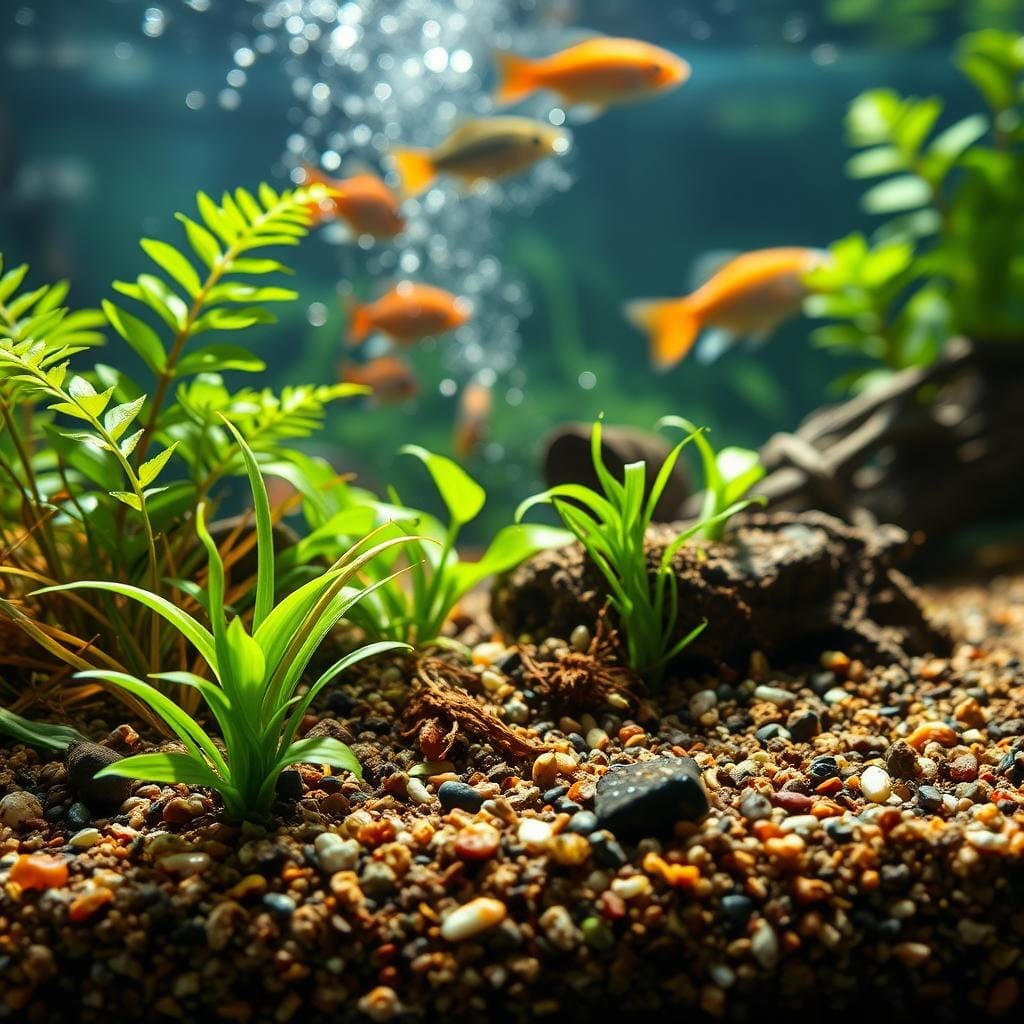
Your aquarium’s floor isn’t just decorative—it’s a living, breathing part of your aquatic world. This foundation material supports your entire tank ecosystem in ways you might not expect.
Why Substrate Depth Matters in Aquariums
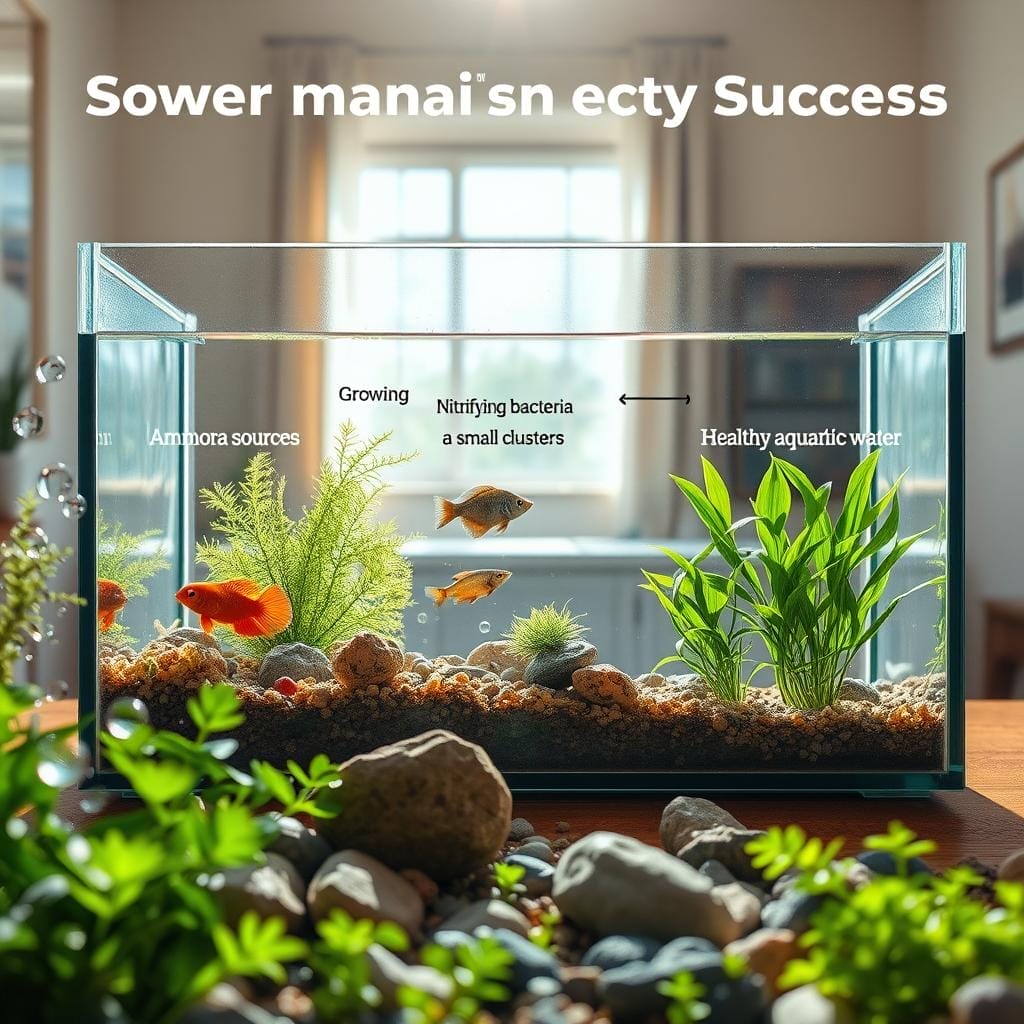
The right amount of base material creates a perfect balance for your tank. It needs to be deep enough to anchor plant roots and support beneficial bacteria colonies.
However, too much material can create dangerous pockets that harm your fish. Getting this balance right ensures a healthy environment for everyone in your aquarium.
Key Factors Influencing Your Substrate Choice
Your base layer can actually change water parameters in your tank. Some materials soften water and lower pH, while others increase hardness.
This affects which fish and plants will thrive in your environment. For fish-only setups, keep the material around two inches maximum to prevent waste buildup.
In planted tanks, this foundation becomes incredibly important for plant nutrition and growth. The bacterial biofilm that develops acts as a natural filtration system, breaking down waste into nutrients your plants can use.
Choosing the Right Substrate for Your Aquarium
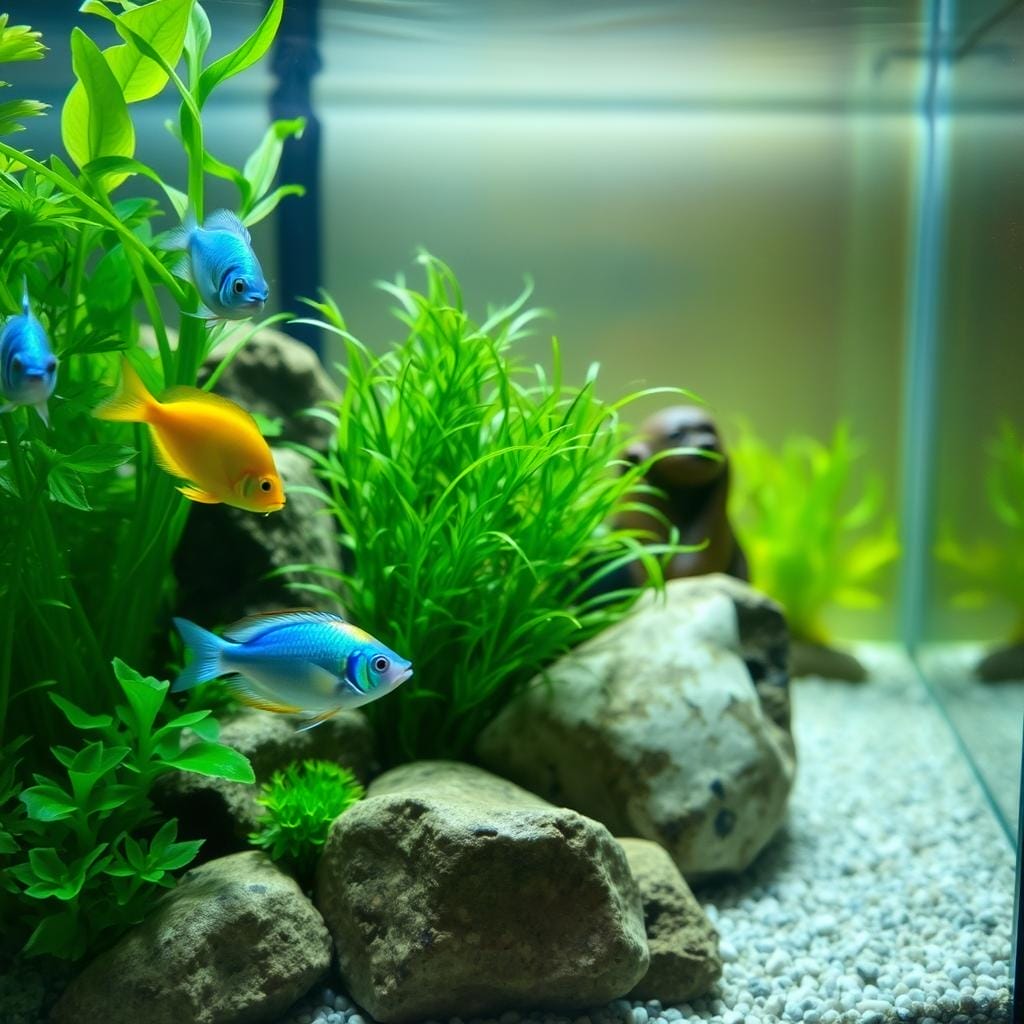
Your choice of aquarium floor covering determines how well your plants grow and your fish thrive. The materials you select create the foundation for your entire aquatic environment.
You’ll encounter three main types of aquarium substrates available today. Each offers different benefits for your tank setup.
Inert vs. Nutrient-Rich Substrates
Inert materials like sand and gravel remain stable over time. They won’t alter your water chemistry or release unexpected nutrients.
Popular inert options include Seachem Flourite and CaribSea Eco-complete. These provide excellent anchoring for plant roots without changing pH levels.
Nutrient-rich soils like ADA Amazonia and Fluval Stratum contain essential plant food. They slowly release ammonia and other nutrients that promote vigorous growth.

Aesthetic and Practical Considerations
Your substrate choice affects both beauty and maintenance. Inert materials offer wide color variety from bright white sand to dark gravel.
Clay-based products provide good porosity for bacterial colonization. They offer a middle ground between inert and nutrient-rich options.
Consider your experience level and plant selection when choosing. Nutrient-rich soils work best for demanding plants but require careful management.
Your final decision should balance visual appeal with practical maintenance needs. The right materials create a healthy, beautiful planted aquarium environment.
Calculating the Ideal Substrate Depth
You can take the guesswork out of setting up your tank’s foundation with some straightforward math. Knowing exactly how much material you need saves money and ensures your aquatic environment gets off to the right start.
How to Use a Substrate Calculator Tool
Online calculator tools make this process incredibly simple. You just enter your aquarium’s dimensions and desired material thickness.
The basic formula is straightforward: multiply your tank’s length by width by your preferred material thickness. This gives you the total volume needed.
- Fine materials like sand need about 600 cubic centimeters per kilogram
- Medium gravel requires approximately 1000 cubic centimeters per kilogram
- These tools prevent overbuying or running short during setup

Recommended Depths for Planted Tanks
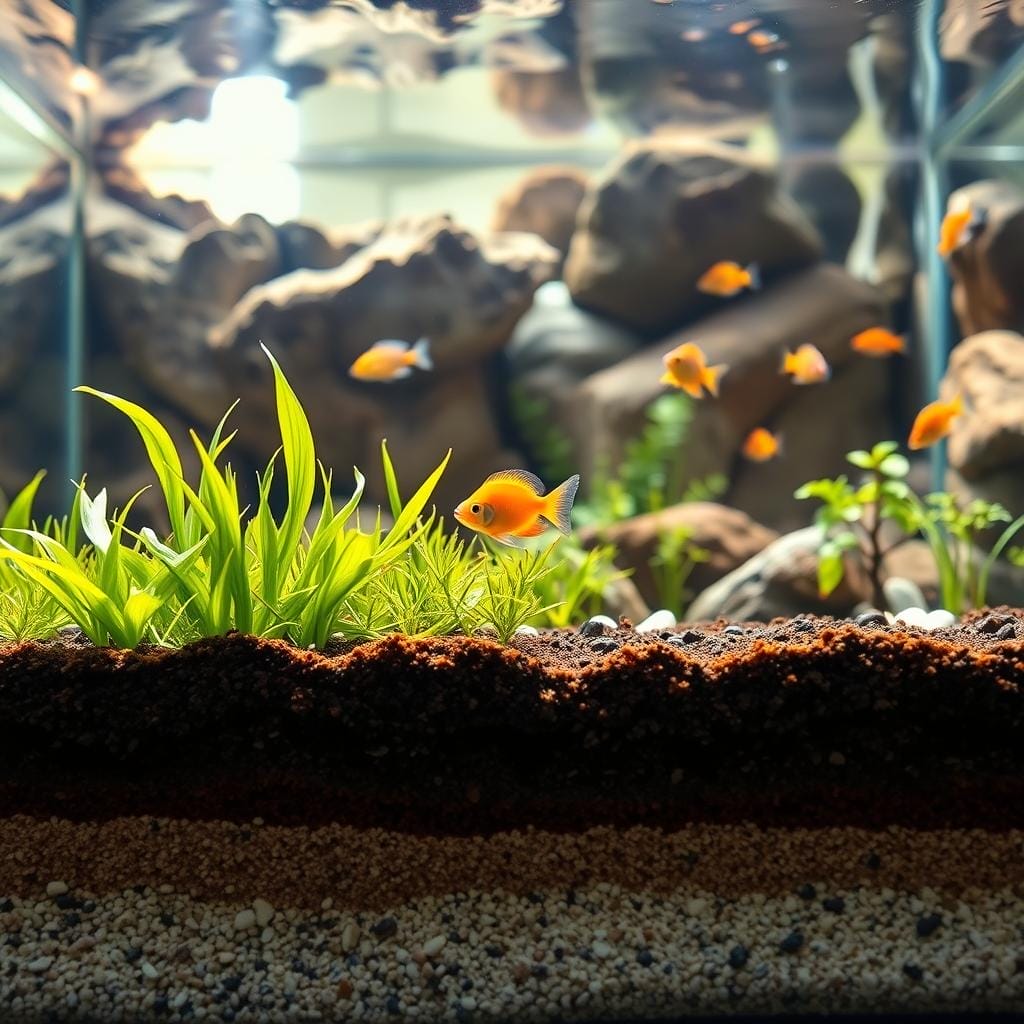
For vibrant planted aquariums, consider a two-layer approach. This system provides both nutrition and stability for your plants.
The bottom layer should be nutrient-rich soil about two inches deep. The top layer can be gravel or sand around one and a half to two inches thick.
- Minimum material thickness should be at least 3 cm for proper root growth
- Grain sizes between 1-3mm work best for most applications
- Small foreground plants need finer materials, while larger plants appreciate deeper layers
This layered approach creates the perfect environment for your aquatic plants to thrive. Your greenery will establish strong root systems and grow beautifully.
Exploring the “substrate depth guide” for Fish and Plant Health
When your plants flourish and your fish swim happily, you know you’ve found the perfect equilibrium in your aquatic environment. This balance depends on creating a foundation that meets everyone’s needs.
Balancing Plant Nutrition and Fish Comfort
Your tank’s bottom layer must nourish plant roots while keeping fish safe. You need to find that sweet spot where plants get enough nutrients without creating dangerous zones.
Too much material can lead to oxygen-depleted areas where harmful gases build up. The right amount supports robust plant growth while maintaining healthy water parameters for your fish.

Managing Oxygen Levels and Water Chemistry
Deeper layers receive less oxygen, causing food particles to rot and produce toxic hydrogen sulfide. This gas builds up slowly and can suddenly release when you disturb the material.
Regular gentle stirring during maintenance prevents dangerous gas accumulation. Nutrient-rich soils high in ammonia require frequent water changes during the first few weeks.
Most aquasoils contain peat that naturally softens water and buffers pH. This benefits many plant species but means choosing fish that thrive in these water chemistry conditions.
By maintaining proper oxygen levels and stable water parameters, you create a win-win situation for both your plants and fish.
Techniques for Layering Substrates in Planted Aquariums
The secret to vibrant plant growth often lies beneath the surface in carefully constructed material layers. By stacking different types strategically, you create a powerhouse foundation that feeds roots while keeping your water crystal clear.
This approach gives you complete control over nutrition and aesthetics. Your plants get what they need deep down, while the top remains clean and attractive.
Implementing a Two-Layer Substrate System
You’ll achieve fantastic results with a simple two-layer approach. The bottom section should be about two inches deep and packed with nutrients.
Materials like vermiculite or specialized base additives provide slow-release nutrition. This supports healthy root development over time.

Your top layer of regular gravel or sand should be one and a half to two inches deep. Grain sizes between 1-4mm work ideally for root penetration.
This prevents the nutrient-rich bottom from mixing into your water column. Your planted aquarium substrate stays functional and beautiful.
DIY Methods for Custom Substrate Setups
Creative hobbyists can build excellent custom systems. Use garden topsoil with 10-20% organic content as your base.
Cap it with sand to prevent soil particles from clouding the water. This DIY method provides rich nutrition at low cost.
Products like Tropica Plant Substrate simplify the process. Add just a 1cm layer, then top with 3-4cm of inert gravel.
Advanced systems like ADA Power Sand create incredibly rich foundations. Pumice coated with peat delivers superior plant growth.
The key advantage is that roots reach nutrient zones while the surface remains clean. Gentle handling during planting keeps everything functioning properly.
Monitoring and Adjusting Substrate Parameters Over Time
The work doesn’t end after setup – your aquarium’s bottom layer needs consistent monitoring. As your aquatic environment matures, the material that supports your plants and fish requires regular attention to maintain optimal conditions.
Over time, even the richest aquasoils will deplete their nutrient reserves. You’ll need to replenish them to sustain vigorous plant growth. The good news is that while nutrients diminish, the physical benefits like porosity can last for years.
Maintenance Tips to Prevent Anaerobic Conditions
You should make it a habit to gently stir your aquarium substrate during regular maintenance. This prevents anaerobic pockets from forming and releases accumulated gases before they reach harmful levels.
Adding Malaysian Trumpet Snails gives you natural maintenance workers. These helpful creatures burrow through the layers, improving aeration without any effort on your part.

Plan to supplement with root tabs every six months or so. Adjust the frequency based on how your plants look – yellowing leaves often signal it’s time for more nutrients.
Adjusting Depth for Evolving Tank Needs
Pay attention to how your tank’s needs change over time. As plants grow larger, you may need to increase supplementation or add material in specific areas to support heavier root systems.
Even inert materials improve as organic matter accumulates. They actually get better at holding nutrients as your tank matures, according to research on optimizing substrate performance.
Regular monitoring of plant health and water parameters helps you catch issues early. This allows you to adjust your routine before problems affect your entire aquatic ecosystem.
Expert Insights from Leading Aquascaping Sources
Learning from those who’ve already walked the path can save you years of trial and error in your aquatic journey. Professional aquascapers have tested countless materials to find what truly works for vibrant planted environments.
Advice from The 2Hr Aquarist and Other Pros
The 2Hr Aquarist spent over a decade comparing different materials side-by-side. Their most significant finding? Soil-based options consistently outperform inert choices like sand or gravel.
Plants root better and grow more vigorously in quality soils. Premium products like ADA Aqua Soil feature ideal grain sizes and textures that promote healthy root development.
Also Read: Common Aquarium Problems and How to Fix Them

User Experiences and Best Practices
While rich soils require careful management initially, experienced hobbyists find long-term maintenance becomes easier. The initial effort pays off with healthier, faster-growing plants.
If you’re new to planted tanks, consider starting with moderate nutrient options. These provide good growth without intensive early management. Your aquascaping journey benefits greatly from quality foundation materials from the start.
The consistent advice from professionals is that your base material choice impacts success more than almost any other decision except lighting.
Final Thoughts on Creating the Perfect Aquarium Environment
As you embark on creating your aquatic masterpiece, remember that success blossoms from the ground up. You now have the knowledge to choose the right materials, calculate proper amounts, and maintain your foundation for thriving fish and plants.
Don’t feel overwhelmed by all the options. Start with what matches your experience level and tank goals. You can always adjust over time as you learn what works best for your specific setup.
Whether you choose simple sand or nutrient-rich soil, understanding your choice is what matters most. Make sure to monitor performance and watch for signs that your greenery needs supplemental feeding through root tabs.
Beautiful aquariums start with the same fundamental decisions you’re making now. For additional techniques, explore this comprehensive soil substrate guide from experienced hobbyists.
Your journey will involve learning, but with proper foundation care, you’ll create an environment where both fish and plants flourish together. The effort you invest now will reward you with a stunning, healthy aquatic world for years to come.
FAQ
How deep should the gravel or sand be for a planted aquarium?
For most aquatic plants, a layer between 2 to 3 inches is ideal. This provides enough space for root systems to establish and access to nutrients without risking poor water chemistry. Deeper tanks with heavy root feeders might benefit from a slightly thicker layer.
What is the difference between inert materials like sand and nutrient-rich soils?
Inert materials, such as standard aquarium gravel or pool filter sand, do not release nutrients into the water. They are stable but require root tabs for plant growth. Active soils, like ADA Aqua Soil or Fluval Stratum, are packed with essential nutrients and can soften water, making them excellent for lush planted tanks but they can alter water parameters initially.
Can I mix different types of substrates in my tank?
A> Absolutely! Layering substrates is a popular technique. A common method is placing a nutrient-rich base layer capped with an inert sand or fine gravel. This setup feeds plant roots while providing a clean top layer for beneficial bacteria and fish comfort. Just ensure the cap is thick enough to prevent the soil from mixing into the water column.
How does substrate affect my fish and water quality?
Your choice of materials directly impacts your aquarium’s environment. Fine sands are gentle on bottom-dwelling fish but can compact, potentially leading to anaerobic pockets. Larger gravel allows better water flow. Soils can release ammonia at first, requiring careful cycling. Always test your water parameters regularly after adding new substrates.
Do I need special tools to calculate how much gravel or sand to buy?
A> While not essential, online substrate calculators from reputable brands like CaribSea or aquascaping sites can be very helpful. You input your tank’s dimensions and desired depth, and they calculate the pounds needed. This prevents waste and ensures you create the perfect foundation for your plants and fish.
How do I maintain my aquarium substrate over time?
Regular maintenance is key. Gently stir the top layer of sand during water changes to prevent gas buildup. For planted setups with soil, use a root tab fertilizer every few months to replenish nutrients as they deplete. Observe your plants’ growth and adjust your care routine as your tank evolves.
Aquarium maintenance tipsAquarium substrateAquatic substrate depthDepth guide for aquariumsFreshwater tank substrates
Hi, I'm Millie a passionate fish enthusiast and blogger. I loves learning about all kinds of aquatic creatures, from tropical fish to stingrays.