
All About Swordtail Fish Care
 Millie Douglas
Updated on: September 3, 2024 .
14 min read
Millie Douglas
Updated on: September 3, 2024 .
14 min read
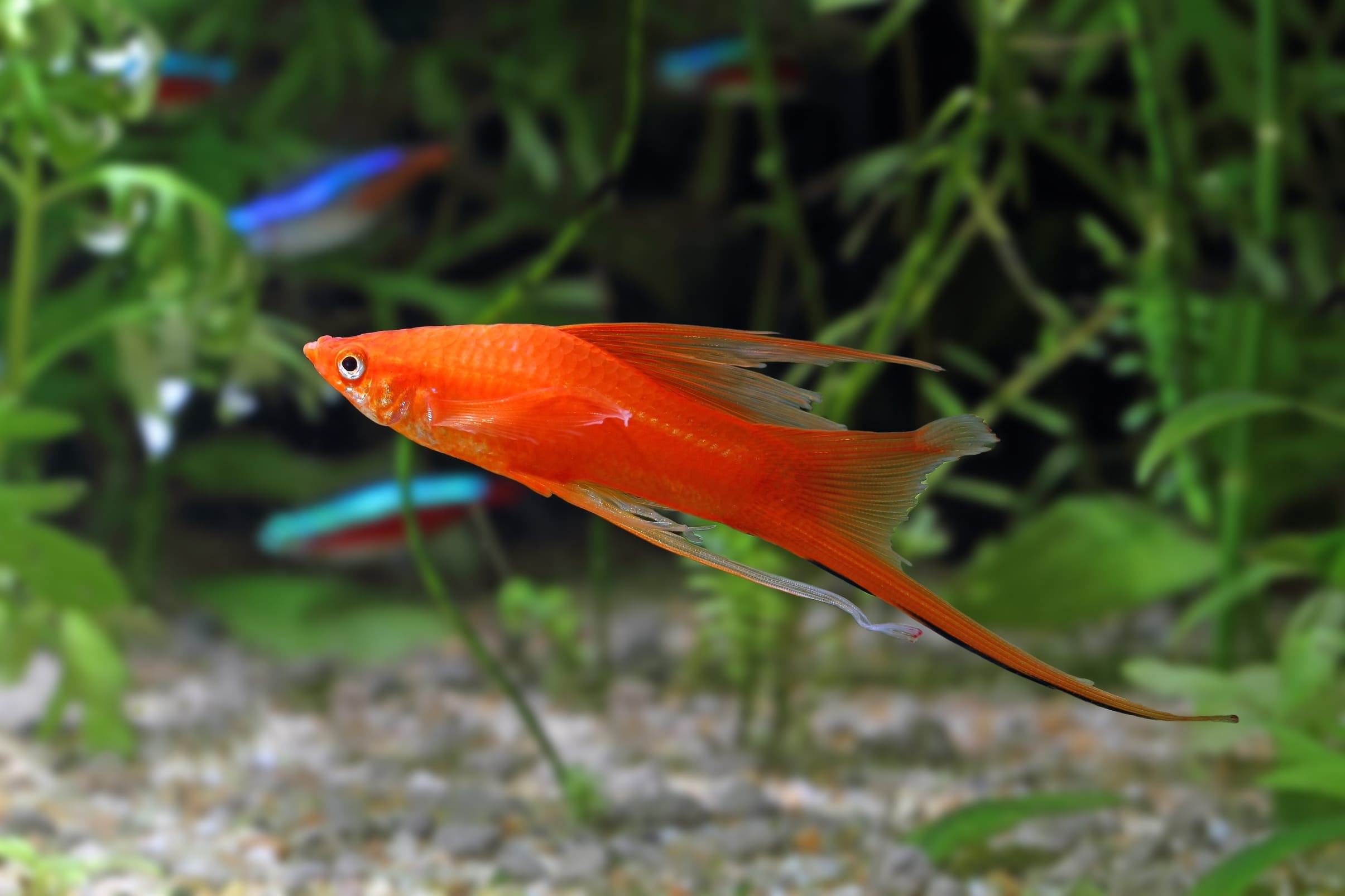
Swordtail fish are a popular choice among pet fish enthusiasts because of their vibrant colors, unique patterns, and easy care. If you’re looking to add a new member to your aquatic family, swordtail fish might be just what you’re looking for. In this comprehensive guide, we will cover everything you need to know about swordtail fish care.
From understanding their characteristics, natural habitat, and origin to ideal tankmates and essential care requirements. We will also delve into the feeding patterns and recommendations for swordtail fish as well as gender differences in behavior and the breeding process. Whether you’re a beginner or an experienced aquarist, this guide will provide valuable insights on keeping swordtail fish as pets.
Understanding Swordtail Fish
Swordtail fish are a popular choice among aquarists due to their vibrant colors and lively behavior. These fish belong to the Xiphophorus genus and are native to Central America, where they thrive in warm freshwater habitats.
They make excellent additions to community tanks as they are peaceful and easy to care for. Their stunning appearance makes them an attractive option for any freshwater aquarium.
In addition, swordtail fish are known for their adaptability, making them suitable for both novice and experienced aquarists. It is important to note that these fish prefer planted aquariums with plenty of hiding spots and require a balanced diet consisting of both dry and live foods.
Characteristics of Swordtail Fish
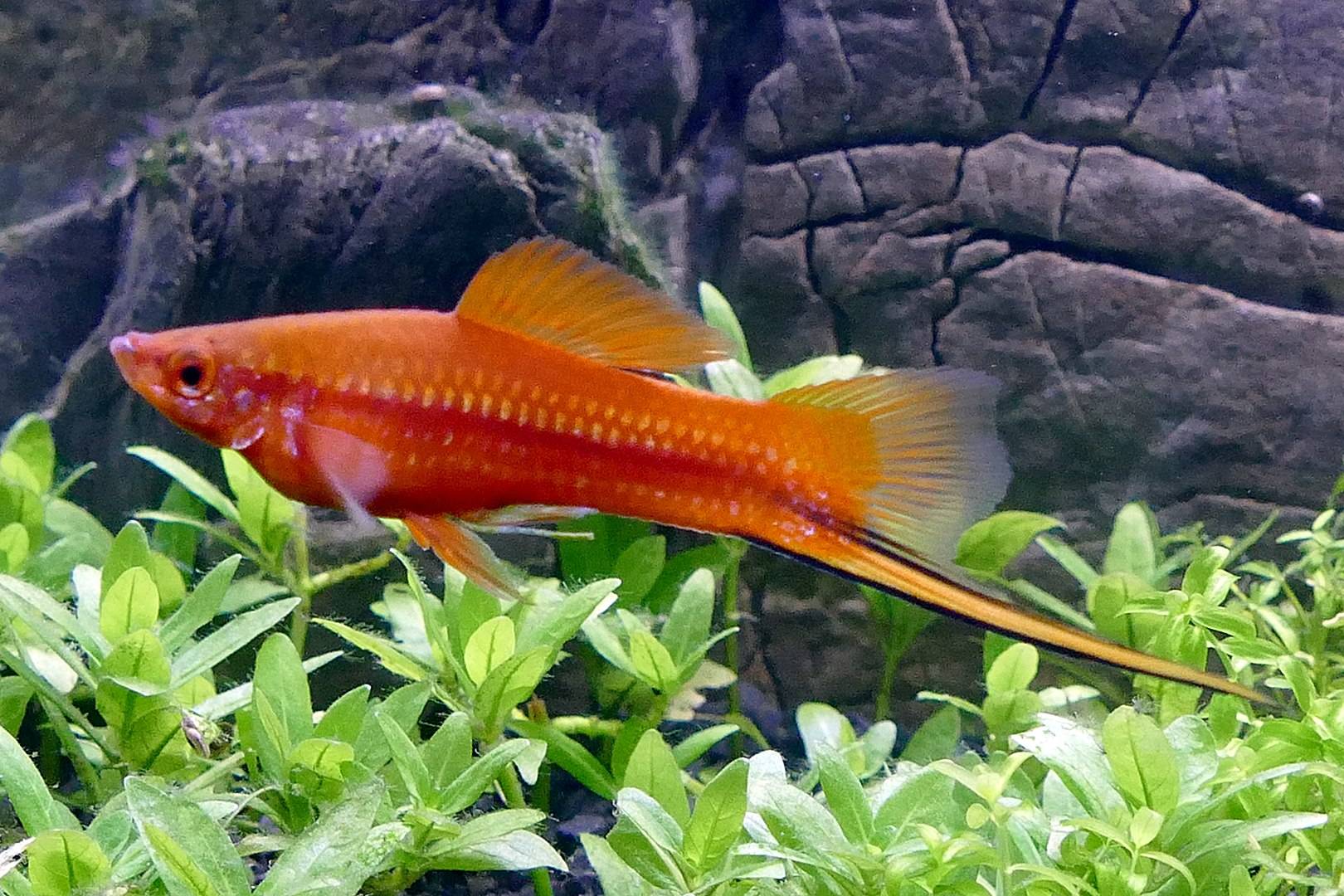
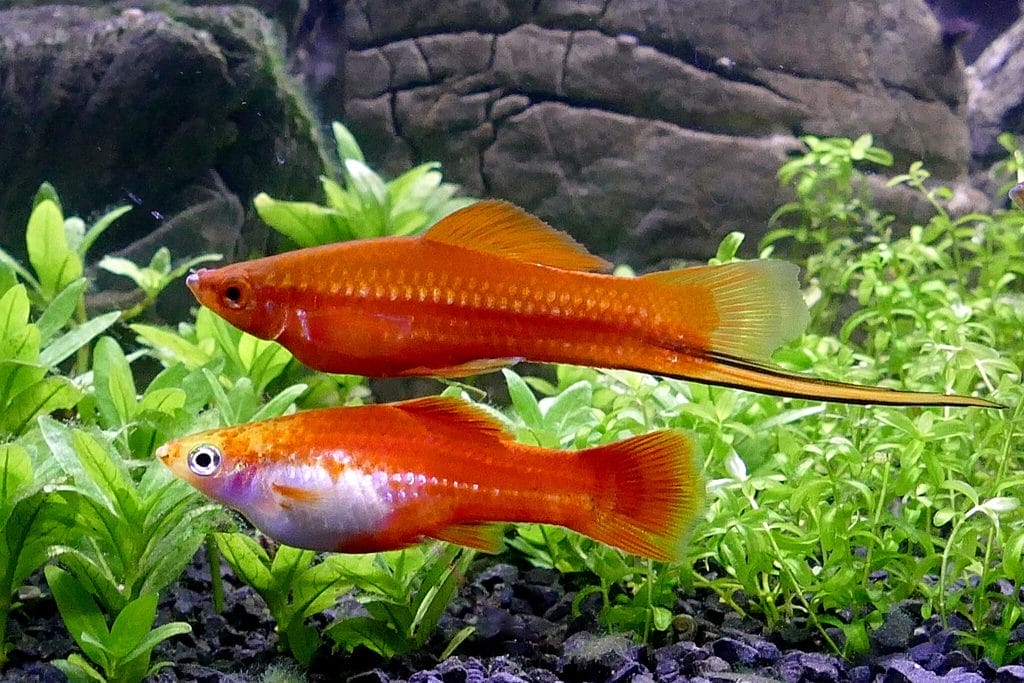
Swordtails, a freshwater fish species belonging to the genus Xiphophorus, are known for their vibrant colors and unique caudal fins that resemble swords in males. Females are larger and have regular-shaped tail fins. These hardy fish reach sexual maturity at just 3-4 months old and prefer live plants in their tank setup.
They make an excellent choice for aquarists due to their peaceful nature and compatibility with various small fish species, making them a popular choice for community tanks. Additionally, swordtails are easy to care for and can thrive in a range of water conditions, making them a great option for beginner aquarists.
Common Variations of Swordtail Fish
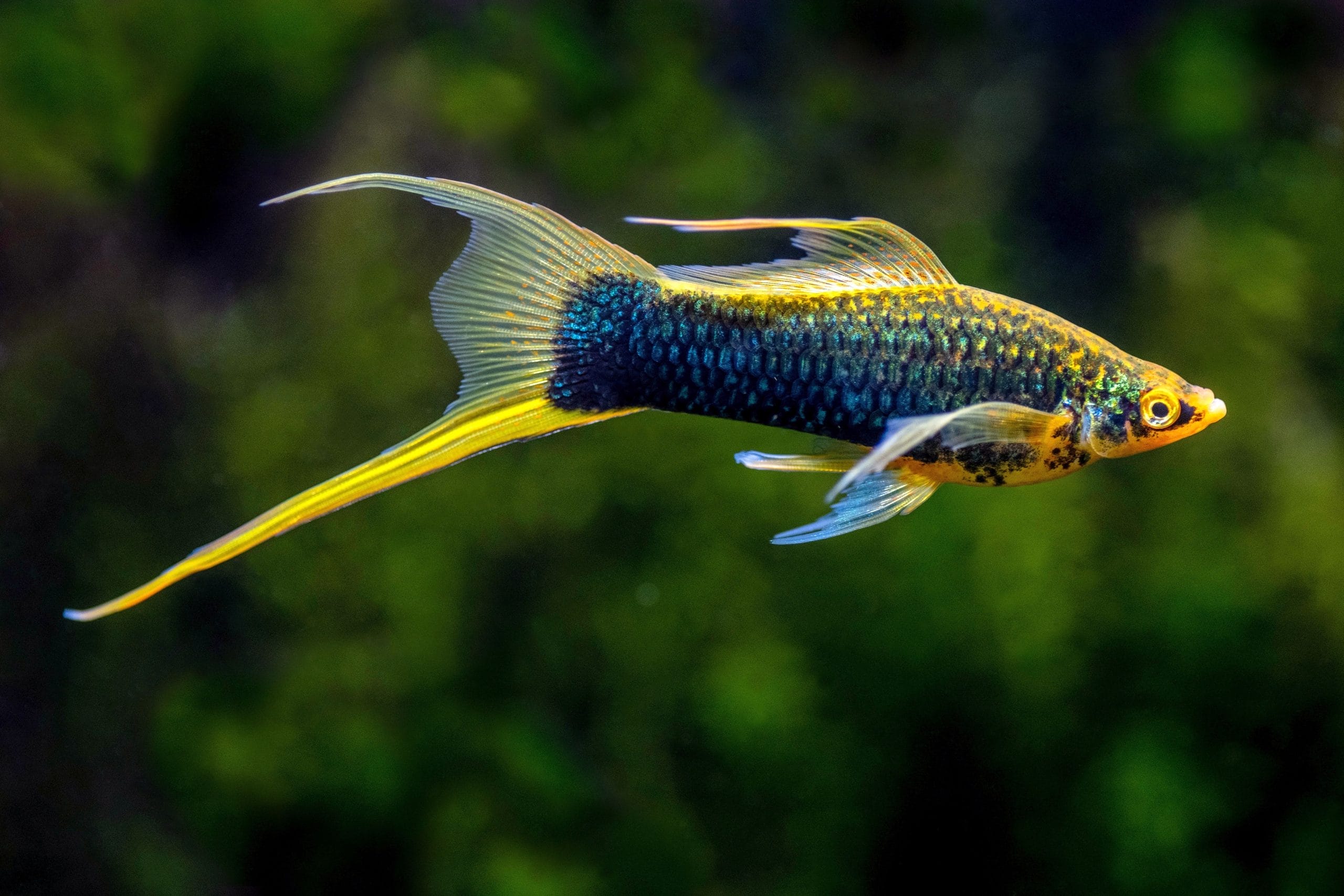
Swordtail fish are a popular choice for freshwater aquarium hobbyists due to their stunning and vibrant appearance. These fish come in a variety of colors, including red, green, and orange, with the red wag and green swordtail being particularly popular variations.
They have diverse patterns and markings that maintain their vibrancy through a varied diet. Their striking appearance makes them an attractive addition to any aquarium.
Moreover, they are known for their peaceful nature and easy-to-care-for temperament, making them ideal for novice aquarists. With proper care, these colorful fish can live up to five years in captivity.
Natural Habitat of Swordtail Fish
Swordtail fish are known to originate from freshwater habitats, specifically rivers and streams where they coexist with native fauna. These vibrant fish tend to flourish in areas with warm springs, vibrant reds and greens, live plants, and appropriate filtration. In the wild, they are often found in large groups that showcase their natural social behavior.
Their preference for such habitats is a testament to their adaptability as a species, making them an intriguing choice for aquarium enthusiasts seeking to replicate nature within their tanks.
While Swordtail fish have become popular among aquarium enthusiasts across the world, recreating their natural habitat can pose a challenge. It is essential to maintain the ideal temperature and pH levels in your tank, along with providing sufficient space and vegetation for them to thrive.
The addition of other compatible species can also help replicate their natural social behavior. With proper care and attention, Swordtail fish can provide an aesthetically pleasing and rewarding experience for any aquarium enthusiast.
Origin and Distribution of Swordtail Fish
Swordtail fish, scientifically known as Xiphophorus hellerii, are freshwater fish that originate from Mexico and some parts of Central America. These adaptable fish can even thrive in brackish water and have been introduced to various regions across the globe.
Despite their small size, swordtail fish are highly sought after by aquarium enthusiasts due to their versatility and adaptability. Their popularity has made them a favorite among both novice and experienced aquarists.
With their striking appearance and ability to live in different environments, swordtail fish remain a beloved species in the world of freshwater aquariums.
Colors and Markings of Swordtail Fish
Swordtail fish are known for their striking and vibrant colors, ranging from vivid reds and greens to bright oranges. The food they consume plays an important role in maintaining these lively pigments, which enhances their stunning appearance.
Male swordtails have a distinctive sword-like extension on their tail fin, while females prefer specific male colors and patterns. In addition, different species of swordtails exhibit a diverse range of color patterns and markings, adding to the allure of these freshwater fish species.
Interestingly, the coloration of swordtail fish is greatly influenced by their diet. Their natural diet consists of insects and small crustaceans that contain carotenoids – pigments that give fruits and vegetables their bright colors. Studies have shown that supplementing the diets of captive swordtails with carotenoids can intensify their colors even further.
Male swordtails use their elongated tails as a courtship display to attract females during mating season. Females are more likely to choose males with brighter colors and more attractive patterns as mates. This preference for certain color patterns has led to the development of various subspecies of swordtail fish with unique colorations.
In addition to their stunning appearance, swordtails are also popular among aquarium enthusiasts due to their ease of care and peaceful nature. They are often kept in community tanks with other peaceful species such as tetras and guppies. With proper care and maintenance, swordtail fish can thrive in home aquariums for many years.
Average Size of Swordtail Fish
Swordtail fish are a popular choice among freshwater fish enthusiasts due to their vibrant colors and active nature. Typically, these fish reach an adult size of 2.5 to 3 inches, with females usually being larger than males. They achieve sexual maturity at around 3-4 months of age, making them ideal for community freshwater fish species.
To ensure the well-being of swordtail fish, it is essential to provide them with an adequate tank size that can accommodate their active nature. These small fish belong to the Xiphophorus maculatus family and thrive in freshwater environments.
They are known for their stunning colors and markings, as well as their distinct dorsal and anal fin. Overall, swordtail fish are a great addition to any freshwater aquarium due to their hardiness and ease of care.
Caring for Swordtail Fish at Home
Regular water changes are essential for maintaining the water quality of freshwater fish species like xiphophorus helleri. Swordtail fish thrive in community tanks and are best suited with small fish as tank mates.
Adequate filtration and optimal water parameters, including brackish conditions for xiphophorus maculatus, are crucial for their well-being. Providing a varied diet contributes to the overall health of female and male fish, while a well-maintained aquarium setup is a fundamental care requirement.
Ideal Tankmates for Swordtail Fish
Swordtail fish are a popular choice for aquarium enthusiasts, and selecting compatible tank mates is essential to ensure their well-being. When choosing tank mates for swordtails, it’s important to consider their compatibility with small community fish species.
Livebearers and tetras are suitable companions as they are peaceful and won’t pose a threat to the swordtails. On the other hand, it’s crucial to avoid aggressive fish species that may intimidate or harm the swordtails.
Another factor to consider is the size of the females. Larger females may need to be housed with bigger tank mates to ensure harmonious cohabitation. It is also important to take into account the temperament of individual fish when deciding on tank mates for swordtails.
Creating an ideal environment for swordtail fish requires careful consideration of various factors such as water temperature, lighting, filtration, and feeding habits.
By ensuring that all these aspects are in sync with one another, you can provide a comfortable and healthy habitat for your swordtail fish. Proper research and consultation with experts can help you make informed decisions when selecting tank mates for your beloved swordtails.
Essential Care Requirements
Swordtail fish are a popular choice among aquarists due to their adaptability and vibrant colors. They thrive in freshwater tanks that feature live flora, which not only provides them with natural hiding places but also helps to regulate water quality. Their diet is versatile, as they can consume high-quality fish flakes, brine shrimp, daphnia, and other live food.
The water conditions must be maintained at optimal levels to ensure the well-being of swordtail fish. This includes monitoring temperature levels and ensuring the right tank size for their growth and comfort.
The aquatic environment plays a significant role in showcasing their vibrant colors, making it essential to choose suitable tank mates and maintain an aesthetically pleasing aquarium setup.
Overall, providing swordtail fish with these essential care requirements is crucial for supporting their overall health and vitality. With proper care, these beautiful creatures can live for several years in captivity and become an excellent addition to any aquarium enthusiast’s collection. In addition to maintaining a stable water temperature and pH level, swordtail fish also thrive in aquariums with plenty of vegetation and hiding spots. This not only provides them with a more natural environment but also reduces stress and potential aggression. Adding compatible tank mates, such as leopard bush fish, can also enhance their overall well-being and create a dynamic and visually appealing aquarium display.
Common Foods for Swordtail Fish
Swordtail fish, a popular type of freshwater aquarium fish, primarily consume flake food. However, they also benefit from live and frozen options like brine shrimp.
Maintaining a balanced diet that includes vegetable matter is essential for their overall well-being and mimics their natural habitat where they feed on small insects and aquatic life. Providing high-quality tropical fish flakes is crucial to ensure they receive proper nutrition, promoting their overall health and vibrant colors.
Feeding swordtail fish with a varied diet is important as it helps prevent nutritional deficiencies and improves their digestion. It is recommended to feed them small amounts of food several times a day rather than giving them one large meal. This can help reduce the amount of uneaten food that falls to the bottom of the tank, which can cause water quality issues.
Apart from feeding them with tropical fish flakes, you can also supplement their diet with live or frozen food options such as daphnia or bloodworms. These foods are rich in protein and other essential nutrients that support their growth and development.
It’s worth noting that overfeeding swordtail fish can lead to obesity and other health problems. Therefore, it’s important to monitor how much food they consume at each feeding session and adjust accordingly. By providing a balanced and varied diet, you can help ensure your swordtail fish maintain optimal health and thrive in your aquarium.
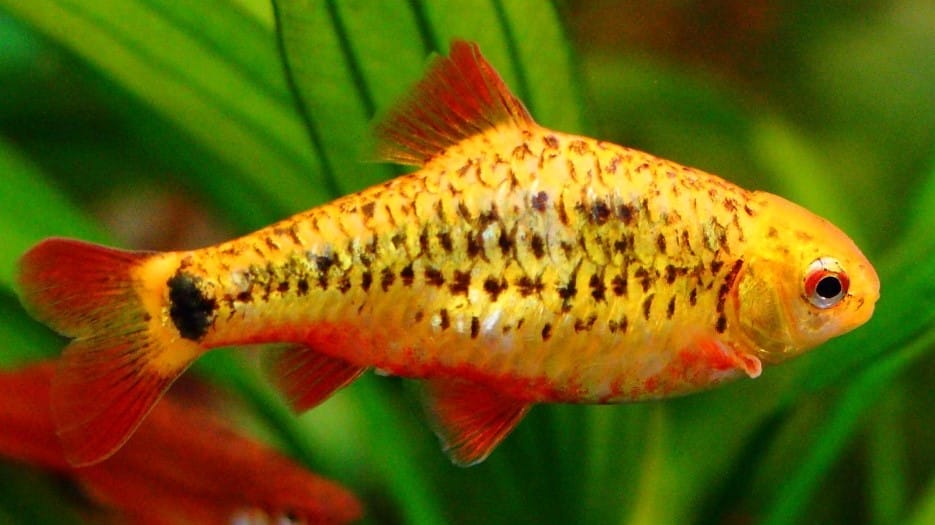
Also Read: Gold Barbs: A Comprehensive Guide
Feeding Patterns and Recommendations
Establishing proper feeding patterns is crucial for the health and well-being of Swordtail fish. These fish should be fed once or twice a day, with close attention paid to their behavior during feeding.
Overfeeding can lead to water quality issues and compromise aquatic conditions, so it’s important to provide a balanced diet and monitor the water quality regularly.
Adjusting feeding patterns based on water quality and behavior will ensure that the dietary requirements of xiphophorus helleri are met while maintaining their overall health. It’s also essential to provide a varied diet that includes both commercial fish food and live or frozen foods such as brine shrimp or bloodworms.
This will ensure that your Swordtails receive all the nutrients they need to thrive. Additionally, avoid feeding them too much at once, as uneaten food can pollute the water and lead to ammonia spikes. By following these guidelines, you can keep your Swordtails healthy, happy, and thriving in their aquarium environment.
General Behavior Patterns
Swordtail fish are highly active, often exploring every corner of the aquarium with their vibrant colors on display. These hardy freshwater fish easily adapt to different water parameters and prefer swimming in the middle and upper levels of the tank.
To maintain their vibrant colors, especially in male swordtails, it’s essential to provide adequate filtration and regularly change the water. These small fish from the Xiphophorus maculatus species thrive in well-maintained aquariums and are a delight to observe.
Gender Differences in Behavior
Male swordtails sport a unique elongated sword, whereas females flaunt a larger, fan-shaped caudal fin. Females tend to favor larger and peaceful tank mates, while males may exhibit aggression while vying for female preference.
Both genders attain sexual maturity at approximately 3-4 months. Understanding these gender disparities is crucial for maintaining a harmonious community tank, enhancing the overall welfare of xiphophorus helleri, a popular freshwater fish species.
Breeding Process for Swordtail Fish
Reproducing via live birth, xiphophorus helleri are easily bred, with females capable of storing sperm for multiple broods. Tank conditions, including water temperature, greatly impact breeding behavior, while the presence of live plants encourages successful breeding.
Monitoring water parameters is essential for the survival of the fry, ensuring the continuation of this vibrant freshwater fish species without introducing any complications.
Challenges and Tips for Successful Breeding
Maintaining optimal water quality is vital for the fry’s survival, while separating them from adult fish mitigates predation risk. Providing ample hiding spots within the tank is crucial for the fry’s safety.
Regulating water temperature and quality is essential for successful breeding. Additionally, offering a diverse diet to the adult fish supports breeding efforts. By controlling these factors, breeders can ensure a conducive environment for xiphophorus helleri to thrive in a freshwater setting.
Benefits of Keeping Swordtail Fish as Pets
Swordtail fish, known as xiphophorus helleri, are favored by aquarium enthusiasts for their low maintenance. Their striking colors and lively nature add vibrancy to freshwater tanks, coexisting peacefully with other small fish species. Particularly captivating are the male swordtail’s distinctive sword-like tail fin.
This hardy freshwater fish, a member of the xiphophorus maculatus species, is an ideal choice for aquarists of all levels, offering a visually stunning and rewarding pet ownership experience.
Tankmates
When selecting tank mates for swordtails, consider their compatibility with peaceful community fish species like tetras and livebearers. It’s important to avoid pairing them with fin-nipping species due to their long fins.
Careful selection of tank mates is crucial to prevent any aggressive behavior towards the swordtail fish. Additionally, providing sufficient space in the aquarium reduces territorial disputes among tank mates.
Understanding the behavior and adult size of potential tank mates is essential for maintaining a harmonious environment within the tank.
Swordtail Diet and Feeding
To support the nutritional needs of xiphophorus helleri, it’s important to provide a varied diet comprising live, frozen, and flake foods. Supplementing with vegetable matter contributes to the overall health of this freshwater fish species. Small, frequent feedings help maintain their vibrant colors and well-being.
Monitoring feeding behavior is crucial to adjust the diet according to their activity levels. These feeding practices are essential for the long-term health and vitality of swordtail fish, a popular choice for aquarium hobbyists.
Conclusion
In conclusion, Swordtail fish make excellent pets for both beginner and experienced fishkeepers. They are known for their vibrant colors, unique markings, and lively behavior. Caring for Swordtail fish requires providing them with an appropriate tank size, maintaining water quality, and feeding them a balanced diet.
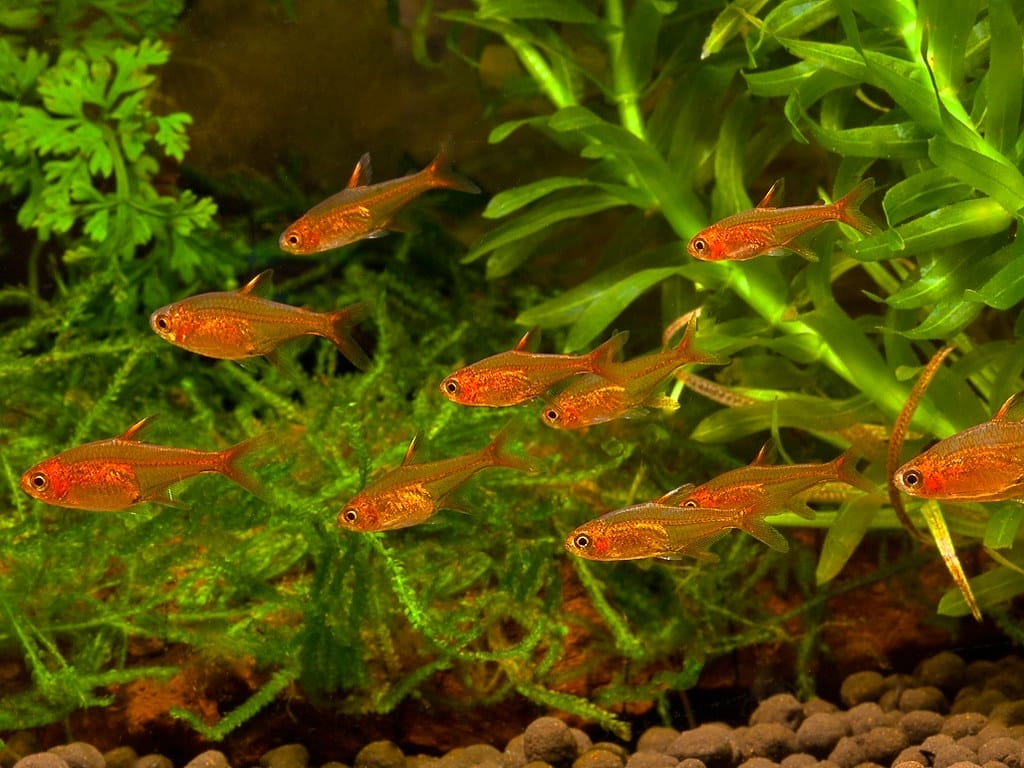
Also Read: Ember Tetras: Ultimate Care Guide
It is important to choose compatible tankmates to ensure a peaceful and harmonious environment. Breeding Swordtail fish can be a rewarding experience, but it requires careful planning and attention to detail.
Overall, keeping Swordtail fish as pets can bring beauty and joy to your aquarium while providing a fascinating glimpse into the underwater world.
Hi, I'm Millie a passionate fish enthusiast and blogger. I loves learning about all kinds of aquatic creatures, from tropical fish to stingrays.