
Aquarium Cycling: Your Guide to a Thriving Ecosystem
 Millie Douglas
Updated on: December 1, 2025 .
12 min read
Millie Douglas
Updated on: December 1, 2025 .
12 min read
What if the “cleanest” water could actually be the most dangerous environment for your new fish? This surprising truth lies at the heart of setting up a successful underwater world.
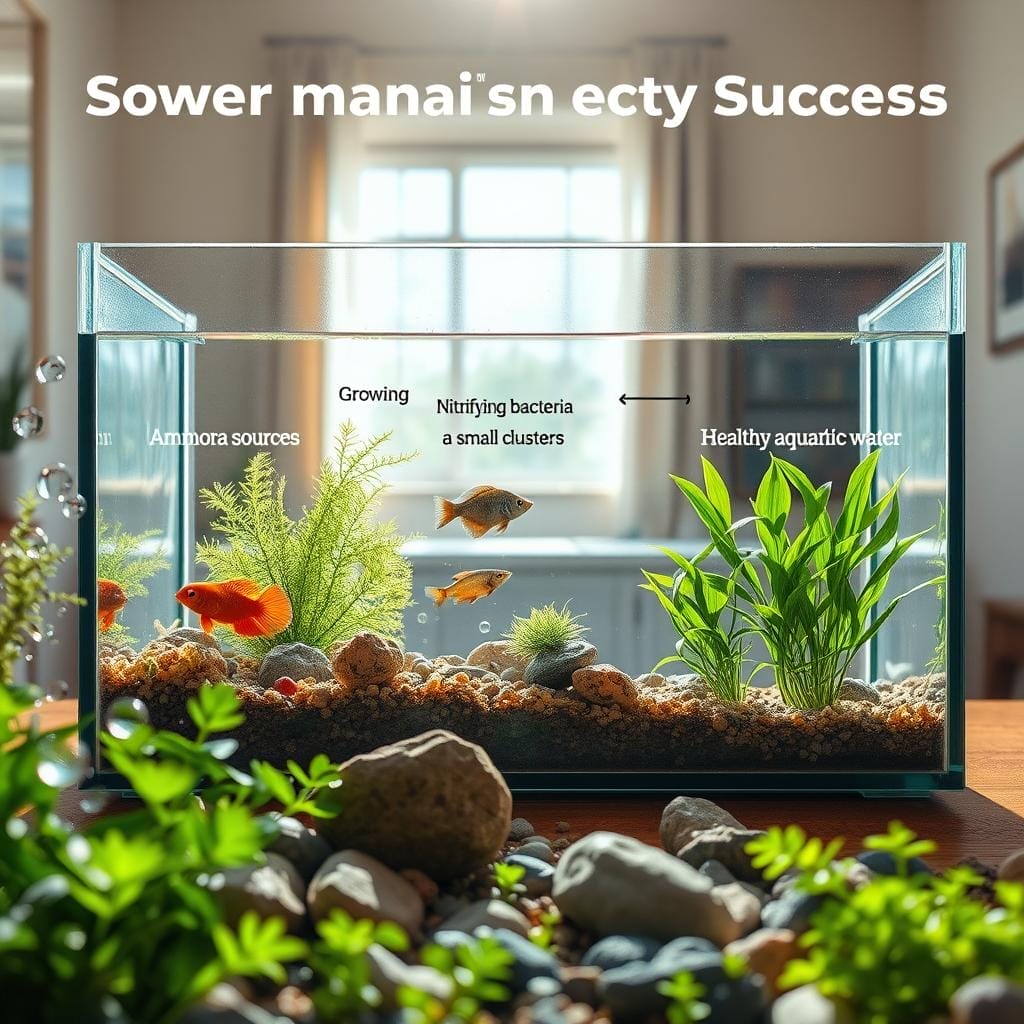
When you bring home a brand new tank, it looks pristine and ready for fish. But that crystal-clear water lacks the invisible life support system your aquatic pets desperately need. Without this natural balance, harmful substances can quickly build up and threaten your fish’s health.
The process we call cycling transforms your sterile setup into a living ecosystem. Beneficial bacteria establish themselves to break down waste naturally. This creates a safe, stable home where your fish can truly thrive.
We’ll guide you through this essential foundation step by step. You’ll discover how patience now leads to easier maintenance and healthier pets later. Your journey to a beautiful, balanced underwater world starts here!
Understanding the Nitrogen Cycle in Your Aquarium
Your fish’s survival depends on a natural process that turns dangerous compounds into safer ones. This biological system, called the nitrogen cycle, is nature’s recycling program for your underwater world.
When you feed your pets, they produce waste that releases ammonia into the water. Left unchecked, this ammonia becomes a silent threat to their health.
How Ammonia, Nitrite, and Nitrate Affect Fish Health
Ammonia is extremely toxic to fish—even small amounts can cause serious harm. It attacks their gills and bloodstream, making it hard for them to breathe properly.
Fortunately, beneficial bacteria step in to convert ammonia into nitrite. While nitrite is still dangerous, it’s less immediately harmful than ammonia.
Another group of bacteria then transforms nitrite into nitrate. Nitrate is the safest of the three compounds, but you’ll still need to control it through regular maintenance.
The Role of Beneficial Bacteria in Maintaining Water Quality
These microscopic heroes colonize your filter media, gravel, and decorations. They work continuously to process the waste produced by your fish.
This living process takes time to establish. The bacteria need several weeks to grow colonies large enough to handle your tank’s waste load effectively.
Understanding this natural balance helps you appreciate why patience during setup leads to long-term success for your aquatic pets.
Preparing Your Aquarium for Cycling Success
Proper preparation makes all the difference between a stressful start and an easy journey to a balanced ecosystem. When you set up your tank correctly from the beginning, you create the perfect environment for beneficial bacteria to thrive.
Setting Up Your Tank Components and Equipment
Before starting the process, ensure all your equipment is properly installed and running. Your filters, heater, air pump, substrate, and decorations should be in place and functioning.
Keep everything running during the entire cycling period. Beneficial bacteria need these surfaces to colonize effectively. Your filtration system and substrate provide the most important real estate for these microscopic helpers.
Water Chemistry and pH Fundamentals
Pay close attention to your water parameters for optimal results. Maintain a pH between 7.0 and 7.8 for efficient bacterial growth and fish comfort.
Temperature matters greatly during this phase. Keeping your tank between 83°F and 87°F speeds up bacterial development. You’ll adjust this later to match your specific fish needs.
Treat your tap water before adding it to your setup. Chlorine and chloramine can interfere with the nitrogen cycle and affect pH levels. A quality water filter ensures your water starts clean and balanced.
Choosing the Right Aquarium Cycling Method
Your choice of starting method will shape your entire tank experience. You have three primary paths to establish your tank’s biological balance. Each offers a different blend of speed, safety, and visual appeal.
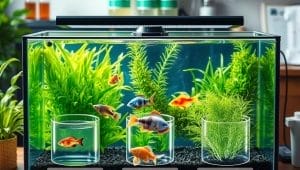
Fish-In Cycling: Advantages and Cautions
The fish-in cycling method adds a few hardy fish immediately. This approach provides visual interest from day one.
It requires very careful management. You must test water daily and perform frequent partial water changes. Your fish are exposed to ammonia during this process.
Exploring Fish-Less Cycling Techniques
Fishless cycling is a safer way to build your ecosystem. You add an ammonia source, like fish food, without any live fish present.
This method protects your future pets from harmful toxins. It often takes a bit longer but eliminates risk entirely. Patience here leads to a much safer introduction for your fish.
Cycling with Plants for a Natural Ecosystem
This method creates a beautiful, living landscape from the start. Aquatic plants actively consume nitrogen waste, working alongside bacteria.
It’s an effective way to establish balance. You get the dual benefits of filtration and instant beauty. This approach is excellent for those wanting a lush, natural tank.
Your decision depends on your timeline, experience, and vision. Understanding these methods helps you choose the best path for your success.
Essential Aquarium Cycling Strategies
What if you could give your new setup a head start with proven, living bacteria colonies? The waiting period doesn’t have to feel endless when you use smart techniques that work with nature’s timeline.
These strategies help you establish your biological balance more efficiently. They reduce risks while building a strong foundation for your future fish.
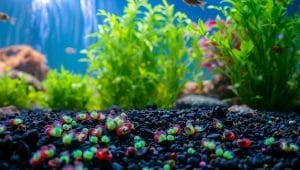
Utilizing Beneficial Bacteria and Seed Media
The most effective way to accelerate your tank’s development is through seeding. This involves transferring established beneficial bacteria from a healthy, mature system to your new one.
If you have access to an established tank, you can use:
- Used filter media from a disease-free system
- Established substrate or decorations
- Mature filter components after 4-6 weeks
Act quickly when transferring these materials. The bacteria need to stay moist and won’t survive long exposure to air. This natural method often cuts your waiting time significantly.
While commercial bacteria products are available, results can vary. These bottled solutions may contain bacteria that aren’t viable or suited to your specific conditions. Natural seeding methods typically deliver more predictable, lasting results for your filtration system.
By using these smart strategies, you create a robust bacterial colony ready to handle waste from day one. Your patience and careful planning pay off with a healthier environment.
Implementing a Step-by-Step Approach to Aquarium Cycling
Your daily testing routine is the roadmap that guides your tank from a sterile environment to a thriving, living ecosystem. This hands-on phase is where you actively witness the nitrogen cycle coming to life. Consistent monitoring gives you control and confidence throughout the process.
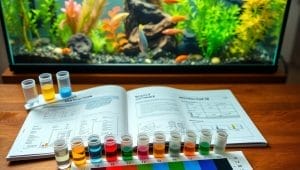
Daily Monitoring and Testing Procedures
Make your test kit your best friend. You should check your water every day or two. This lets you track ammonia nitrite levels accurately.
During a fishless cycle, aim to keep ammonia around 3 ppm. This level properly feeds the beneficial bacteria. If it drops, add a small amount of food source to maintain it.
Watch for the pattern: ammonia rises first, then nitrite spikes, and finally nitrate appears. A quality liquid test kit gives the most reliable readings for this critical time.
Adjusting Feeding and Fish Introduction Gradually
Patience is your greatest tool. The cycle is complete only when both ammonia and nitrite read 0 ppm and nitrate is present. Rushing this step risks your future fish’s health.
Once your tank is stable, you can begin adding fish slowly. Introduce them in small groups over time. This allows the biological filter to adjust to the new waste load without becoming overwhelmed.
Your careful attention each day ensures a safe transition for your new pets. This methodical approach builds a strong foundation for a healthy underwater world.
Tips for Managing Ammonia, Nitrite, and Nitrate Levels
The secret to maintaining a stable underwater environment lies in your ability to monitor and adjust three critical compounds. Regular testing and timely action keep these levels in the safe zone for your fish.
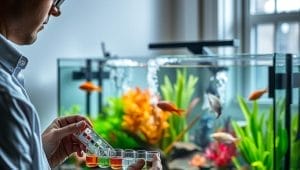
Your consistent attention to water chemistry makes all the difference. It transforms potential problems into manageable maintenance routines.
Performing Timely Water Changes
When you detect ammonia or nitrite above 0.2 ppm, act quickly. A partial water change of 10-20% dilutes these toxins while preserving your beneficial bacteria.
During fishless cycling, if ammonia rises above 5 ppm, perform a water change. For nitrate, keep levels below 40 ppm through regular maintenance.
These water changes serve dual purposes. They protect your fish and refresh your water chemistry to support the nitrogen cycle.
Also Read: Common Aquarium Problems and How to Fix Them
Optimizing Test Kits and Additives Usage
Make your test kit part of your weekly routine. Regular checking helps you catch rising nitrite levels before they become dangerous.
Establish a schedule of 10-20% water changes twice weekly. This consistent approach maintains healthy nitrate levels long-term.
Your careful monitoring now builds habits that serve you throughout your fishkeeping journey. These simple actions ensure your fish stay healthy and your environment remains balanced.
Boosting Beneficial Bacterial Growth in Your Tank
The true engine of your underwater world isn’t the filter itself, but the microscopic life it supports. Giving these beneficial bacteria the best start possible ensures a stable and healthy environment for your future pets.
You can actively accelerate this growth by creating ideal conditions and using proven seeding methods.
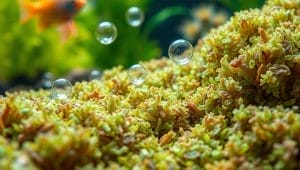
Seeding with Established Filter Media
One of the fastest ways to kickstart your system is by borrowing established beneficial bacteria from a healthy, mature tank. You can transfer used filter media, substrate, or decorations.
Always exercise caution with this method. Never use materials from a tank with sick fish, as pathogens can linger. Also, ensure the water parameters (like pH and temperature) of the source tank are similar to yours to avoid shocking the new bacterial colonies.
Another effective technique is to run your new filter on an established setup for 4-6 weeks before moving it to your new tank.
Creating Ideal Conditions for Bacterial Colonies
Your filter and substrate provide the primary surface area for colonies to thrive. These surfaces are where the vital work of the nitrogen cycle happens.
To encourage rapid growth, maintain a temperature between 83-87°F and a pH of 7.0-7.8 during the initial setup phase. These conditions are perfect for bacterial multiplication.
Remember, these microscopic helpers colonize all surfaces in your aquariums. By focusing on their needs, you build a robust biological filtration system ready to handle waste effectively.
Integrating Fish and Plants into a Cycled Tank
Seeing your first fish swim in their new home is a rewarding milestone. This exciting phase requires a gentle approach to maintain the balance you’ve worked so hard to create. Your focus now shifts to gradual introductions.
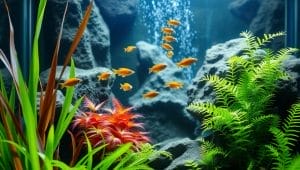
Start by adding only a small group of fish. A good rule is 10-20% of your planned final population. This gives your beneficial bacteria time to grow and handle the new waste load safely.
Gradual Stocking Techniques for Fish
Choose hardy species for your first additions. These durable fish handle the adjustment period best. Wait a few days after the initial adding fish step.
Test your water to make sure ammonia and nitrite levels remain at zero. If they do, you can carefully add fish again in small numbers. This patience prevents overwhelming your biological filter.
Feed your new fish a very light amount of food initially. Gradually increase the amount over several weeks as the bacterial colonies expand. This matches waste production with processing capacity.
You can introduce plants at any time. Hardy plants that absorb nutrients from the water help maintain stability. Healthy plant growth is a great sign your tank is ready for more life.
Remember, rushing this aquarium cycling process is the most common mistake. Gradual stocking ensures your ecosystem thrives from the very start.
Final Insights for a Thriving Aquarium Ecosystem
Every successful aquatic environment shares one common foundation: a properly established biological balance. Your patience during this essential process creates the invisible support system that keeps your fish healthy and your water clear.
Remember that testing your water levels remains important even after your tank is fully established. Monitoring ammonia and nitrite levels helps you catch changes early. Your filters and beneficial bacteria work together to maintain stability.
The time you invest now pays off every day with easier maintenance and happier pets. Whether you choose to cycle your new fish tank with plants or another method, your careful approach ensures long-term success. Your commitment to this natural way of building balance creates a thriving home where life can flourish.
FAQ
How long does the aquarium cycling process typically take?
The time it takes to cycle a new tank can vary, but it usually lasts between 4 to 8 weeks. This period allows beneficial bacteria to establish and process fish waste. Using products like FritzZyme TurboStart or Seachem Stability can help speed up this timeline.
What are the signs that my tank has finished cycling?
Your tank is ready when your test kit shows zero ammonia and zero nitrite, with some nitrate present. This means the nitrogen cycle is complete and the bacteria can handle the waste produced by your fish.
Can I add fish immediately after setting up my aquarium?
No, adding fish right away is not safe. The water needs time to develop the necessary bacteria to break down toxic ammonia from fish waste. A fish-less cycling method is the safest way to prepare the environment.
What is the difference between ammonia and nitrite during the cycle?
Ammonia is the first waste product released by fish. It is highly toxic. Beneficial bacteria then convert it into nitrite, which is also harmful. A second type of bacteria converts nitrite into safer nitrate.
How often should I test my water while cycling?
You should test your ammonia and nitrite levels every other day. Monitoring these levels closely helps you track the progress of the cycle and know when it’s safe to add more fish.
Are water changes necessary during the cycling process?
Yes, performing partial water changes is crucial if ammonia or nitrite levels spike too high. This protects any fish present during a fish-in cycle and helps manage toxin levels.
What is the best way to start beneficial bacterial growth?
You can boost bacterial growth by seeding your tank. This means adding a used filter media from an established aquarium or using a bottled bacteria starter. This introduces the necessary microbes immediately.
Can live plants help with the nitrogen cycle?
Absolutely! Live plants absorb ammonia, nitrite, and nitrate as nutrients. They act as a natural filtration system and can significantly reduce the cycling time, creating a healthier ecosystem.
Hi, I'm Millie a passionate fish enthusiast and blogger. I loves learning about all kinds of aquatic creatures, from tropical fish to stingrays.